Nila Kartika Wati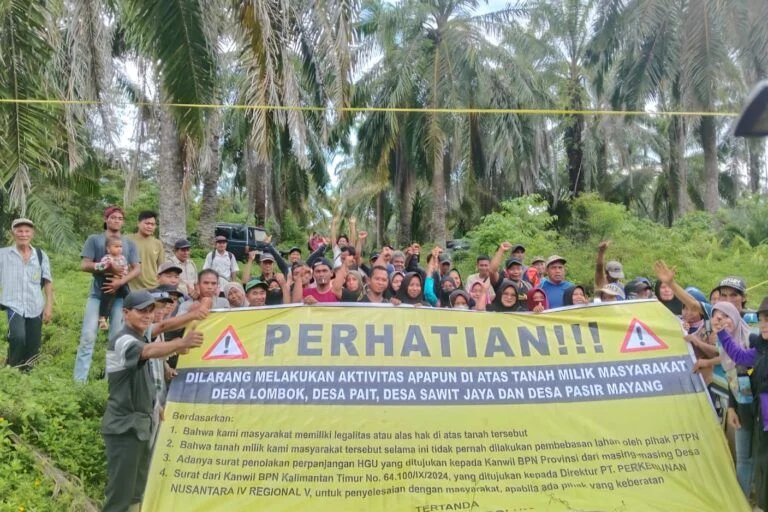
The Republic of Indonesia has officially enacted the Law on Agrarian Reform Regulation (UUPRA) following a plenary session of the House of Representatives (DPR) on September 22, 2026. This landmark legislation, which marks the culmination of a 34-year advocacy campaign by civil society organizations, seeks to reorganize the management, ownership, and distribution of land across the archipelago. While the government hails the law as a milestone in social justice and economic equality, critics argue that the legislation remains fundamentally flawed, potentially favoring administrative efficiency over genuine structural transformation.
A Three-Decade Struggle for Land Rights
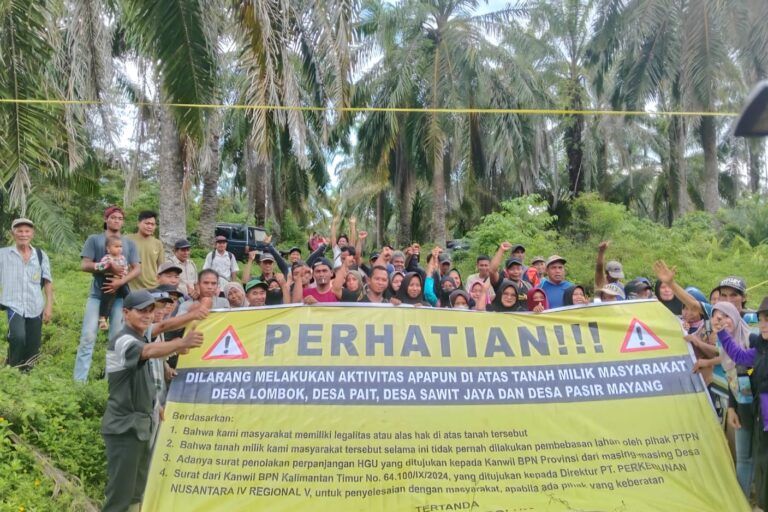
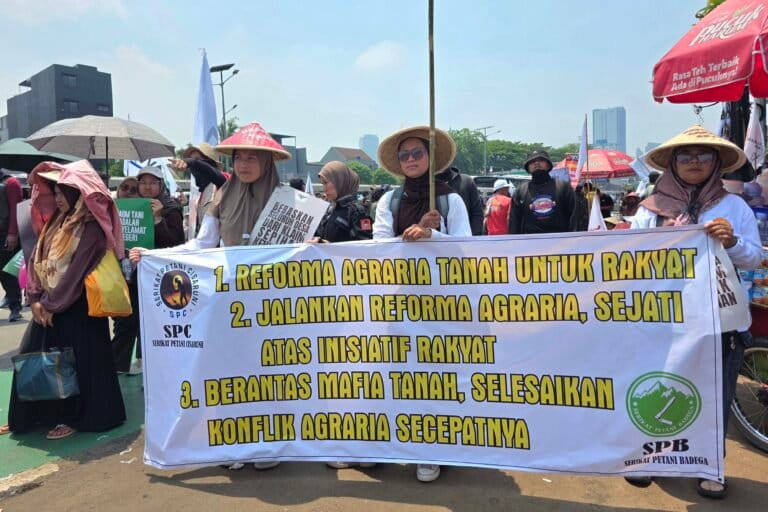
The path to the UUPRA was marked by persistent political deadlock. For over thirty years, activists, agrarian scholars, and peasant unions have pushed for a comprehensive legal framework to address the deep-seated inequality in land distribution. According to the Consortium for Agrarian Reform (KPA), the enactment serves as a significant, albeit contentious, gift for National Farmers’ Day, celebrated annually on September 24.
Dewi Kartika, Secretary General of the KPA, noted that the legislative process was anything but smooth. Since the bill was officially entered into the National Legislation Program (Prolegnas) on August 27, 2026, it faced intense scrutiny and opposition from various government stakeholders. The debates centered on the fundamental definition of agrarian reform, the scope of the state’s role in land management, and the protection of indigenous and local land rights.
Chronology of Legislative Action
The urgency behind the bill’s passage was evidenced by its rapid progression through the House. The legislative timeline unfolded as follows:
- August 27, 2026: The Draft Law on Agrarian Reform (RUUPRA) is formally registered in the Prolegnas.
- September 8, 2026: The House Legislative Body (Baleg) begins intensive deliberations, presenting a draft consisting of 16 chapters and 70 articles.
- September 8–21, 2026: A series of public hearings and inter-ministerial meetings take place. The government submits 596 Lists of Inventory Issues (DIM).
- September 21, 2026: The final draft is streamlined to 14 chapters and 53 articles, removing specific provisions regarding the structure of the proposed regulatory body and altering several criminal clauses.
- September 22, 2026: The plenary session led by Deputy Speaker Sufmi Dasco Ahmad ratifies the bill into law amidst support from parliament members and protest-turned-celebration from farmers’ unions.
Key Provisions and Institutional Framework
The finalized UUPRA establishes a new legal mandate for the state to manage agrarian resources. Central to the law is the creation of a specialized Agrarian Reform Agency that reports directly to the President. This agency is tasked with four primary functions: planning, implementation, oversight, and the resolution of agrarian conflicts.
A critical feature of the law is the introduction of "Priority Locations for Agrarian Reform" (LPRA). Under this framework, the government is mandated to identify and prioritize lands for redistribution based on criteria such as the level of land tenure inequality, the presence of abandoned land, and areas currently embroiled in high-stakes social conflicts. Furthermore, the law introduces a "Single Data System" for agrarian reporting, aimed at integrating fragmented land data from various ministries into a centralized, transparent platform.
Official Government Stance and Implementation Strategy
Representing the government, Minister of Agrarian Affairs and Spatial Planning/Head of the National Land Agency (ATR/BPN) Nusron Wahid emphasized that the UUPRA is a direct fulfillment of the 1945 Constitution and the People’s Consultative Assembly (TAP MPR) Decree No. IX/2001.
"The government is committed to finalizing the necessary secondary regulations, including Government Regulations (PP) and Presidential Decrees, to ensure the law is operational," Wahid stated during the plenary session. The government’s roadmap includes drafting specific protocols for land redistribution, defining the operational boundaries of the new regulatory agency, and establishing the criteria for the monitoring and evaluation of agrarian reform performance.
Critical Perspectives: Is It Structural Reform or Administrative Tweak?
Despite the celebratory atmosphere in the House, the UUPRA has drawn significant criticism from human rights groups and academic institutions. Critics argue that the final version of the law represents a dilution of the initial, more radical draft.
1. The Trap of "Legality" vs. "Distribution"
Saiful Wathoni, Secretary General of the Alliance for Agrarian Reform Movements (PPAGRA), argues that the law focuses heavily on "land administration" and "tenure security"—essentially validating existing claims rather than conducting a radical redistribution of land currently monopolized by large conglomerates or state entities. According to Wathoni, the law fails to address the fundamental issue of land concentration, merely providing a legal veneer for existing land holdings.
2. The Speed of Legislation
The Indonesian Legal Aid Foundation (YLBHI) has raised alarms regarding the "super-fast" legislative process. Edy Kurniawan, an advocacy manager at YLBHI, noted that the bill was debated and passed in less than 14 days, a speed that even outpaced the controversial Omnibus Law on Job Creation. "The lack of meaningful public participation and transparency is deeply concerning. By rushing the process, the government has created a law that may be ‘beautiful on the surface but full of traps underneath,’" Kurniawan remarked.
3. The Paradox of Conflict-Driven Reform
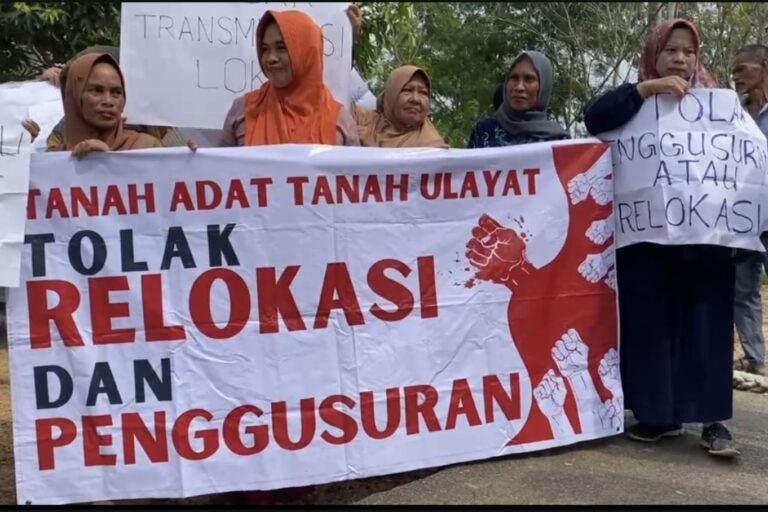
One of the most vocal critics, Rina Mardiana, a researcher in Human Geography at IPB University, highlighted a critical paradox in the law. Article 16, Paragraph 5, excludes areas designated as "Free Trade Zones" or lands under the management of certain ministries from being designated as LPRA, unless they are already in a state of active conflict.
"This is a dangerously reactive approach," Mardiana explained. "The law effectively rewards communities that are already in open, sometimes violent conflict, while ignoring those whose land has been quietly appropriated. It suggests that if you are not making enough ‘noise’ or if you have not been forcefully evicted, you do not exist in the eyes of the reform."
Mardiana further criticized the lack of inclusion for participatory mapping, warning that without a mechanism to challenge state-held data, the "Single Data System" could become an instrument of exclusion rather than inclusion.
Implications for Future Land Governance
The long-term success of the UUPRA hinges on the government’s willingness to implement the law in a way that addresses structural inequality rather than merely managing conflicts. The absence of a dedicated Agrarian Court in the final text remains a significant point of contention. Without a specialized judicial mechanism to resolve disputes, agrarian conflicts are likely to remain trapped in the conventional court system, which often lacks the expertise to handle the complexities of customary land rights and historical claims.
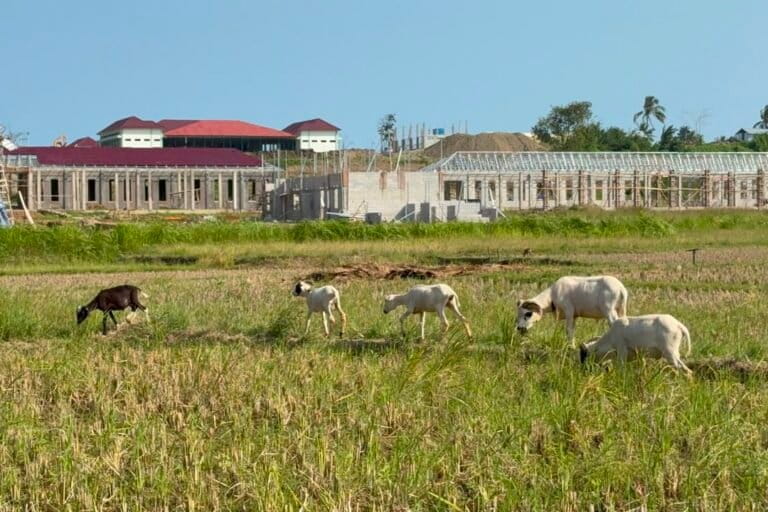
Furthermore, the reduction of criminal penalties—lowering maximum prison sentences for land-related offenses—suggests a shift in how the state views agrarian dissent. However, human rights advocates remain wary that the remaining provisions could still be weaponized to criminalize farmers who are simply defending their ancestral lands.
Conclusion: A New Chapter or a Missed Opportunity?
The passage of the Law on Agrarian Reform Regulation is undeniably a milestone, providing a long-sought institutional framework for one of Indonesia’s most complex social issues. Whether this law serves as a true instrument for social justice or merely a tool for administrative reorganization will depend on the upcoming secondary regulations and the degree of oversight provided by the newly formed regulatory agency.
For the millions of rural, indigenous, and coastal communities whose lives are intricately tied to the land, the UUPRA is a promise that has been 34 years in the making. As the government begins the task of drafting the implementing regulations, the eyes of the international community and civil society will remain fixed on whether the spirit of the law aligns with the reality on the ground, or if the "sweet gift" of the reform remains out of reach for those who need it most.