
 Nila Kartika Wati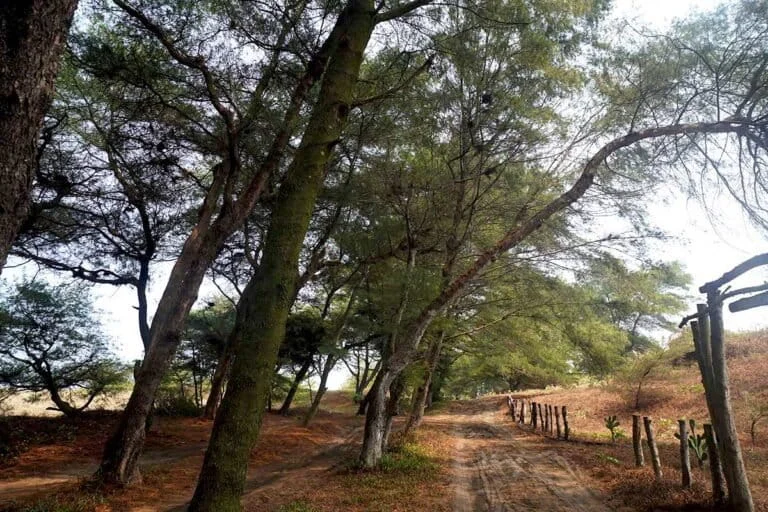
The coastal stretch of Lembupurwo Village, located in the Mirit District of Kebumen Regency, Central Java, stands today as a testament to the transformative power of ecological restoration. What was once a harsh, sun-scorched expanse of barren sand has been reclaimed by a sprawling, 70-hectare green belt dominated by the sea pine, or Casuarina equisetifolia. This initiative, spearheaded by the local farming community, has not only mitigated the severe environmental challenges inherent to coastal regions but has also revitalized the local economy, turning a neglected former river mouth into a thriving agricultural hub.
The Historical Context: From Aridity to Abundance
The current state of the landscape stands in stark contrast to its condition three decades ago. The region was historically defined by the estuary of the Wawar River. However, following a protracted and severe drought in 1992, the hydrological balance of the area shifted significantly. The estuary dried up, leaving behind vast, salt-laden sand flats. For years, the area remained a desolate, hot, and unproductive zone where the lack of vegetation left the soil vulnerable to the relentless onslaught of ocean winds.
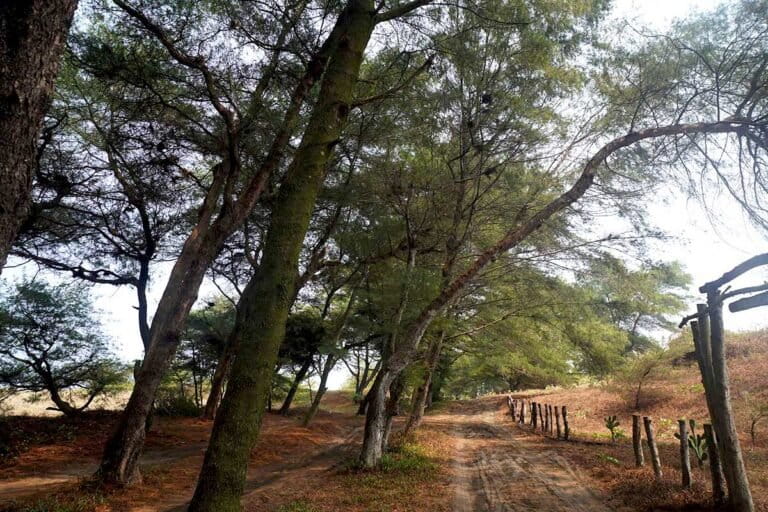
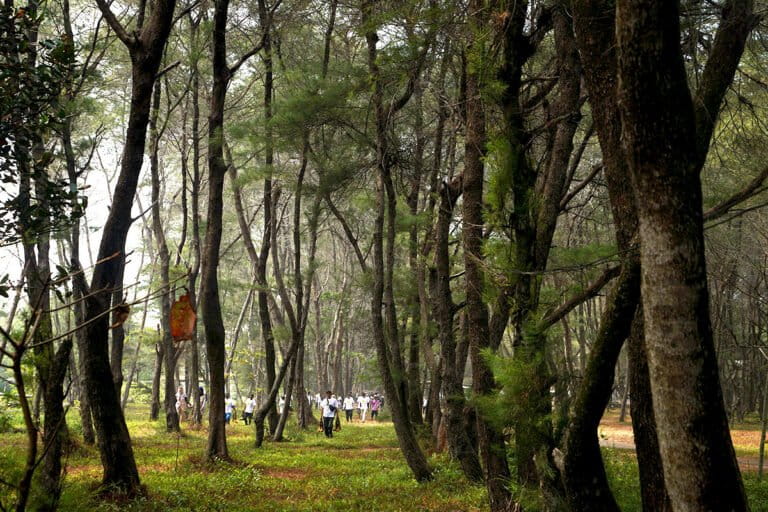
The systematic effort to reverse this degradation began in 2008. Munadi, the chairman of the Kelompok Tani Hutan (KTH) Cemara Lembupurwo—a local forestry farmers’ group—noted that the reclamation project was born out of necessity. The group, currently comprising 15 dedicated members, embarked on a long-term reforestation strategy. Today, the area comprises 50 hectares of Casuarina equisetifolia and 20 hectares of mangrove forests, creating a robust, multi-layered ecological buffer zone that separates the ocean from the inland agricultural fields.
The Science of the Green Barrier
The effectiveness of the Casuarina forest lies in its ability to modify the microclimate of the sandy coastal environment. Scientific research, most notably a 2017 study by Beny Harjadi titled "The Role of Sea Pine (Casuarina equisetifolia) in Improving Microclimate in Sandy Coastal Lands in Kebumen," highlights the profound impact of these trees on the local ecosystem.
According to Harjadi’s findings, the canopy of the Casuarina forest acts as a natural shade, reducing the intensity of direct solar radiation reaching the ground by as much as 88 percent. This dramatic reduction in light intensity translates into significantly cooler temperatures, which are essential for the survival of delicate agricultural crops.
Beyond temperature regulation, the trees serve as a physical barrier against wind-driven erosion. In unprotected coastal zones, the combination of loose sand and high-velocity salt-laden winds can be devastating. These winds act as an abrasive force that destroys the leaves of crops, while the salt content causes chemical dehydration, often leading to total crop failure. The Casuarina belt acts as a natural windbreak, slowing the speed of incoming air masses. This allows airborne sand particles to settle, effectively stabilizing the soil and creating a sheltered environment where cultivation becomes viable.
Economic Revitalization and Agricultural Shifts
The ecological restoration has had a direct and measurable impact on the livelihoods of the local farming community. Prior to the establishment of the green belt, local farmers were frequently plagued by crop failures, particularly regarding high-value horticultural and palawija (secondary food crops) varieties. The persistent salt spray and intense heat made the cultivation of sensitive crops virtually impossible.
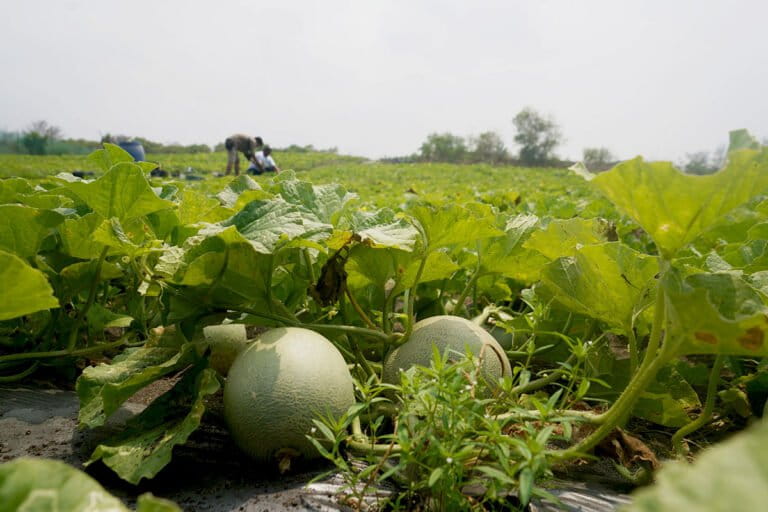
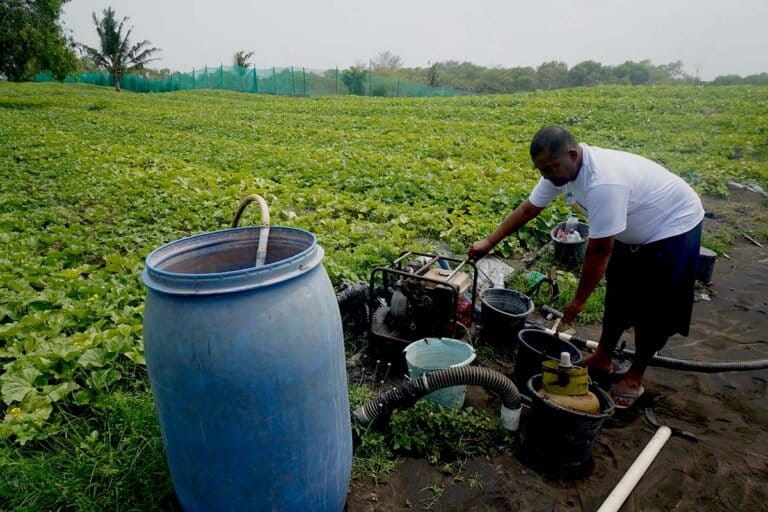
With the forest acting as a shield, farmers in Lembupurwo have successfully transitioned toward high-yield agriculture. Marsono Utomo, a local farmer who manages a one-hectare plot, reported that his land now supports the cultivation of melons. In optimal conditions, he produces up to 10 tons of melons per harvest cycle. The growth cycle for these melons spans approximately 80 days, requiring intensive irrigation during the dry season—a task now made more manageable due to the stabilized soil moisture provided by the tree canopy.
The economic diversification is evident across the village. Tumijo, another local farmer, has transitioned his 5,000-square-meter plot to papaya production. Under current conditions, he can harvest up to two tons of papaya per cycle, with the fruit reaching maturity seven months after planting. With market prices hovering around IDR 5,000 per kilogram, these crops provide a stable income stream that was previously non-existent.
Liwon, a representative of the local farming collective, emphasized the collaborative nature of this progress. "There are 15 groups operating within this area," he noted. "In a single planting season, the revenue from melon sales alone can reach IDR 50 million, though this figure fluctuates based on market demand and production volume." This shift has moved the community from subsistence-level survival to market-oriented commercial farming, significantly improving the standard of living in the Mirit District.
Broader Implications and Future Sustainability
The success in Lembupurwo serves as a replicable model for coastal management in Indonesia. The initiative demonstrates that reforestation is not merely about planting trees but about creating a holistic system that balances environmental protection with socio-economic development.
The integration of mangroves and Casuarina creates a comprehensive defense mechanism. While the Casuarina trees excel at wind and heat management in the sandy zones, the mangrove section plays a critical role in stabilizing the shoreline and preventing coastal abrasion. This dual-vegetation approach provides a resilient front against the increasing frequency of extreme weather events associated with climate change.
However, the sustainability of this project relies heavily on continuous community management. The Kelompok Tani Hutan (KTH) Cemara Lembupurwo maintains an active role in monitoring the health of the trees and ensuring that agricultural activities do not encroach upon the protective buffer. The balance between utilizing the land for profit and preserving it for protection is a delicate one, requiring ongoing dialogue and cooperation between the community and regional environmental authorities.
A Template for Coastal Adaptation
As Indonesia faces the dual challenges of rising sea levels and intensifying coastal erosion, the lessons from Kebumen are increasingly relevant. The transformation of a degraded, abandoned river mouth into a productive agricultural landscape illustrates that nature-based solutions are often the most cost-effective and sustainable methods of coastal defense.
The data presented by the 2017 Harjadi study provides a scientific foundation for what the farmers have observed empirically: that trees are more than just scenery. They are functional infrastructure. By intercepting salt spray, lowering temperatures, and arresting wind-blown sand, the Casuarina forest has enabled a permanent change in the village’s agricultural landscape.
Looking forward, the success in Lembupurwo highlights the necessity of community-led environmental governance. By empowering local farmers to take ownership of the land restoration, the project has ensured a vested interest in the long-term maintenance of the forest. This model, which bridges the gap between conservation and economic production, offers a robust framework for other coastal communities across the archipelago to follow. The green belt of Lembupurwo remains a living example of how ecological wisdom, when coupled with perseverance, can turn the tide against environmental degradation and foster a more resilient future for rural agrarian societies.









