Tyo Susilo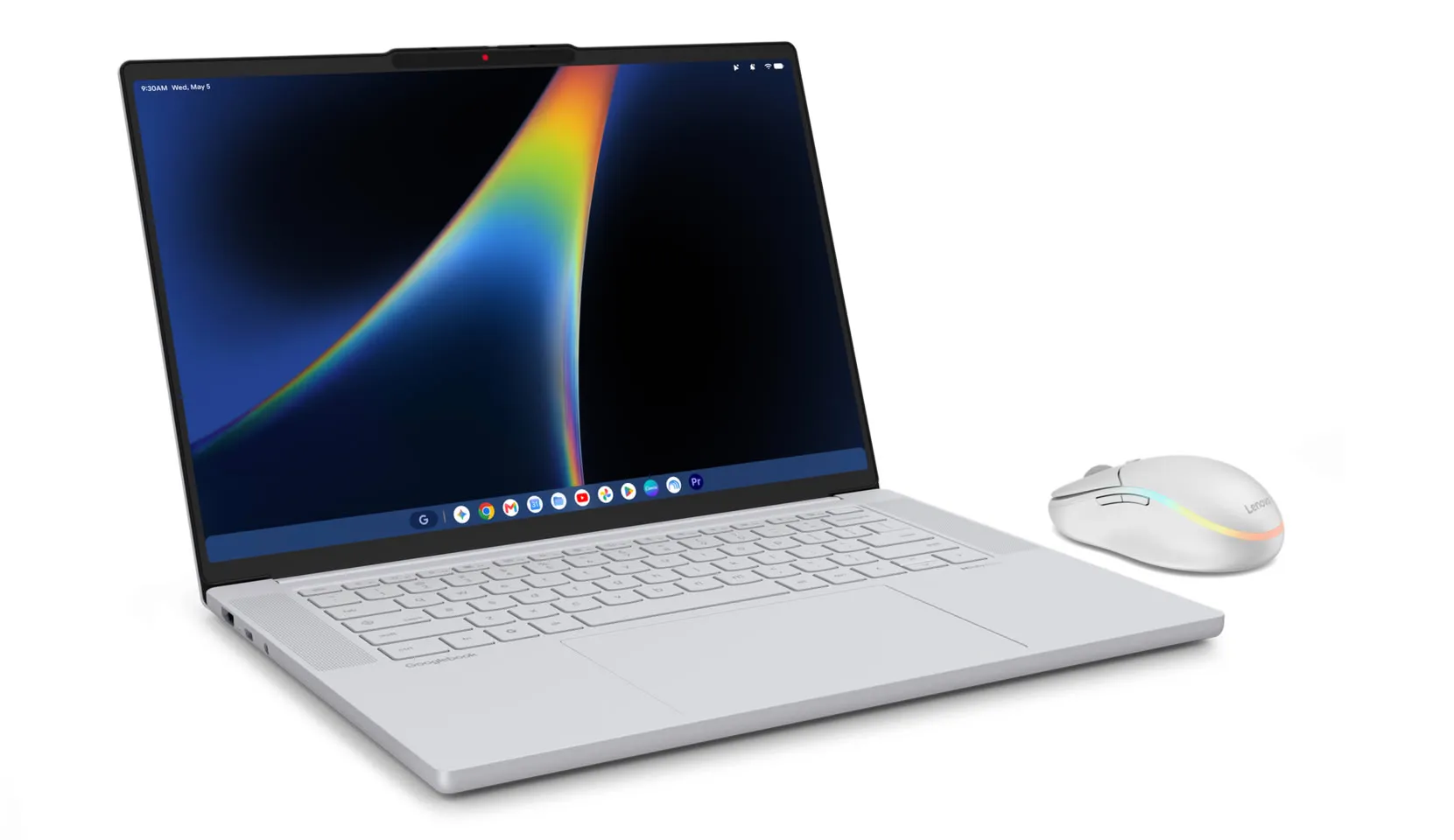
The global PC market is undergoing a structural transformation as major hardware manufacturers begin adopting next-generation operating systems designed explicitly for artificial intelligence integration. Lenovo, one of the world’s leading personal computer vendors, has officially introduced the Googlebook 15, marking its entry into the vanguard of devices powered by Googlebook OS. Designed to offer a premium AI experience housed within a remarkably slim and lightweight form factor, the newly announced laptop combines cutting-edge silicon from Intel with high-end display technology and advanced biometric security features. Scheduled to hit international shelves in October with a starting price of USD 1,099, the device represents a strategic push by Lenovo to capture the high-end productivity and creative professional segments seeking streamlined, AI-native operating environments.
Chronology and Background of the Googlebook Initiative
The emergence of Googlebook devices represents a major milestone in modern computing, born from years of collaborative software and hardware engineering aimed at bridging the gap between traditional desktop productivity and cloud-native, AI-driven environments. Development on the Googlebook OS framework intensified over the past several years as enterprise and consumer demands shifted toward deeply integrated machine learning capabilities running locally on client hardware.
Lenovo’s announcement of the Googlebook 15 follows closely on the heels of similar industry disclosures, such as competitor ASUS introducing its Googlebook 14 variant. By choosing to launch the Googlebook 15 alongside Intel’s Panther Lake processor architecture, Lenovo has positioned itself at the forefront of the technological transition scheduled for late 2026. The conceptualization of the Googlebook lineup centers on eliminating the traditional compromises between battery efficiency, computational throughput, and device portability. Engineering teams from both Lenovo and its semiconductor partners spent the better part of the past twenty-four months optimizing thermal dissipation pathways to accommodate powerful processors within chassis designs measuring under 15 millimeters in thickness.
Comprehensive Technical Specifications and Hardware Architecture
At the heart of the Lenovo Googlebook 15 is the Intel Core Ultra 5 325 processor, built on the advanced Panther Lake microarchitecture. This silicon layout utilizes an advanced multi-tile configuration designed to maximize power efficiency while dedicating substantial die space to dedicated neural processing units (NPUs). These hardware-level AI acceleration blocks enable the Googlebook OS to execute complex machine learning tasks locally, reducing latency and preserving user data privacy by processing sensitive queries on the device rather than relying entirely on cloud servers.
Display technology remains one of the primary selling points of the new laptop. The device features a 15.3-inch OLED panel boasting a crisp 2.8K resolution and full multi-touch capabilities. OLED technology ensures true blacks, infinite contrast ratios, and vibrant color reproduction that satisfies the stringent demands of content creators, photographers, and multimedia enthusiasts. Despite housing a display of this magnitude—making it one of the largest screens currently available within the Googlebook ecosystem—Lenovo’s structural engineering team managed to keep the total weight of the device down to just 1.29 kilograms. This achievement makes the Googlebook 15 the lightest 15-inch laptop within Lenovo’s current portfolio, defying the conventional industry trend where larger screen sizes inherently correlate with heavy, cumbersome chassis designs.
Memory, Storage, and Power Management
To complement the processing power of the Intel Panther Lake CPU, Lenovo has outfitted the Googlebook 15 with high-speed LPDDR5X memory options. Buyers can configure the device with either 16GB or 32GB of RAM, ensuring smooth multitasking performance even when running multiple resource-intensive applications or heavy AI-driven background services simultaneously. Storage needs are met via rapid solid-state drives available in 256GB and 512GB capacities, utilizing NVMe protocols to ensure instantaneous file transfers and rapid boot times.
Powering this hardware configuration is a robust 70Wh internal battery. Given the energy-efficient nature of the Panther Lake architecture and the self-emissive properties of the OLED panel—which consumes significantly less power when displaying dark UI elements—the 70Wh capacity is projected to deliver all-day autonomy under standard office productivity workflows. Charging and power delivery are managed through modern USB Power Delivery standards, ensuring rapid replenishment times during travel.

Multimedia, Connectivity, and Security Infrastructure
The user experience on the Googlebook 15 is further elevated by a comprehensive suite of modern peripherals and connectivity options. For audiovisual communication, the laptop incorporates a high-resolution 5-megapixel webcam equipped with a physical privacy shutter, addressing growing consumer concerns regarding digital surveillance and data security. Biometric authentication is handled via a dual-layer approach, combining a fast-responding fingerprint sensor embedded in the chassis with advanced face unlock capabilities supported by the integrated webcam’s infrared sensors.
Aesthetics and distinctive branding elements are also prominent, featuring the signature Glowbar—a characteristic design hallmark of the Googlebook product family that provides visual status indicators during AI processing tasks. Audio reproduction is managed by a quad-speaker array featuring professional-grade tuning and native support for Dolby Atmos, creating an immersive soundstage for media consumption and virtual conferencing alike.
In terms of connectivity, the Googlebook 15 leaves little to be desired. It is equipped with cutting-edge networking modules supporting Wi-Fi 7 and Bluetooth 6.0, ensuring ultra-low latency wireless connections and compatibility with next-generation routers and peripheral accessories. Physical input/output ports include dual Thunderbolt 4 ports for high-speed data transfer and external display daisy-chaining, a full-sized USB 3.2 port, an HDMI 2.0 output for legacy display compatibility, and a standard 3.5mm headphone and microphone combo jack.
Market Positioning and Pricing Strategy
Lenovo has confirmed that the Googlebook 15 will officially launch in global retail markets in October, carrying a recommended retail price starting at USD 1,099 (approximately Rp18 million based on current conversion rates, excluding regional taxes and import duties). This pricing strategy positions the laptop firmly in the upper-mid-range to premium tier, competing directly against high-end ultraportables from rival manufacturers.
While international distribution channels are set for the October rollout, official confirmation regarding availability and local pricing for the Indonesian market remains pending. Industry analysts anticipate that regional subsidiaries will announce localized release timelines in the subsequent quarters following the initial global premiere.
Broader Industry Implications and Future Outlook
The introduction of the Lenovo Googlebook 15 signals a decisive shift in how operating systems and hardware are co-developed to leverage localized artificial intelligence. By embracing Googlebook OS on high-performance Intel Panther Lake silicon, Lenovo is actively testing consumer readiness for software ecosystems that move beyond traditional Windows and macOS paradigms.
Market observers note that the success of devices like the Googlebook 15 will largely depend on the maturity and utility of the AI experiences promised by the platform. If developers and manufacturers can successfully demonstrate tangible productivity gains—such as automated workflow management, real-time contextual assistance, and enhanced cross-device synchronization—devices featuring lightweight OLED displays paired with advanced NPUs could rapidly transition from niche tech enthusiast products into mainstream enterprise standards. For now, the Lenovo Googlebook 15 stands as a compelling technical showcase of what modern laptop engineering can achieve when prioritizing ultra-slim portability without compromising display acreage or processing muscle.