
 Lusiana Hamidun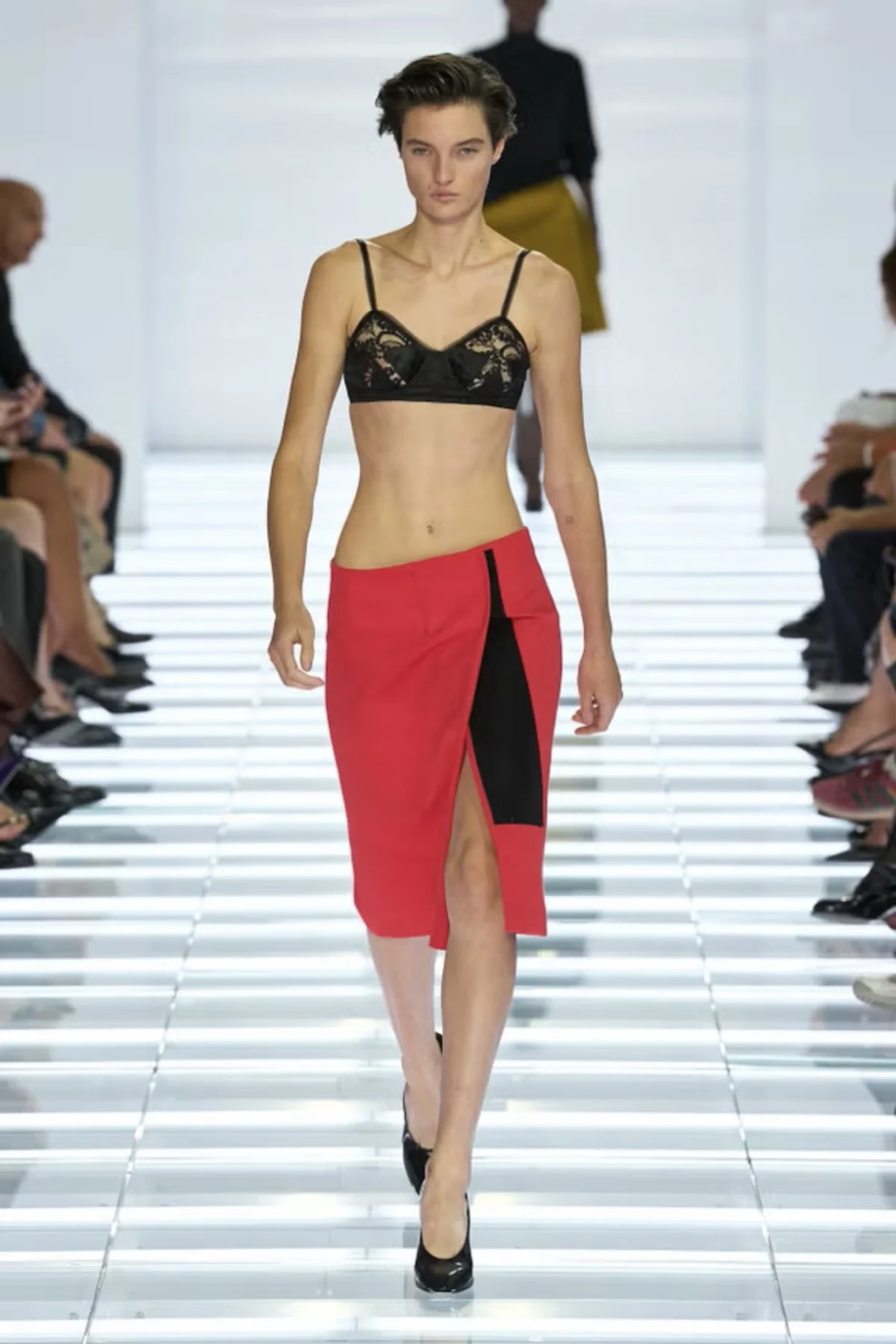
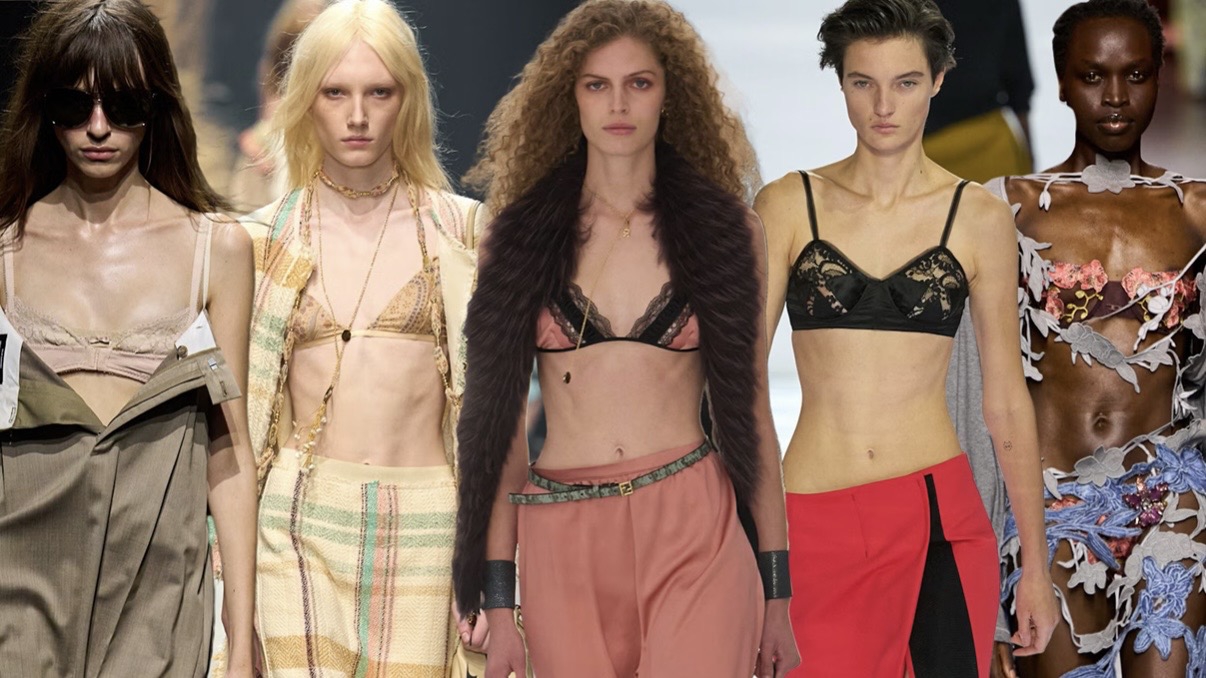
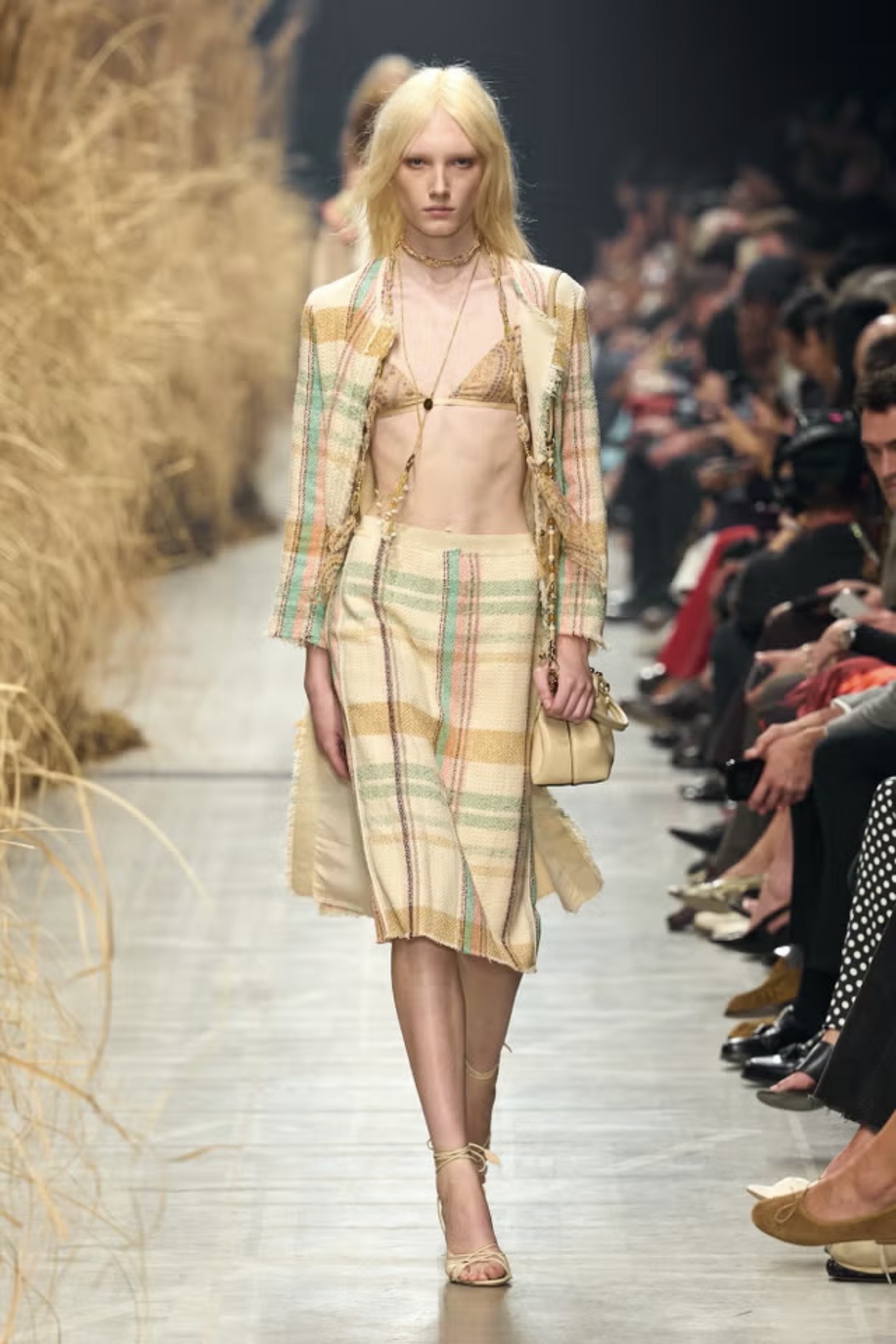
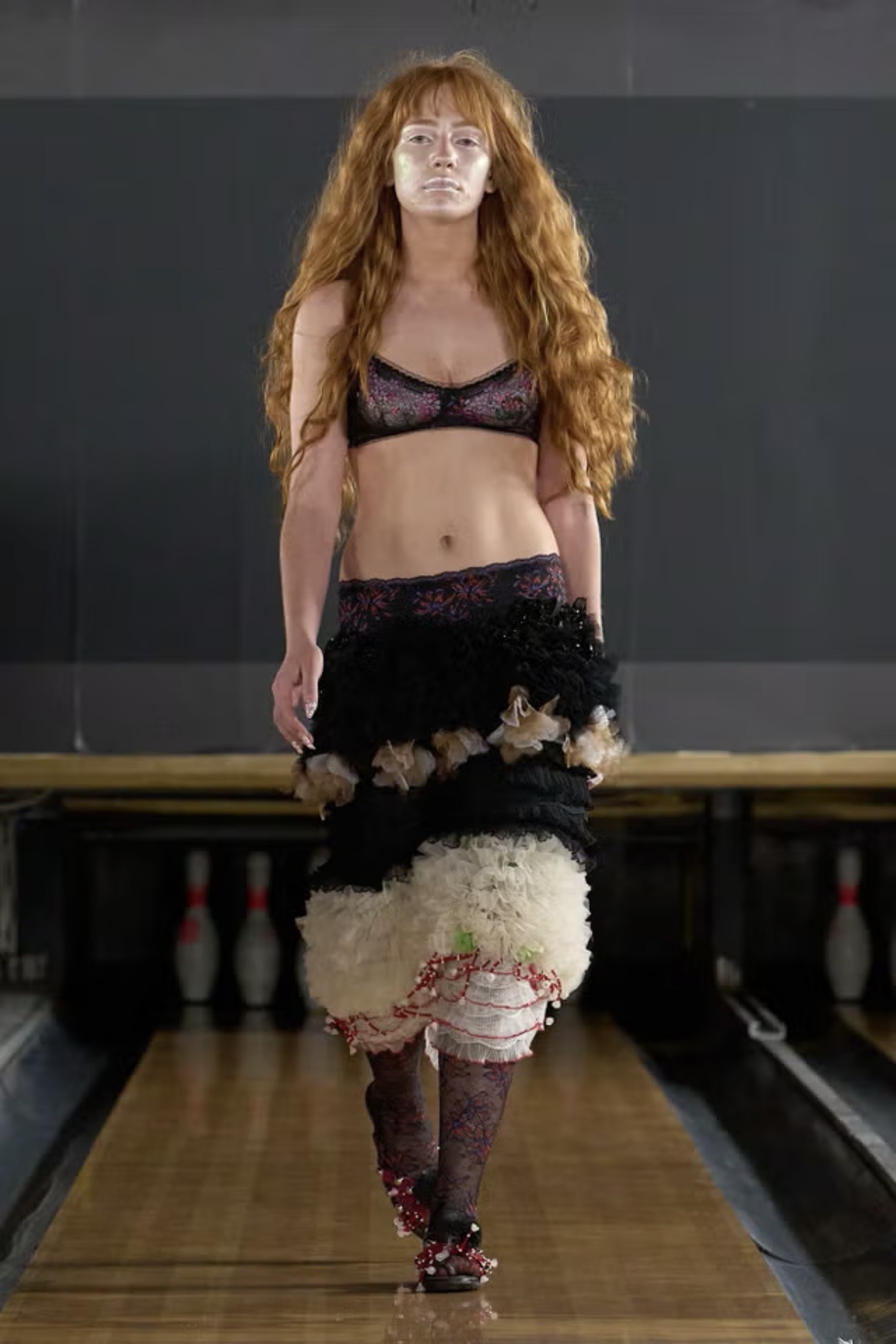
The fashion landscape for Spring 2027 has officially shifted its focus toward the intimate, elevating the utilitarian undergarment into the centerpiece of contemporary luxury attire. Across the global fashion capitals—Milan, London, and New York—designers have collectively moved away from the concept of the "hidden" garment, instead positioning the exposed bra as a primary architectural element of the modern wardrobe. This trend, which dominated the runways of the most prestigious fashion houses, marks a significant departure from traditional sartorial norms, prioritizing a dialogue between the body, its coverings, and the evolution of personal expression.
The Rise of the Exposed Silhouette in Milan
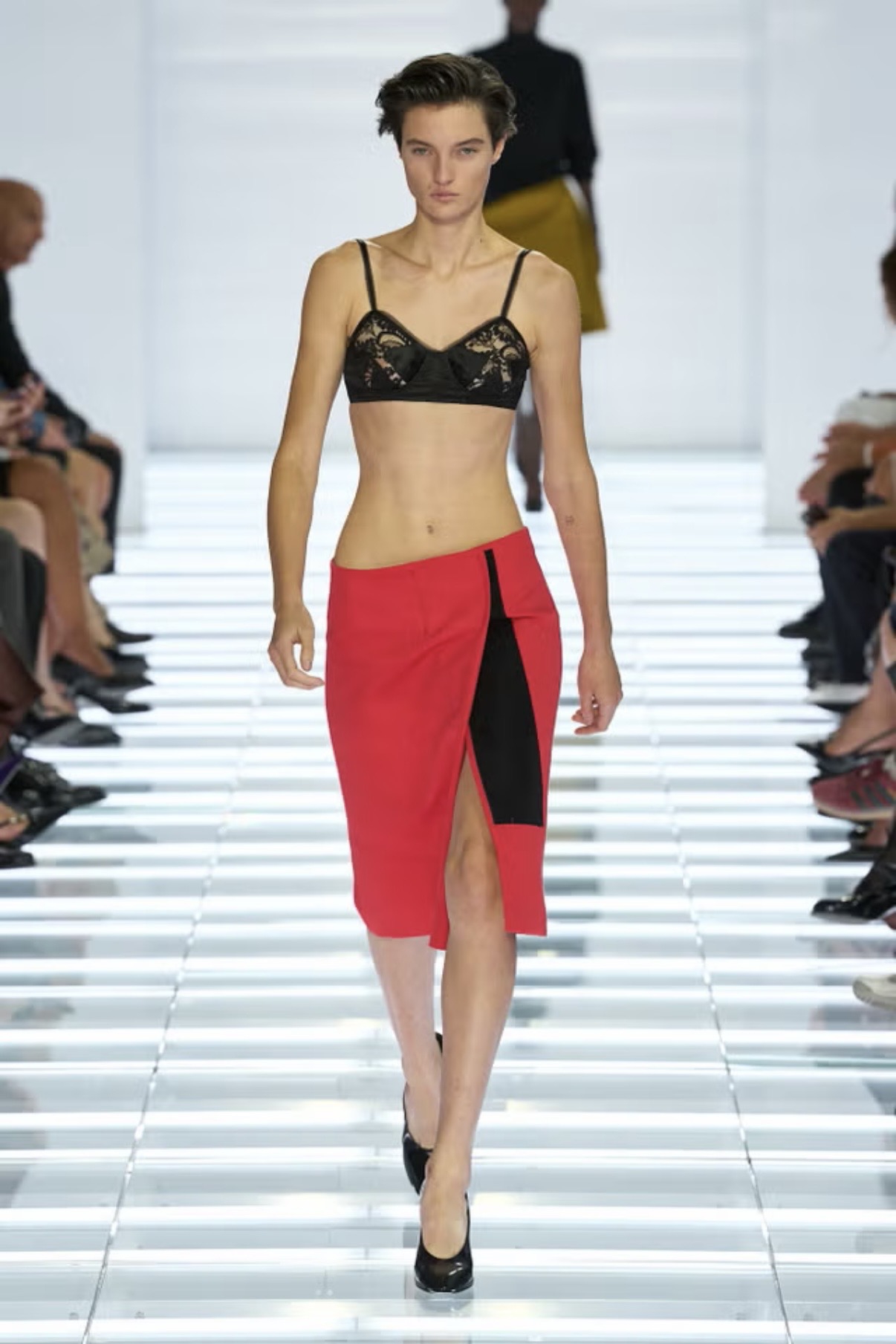
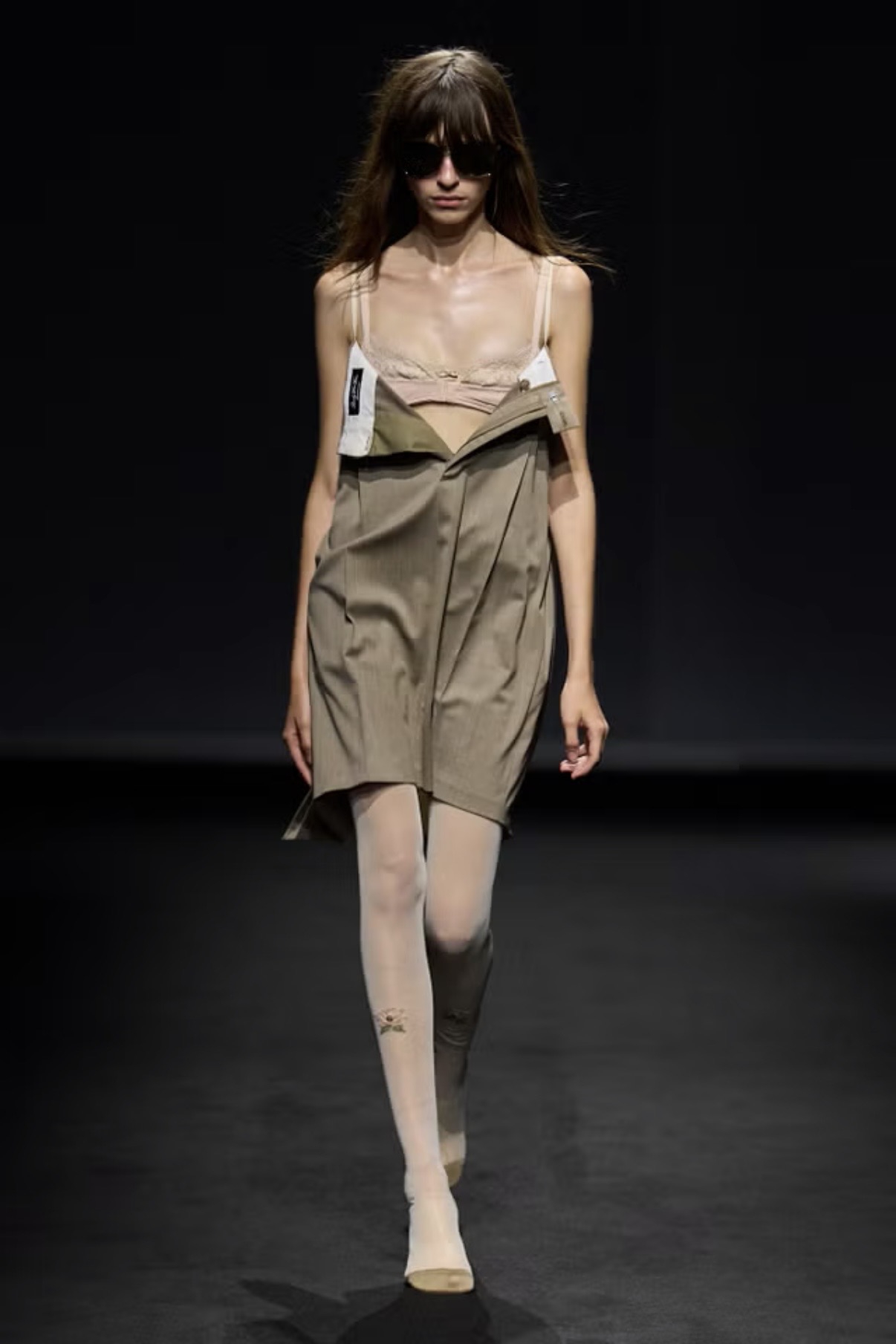
Milan Fashion Week served as the epicenter for this stylistic pivot. At Prada, the Spring 2027 collection stripped away layers to reveal a raw, intentional minimalism. Miuccia Prada and Raf Simons, in a display of structural mastery, focused heavily on the skirt as the collection’s anchor. To ensure the fluid, feminine drapery of these skirts remained the focal point, the design duo opted to simplify the upper half of the silhouette, often relying solely on a retro-inspired, balconette-style silk bra embellished with delicate lace inserts.
This design choice was not merely an aesthetic preference but a technical statement. By minimizing the top half, the designers forced the audience to reconsider the proportions of the female form. The runway, featuring 63 distinct looks, consistently utilized the bra as an essential framing device rather than a decorative afterthought.
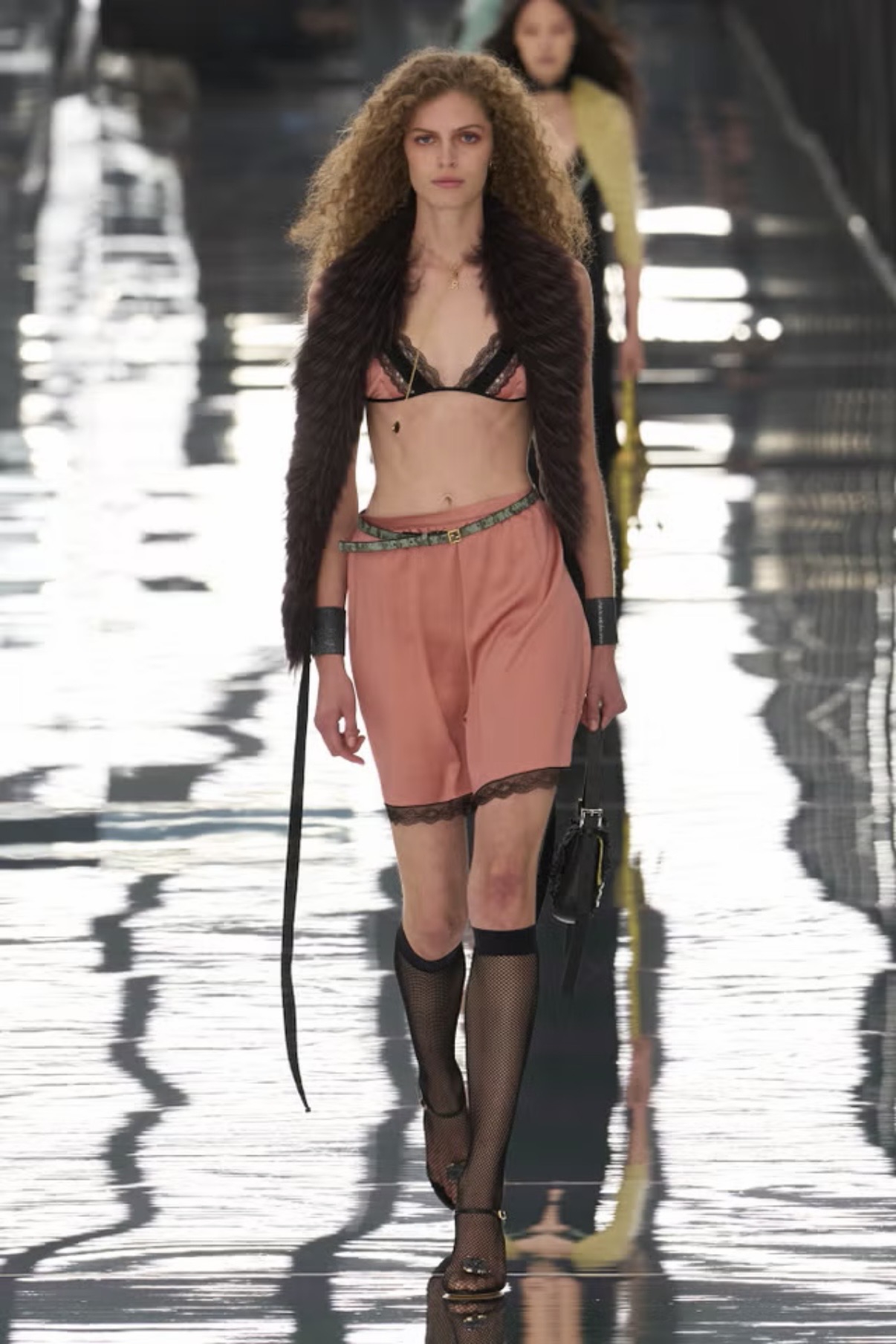
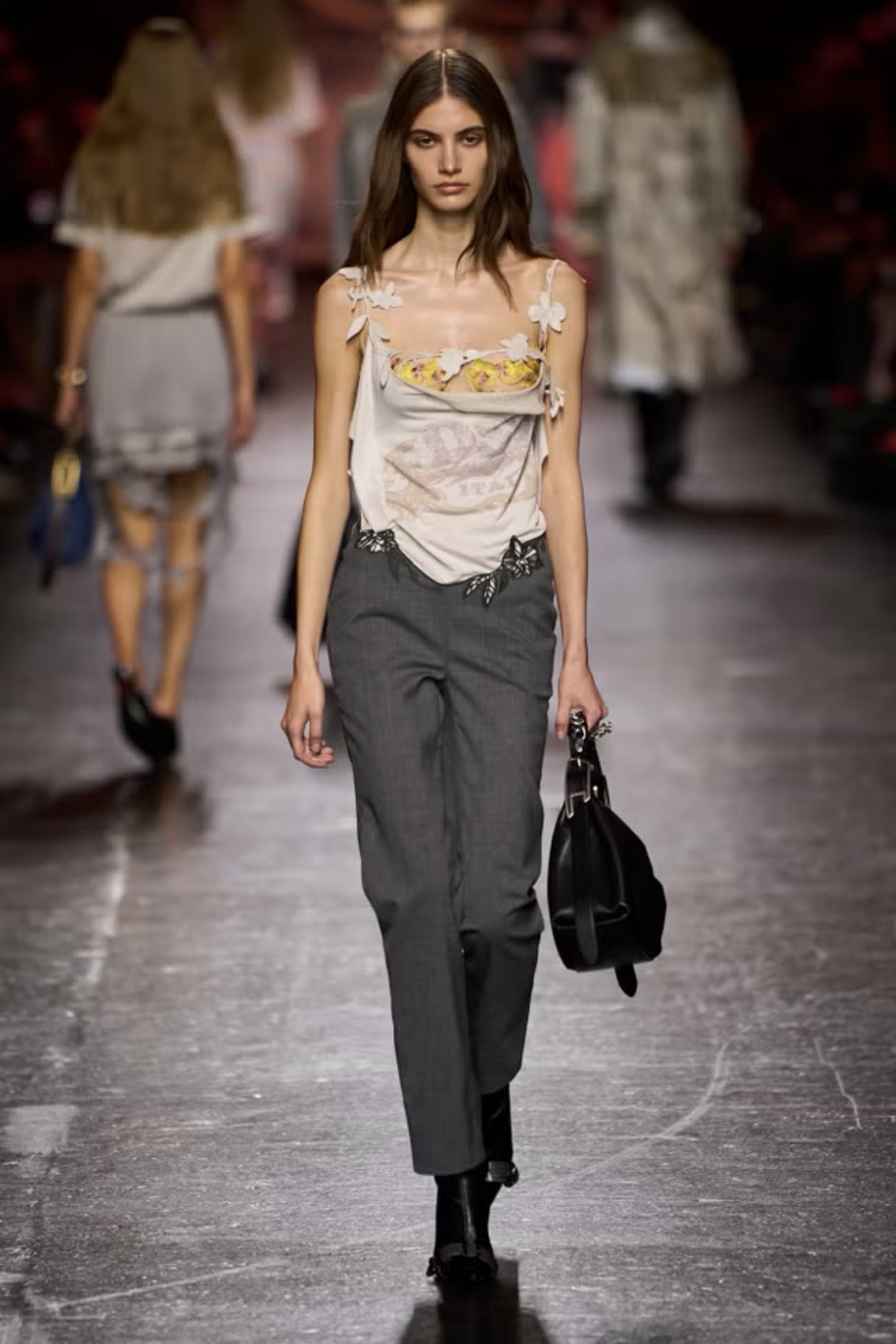
Fendi followed this narrative with a different texture and intent. Maria Grazia Chiuri’s latest collection explored the tension between what is displayed and what is obscured. Her interpretation saw satin and lace bralettes paired with tap pants, complemented by layered stoles, fishnet knee-high stockings, and towering heels. The layering was purposeful, suggesting that the bra is no longer a foundational garment to be hidden but a legitimate piece of outerwear that functions within a larger, more complex outfit.
A Global Phenomenon: From New York to London
The trend quickly transcended the borders of Italy, finding resonance in the high-fashion districts of London and New York. In London, McQueen leaned into the romantic, utilizing drapery-heavy satin dresses with low-cut necklines that intentionally exposed balconette bras. The effect was one of calculated vulnerability, juxtaposing the soft lace of the undergarment against the sharp, architectural cuts of the gown.
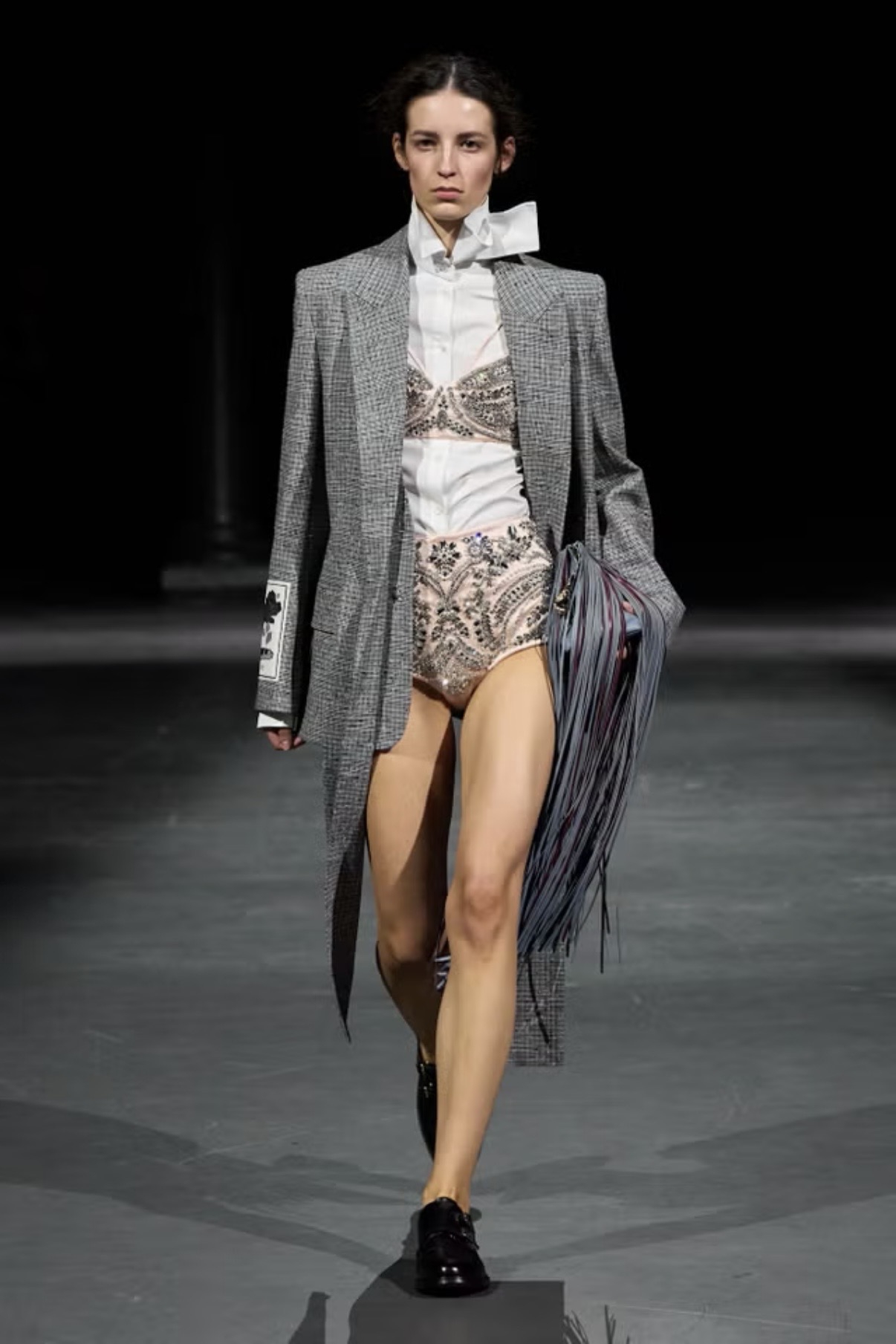
Erdem offered a more conservative yet equally pointed interpretation, styling bras beneath structured blazers and over crisp, tuxedo-style shirts. This layering technique effectively challenged the traditional rigidity of power dressing, introducing an element of softness to otherwise stern professional attire. Meanwhile, Chopova Lowena leaned into its characteristic punk-inspired aesthetic, presenting bras as standalone pieces to ensure that the volume of their signature skirt silhouettes remained uninterrupted.
In New York, the approach was equally assertive. Khaite opened its show with a striking look featuring Kaia Gerber in a sharp, leather pencil skirt and a meticulously crafted bra, signaling that the trend is as much about modern corporate elegance as it is about evening wear. Altuzarra provided a more subtle, everyday approach, allowing hints of lingerie to emerge from beneath button-down shirts and open dresses, bridging the gap between high-concept runway fashion and wearable street style.
Historical Context and Design Evolution
To understand the significance of the 2027 exposed bra trend, one must look at the historical trajectory of lingerie as fashion. The silhouettes dominating the Spring 2027 season are heavily influenced by the 1930s balconette style. During this era, the balconette was designed to lift and shape the bust, creating a distinct, rounded silhouette that was considered the height of femininity.
Designers today are deconstructing this historical reference point. Unlike the 1930s, where such garments were strictly concealed beneath layers of outer clothing, the current iteration places these pieces in dialogue with modern tailoring. By pairing a vintage-inspired silk bra with a deconstructed, modern tailored suit or a wrap skirt, designers are engaging in a process of historical revisionism. They are stripping away the "taboo" associated with lingerie while retaining the craftsmanship—the lace, the crystals, and the intricate stitching—that characterizes high-end undergarments.
Socio-Cultural Implications and The Body
The industry’s shift toward the visible bra reflects broader changes in the perception of the female body. Historically, the bra has been a symbol of both support and constraint, a garment designed to meet specific societal expectations of modesty. By bringing the bra into the public sphere as an intentional fashion choice, designers are essentially reclaiming the garment from its role as a "hidden" necessity.
Fashion historians note that this transition is indicative of the growing trend toward "undressing" in luxury fashion. Much like the "naked dress" phenomenon of previous seasons, the exposed bra represents a move toward transparency. It is a calculated decision that balances professional appearance with personal agency. The modern woman, as portrayed by these runways, is no longer constrained by the binary of "private" versus "public" clothing.
Market Analysis: Why Now?
Retail analysts suggest that the rise of the exposed bra is partly a response to the "quiet luxury" movement that dominated 2025 and 2026. After several seasons of monochromatic, minimalist, and intentionally modest clothing, the industry appears to be craving a return to tactile, sensual detail.
The economic implications are significant. By elevating the status of lingerie, luxury houses are opening new revenue streams. The distinction between "lingerie" and "ready-to-wear" is becoming increasingly blurred, allowing brands to market high-end undergarments as primary clothing items. This requires a higher level of construction and material quality, justifying higher price points and encouraging a more curated approach to dressing.
Professional Perspectives and Industry Reactions
While the trend has been met with excitement from fashion critics, it has also sparked discourse regarding the accessibility of such a look. "The challenge for the consumer is the transition from the runway to the sidewalk," notes one lead stylist based in Milan. "While it looks effortless on a model, the styling of the exposed bra requires a high level of confidence and an understanding of balance. It is not merely about wearing a bra; it is about the architecture of the entire outfit."
Furthermore, the inclusion of the trend by major houses like Prada and Fendi suggests that it is not merely a passing fad but a strategic move toward a more liberated approach to design. Industry insiders suggest that the 2027 season will be remembered for its willingness to challenge the comfort zones of traditional retail.
Future Outlook
As we move further into the 2027 season, the influence of the exposed bra is expected to permeate mass-market fashion. Following the patterns observed during previous high-fashion trends, retailers are likely to adapt these high-end, lace-heavy designs into more durable, everyday materials.
The broader impact on the industry is clear: the era of the strictly functional undergarment is ending. The bra is transitioning into a core component of the sartorial toolkit, standing alongside the blazer, the trouser, and the dress as a foundation of style. Whether styled as a subtle hint beneath a jacket or as the main focal point of an ensemble, the exposed bra is the defining aesthetic of the Spring 2027 season. It is a testament to the industry’s ongoing evolution, proving that the most powerful fashion statements are often those that redefine the boundaries between the hidden and the revealed.








