Bambang Pamungkas
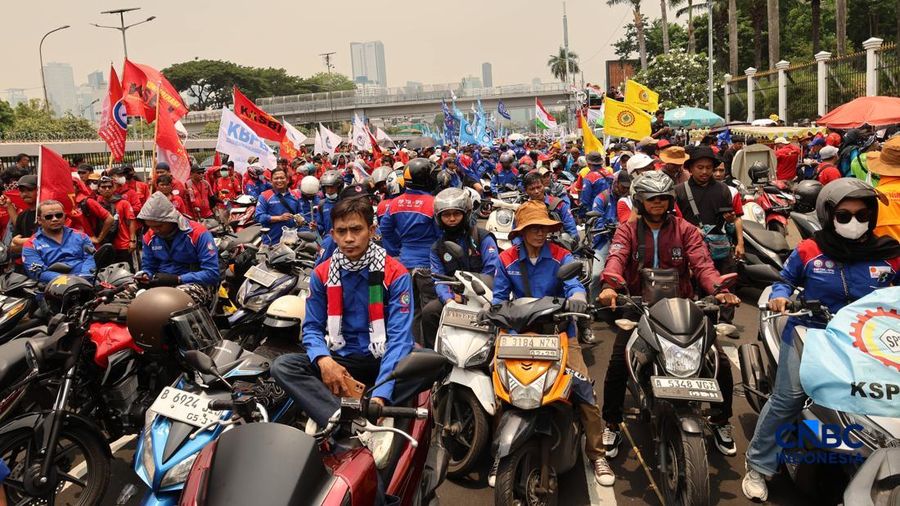
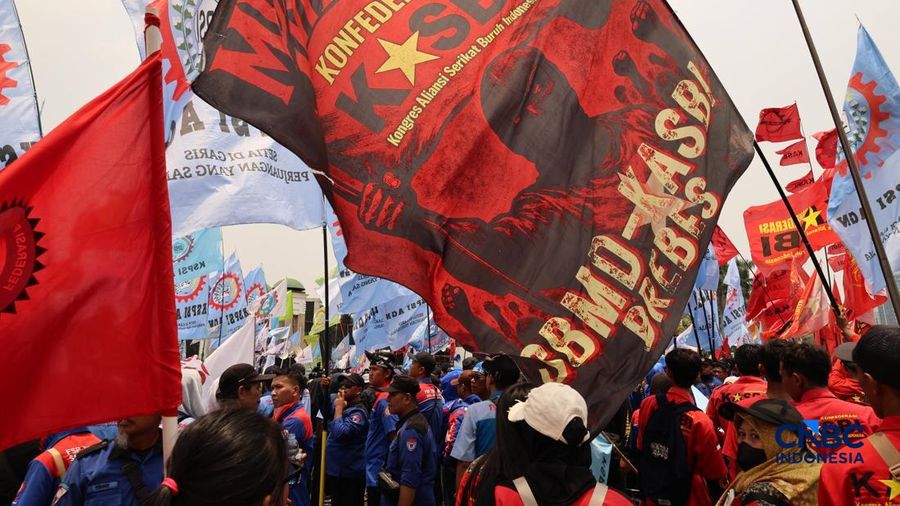
Jakarta — The vicinity of the MPR/DPR RI building along Jalan Gatot Subroto in Central Jakarta transformed into a sea of red, black, and blue on Tuesday, October 6, 2026. Thousands of workers representing various labor unions and confederations converged on the legislative complex to stage a massive demonstration. The mobilization coincided with a pivotal moment inside the parliament: the convening of the 9th Plenary Meeting of the First Session of the 2026–2027 parliamentary year. The primary agenda of this high-stakes legislative session was the second-stage reading and ultimate decision-making regarding the ratification of the Manpower Protection Bill (RUU Pelindungan Ketenagakerjaan).
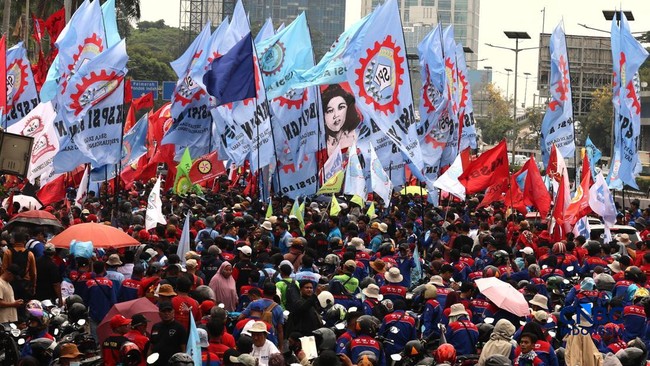
As early as 11:30 AM local time, traffic around the parliamentary complex ground to a virtual halt as the demonstrators occupied the thoroughfares. Law enforcement and traffic authorities swiftly deployed personnel to manage the security apparatus and issued urgent public advisories urging motorists and commuters to bypass the Jalan Gatot Subroto corridor and surrounding areas to avoid severe congestion. The arrival of the protesters marked the culmination of weeks of rising industrial tensions and intense negotiations between labor representatives, the executive branch, and the legislature.
Chronology of the Legislative Process and Industrial Mobilization
The pathway leading to the October 6 showdown at the parliamentary gates was marked by accelerated legislative maneuvering. Just a day prior, on Monday, October 5, 2026, the central government and House Commission IX officially concluded the first-stage discussions concerning the Manpower Protection Bill. During this crucial committee-level meeting, Minister of Manpower Yassierli formally announced the government’s official stance, declaring that the administration accepted the bill and endorsed its advancement to the plenary session for final legal enactment.
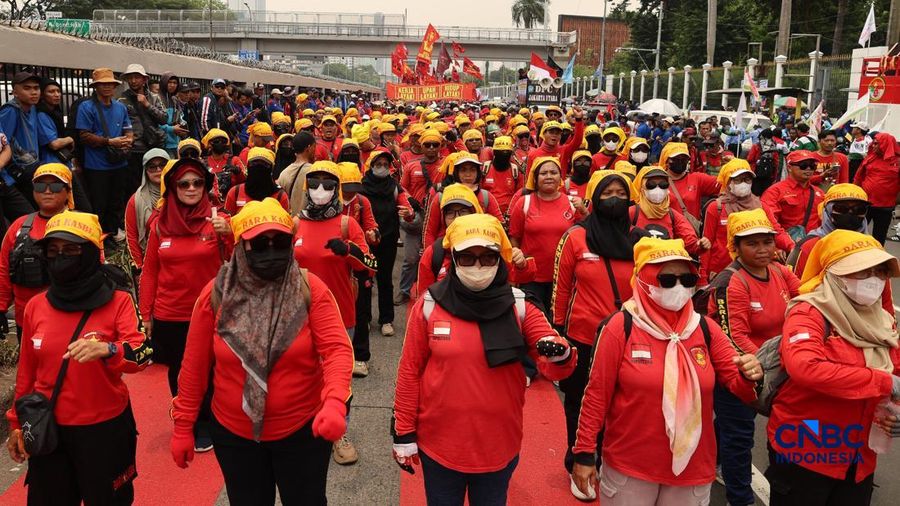
Despite the government’s endorsement, the swift progression of the bill triggered widespread apprehension among labor organizations. Union leaders argued that despite executive assurances, several critical clauses concerning workers’ rights, job security, severance guarantees, and protections for contract workers required more thorough public scrutiny and worker representation. Consequently, labor confederations mobilized their grassroots networks, resulting in the massive coordinated turnout witnessed on Tuesday. By mid-morning, union members hailing not only from the capital city of Jakarta but also from neighboring industrial hubs across Banten and West Java had successfully blanketed the perimeter of the DPR complex, demanding that their voices be heard inside the legislative chamber.
Demographics and Scale of the Labor Mobilization
The demonstration was characterized by a high degree of organization among various labor factions, visually distinguished by their respective organizational colors—predominantly red, black, and blue. According to Sunarno, the General Chairperson of the Congress of the Indonesian Labour Unions Alliance (KASBI), the participants represented a broad cross-section of the nation’s workforce. Workers poured in from major manufacturing and industrial zones in Jakarta, Tangerang, Bekasi, Bogor, and Karawang.
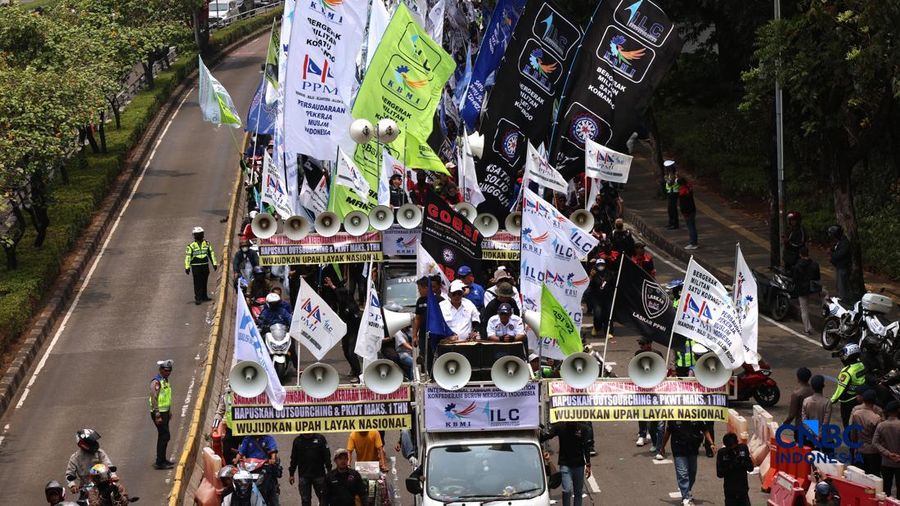
The convergence of these diverse labor elements underscored the widespread anxiety permeating the Indonesian workforce regarding the implications of the new legislation. While the state framed the Manpower Protection Bill as a progressive step toward modernizing labor standards and enhancing worker welfare, labor leaders remained deeply skeptical. The unions contended that legislative speed should not come at the expense of substantive protections against outsourcing abuses, arbitrary termination, and inadequate wage safety nets. The sheer volume of the turnout served as a powerful physical manifestation of the labor sector’s collective discontent with how the legislative process had been handled.
Official Responses and Government Stance
Inside the legislative building, proceedings moved forward amidst the chants and speeches echoing from the streets outside. Minister of Manpower Yassierli maintained that the Manpower Protection Bill was designed to establish a balanced regulatory framework capable of protecting workers while maintaining a conducive climate for investment and economic growth. The Ministry maintained that the legislation addressed numerous long-standing grievances in the Indonesian labor market, offering structured avenues for dispute resolution and standardized safeguards for formal and informal workers alike.
However, the disconnect between the official narrative presented by state officials and the realities experienced on the shop floor remained a central point of contention. Labor leaders asserted that despite superficial consultations, the final draft failed to incorporate key amendments proposed by grassroots unions. The government’s insistence on fast-tracking the bill through the parliamentary mechanism was perceived by the workforce as an attempt to bypass meaningful democratic deliberation on issues vital to the livelihood of millions of Indonesian families.
Broader Socio-Economic Implications and Future Outlook
The ratification of the Manpower Protection Bill and the corresponding street protests carry significant implications for Indonesia’s socio-economic and political landscape. From an economic perspective, labor stability is a cornerstone of investor confidence. Protracted industrial unrest, strikes, and large-scale demonstrations have the potential to disrupt supply chains, particularly in dense industrial corridors surrounding Jakarta. Conversely, failure to adequately protect labor rights risks exacerbating income inequality, social unrest, and dissatisfaction among the working class—a demographic that forms the backbone of the domestic economy.
From a regulatory standpoint, the enactment of this law sets a precedent for how future labor reforms will be negotiated between the state, capital owners, and labor unions. The events of October 6, 2026, highlighted the ongoing structural tensions within Indonesia’s industrial relations framework. As the dust settles on the parliamentary decision and the protests disperse, the true test of the new legislation will lie in its implementation. Moving forward, the effectiveness of the Manpower Protection Bill will be measured by its ability to genuinely safeguard workers’ welfare without stifling economic dynamism, a delicate balance that will undoubtedly remain at the forefront of Indonesia’s national discourse for the foreseeable future.