
 Nila Kartika Wati
Komodo (Varanus komodoensis), the world’s largest lizard and an apex predator often referred to as the last dragon on Earth, faces a precarious future as its endemic habitat in East Nusa Tenggara, Indonesia, confronts a convergence of climate change, human-wildlife conflict, and the pressures of mass tourism. Despite their status as a cultural icon and a vital part of the global biological heritage, these ancient reptiles—found exclusively on the islands of Komodo, Rinca, Nusa Kode, Gili Motang, and Flores—are teetering on the edge of a survival crisis. While their population figures have fluctuated between approximately 2,800 and 3,400 individuals over the last decade, their status as an "Endangered" species on the IUCN Red List, designated in 2021, underscores the fragility of their existence in an era of rapid environmental and anthropogenic change.
A Legacy of Coexistence and Modern Challenges
For centuries, the Ata Modo, the indigenous inhabitants of Komodo Island, have maintained a profound cultural relationship with the dragons. Traditionally viewing the species as "kin" born from the same womb, the local community has historically practiced a form of cultural conservation that allowed humans and the formidable reptiles to coexist. However, this delicate equilibrium is being strained by modern economic demands.
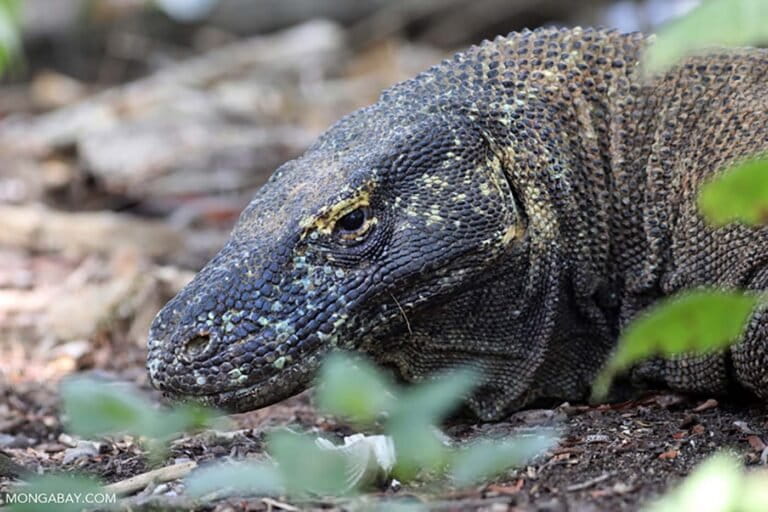
Data from the Komodo National Park authorities reveals a volatile population trajectory. Between 2018 and 2024, the census recorded a peak of 3,396 individuals in 2023, followed by a slight decline to 3,270 in 2024. While these fluctuations are often attributed to natural cycles of prey availability and environmental conditions, the underlying trend suggests that the species is becoming increasingly sensitive to external disturbances.
The Looming Threat of Climate Change
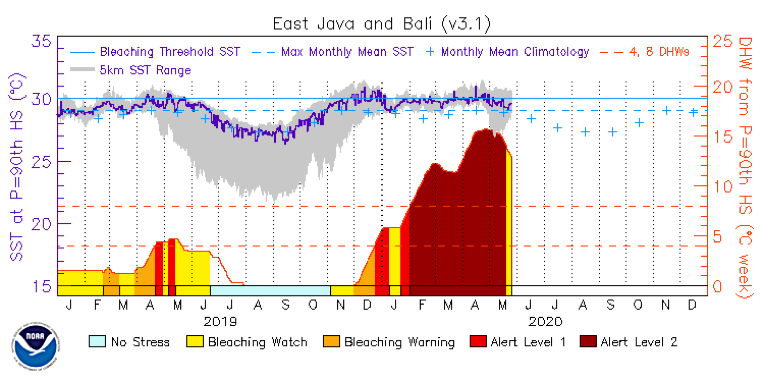
The World Heritage Outlook 2025 highlights the catastrophic potential of climate change on the Komodo’s habitat. Rising global temperatures and sea levels present a dual threat: the direct loss of terrestrial living space on small islands and the degradation of the surrounding marine ecosystems that support the broader food web.
According to reports from the National Oceanic and Atmospheric Administration (NOAA), global mean sea levels have risen by 21 to 24 centimeters since 1880. For the Komodo dragon, an animal that relies on specific microclimates for breeding, thermoregulation, and hunting, this trend is ominous. The IUCN estimates that up to 30% of the dragon’s current habitat could be lost over the next 45 years due to rising seas and thermal shifts. Furthermore, as temperatures rise, the risk of wildfires in the tropical savannas and forests that serve as the dragon’s primary hunting grounds increases, potentially stripping the landscape of both shelter and essential prey species like the Timor deer.
The Crisis of Illegal Trafficking
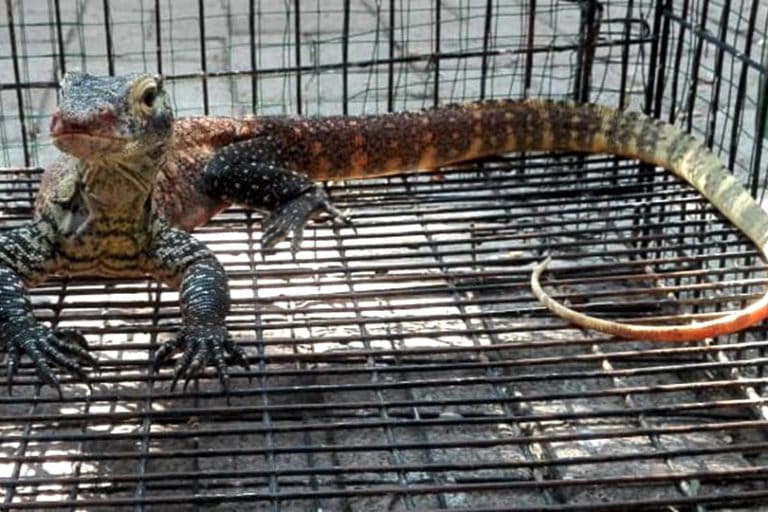
Beyond environmental factors, the species is under direct assault from organized wildlife crime. Recent investigative reports from the East Java Regional Police reveal a disturbing uptick in the smuggling of Komodo dragons. Between January 2025 and February 2026, authorities intercepted 17 juvenile Komodo dragons destined for the international black market.
The modus operandi of these criminal syndicates has become increasingly sophisticated. Smugglers have been known to use PVC pipes to conceal juvenile dragons during transport, often leveraging social media platforms to facilitate sales. In 2019, a major sting operation dismantled a network that had allegedly trafficked at least 40 dragons. Adhi Nurul Hadi, head of the East Nusa Tenggara Natural Resources Conservation Agency (BBKSDA), points to the extreme profit margins as the primary driver: a single juvenile dragon can fetch upwards of 500 million Indonesian Rupiah (approximately $32,000 USD) in illicit markets, such as those in Thailand. The limited number of rangers and the vast, rugged terrain of the park make consistent surveillance a logistical nightmare, allowing poachers to exploit the gaps in protection.
Tourism Infrastructure and the "Jurassic Park" Controversy
Perhaps the most contentious issue surrounding the survival of the species is the government’s push to transform the Komodo National Park into a "super-priority" national tourism destination. Since 2021, the development of luxury infrastructure—including the controversial project often referred to by critics as the "Jurassic Park" site in Loh Buaya—has drawn intense scrutiny from conservationists and UNESCO.
Critics, including the environmental NGO WALHI, argue that the construction of modern facilities in the heart of a sensitive habitat has begun to alter the behavior of the dragons. Yuvensius Stefanus Nonga, a deputy for WALHI in East Nusa Tenggara, has noted that human encroachment and the noise associated with construction may be forcing the dragons to change their traditional movement patterns. Furthermore, the leasing of 274 hectares of land on Padar Island to private entities for ecotourism purposes has raised concerns about the fragmentation of territory. UNESCO has repeatedly urged the Indonesian government to suspend major infrastructure projects until comprehensive environmental impact assessments (EIA) are reviewed by independent bodies like the IUCN, warning that the "Outstanding Universal Value" of the site is at risk.
Escalating Human-Wildlife Conflict
As habitats shrink and human presence within the park increases, the frequency of encounters between humans and Komodo dragons has surged. Data from the Komodo National Park indicates that between 1974 and 2023, there were 36 documented cases of dragon bites on humans, resulting in five fatalities.
These incidents often stem from the intersection of human activity and the dragon’s natural instinct to scavenge. Sidiq, a resident of Komodo village, notes that the presence of drying fish and household food waste often attracts dragons into residential areas, leading to unwanted confrontations. Biologically, the dragon’s population is tethered to the health of its prey base—rusa deer, water buffalo, and wild boar. As land is cleared or degraded, these prey animals migrate or decline, leaving the dragons hungrier and more prone to wandering into human settlements. Additionally, competition with invasive species such as feral dogs and the common water monitor (Varanus salvator) puts further pressure on the dragons’ resources.

Implications and the Path Forward
The survival of the Komodo dragon is not merely a matter of preventing poaching or managing tourism; it is a complex "One Health" challenge. The health of the animal is inextricably linked to the health of its environment and the socioeconomic stability of the local people. If the ecosystem degrades, the predators will inevitably move closer to human populations, increasing the risk of conflict and zoonotic disease transmission.
To secure the future of the "last dragon," several experts advocate for a more integrated management approach. This includes:
- Enhanced Surveillance: Utilizing satellite tracking and drone technology to monitor poaching hotspots in real-time.
- Community-Based Conservation: Empowering the Ata Modo to take the lead in stewardship, ensuring they benefit from conservation efforts rather than being displaced by commercial tourism.
- Rigorous Environmental Safeguards: Adhering strictly to international standards for infrastructure development, ensuring that any tourism project prioritizes the biological integrity of the islands over rapid economic gain.
- Climate Resilience Planning: Establishing corridors and protected zones that allow for the migration of prey species as the climate changes.
The international community watches with concern as Indonesia grapples with the challenge of balancing its role as a steward of a global treasure with its aspirations for economic development. The Komodo dragon has survived for millions of years, adapting to geological and environmental shifts that have long since claimed other prehistoric species. Whether it can survive the pressures of the 21st century—defined by a crowded planet and a rapidly warming atmosphere—will depend on whether the strategies implemented today are guided by rigorous science or the temporary demands of a booming tourism industry. The loss of the Komodo dragon would not only be a blow to Indonesian heritage but an irreversible erasure of a unique evolutionary chapter in the history of life on Earth.









