
 Nila Kartika Wati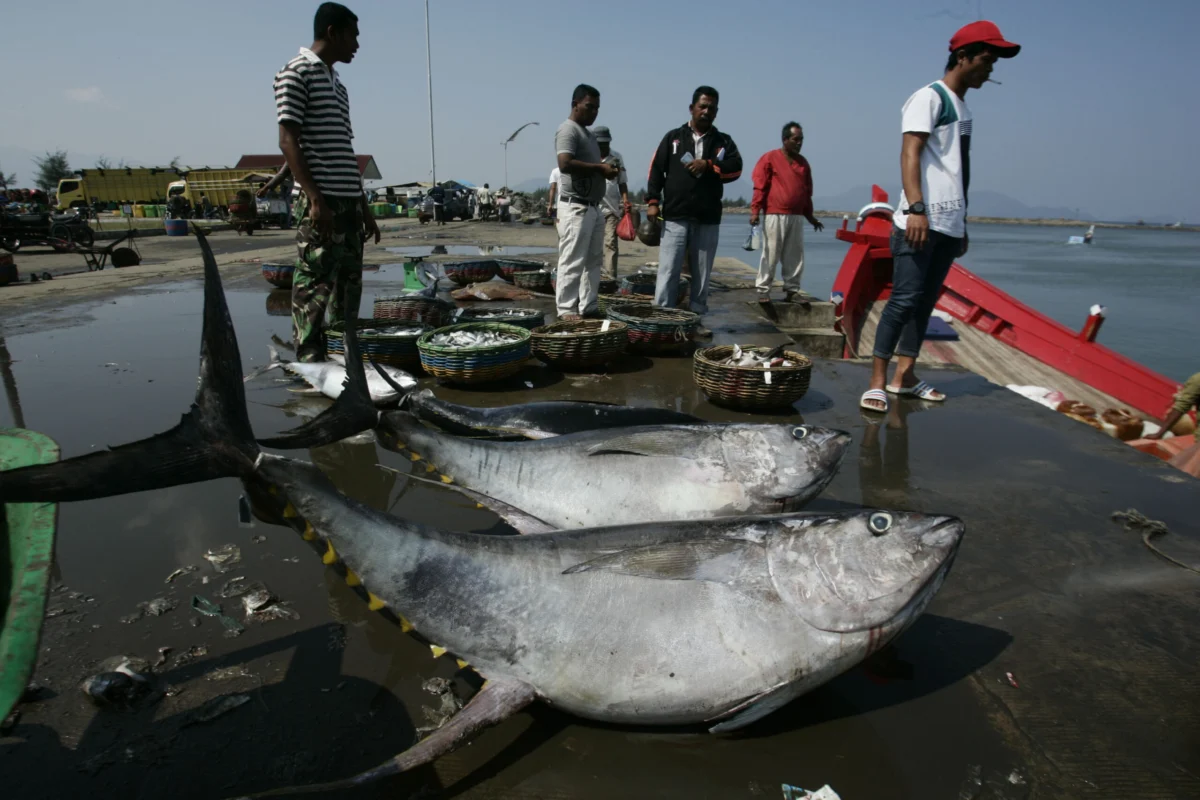
The Arafura Sea, designated as Fisheries Management Area (WPP) 718, stands as one of the most prolific marine ecosystems in the world. Yet, for the local fishers of the Aru Islands, this vast expanse of blue represents a cruel paradox: they reside at the heart of Indonesia’s richest fishing ground while remaining marginalized by a lack of infrastructure, technology, and formal social safety nets. As large-scale vessels—both domestic and foreign—extract immense volumes of shrimp, snapper, and grouper, the local traditional fishers are often relegated to the role of spectators, watching their livelihoods dwindle as their waters are harvested by industrial fleets.
The Scale of Illegal Extraction and Regulatory Enforcement
The economic and ecological health of the Arafura Sea has been under constant strain from illegal, unreported, and unregulated (IUU) fishing. Throughout 2024, the Indonesian Ministry of Marine Affairs and Fisheries (KKP) intensified its maritime patrols, leading to the apprehension of 240 vessels engaged in unauthorized fishing activities. Among these, 30 were identified as foreign-flagged ships, underscoring the persistent challenge of maintaining sovereignty over Indonesia’s maritime borders.
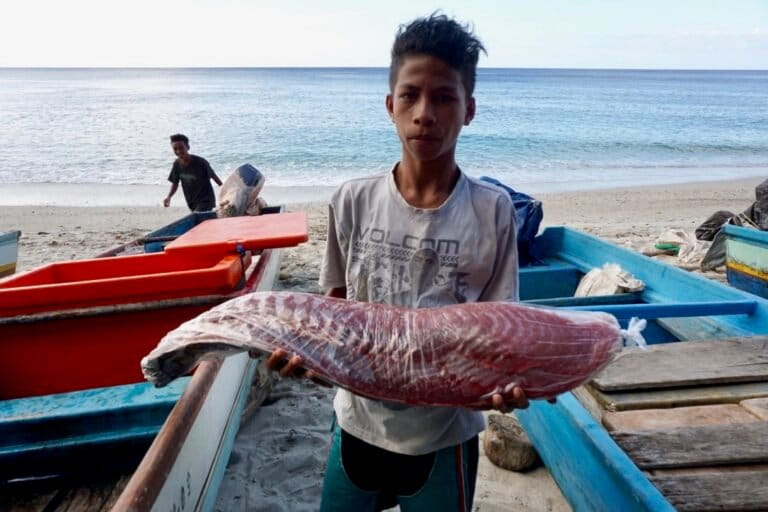
According to government estimates, these enforcement actions successfully prevented potential state losses amounting to approximately IDR 3.7 trillion. However, the enforcement narrative continued into early 2025, when the KKP moved to suspend the operating licenses of 10 commercial fishing vessels and one transport vessel suspected of illicit transshipment activities within the Arafura waters. While these actions demonstrate a proactive stance, they also highlight a systemic vulnerability: the ocean’s resources are being treated as a high-stakes commodity rather than a communal asset that sustains human life.
The Ecological Cost of Industrial Exploitation
The impact of industrial-scale fishing extends far beyond the immediate loss of revenue for the state. When bottom trawlers and large-scale industrial fleets operate in these sensitive ecosystems, the destruction of the benthic habitat is often irreversible. The phenomenon of "bycatch"—the unintended capture of non-target marine species—further destabilizes the food web, leading to a decline in biodiversity that disproportionately affects small-scale fishers.
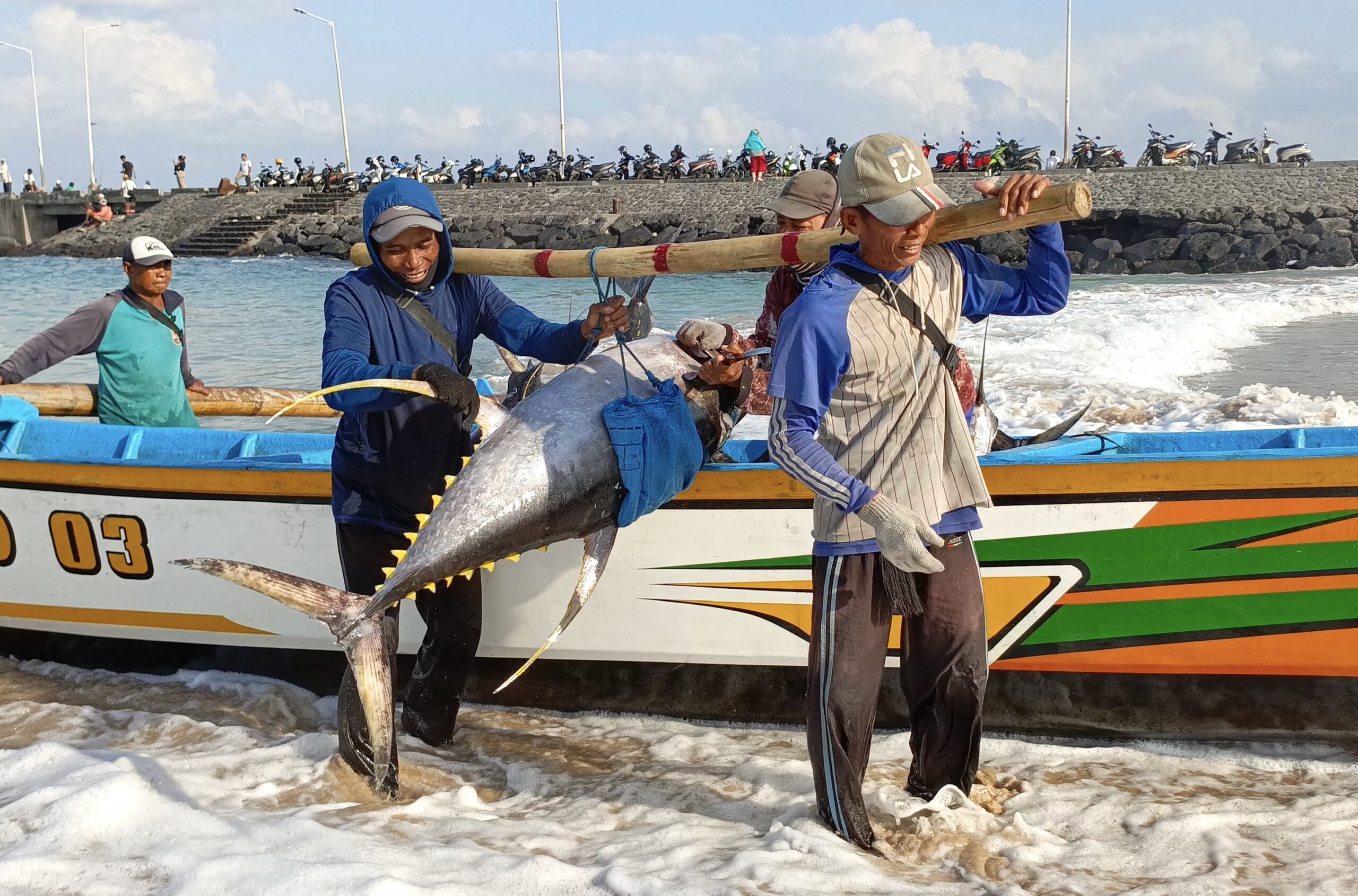
Data from local monitoring suggests that as overfishing depletes the stocks near the coast, traditional fishers are forced to venture further into open, high-risk waters. This shift increases the risk of accidents and equipment loss, while the actual catch volumes continue to decline. This creates a cycle of poverty: the more the ecosystem is damaged, the more desperate the fishing methods become, with some practitioners resorting to harmful, non-selective methods like blast fishing or chemical usage, effectively mortgaging their future to survive the present.
International Cooperation and the Question of Benefit
Recent developments, including the technical cooperation guidelines (TCG) between Indonesia and China, have aimed to boost production targets, with some projects aiming for an output of 9,500 tons of fish. While such agreements are designed to enhance fiscal revenue, they invite critical scrutiny regarding the distribution of wealth. If international partnerships prioritize raw extraction over the development of local processing infrastructure, the economic benefits remain concentrated in the hands of corporate entities, while the environmental risks—such as habitat degradation and pollution—are offloaded onto the local coastal residents.
Rethinking the Welfare State in a Maritime Context
The concept of the "welfare state," traditionally associated with the industrial models of 19th-century Germany or the 20th-century Nordic social democracies, requires a radical transformation to suit the Indonesian archipelago. While Indonesia has established a legal framework for social security through the National Social Security System (SJSN) and the Social Security Agency (BPJS), these systems are largely predicated on formal employment.
The majority of Indonesia’s fishers operate within the informal sector, often lacking fixed incomes or employment contracts, which renders them ineligible for the standard insurance schemes designed for urban factory workers. Gøsta Esping-Andersen’s tripartite framework—stratification, de-commodification, and de-familialization—provides a lens through which to analyze this policy gap.
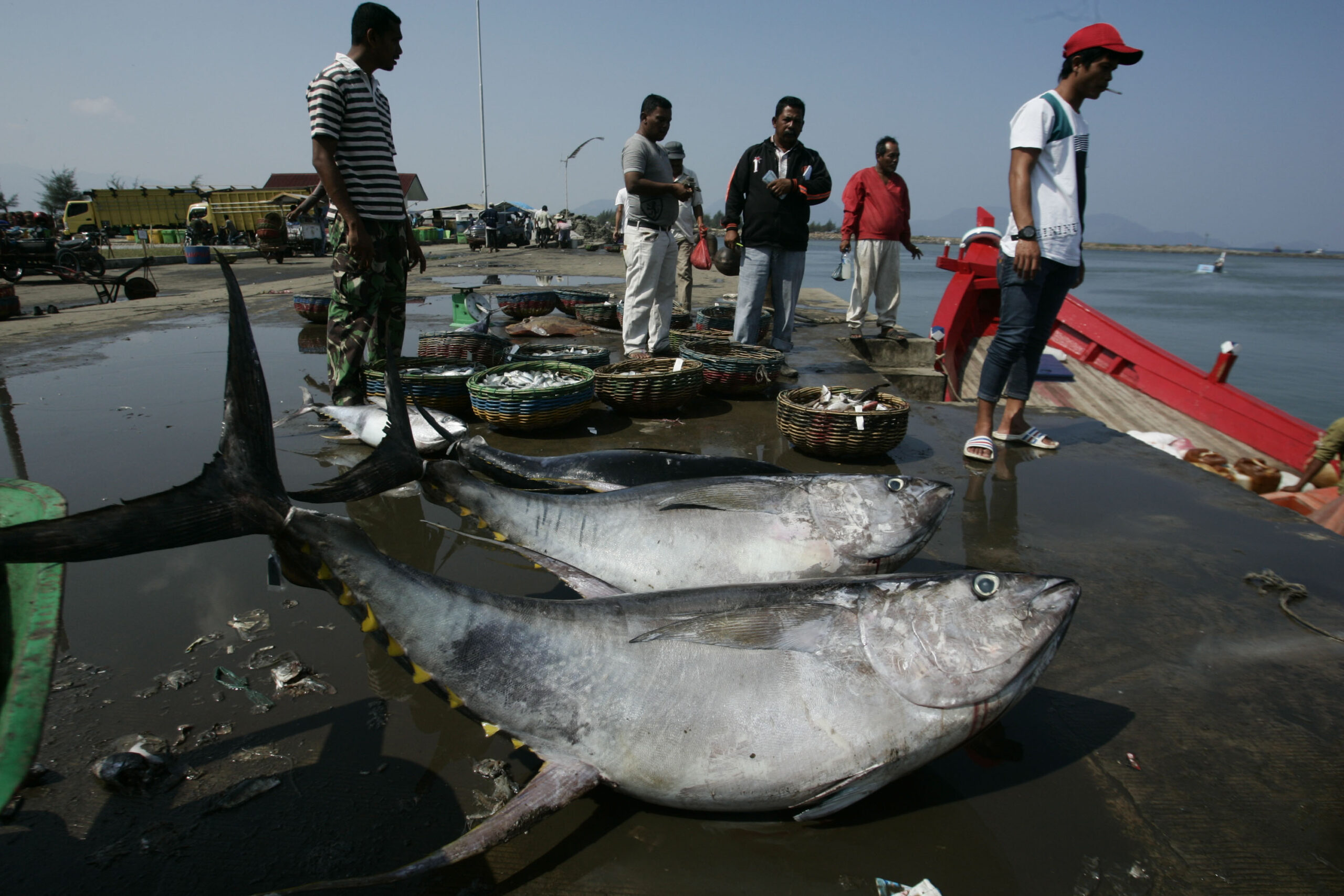
- Stratification: Current policies often inadvertently reinforce class divisions. Industrial fleets have the mobility to migrate to different regions when stocks collapse, whereas small-scale fishers are geographically tethered to their home waters.
- De-commodification: A robust welfare state should allow a citizen to maintain a standard of living without being entirely dependent on market fluctuations. Currently, without a "safety net," a fisher is forced to sell their catch to predatory middlemen (tengkulak) at sub-market rates simply to cover the costs of the next day’s fuel, effectively commodifying their own survival.
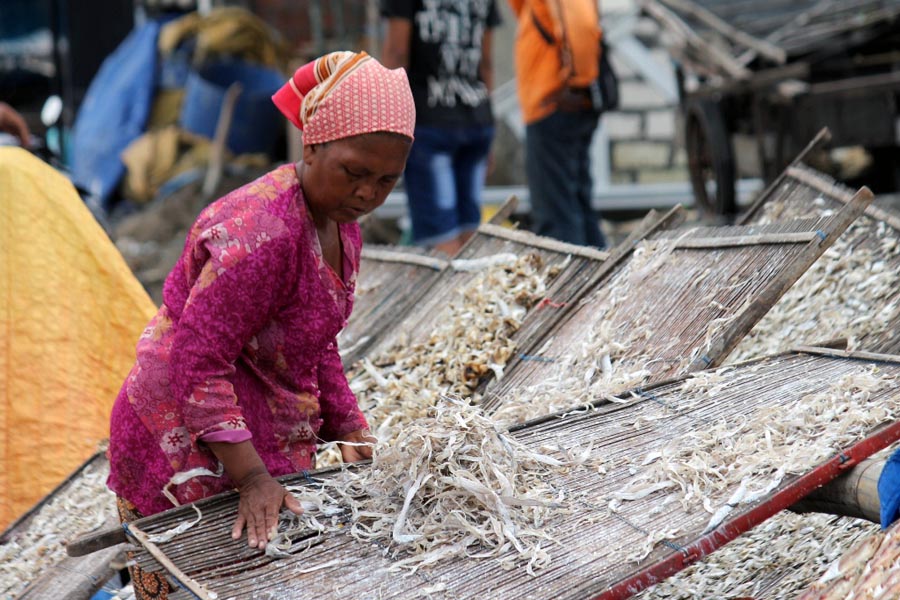
- De-familialization: In coastal households, the burden of survival often falls on women, who manage the post-harvest processing, marketing, and the domestic sphere. A truly inclusive welfare policy must recognize the essential, unpaid labor of these women, who are currently the primary shock absorbers when the fishing industry suffers.
Toward a Bespoke Indonesian Maritime Policy
The integration of local wisdom and community-based solidarity networks into formal policy is not merely a social obligation; it is an economic imperative. The "gotong royong" (mutual cooperation) tradition, which has long served as an informal safety net for coastal communities, should be formalized and supported by state resources rather than replaced by rigid, bureaucratic models.
A sustainable maritime policy must move beyond the narrow focus of conservation. It must treat the ocean as a "living space" for the millions who reside along the coast. This requires a three-pronged approach:
- Decentralized Social Protection: Tailoring insurance and health benefits specifically for informal, seasonal workers in the maritime sector.
- Spatial Justice: Implementing zoning laws that prioritize artisanal and small-scale fishing zones, effectively creating "no-take" buffer zones for industrial, high-impact vessels.
- Climate Adaptation: Integrating climate resilience into welfare programs, providing subsidies for gear upgrades and training for alternative livelihoods that can support families when sea temperatures or extreme weather render traditional fishing impossible.
The Path Forward: Investing in Human Security
The protection of the Arafura Sea and its people is an investment in Indonesia’s national identity. As the nation grapples with the dual challenges of climate change and economic development, the "welfare state" must evolve from a provider of aid into a guardian of space and livelihood.
The enforcement of maritime law—as seen with the 240 ships captured in 2024—is a necessary first step in reclaiming sovereignty. However, the ultimate test of success will not be measured in the number of ships seized or the total tonnage of fish exported. It will be measured in the stability of the coastal economy, the health of the marine ecosystems, and the capacity of the average Indonesian fisher to thrive in their home waters without the constant threat of resource depletion or existential insecurity.
By acknowledging the unique socio-ecological fabric of the Indonesian archipelago, the state can foster a model of prosperity that is not only equitable but also resilient enough to withstand the volatile environmental shifts of the 21st century. The sea, after all, is not a periphery; it is the very backbone of the Indonesian nation, and its protection is inextricably linked to the dignity of those who cast their nets into it every morning.









