Tyo Susilo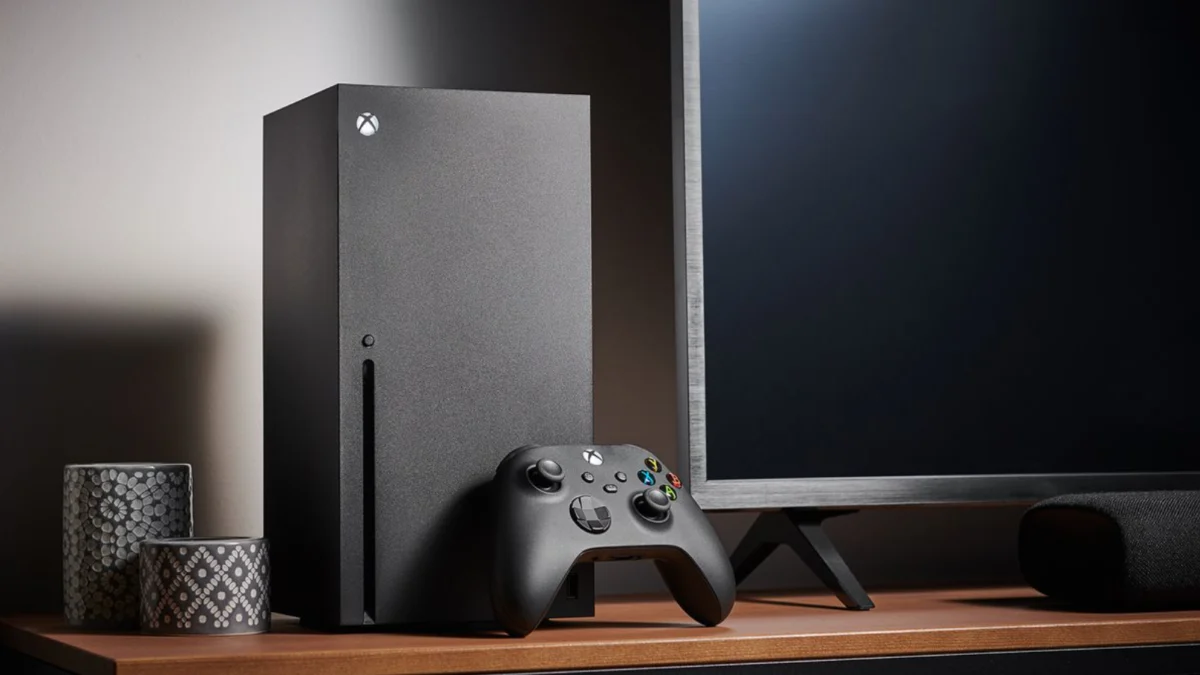
The global video game hardware market is navigating an unprecedented paradigm shift in 2026, characterized by severe sales contractions following aggressive, simultaneous price hikes by industry giants Microsoft and Sony. Historically, game consoles have followed a predictable deflationary curve, becoming progressively more affordable to manufacture and purchase as silicon manufacturing matures and component costs decline over a generation’s lifecycle. However, the current hardware generation has defied this decades-long economic model. Driven by persistent supply chain pressures, inflationary macroeconomic headwinds, and fierce global competition for advanced semiconductor components, both Xbox and PlayStation have broken tradition by raising retail prices years into their market lifecycles.
This deviation from historical pricing norms has triggered an immediate and profound backlash from consumers. Market research data released by Circana reveals an alarming contraction in unit sales across the United States throughout the first eight months of 2026. Industry analysts point to these rising price points as the primary catalyst for the downturn, noting that hardware costs are now encroaching upon territory traditionally occupied by entry-level and mid-tier gaming personal computers. As consumers weigh their discretionary spending against mounting global economic pressures, the hardware market faces its most significant post-launch crisis in modern gaming history.
A Chronology of Market Pressures: From Supply Constraints to Price Surges
The seeds of the 2026 hardware crisis were sown years prior, beginning with the pandemic-era supply chain disruptions of 2020 and 2021, which severely restricted semiconductor fabrication and distribution. As the industry attempted to recover, the explosive global boom in artificial intelligence infrastructure introduced a new, systemic complication. Technology conglomerates building massive data centers for generative AI began aggressively bidding for the same high-bandwidth memory (HBM), advanced packaging capacities, and cutting-edge silicon nodes utilized by consumer electronics manufacturers.
By late 2024 and 2025, component shortages compounded by geopolitical trade shifts and rising raw material costs made the traditional console subsidy model financially unsustainable for platform holders. Traditionally, Microsoft and Sony sold hardware at or near a loss, recouping development and manufacturing costs through software licensing fees, digital storefront transactions, and subscription services like Xbox Game Pass and PlayStation Plus. As the cost of raw silicon, memory modules, and logistics continued to escalate, the cost-per-unit to manufacture each console surpassed the threshold of profitability.
By early 2026, both corporations reached an inflection point. Rather than absorbing ongoing manufacturing losses, Microsoft and Sony implemented sweeping price corrections across their respective hardware lineups. This pivot marked a historic break from the traditional mid-cycle price cuts that consumers had come to expect, immediately altering purchasing behaviors and signaling a turbulent new era for living-room gaming hardware.
Unprecedented Sales Declines Across Microsoft and Sony Hardware
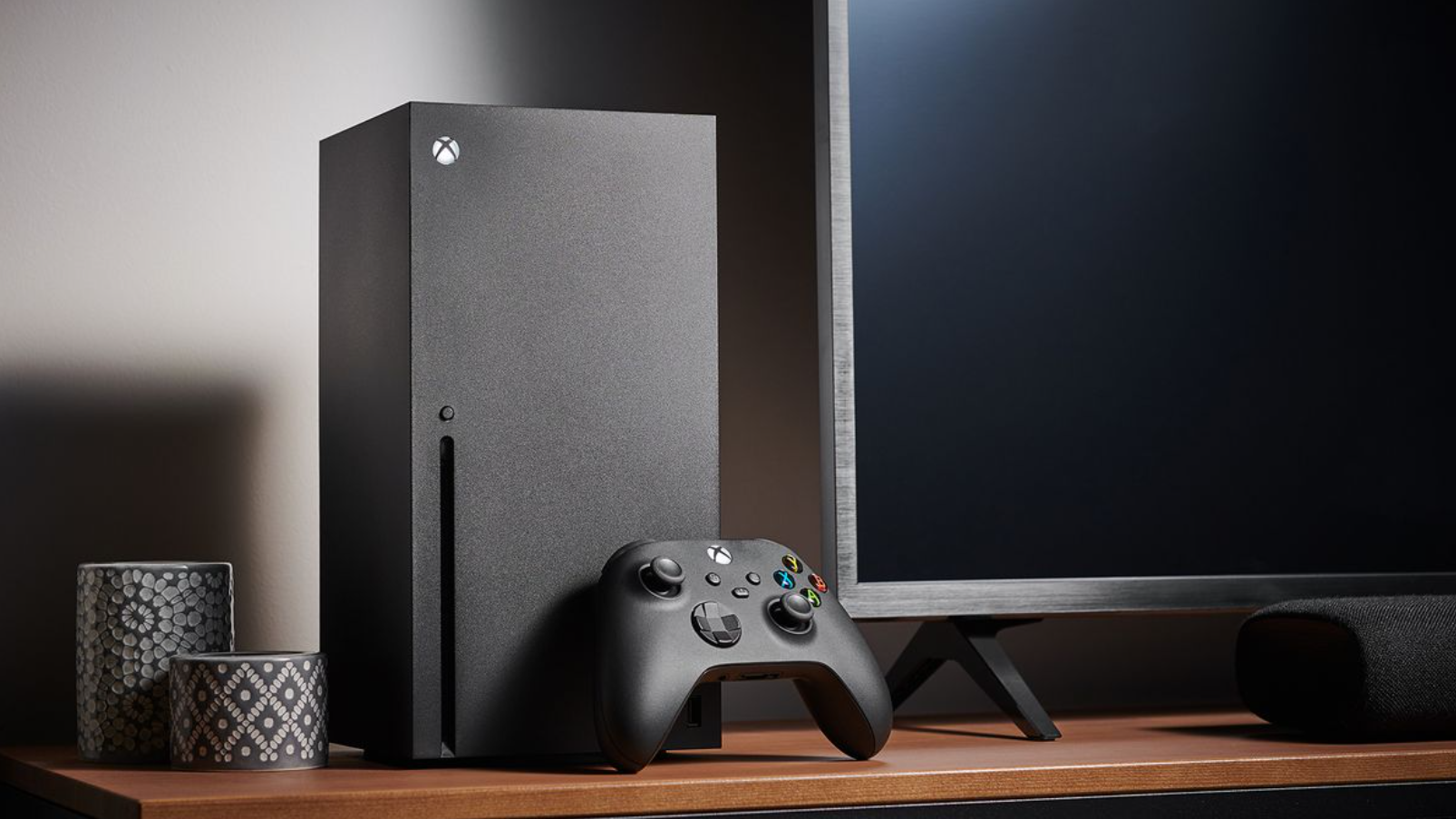
The impact of the 2026 price adjustments has manifested most visibly in tumbling unit sales data compiled by Circana and publicized by industry analyst Mat Piscatella. According to tracking metrics covering the United States market from January through August 2026, Microsoft’s Xbox hardware division experienced a staggering 33% year-over-year decline in unit sales. This drop represents the lowest performance figures recorded in the history of the Xbox brand, approaching a quarter-century since Microsoft first entered the console market with the original Xbox in 2001.
Sony’s PlayStation ecosystem, while maintaining a larger overall market share, has not been immune to the broader economic cooling. PlayStation hardware unit sales fell by 25% year-over-year during the same eight-month window, marking the lowest sales velocity for the brand since 2013—a historical comparison that recalls the transitional lull observed when consumers intentionally delayed purchases ahead of the PlayStation 4 launch.
The financial burden on consumers is clearly reflected in the average selling price (ASP) of these systems. Piscatella’s analysis indicates that the average price paid by a U.S. consumer for an Xbox console between January and August 2026 reached $529, representing a sharp 26% increase compared to the previous year. Meanwhile, the average selling price for a PlayStation console climbed to $597, a 20% year-over-year increase. Both figures establish all-new record highs for average hardware acquisition costs within the American market, directly pricing out segments of the demographic that traditionally form the core of the console gaming audience.
Detailed Breakdown of Current Hardware Pricing Structures
The revised retail pricing framework implemented by both manufacturers illustrates the severe financial gravity weighing down the current generation of gaming hardware.
Microsoft’s restructured Xbox lineup reveals substantial increases across all active models. The entry-level Xbox Series S with 512GB of internal storage is now priced at $499.99, while the 512GB-to-1TB capacity upgrade pushes the variant to $599.99. Moving to the more powerful flagship hardware, the Xbox Series X Digital Edition (1TB) commands $749.99, and the traditional disc-drive-equipped version reaches $799.99. The compounding cost pressures have also forced strategic product adjustments within Microsoft’s catalog; the company formally discontinued the higher-capacity Xbox Series X 2TB Galaxy Black model, citing unsustainable production margins. At $799.99, the disc-based Xbox Series X sits uncomfortably close to the price threshold of pre-built mid-range gaming PCs, prompting prospective buyers to reevaluate the long-term value proposition of dedicated living-room consoles versus open-ecosystem personal computers.
Sony has introduced similarly aggressive pricing adjustments for its PlayStation ecosystem in Western markets. The PlayStation 5 Digital Edition is currently retailed at $599.99, whereas the standard model featuring an integrated ultra-high-definition Blu-ray disc drive is priced at $649.99. For enthusiasts seeking peak performance, the specialized PlayStation 5 Pro commands a landmark price tag of $899.99, pushing luxury console gaming close to the psychological $1,000 threshold. Peripheral hardware has also absorbed these macroeconomic realities; the PlayStation Portal, a remote-play handheld streaming device designed to tether to the PS5, has seen its price rise to $249.99.
Broader Economic Drivers and Industry Implications
The simultaneous escalation of console prices highlights a structural vulnerability in the modern consumer electronics business model. For decades, consumer expectations were anchored to the console subsidy cycle—the assumption that hardware would become progressively cheaper to manufacture, allowing prices to drop mid-generation to stimulate mass-market adoption.
The convergence of competing technological sectors has shattered this assumption. The explosive scaling of enterprise artificial intelligence workloads has created a structural bottleneck in semiconductor fabrication. Memory manufacturers, including major DRAM and NAND flash suppliers, have prioritized high-margin enterprise contracts over consumer-grade silicon orders. Consequently, the input costs for GDDR6 memory, custom system-on-chips (SoCs), and advanced cooling architectures have risen rather than fallen as the console generation matured.

This dynamic has created a complex operational challenge for platform holders. Maintaining low retail prices in the face of escalating production costs would require Microsoft and Sony to absorb unprecedented financial losses per unit sold—a strategy that investors and corporate boards are increasingly unwilling to support in a macroeconomic environment marked by higher capital costs and cautious institutional spending.
The resulting drop in hardware sales has triggered a secondary ripple effect across the broader gaming ecosystem: a shrinking addressable market for software publishers and developers. When hardware adoption slows down and the growth of the active user base stagnates, third-party publishers face diminished software sales potential, particularly for high-budget, triple-A titles that require massive player volumes to achieve profitability. This creates a risk of conservative spending within the publishing sector, as studios become hesitant to greenlight ambitious projects for hardware bases that are failing to expand at historical rates.
Looking Ahead: The Holiday Season and Upcoming Software Catalysts
Despite the current market contraction, industry observers and financial analysts are closely monitoring potential catalysts that could stabilize or temporarily reverse the downward sales trajectory in the final quarter of 2026.
Historically, the November and December holiday shopping season accounts for a disproportionate share of annual hardware and software sales. Retail promotions, bundle deals, and seasonal marketing campaigns traditionally drive hesitant consumers to make major electronics purchases. However, industry analysts note that traditional holiday discounting may be severely constrained this year given the underlying manufacturing costs.
The most anticipated variable for the latter half of 2026 is the scheduled launch of Rockstar Games’ Grand Theft Auto VI, slated for release in November. As one of the most culturally significant and commercially potent intellectual properties in entertainment history, the arrival of Grand Theft Auto VI is widely projected by market forecasters to act as a powerful system-seller. Publishers and analysts hope that the cultural gravity of the release will compel holdout consumers and casual gamers to finally invest in current-generation hardware, regardless of elevated retail prices.
Whether a single blockbuster software release can permanently alter consumer sentiment in a permanently higher-priced hardware market remains an open question. As the industry navigates the remainder of 2026, the long-term viability of the traditional console business model faces a defining test, forcing manufacturers, developers, and consumers alike to adapt to a fundamentally altered economic landscape.