
 Nila Kartika Wati
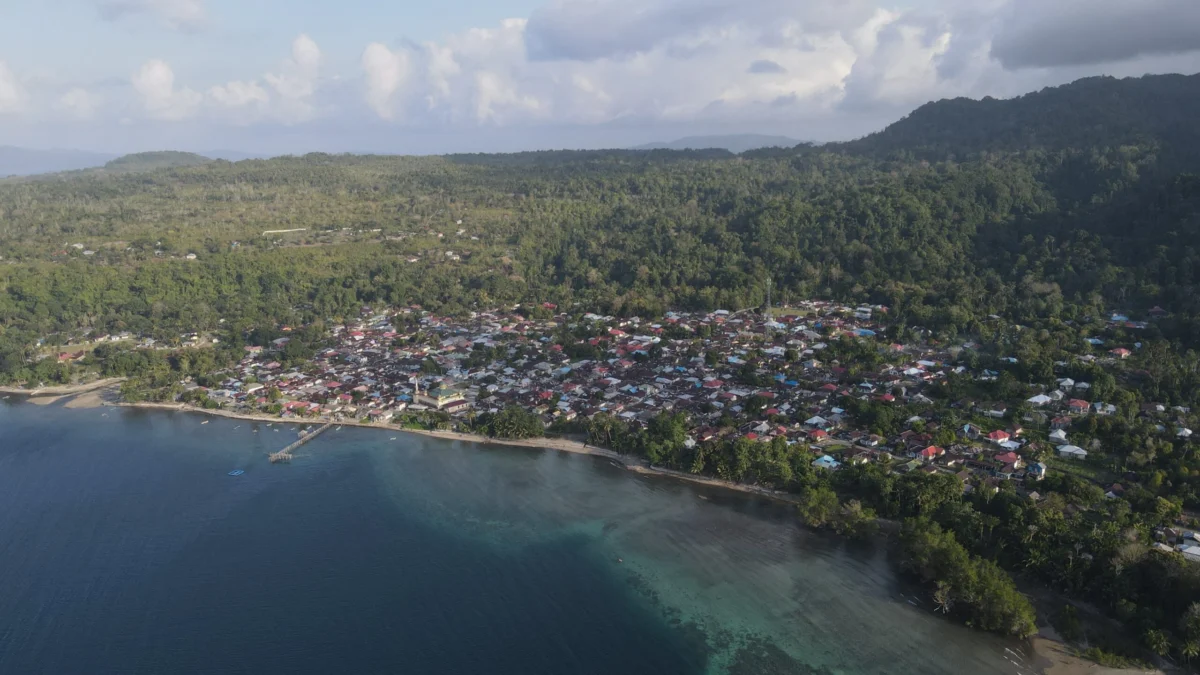
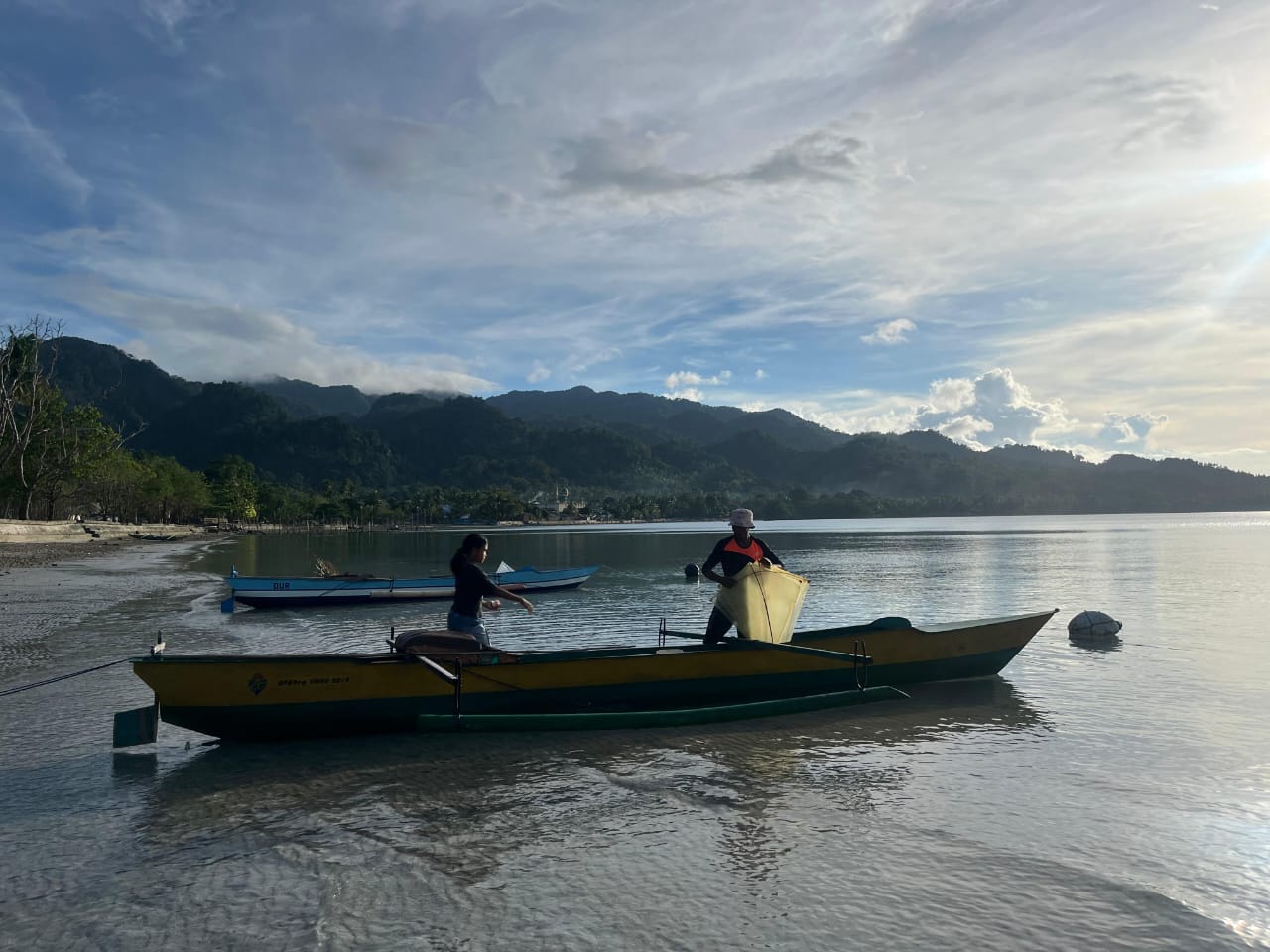
The rhythmic drone of outboard motors slices through the morning mist at Inasela Beach in Negeri Liang, Central Maluku, signaling the start of another grueling day for the local fishing community. For generations, the sea has been the lifeblood of this coastal village, providing not only sustenance but the primary economic engine that funds household needs, from education to basic infrastructure. However, the bounty that once defined the horizon of Negeri Liang has receded, leaving in its wake a community grappling with the environmental and economic consequences of decades of ecological degradation.
At 75 years old, Baim Rehalat, a fisherman who has plied these waters since his youth, stands on the veranda of his stilt house, observing the departure of the small wooden boats. His weathered face mirrors the landscape of the coast, which has changed drastically since the turn of the millennium. "In the past, catching fish was effortless," Rehalat recalls. "You could cast a line just meters from the shore and pull up tuna, momar, kawalinya, or squid. Today, the fish have retreated into the deep, and our costs to reach them have skyrocketed."
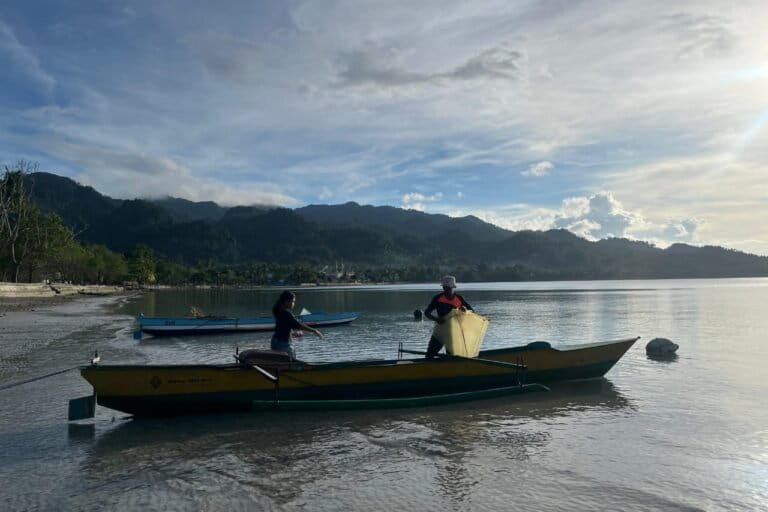
The shift began, according to local accounts, around 2002. What was once a village filled with the pungent, prosperous aroma of fresh catch began to see a decline in yields. The social fabric of the village, once held together by the communal practice of sharing surplus fish, began to fray as competition intensified and poverty deepened. Many fishermen now find themselves locked in a cycle of debt, struggling to cover the rising costs of fuel and equipment that are no longer offset by a dwindling catch.
A Legacy of Ecological Destruction
The collapse of the coastal fishery in Negeri Liang is not a mysterious phenomenon but a direct result of anthropogenic pressure on marine ecosystems. Investigations into the local waters reveal that the primary driver of this decline is the widespread destruction of coral reefs—the nurseries of the ocean.
For decades, the waters surrounding Maluku were subjected to destructive fishing practices, including the use of cyanide, potassium, and, most devastatingly, explosives. The prevalence of these methods is often traced back to the post-conflict era in Maluku, when access to residual military-grade explosives became a shortcut for fishermen seeking high-volume yields. While effective in the short term, the shockwaves from these blasts pulverized the delicate calcium carbonate structures of the reefs.

Research conducted by the Jala Ina Foundation, which monitors the tenure rights of coastal communities in the region, paints a bleak picture. Their surveys indicate that only five percent of the coral reefs in the vicinity of Negeri Liang remain in a healthy, functional state. The rest are reduced to rubble—a "landscape of death" that resembles a landslide, where the intricate biodiversity that supports marine life has been effectively wiped out.
Furthermore, the introduction of industrial-style bottom-trawling nets, known locally as karoro, has exacerbated the damage. By dragging across the seabed, these nets indiscriminately destroy the benthic habitat, leaving no sanctuary for fish to spawn or grow. Achmad Munir Wael of the Malesi (Masyarakat Lestari Pesisir) group explains that while the surface might look calm, a dive beneath the waves reveals a tragic reality: the once-vibrant, multicolored underwater forests are now barren. "We are paying the price for the sins of the past," Munir notes, referring to the era of unchecked exploitation.
The Human Toll: Beyond the Fisherman
The crisis extends far beyond the men on the boats. In Negeri Liang, the fishing economy is heavily reliant on women, who act as the primary processors and vendors. Sofia Lessynusa, one of the few remaining fishmongers in the village, describes the volatility of her trade. "When there is a surplus, prices collapse. When there is a scarcity, we cannot afford to sell, and the families cannot afford to buy," she explains.
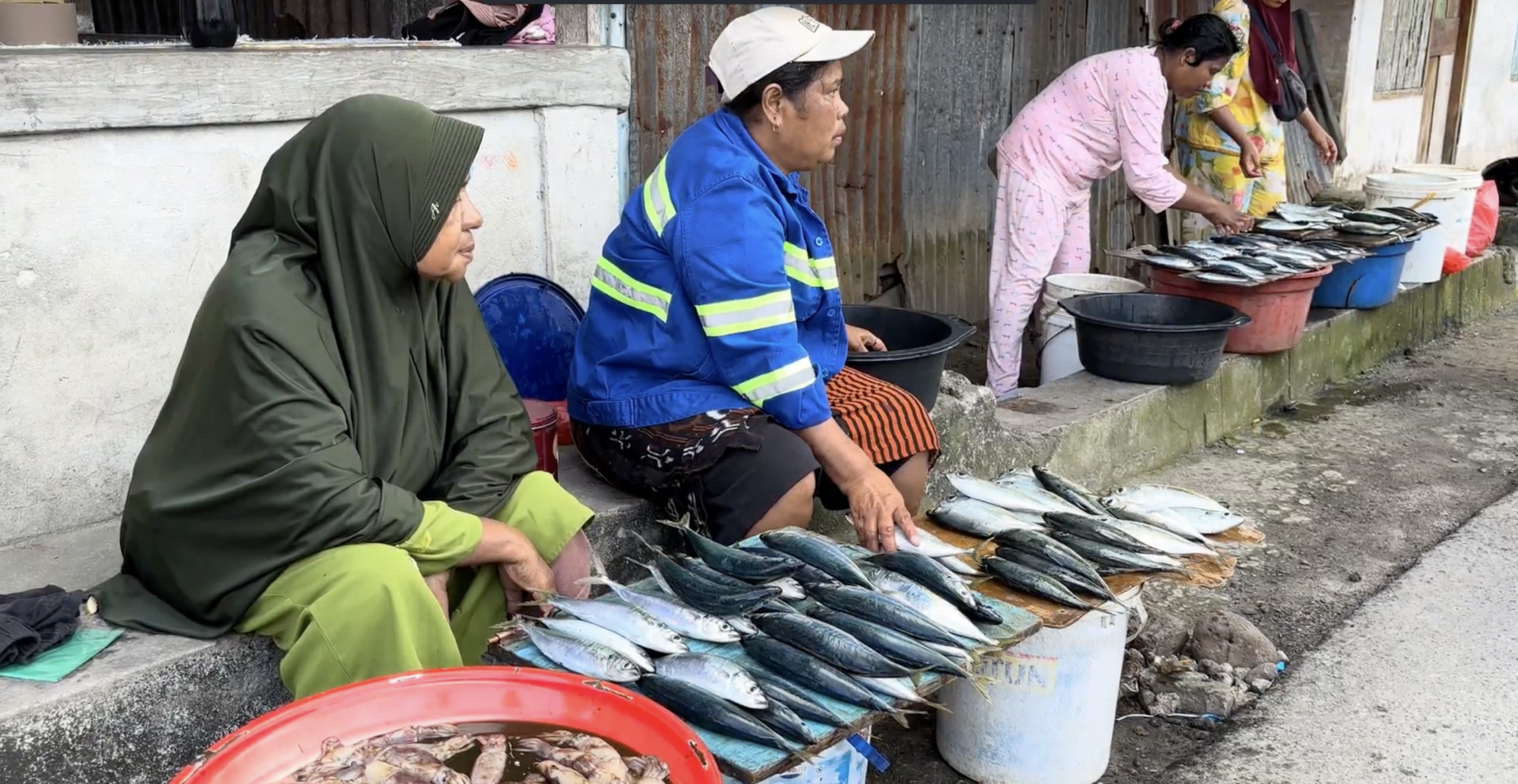
The decline in the number of active fish traders—from dozens in the past to fewer than ten today—highlights the economic erosion of the village. Many, like Sofia, have been forced to diversify into selling fried snacks and other small commodities just to survive. While the government occasionally provides subsidies or equipment to male fishers, the women who sustain the downstream economy are often left without a safety net, forced to navigate the fluctuating market on their own.
The Path to Restoration: Reviving the Kewang and Sasi
Faced with the prospect of total economic collapse, the community of Negeri Liang has turned to their heritage for solutions. The revitalization of Kewang Laut and Sasi—the traditional Malukan systems of environmental governance—has emerged as a beacon of hope. Sasi is an ancestral system that enforces closed seasons and protected zones, preventing the over-exploitation of natural resources. The Kewang acts as the enforcers of this system, functioning similarly to the Balinese Pecalang, with the authority to monitor and sanction those who violate traditional fishing laws.
Abdul Ahmad Lessy, Deputy Chairman of the Saniri Negeri (the traditional village council), emphasizes that this is not merely a nostalgic return to the past, but a necessary policy shift. "We are working with the local government to formalize these traditions into village-level regulations (Peraturan Negeri)," he states. "The goal is to ensure that the sea and land are protected under a legal framework that holds everyone accountable."
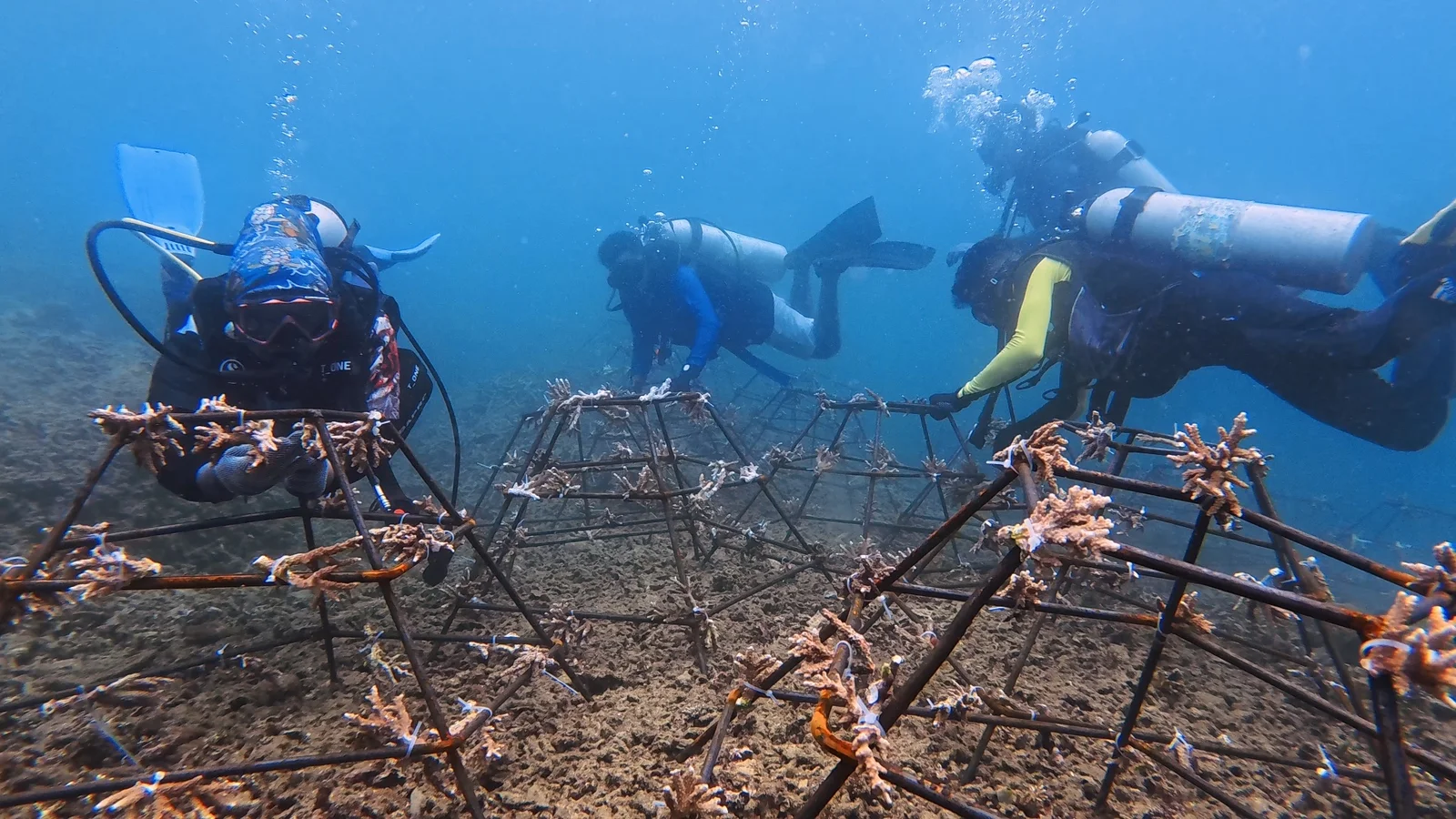
The Jala Ina Foundation has been instrumental in this process, facilitating the "School for Coastal Guardians" (Sekolah Jaga Kepulauan). Through this program, local youth and fishermen are trained in scientific monitoring, including scientific diving techniques. By combining traditional ecological knowledge—such as understanding migratory patterns and lunar cycles—with modern conservation science, the community is taking ownership of their marine territory.
Policy Implications and Challenges
While community-led initiatives are vital, there is a recognized need for state-level support to solidify these efforts. Lutfi Naya, a former member of the Central Maluku Regency Parliament, acknowledges the difficulty of securing government funding for habitat restoration. Proposals for artificial reefs and coral transplantation have been presented to the Ministry of Marine Affairs and Fisheries, yet progress remains slow.
The issue of "tenurial rights" stands at the center of the debate. Muhammad Yusuf Sangadji, Executive Director of Jala Ina, stresses that conservation cannot succeed if it disregards the livelihoods of the people who depend on the sea. "We must protect the ecosystem, but we cannot ignore the rights of the community," Sangadji argues. In a region where the ocean is not just an economic resource but an integral part of social and cultural identity, the integration of traditional tenure maps into formal regional spatial planning is essential.
Looking Toward the Horizon
The story of Negeri Liang is a microcosm of a global challenge: how to balance the immediate needs of food security with the long-term imperative of ecological preservation. The current situation in the village is a critical juncture. The shift toward sustainable practices, supported by the re-establishment of the Kewang and Sasi systems, represents a bold attempt to reverse decades of damage.
However, the road ahead is steep. The reefs require years, if not decades, to recover. The youth of the village are being asked to inherit a sea that is far less productive than the one their grandfathers knew, requiring them to be both conservationists and innovators.
As the sun sets over the coast of Central Maluku, the sound of the ocean remains the backdrop to a community in transition. The fishermen who once viewed the sea as an inexhaustible pantry now view it as a patient, fragile partner. The transformation of the mindset in Negeri Liang—from extraction to stewardship—is perhaps the most significant catch of all. As Munir Wael aptly puts it, the restoration of the sea will not come from external aid alone; it requires a collective resolve that begins with the people themselves, taking responsibility for the waters that wash upon their shores. By formalizing their traditions and integrating them into modern governance, the people of Negeri Liang are not just trying to save their fish; they are fighting to save their way of life.