Tata Titiana
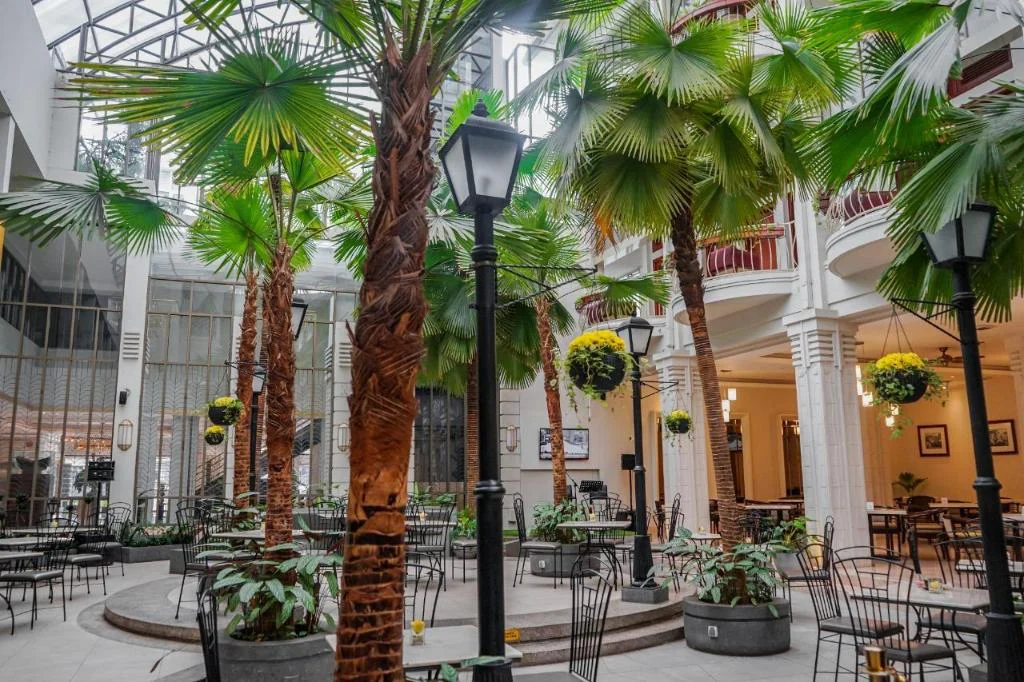
The modern tourism landscape of Indonesia is inextricably linked to the infrastructural and economic developments of the colonial Dutch East Indies era. Long before commercial aviation transformed global mobility, the nineteenth century marked a pivotal turning point for the Nusantara archipelago. Following the formal opening of the Suez Canal in 1869, maritime transit between Europe and Southeast Asia experienced a dramatic acceleration, drastically shortening travel times and encouraging an influx of international trade vessels. By the late nineteenth and early twentieth centuries, luxury steamships operated by colonial enterprises began docking in major ports across Java and Bali, carrying European elites, merchants, and early leisure travelers seeking exotic destinations. To accommodate these affluent visitors, the colonial administration and private investors recognized an urgent need for Western-standard lodging, catalyzing the construction of grand, European-style hotels. Today, while the political structures of the colonial era have long since vanished, several of these architectural landmarks continue to operate, seamlessly blending centuries-old heritage with contemporary hospitality standards.
Historical Context and the Birth of Indonesian Tourism
Historians widely regard the establishment of these early colonial hotels as the foundational milestone of Indonesia’s modern tourism industry. During the Dutch East Indies period, hospitality was not merely about providing a bed for weary travelers; it was a projection of European prestige, comfort, and administrative dominance in the tropics. Hotels functioned as social hubs for colonial officials, wealthy plantation owners, and international dignitaries.
The architectural styles chosen for these buildings often reflected a fascinating synthesis of European design—predominantly Neoclassical, Art Deco, and Indisch architecture—adapted to the tropical climate through high ceilings, wide verandas, and extensive ventilation systems. Following Indonesia’s independence in 1945 and the subsequent nation-building efforts of the mid-twentieth century, many of these properties were nationalized or repurposed to serve the diplomatic and economic goals of the newly formed republic. Figures such as Indonesia’s first president, Sukarno, recognized the immense value of these properties in positioning the young nation on the global stage, leading to ambitious modernization and internationalization campaigns throughout the 1950s and 1960s.
Below is an in-depth examination of five historic hotels in Indonesia that have weathered the storms of colonization, war, and political transition, remaining operational to this day.
Hotel Indonesia Kempinski, Jakarta: A Monument to National Pride and Diplomacy
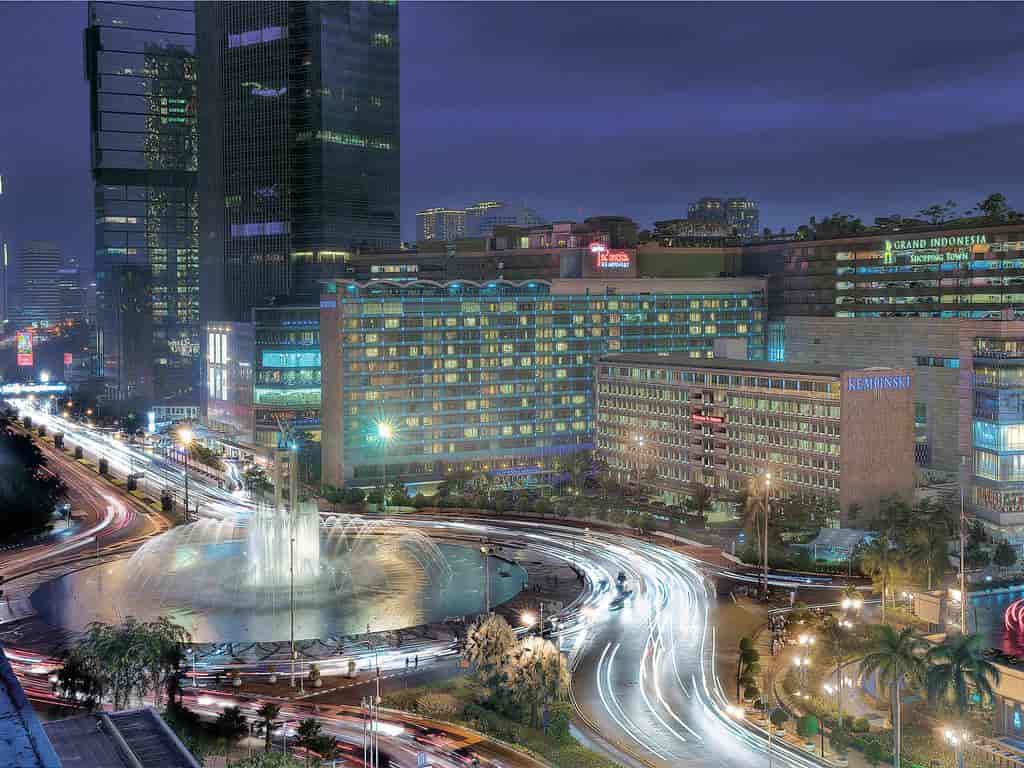
Standing proudly in the heart of the capital city, Hotel Indonesia Kempinski holds the distinction of being Indonesia’s first five-star luxury accommodation. The genesis of this iconic building is deeply intertwined with the post-colonial ambitions of President Sukarno. Commissioned to host international athletes and dignitaries for the 1962 Asian Games IV, the hotel project was funded in part through Japanese war reparations.
Designed by American architect Abel Sorenson, the high-rise structure quickly became the tallest building in Jakarta upon its completion, symbolizing the nation’s modernization and entry into the global arena. Over the decades, the property has hosted countless heads of state, international diplomats, and global icons. Notably, in March 2020, the hotel made international headlines when King Willem-Alexander and Queen Máxima of the Netherlands chose it as their residence during their official state visit to Indonesia. The royal couple stayed in the prestigious presidential suite, which features specialized security enhancements, including bulletproof glass.
Managed today by the luxury European hospitality chain Kempinski, the hotel bridges its storied past with modern opulence. Nightly rates generally start around IDR 2.98 million, though pricing fluctuates depending on seasonal demand and room selection.
Hotel Majapahit, Surabaya: The Crucible of Independence and Revolutionary Symbolism
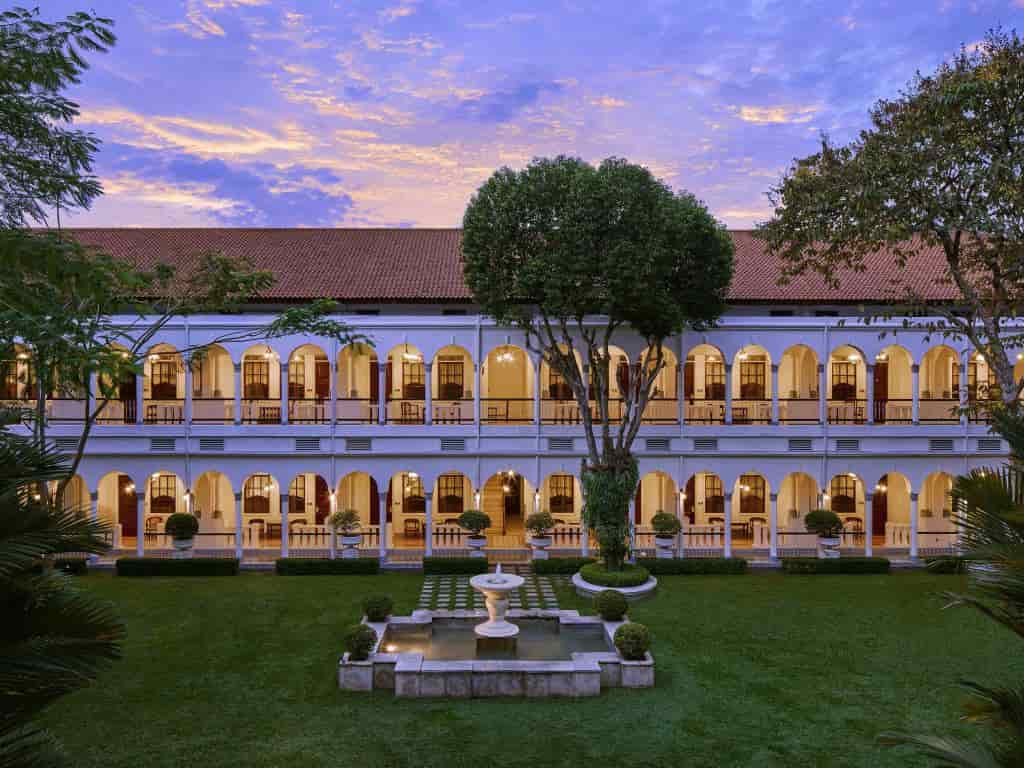
Located in East Java’s capital, Hotel Majapahit in Surabaya is far more than a luxury accommodation; it is a sacred site of the Indonesian National Revolution. Originally constructed in 1910 by the Sarkies Brothers, prominent Armenian hoteliers in Southeast Asia, the property first opened its doors under the name Hotel Oranje. During the Japanese occupation of Indonesia (1942–1945), the building was seized and renamed Hotel Yamato.
The hotel’s most pivotal historical moment occurred on September 19, 1945, just weeks after Indonesia proclaimed its independence. A tense confrontation unfolded at the hotel between Indonesian nationalists and Dutch loyalists who attempted to fly the Dutch red-white-blue flag. In a fiery display of defiance against returning colonial forces, young Indonesian freedom fighters scaled the roof of the hotel, tore away the blue section of the flag, and left behind the red and white—the nascent national colors of Indonesia. This event, known historically as the Hotel Yamato Incident or the Flag Incident, served as a crucial catalyst for the subsequent Battle of Surabaya on November 10, 1945.
Now operating under the Accor umbrella as Hotel Majapahit Surabaya, the property retains its magnificent colonial architecture, sprawling courtyards, and museum-like atmosphere. Guests can secure rooms starting at approximately IDR 985,125 per night, offering an immersive journey into the turbulent birth of the Indonesian republic.
Royal Ambarrukmo, Yogyakarta: Regal Heritage Meets Modern Luxury
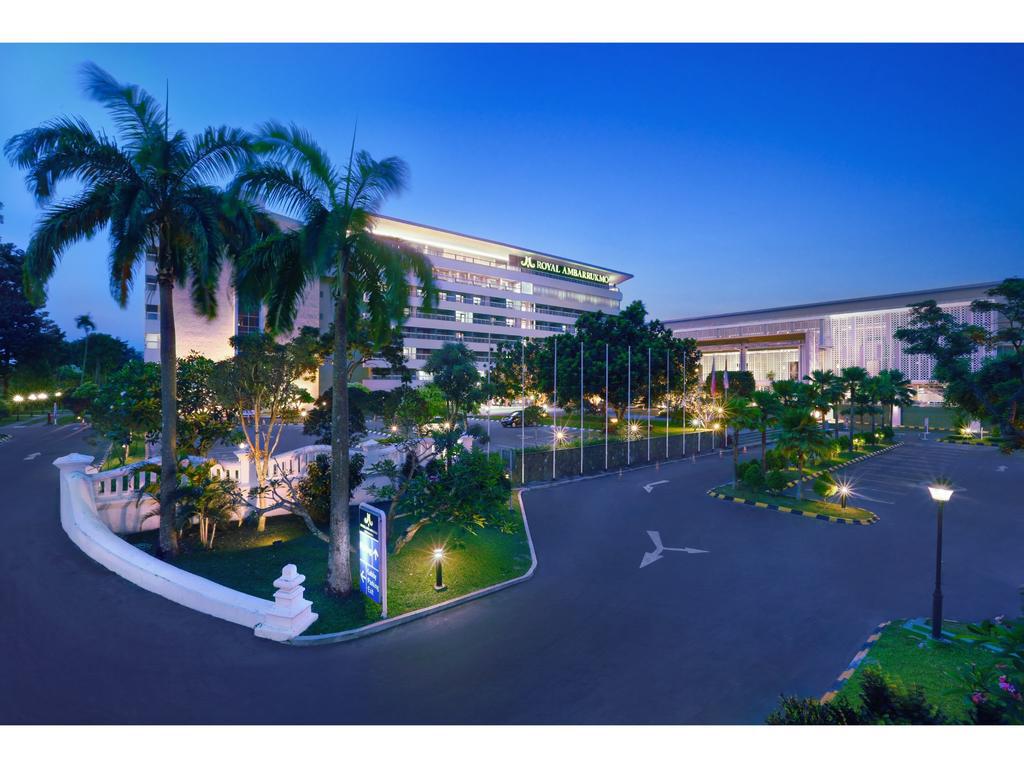
Situated on Jalan Laksda Adisucipto in Yogyakarta, Royal Ambarrukmo occupies land historically tied to the Mataram Sultanate. The site originally served as a royal palace complex and retreat garden known as Kedaton Ambarrukmo, commissioned by Sultan Hamengku Buwono V and later utilized extensively by Sultan Hamengku Buwono VII.
In the mid-twentieth century, as part of President Sukarno’s nationwide push to develop international-standard tourism infrastructure, the historic royal complex was transformed into a modern luxury hotel. In 1966, Royal Ambarrukmo was inaugurated as one of the first four international-grade hotels in Indonesia, designed to showcase Indonesian hospitality to the world while preserving the cultural gravitas of the Yogyakarta sultanate.
Today, the property operates as a five-star resort that seamlessly integrates preserved nineteenth-century royal structures—such as the Loji Gandrung (historic administrative building) and the Bale Kambang (floating pavilion)—with contemporary luxury amenities, including championship golf access, expansive swimming pools, and fine dining. Room rates at Royal Ambarrukmo begin at approximately IDR 911,250 per night, providing travelers with a rare blend of royal Javanese heritage and modern comfort.
Hotel Savoy Homann, Bandung: Art Deco Masterpiece and Playground of the Global Elite
Often referred to as the Paris of Java, Bandung is home to some of the finest examples of Art Deco architecture in Southeast Asia, with Hotel Savoy Homann standing as its crown jewel. The accommodation traces its origins back to the late nineteenth century when a German family, the Homanns, established a modest guesthouse famous for its traditional Dutch-Indonesian rijsttafel feasts.
By 1939, as Bandung flourished as a fashionable European enclave, the original building was completely demolished and rebuilt in a striking, avant-garde Art Deco style by renowned Dutch architect Albert Aalbers. Aalbers designed the exterior to mimic the sleek, sweeping lines of an ocean liner gliding through the waves. Formally renamed Hotel Savoy Homann in 1940, the property quickly became the premier luxury address in the Dutch East Indies.
Its guest registry reads like a who’s who of twentieth-century global celebrities, most notably the legendary silent film star Charlie Chaplin, who famously stayed at the hotel during his travels to Java in the 1930s. The hotel also played a vital supporting role during the historic 1955 Asia-Africa Conference in Bandung, housing numerous international delegates. Visitors today can experience this cinematic history with room rates starting around IDR 390,880 per night.
Inna Bali Heritage Hotel, Denpasar: Pioneering Luxury in the Island of the Gods
Long before Bali became a global mass-tourism hotspot characterized by sprawling beach clubs and luxury cliffside villas, the island’s hospitality industry began in the heart of Denpasar. Opened on August 22, 1927, the Inna Bali Heritage Hotel was established to accommodate the first wave of foreign tourists arriving via the steamships of the Royal Packet Navigation Company (Koninklijke Paketvaart-Maatschappij or KPM).
Operated during the colonial era under the name Hotel Bali, the property was designed to offer Western travelers a comfortable base from which to explore the island’s traditional arts, dances, and temples. Throughout the twentieth century, it hosted a diverse array of artists, anthropologists, and dignitaries who were instrumental in shaping Western perceptions of Balinese culture, including Margaret Mead and Gregory Bateson during their landmark anthropological expeditions.
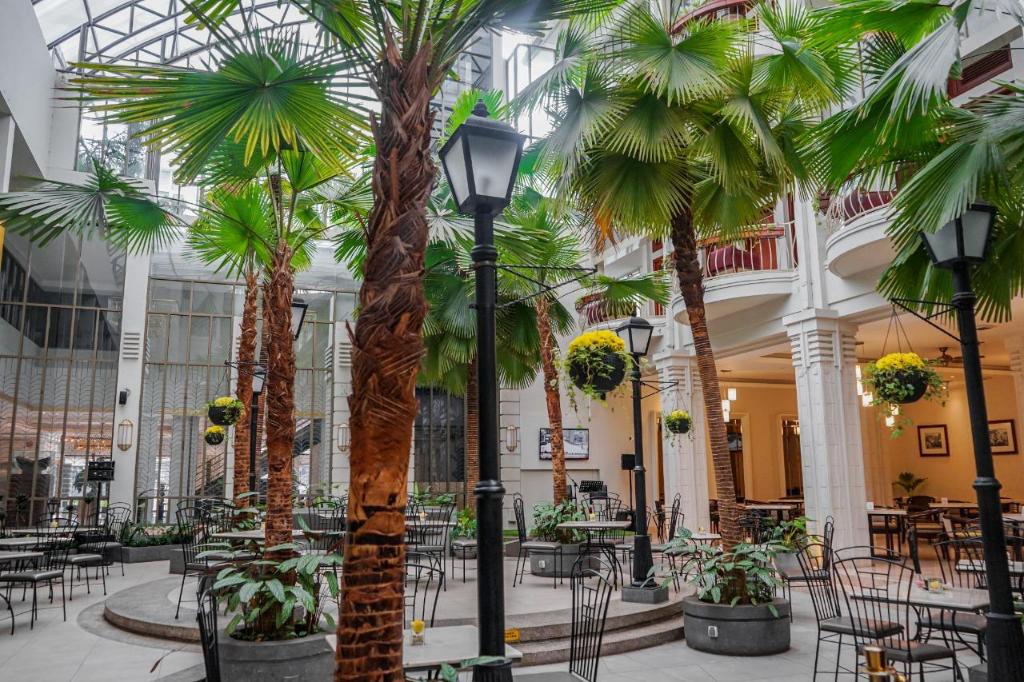
As a three-star heritage property located centrally in Denpasar, the hotel offers classic colonial-era architecture surrounded by lush tropical gardens, outdoor dining spaces, and a historic swimming pool. It remains an affordable window into Bali’s early tourism history, with rates starting as low as IDR 270,000 per night.
Economic Implications and Modern Relevance
The continued commercial operation of these historic hotels carries significant implications for Indonesia’s contemporary tourism economy. Heritage tourism has emerged as a vital sector within the broader national tourism strategy, appealing to travelers seeking authentic cultural narratives rather than generic luxury accommodations. By preserving these physical structures, hotel operators and government agencies maintain tangible links to the past, fostering historical education and local pride.
However, operating century-old properties presents distinct operational challenges. Strict heritage conservation laws often limit major structural modifications, requiring property owners to invest heavily in specialized maintenance to preserve fragile Art Deco facades, vintage timber framing, and historical artifacts while simultaneously upgrading plumbing, electrical grids, and digital infrastructure to meet modern five-star expectations. Furthermore, pricing models for these heritage hotels remain sensitive to broader macroeconomic trends, including domestic inflation, shifting tax policies, and fluctuations in international travel demand between peak and low seasons.
Ultimately, these five historic hotels serve as enduring testaments to the complex historical trajectory of the Indonesian archipelago. From colonial outposts and revolutionary battlegrounds to symbols of post-independence diplomacy and modern luxury, Hotel Indonesia Kempinski, Hotel Majapahit, Royal Ambarrukmo, Hotel Savoy Homann, and Inna Bali Heritage Hotel offer guests far more than a place to sleep—they provide an immersive portal into the living history of a nation. Travelers planning a stay are advised to verify final rates and booking conditions directly through official channels, as pricing is subject to seasonal demand and local regulatory updates.