Nasution Nanang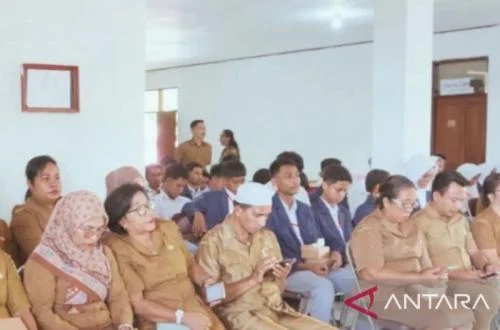
AMBON, INDONESIA – The Balai Pelatihan dan Penyuluhan Perikanan (BPPP), or Fisheries Training and Extension Center, of the Ministry of Marine Affairs and Fisheries (KKP) Ambon, has significantly bolstered its efforts to enhance fisheries education among high school students. This initiative is marked by a strategic cooperation agreement forged with SMK Negeri 3 Ambon, a vocational high school, aimed at elevating the competencies of the younger generation in the critical marine and fisheries sectors. The pivotal collaboration was formally cemented with the signing of a Memorandum of Understanding (MoU) at the school premises on Monday, March 30th, establishing a framework for comprehensive skill development and vocational readiness.
The partnership represents a proactive step by the BPPP KKP Ambon to address the growing demand for skilled human resources in Indonesia’s vast marine and fisheries industry, particularly in Eastern Indonesia. By directly engaging with vocational high school students, the program seeks to cultivate a new generation of professionals equipped not only with theoretical knowledge but also with practical, industry-relevant skills essential for thriving in a rapidly evolving sector.
Strategic Objectives and Foundational Principles
Abubakar, the Head of BPPP KKP Ambon, articulated that this collaboration is a tangible manifestation of the government’s commitment to strengthening vocational education and fostering a highly competitive workforce within the fisheries domain. "This partnership serves to bridge the gap between academic learning and the practical demands of the fisheries industry," Abubakar stated during the signing ceremony. He emphasized that the educational modules would transcend mere theoretical instruction, incorporating hands-on training directly applicable to real-world scenarios in the field. This integrated approach is designed to ensure that graduates are not only job-ready but also possess the adaptability required to navigate the complexities and technological advancements of modern fisheries.
The signing event itself was a significant affair, bringing together key stakeholders. Abubakar formalized the agreement alongside Nurfiah Sopaheluwakan, the Head of SMK Negeri 3 Ambon. The proceedings were witnessed by several distinguished guests, including Hadi Purwanto, Director of CV. Cimetris Einirgering, an industry partner whose involvement underscores the practical orientation of the program, and Paulus Lewerissa, the Supervisory Inspector for SMK Negeri 3 Ambon, representing the broader educational oversight. Their presence highlighted the multi-faceted support for this initiative, drawing from governmental, educational, and private sector entities.
Comprehensive Curriculum for Future Fisheries Professionals
The core of this partnership lies in its meticulously designed curriculum, which aims to provide students with a holistic understanding and practical mastery of various facets of the fisheries sector. Students enrolled in the program will benefit from specialized technical training encompassing:
- Sustainable Aquaculture Practices: This module delves into modern aquaculture techniques, focusing on species relevant to the Maluku region, such as various types of fish, shrimp, and seaweed. It covers pond/cage construction, water quality management, disease prevention, feed formulation, and harvesting methods, all with an emphasis on environmental sustainability and responsible resource use.
- Environmentally Friendly Fishing Techniques: Recognizing the imperative for marine conservation, this segment educates students on responsible fishing gear selection, minimizing bycatch, adherence to fishing quotas, and respecting marine protected areas. It promotes practices that ensure the long-term viability of fish stocks and marine ecosystems.
- Value-Added Fisheries Processing: To enhance economic returns and reduce post-harvest losses, students will learn various methods of processing raw fish into higher-value products. This includes techniques for smoking, drying, salting, canning, and creating innovative products like fish crackers, surimi, or fish-based snacks. Emphasis is placed on hygiene, quality control, and packaging for market readiness.
- Fisheries Business Management and Entrepreneurship: Beyond technical skills, the program equips students with essential business acumen. This module covers market analysis, financial planning, basic accounting, supply chain management, legal aspects of starting a fisheries business, and developing robust business plans. It aims to foster an entrepreneurial mindset, encouraging students to become job creators rather than just job seekers.
- Application of Quality Standards and Food Safety: Given the global demand for safe and high-quality seafood, students are trained in international food safety standards, including Hazard Analysis and Critical Control Points (HACCP) principles. This ensures that products meet consumer expectations and regulatory requirements, facilitating access to broader markets.
Furthermore, Abubakar underscored the critical importance of integrating principles of sustainability, marine resource conservation, and adaptation strategies for climate change within the curriculum. These topics are increasingly vital as the fisheries sector grapples with environmental shifts and the need for resilient practices. The competency-based training approach adopted by BPPP KKP Ambon is specifically designed to produce graduates who are not only ready for immediate employment but are also agile and capable of adapting to technological advancements and ecological challenges.
Nurfiah Sopaheluwakan, Head of SMK Negeri 3 Ambon, expressed profound appreciation for the collaboration, viewing it as a transformative opportunity for her students. "We are incredibly grateful for the support from BPPP Ambon. This partnership provides our students with an unparalleled chance to learn directly from seasoned practitioners and experts in the field," she remarked. This direct engagement with industry professionals is expected to significantly enhance the practical relevance of their education and improve their preparedness for the professional world.
Indonesia’s Maritime Ambition and Ambon’s Strategic Significance
Indonesia, as the world’s largest archipelagic nation, possesses an immense marine and fisheries potential. The sector is a cornerstone of the national economy, contributing significantly to the Gross Domestic Product (GDP), ensuring food security for its vast population, and providing livelihoods for millions, particularly in coastal communities. With over 17,500 islands and an exclusive economic zone (EEZ) that spans millions of square kilometers, the nation’s marine resources are a strategic asset.
Ambon, the capital city of Maluku province, holds a particularly strategic position within this national context. Situated in Eastern Indonesia, Ambon has historically been a crucial maritime hub and a center for fisheries activities. Its surrounding waters are rich in biodiversity, supporting diverse fish populations and marine ecosystems. The city’s port infrastructure and geographical location make it an ideal base for fisheries development, processing, and distribution across the eastern archipelago and beyond. However, like many regions, Ambon faces challenges related to sustainable resource management, technological adoption, and the consistent availability of a skilled workforce.
The Ministry of Marine Affairs and Fisheries (KKP) plays a pivotal role in harnessing this potential while simultaneously addressing the challenges. KKP’s vision often revolves around the "Blue Economy" concept, which emphasizes sustainable utilization of marine resources for economic growth, improved livelihoods, and ocean ecosystem health. Central to this vision is the development of human capital capable of driving innovation, implementing sustainable practices, and ensuring the long-term viability of the sector. Vocational training centers like BPPP KKP Ambon are at the forefront of this national agenda, acting as conduits for knowledge transfer and skill enhancement.
Addressing the Skills Gap: The Imperative for Vocational Education
Indonesia’s vocational education system, primarily through its SMK (Sekolah Menengah Kejuruan) institutions, is designed to produce graduates with specific skills tailored to industry needs. However, a persistent challenge has been the mismatch between the skills taught in vocational schools and the actual competencies required by industries. This often leads to underemployment or unemployment among vocational graduates, despite a clear demand for skilled labor in sectors like fisheries.
The partnership between BPPP KKP Ambon and SMK Negeri 3 Ambon directly confronts this skills gap. By collaborating with an expert training center like BPPP, the vocational school can access cutting-edge knowledge, experienced instructors, and practical facilities that might otherwise be unavailable. This synergy ensures that the curriculum remains relevant, reflecting current industry trends, technological advancements, and best practices in sustainability. The BPPP’s mandate to provide training and extension services makes it uniquely positioned to bridge this critical gap, ensuring that students receive education that is both academically sound and professionally applicable.
Detailed Breakdown of Practical Training Modules
The enhanced curriculum goes beyond basic instruction, offering a deep dive into practical applications:
- Sustainable Aquaculture: Students will learn about various cultivation systems, including pond culture, cage culture in marine and freshwater environments, and recirculating aquaculture systems (RAS). They will gain practical experience in broodstock management, hatchery operations, larval rearing, feed formulation using local ingredients, and early detection and treatment of common fish diseases. The module also covers site selection, environmental impact assessments, and compliance with national and international aquaculture standards.
- Eco-Friendly Fishing Practices: This module emphasizes the importance of responsible fishing. Students will be trained in the identification and use of selective fishing gear that minimizes harm to non-target species and juvenile fish. They will learn about fish aggregating devices (FADs) and their sustainable deployment, proper handling of catch to maintain quality, and adherence to fishing regulations, including size limits and closed seasons/areas. Practical sessions might involve simulated fishing trips or visits to local fishing communities to observe best practices.
- Value-Added Processing: The focus here is on transforming raw fish into diverse, marketable products. This includes advanced techniques for filleting, freezing, and cold chain management. Students will experiment with various processing methods such as smoking, fermentation (e.g., making ‘terasi’ or shrimp paste), and the creation of ready-to-eat meals or snacks from fish by-products. Quality control, packaging design, branding, and basic marketing strategies for these products will also be covered, empowering students to innovate and create their own product lines.
- Fisheries Business Management & Entrepreneurship: This vital component equips students with the tools to manage and grow a fisheries enterprise. It includes modules on developing comprehensive business plans, understanding market dynamics and consumer preferences, financial literacy (budgeting, cost analysis, securing capital), legal frameworks for business registration, and navigating export regulations. The program will encourage the development of cooperative models, fostering collective entrepreneurship among graduates.
- Quality Control and Food Safety: Students will be rigorously trained in implementing Good Manufacturing Practices (GMP) and Sanitation Standard Operating Procedures (SSOPs). They will learn about microbiological testing, chemical residue analysis, and the importance of traceability systems from catch to consumer. Certification processes (e.g., HACCP, ISO) and their relevance for market access will be a key focus, ensuring graduates can produce food products that meet stringent national and international safety standards.
- Marine Conservation & Climate Resilience: This forward-looking module addresses the broader ecological context of fisheries. Students will learn about the impacts of ocean pollution, habitat degradation (e.g., coral reef destruction, mangrove deforestation), and climate change phenomena such as sea-level rise and ocean acidification. They will be introduced to conservation strategies like marine protected areas, sustainable resource harvesting, and community-based conservation initiatives. Practical activities could include participating in mangrove planting or coral reef monitoring projects, fostering a sense of stewardship.
Statements from Key Stakeholders and Broader Support
Beyond the initial statements, the implications and support for this partnership resonate across various levels:
Abubakar (Head of BPPP KKP Ambon): Reaffirming his commitment, Abubakar further elaborated on the long-term vision. "Our goal is not merely to provide short-term training but to instill a lifelong learning ethos in these students. By empowering them with advanced skills and an understanding of sustainability, we are contributing to the economic resilience and ecological health of Maluku. We envision Ambon becoming a beacon for sustainable fisheries practices and a hub for skilled professionals in Eastern Indonesia." He highlighted that BPPP Ambon’s facilities, including modern processing units and aquaculture laboratories, would be made accessible to SMK Negeri 3 students, providing an unparalleled learning environment.
Nurfiah Sopaheluwakan (Head of SMK Negeri 3 Ambon): Nurfiah emphasized the transformative impact on the school. "This partnership elevates our vocational offerings significantly. It allows our educators to update their pedagogical approaches based on current industry demands, and more importantly, it offers our students invaluable practical exposure. The enhanced curriculum will undoubtedly improve our graduates’ employability rates and empower them to pursue higher education or entrepreneurship within the marine sector with greater confidence." She also expressed interest in joint research opportunities between the school and BPPP KKP Ambon.
Inferred Statement from Local Government (e.g., Ambon City Fisheries Department): A representative from the local government would likely commend the initiative, stating, "This collaboration is perfectly aligned with Ambon City’s development agenda, which prioritizes the sustainable management of our marine resources and the creation of local employment opportunities. By investing in our youth’s skills, BPPP KKP Ambon and SMK Negeri 3 are laying a strong foundation for a prosperous and sustainable future for our coastal communities."
Inferred Statement from Industry (e.g., CV. Cimetris Einirgering): Hadi Purwanto, as an industry representative, might add, "From an industry perspective, a well-trained workforce is crucial for growth and innovation. This partnership provides a direct pipeline of skilled individuals who understand the nuances of modern fisheries. We look forward to potentially recruiting graduates from this program and collaborating on future projects that require specialized expertise."
Broader Implications and Future Outlook
The BPPP KKP Ambon-SMK Negeri 3 Ambon partnership carries significant broader implications:
- Economic Impact: The program is poised to stimulate local economic growth by fostering skilled labor, promoting the diversification of fisheries products, and supporting the emergence of new small and medium-sized enterprises (SMEs) in the processing and aquaculture sectors. Increased value-added production can lead to higher incomes for communities and a stronger regional GDP.
- Social Impact: By empowering youth with relevant skills, the initiative can reduce unemployment rates, particularly among school leavers, and improve the livelihoods of coastal communities. It offers a clear career pathway in a vital sector, potentially stemming rural-urban migration and fostering local development.
- Environmental Impact: The strong emphasis on sustainable practices, marine conservation, and climate change adaptation within the curriculum ensures that future fisheries professionals are stewards of the environment. This will contribute to the long-term health of marine ecosystems, protect biodiversity, and build resilience against environmental shocks.
- Replicability and Scalability: The success of this model in Ambon could serve as a blueprint for similar partnerships across other regions of Indonesia, particularly in provinces with significant marine and fisheries potential. Such collaborations are essential for realizing the national vision of a robust and sustainable Blue Economy.
- Contribution to National Goals: Ultimately, this partnership contributes directly to Indonesia’s national food security objectives, its commitment to sustainable development goals (SDGs), and its ambition to become a global maritime power that balances economic prosperity with ecological responsibility.
In conclusion, the strategic partnership between BPPP KKP Ambon and SMK Negeri 3 Ambon transcends a mere educational agreement; it represents a forward-looking investment in the future of Indonesia’s marine and fisheries sector. By equipping the younger generation with comprehensive, practical, and sustainable fisheries skills, this initiative is cultivating a workforce capable of driving innovation, ensuring resource longevity, and bolstering the nation’s maritime prosperity for generations to come.