Nasution Nanang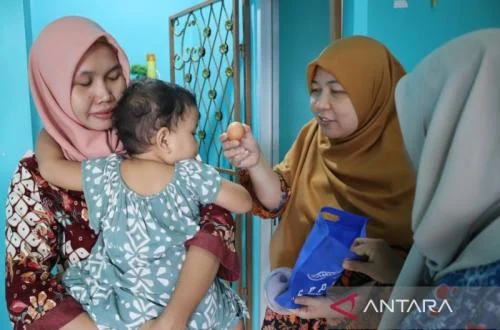
PANGKALPINANG, REPUBLIKA.CO.ID – The National Population and Family Planning Board (BKKBN) of Bangka Belitung Province is intensifying its cross-sectoral coordination efforts to significantly accelerate the reduction of stunting cases and enhance the overall quality of families across the archipelago. This crucial initiative was underscored by Fazar Supriadi Sentosa, Head of the BKKBN Representative Office for Bangka Belitung, during a coordination meeting held in Pangkalpinang on Tuesday. The strategic gathering serves as a pivotal platform for harmonizing national and regional policies, fostering robust inter-agency synergy, and bolstering the effective implementation of the flagship ‘Bangga Kencana’ Program. This concerted push reflects a deep-seated commitment to addressing one of the nation’s most pressing public health and human development challenges, aiming to secure a healthier, more prosperous future for the families of Bangka Belitung.
Understanding the Imperative: Stunting and Family Quality
Stunting, defined as impaired growth and development that children experience from poor nutrition, repeated infection, and inadequate psychosocial stimulation, is a critical public health issue with far-reaching consequences. It is not merely about a child being short for their age; it signifies chronic malnutrition, particularly during the first 1,000 days of life (from conception to two years of age), leading to irreversible physical and cognitive damage. Children who are stunted often face reduced cognitive abilities, lower educational attainment, and decreased economic productivity in adulthood. They are also more susceptible to chronic diseases later in life, perpetuating a cycle of poverty and poor health.
Indonesia has been grappling with a high prevalence of stunting, prompting the government to declare it a national priority. President Joko Widodo has set an ambitious target to reduce national stunting rates to 14% by 2024. While national figures have shown a downward trend, significant regional disparities persist, and sustained, intensive efforts are required to meet this target. Bangka Belitung, like many other provinces, faces its unique challenges in this regard, making the BKKBN’s intensified coordination efforts critically important. The "quality of families" aspect intertwined with stunting reduction emphasizes a holistic approach, recognizing that a nurturing, well-informed, and economically stable family environment is fundamental to preventing stunting and fostering optimal child development. This includes aspects like access to healthcare, education, clean water, sanitation, and economic empowerment.
The ‘Bangga Kencana’ Program: A Holistic Framework
At the core of BKKBN’s strategy is the ‘Bangga Kencana’ Program, an acronym for ‘Pembangunan Keluarga, Kependudukan, dan Keluarga Berencana’ (Family Development, Population, and Family Planning). This comprehensive program extends beyond traditional family planning, encompassing a broader mandate to build resilient, prosperous, and high-quality families. Its pillars include:
- Family Development: Empowering families through various interventions such as parenting education, economic productivity programs for families (UPPKA), and support for adolescents.
- Population Management: Addressing demographic issues, including population growth rates, distribution, and dynamics, to ensure sustainable development.
- Family Planning: Providing access to and information on family planning services to enable couples to make informed decisions about family size and spacing, contributing to maternal and child health.
In 2021, BKKBN was officially appointed as the leading agency for accelerating stunting reduction efforts in Indonesia through Presidential Regulation Number 72 of 2021. This designation significantly expanded BKKBN’s role, mandating it to coordinate all related programs and initiatives across various ministries, agencies, and local governments. This crucial role highlights why cross-sectoral coordination, as emphasized by Fazar Supriadi Sentosa, is not merely beneficial but absolutely essential for the success of the national stunting reduction strategy, particularly through the Bangga Kencana framework.
The Coordination Meeting: Agenda and Objectives
The coordination meeting in Pangkalpinang, following up on initial discussions on Tuesday and slated for Wednesday, April 8th (though the original text mentions April 8th as Wednesday, indicating a potential date discrepancy with the Tuesday meeting mention, typical of news reports outlining ongoing or impending events), served as a critical "consolidation momentum" to reinforce shared commitments. Fazar Supriadi Sentosa articulated the meeting’s core objectives: to accelerate stunting reduction and enhance family quality in Bangka Belitung. The extensive agenda for the meeting underscored the complexity and multi-faceted nature of the challenge, reflecting a truly integrated approach:
- Policy Alignment: A primary goal was to ensure seamless alignment between central government policies and regional implementation strategies. This is vital to avoid duplication of efforts, optimize resource allocation, and ensure that national directives are effectively translated into actionable programs at the provincial and district levels.
- Strengthening Cross-Sectoral Synergy: Participants aimed to fortify collaboration among various government agencies, non-governmental organizations, and private sector partners. Stunting is a multi-dimensional problem that cannot be solved by a single sector. It requires integrated interventions spanning health, sanitation, food security, education, social welfare, and economic development.
- Presidential Priorities: The meeting discussed directives stemming from the President’s priority programs, particularly those focused on improving family welfare and accelerating stunting reduction, thereby ensuring that local efforts are in lockstep with national strategic goals.
- Ministerial Directives: Specific guidance from the Minister of Population and Family Development/Head of BKKBN was a key agenda item, providing a clear roadmap and updated strategies from the national leadership.
- Formal Commitments: A significant outcome included the signing of Memoranda of Understanding (MoU) between various stakeholders. These MoUs formalize commitments, delineate responsibilities, and foster accountability among participating entities, ensuring a structured approach to collaborative efforts.
- Targeted Assistance: Program Genting: The meeting also featured the symbolic handover of assistance under "Program Genting" (likely referring to a ‘Critical/Urgent Program’ or ‘Vulnerable Family Program’) to families identified as being at high risk of stunting. This direct intervention aims to provide immediate support and resources to the most vulnerable households, addressing critical needs such as nutritional support, access to health services, and improved sanitation.
- Nutritional Interventions: Program Makan Bergizi Gratis: A particularly strategic discussion point was the "Program Makan Bergizi Gratis" (Free Nutritious Meals Program) targeting pregnant women, breastfeeding mothers, and toddlers. This program directly tackles a primary cause of stunting: inadequate nutrition during critical developmental stages. Providing consistent access to nutritious food for these groups is paramount for preventing malnutrition from conception onwards and supporting healthy early childhood development.
- Evaluation and Future Planning: Participants engaged in an evaluation of the implementation of the Bangga Kencana Program for 2025 (likely referring to plans and targets for 2025, or an evaluation of ongoing 2024 programs with an eye towards 2025 strategies), identifying successes, challenges, and areas for improvement. This forward-looking assessment is crucial for adaptive planning and ensuring the program remains effective and responsive to evolving needs.
- Partner Engagement: The meeting aimed to strengthen the commitment of various strategic partners, recognizing their invaluable role in resource mobilization, technical assistance, and community outreach.
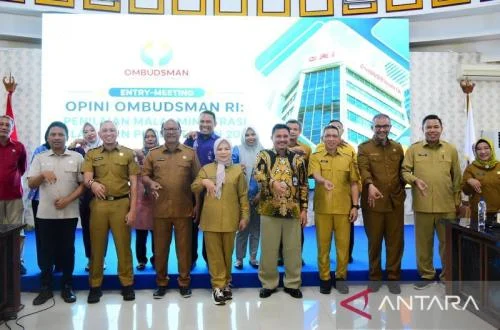
The breadth of participation in this coordination event underscored its significance. More than 150 individuals attended, representing a diverse array of stakeholders, including local government officials, members of the Regional Leadership Coordination Forum (Forkopimda), various Regional Apparatus Organizations (OPD), the Provincial Health Agency (Dinas Kesehatan), the Regional Development Planning Agency (Bappeda), and other vital strategic partners. This broad representation ensures that all relevant voices and capabilities are brought to bear on the challenge of stunting.
Statements and Inferred Reactions from Key Stakeholders
Fazar Supriadi Sentosa’s concluding remarks reiterated the profound aspirations behind these collaborative endeavors: "This participation is expected to strengthen cross-sectoral collaboration in family development, population, and family planning. This commitment aims to deliver programs that are more integrated, targeted, and have a tangible impact on the community, especially in realizing quality families and accelerating stunting reduction towards Indonesia Emas 2045." His vision emphasizes long-term impact and sustainability.
While specific quotes from other participants were not provided in the original dispatch, their presence and roles allow for logical inference of their perspectives and commitments:
- Local Government Representative (e.g., Governor’s Office/Mayor’s Office): A representative from the provincial or city government would likely emphasize the local administration’s unwavering support for national stunting reduction programs. They would highlight the importance of human capital development for regional progress, the allocation of local budgets to support these initiatives, and the critical role of community participation. Their statement might underscore how a healthy, well-educated populace contributes directly to the economic and social fabric of Bangka Belitung.
- Head of the Provincial Health Agency (Dinas Kesehatan): The Head of Dinas Kesehatan would focus on the health-specific interventions. This would include improving access to antenatal care for pregnant women, promoting exclusive breastfeeding, ensuring comprehensive immunization coverage, enhancing sanitation and hygiene practices, and strengthening the capacity of community health workers (Posyandu cadres). They would likely stress the importance of accurate data collection on stunting prevalence to guide targeted health interventions.
- Head of the Regional Development Planning Agency (Bappeda): Bappeda’s representative would articulate how stunting reduction programs are integrated into the province’s long-term development plans. Their statement would highlight the strategic allocation of resources, the need for inter-agency planning to avoid overlaps, and the importance of monitoring and evaluation frameworks to track progress against regional development goals. They might also touch upon the link between stunting reduction and broader socio-economic indicators.
- Forkopimda (Regional Leadership Coordination Forum) Member: A representative from Forkopimda, encompassing elements of law enforcement and military, would likely speak to the importance of a secure and stable environment for the successful implementation of public health programs. They might emphasize community engagement and the role of local leadership in mobilizing resources and ensuring the safety and accessibility of program activities, particularly in remote or challenging areas.
Broader Impact and Implications: Towards Indonesia Emas 2045
The coordinated efforts in Bangka Belitung carry significant implications, extending beyond the immediate goal of reducing stunting.
Economic Impact: Stunting has a profound economic cost. Studies have shown that countries with high stunting rates can lose several percentage points of their Gross Domestic Product (GDP) due to reduced productivity and increased healthcare expenditures. By investing in stunting reduction, Bangka Belitung is effectively investing in its future economy. A healthier, more cognitively developed workforce will be more productive, innovative, and resilient, contributing to higher per capita income and sustainable economic growth. The ‘Program Makan Bergizi Gratis’ and ‘Program Genting’ are direct investments in human capital, preventing future economic burdens.
Human Capital Development: The fight against stunting is fundamentally about human capital development. Preventing stunting ensures that children reach their full physical and intellectual potential. This translates into a generation with better educational outcomes, higher earning potential, and a greater capacity to contribute to society. For Bangka Belitung, this means a more skilled workforce, a stronger entrepreneurial base, and a more vibrant community overall.
Achievement of Sustainable Development Goals (SDGs): Indonesia is committed to achieving the United Nations Sustainable Development Goals (SDGs) by 2030. Stunting reduction directly contributes to several key SDGs, including:
- SDG 2: Zero Hunger (Target 2.2: End all forms of malnutrition).
- SDG 3: Good Health and Well-being (Target 3.2: End preventable deaths of newborns and children under 5 years of age; Target 3.4: Reduce by one-third premature mortality from non-communicable diseases).
- SDG 4: Quality Education (Stunting impairs cognitive development, hindering educational attainment).
- SDG 1: No Poverty (Breaking the intergenerational cycle of poverty linked to malnutrition).
By prioritizing stunting reduction, Bangka Belitung is actively contributing to Indonesia’s broader commitment to global sustainable development.
Challenges and Opportunities:
Despite strong political will and coordinated efforts, challenges remain. These include geographic disparities in access to services, cultural practices influencing nutrition, funding constraints, and the need for continuous, accurate data collection and monitoring. However, these challenges also present opportunities. Enhanced coordination can lead to more efficient resource allocation, innovative program designs tailored to local contexts, and stronger community engagement through local leaders and religious figures. The involvement of Forkopimda, for instance, can help address logistical and security issues in delivering services to remote areas.
Towards Indonesia Emas 2045:
The ultimate vision articulated by Fazar Supriadi Sentosa – "Indonesia Emas 2045" (Golden Indonesia 2045) – encapsulates the national aspiration to become a developed, prosperous, and globally competitive nation by its centennial independence. This vision hinges critically on the quality of its human resources. By significantly reducing stunting and nurturing high-quality families, Bangka Belitung is laying a fundamental cornerstone for this future. A generation free from the burdens of stunting will be more resilient, innovative, and capable of driving the nation’s progress towards becoming a leading global power.
In conclusion, the BKKBN Bangka Belitung’s intensified cross-sectoral coordination meeting is a critical step in a sustained, multi-faceted campaign to combat stunting and uplift family quality. By aligning policies, fostering synergy, and implementing targeted programs like ‘Bangga Kencana’, ‘Program Genting’, and ‘Program Makan Bergizi Gratis’, the province is demonstrating a robust commitment to public health and human development. These concerted efforts, supported by a broad coalition of stakeholders, are not just about improving health statistics; they are about investing in the potential of every child and family, thereby securing a brighter, more prosperous future for Bangka Belitung and contributing significantly to the realization of Indonesia Emas 2045.