Lusiana Hamidun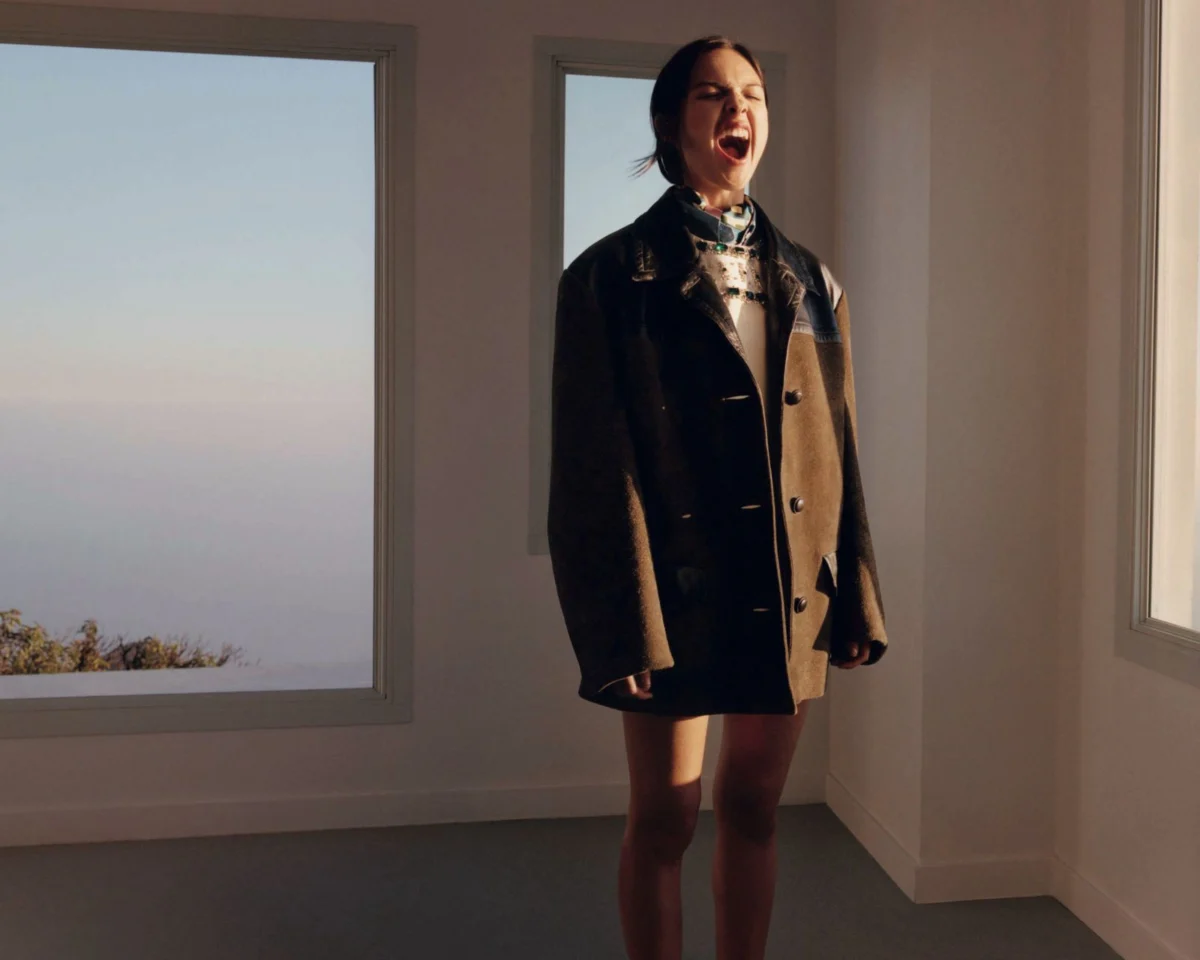
The fashion industry is undergoing a profound transformation, moving beyond static imagery to embrace the dynamic narrative power of cinema. Brands are no longer content with single advertisements; they are crafting intricate storylines that unfold across seasons, utilizing short films and serialized content as their primary storytelling medium. This shift, deeply inspired by filmmaking techniques, allows for a more immersive and emotionally resonant experience, where clothing is introduced gradually through mood and character rather than overt product placement.
This cinematic approach offers a fresh perspective for fashion. It provides a clear beginning, an evolving narrative, and deliberate pauses that encourage audience engagement and emotional connection. Viewers are invited into the story, allowing them to absorb the collection organically, making it feel less like a sales pitch and more like a living entity. This evolution marks a significant departure from traditional marketing strategies, where visual impact was paramount.
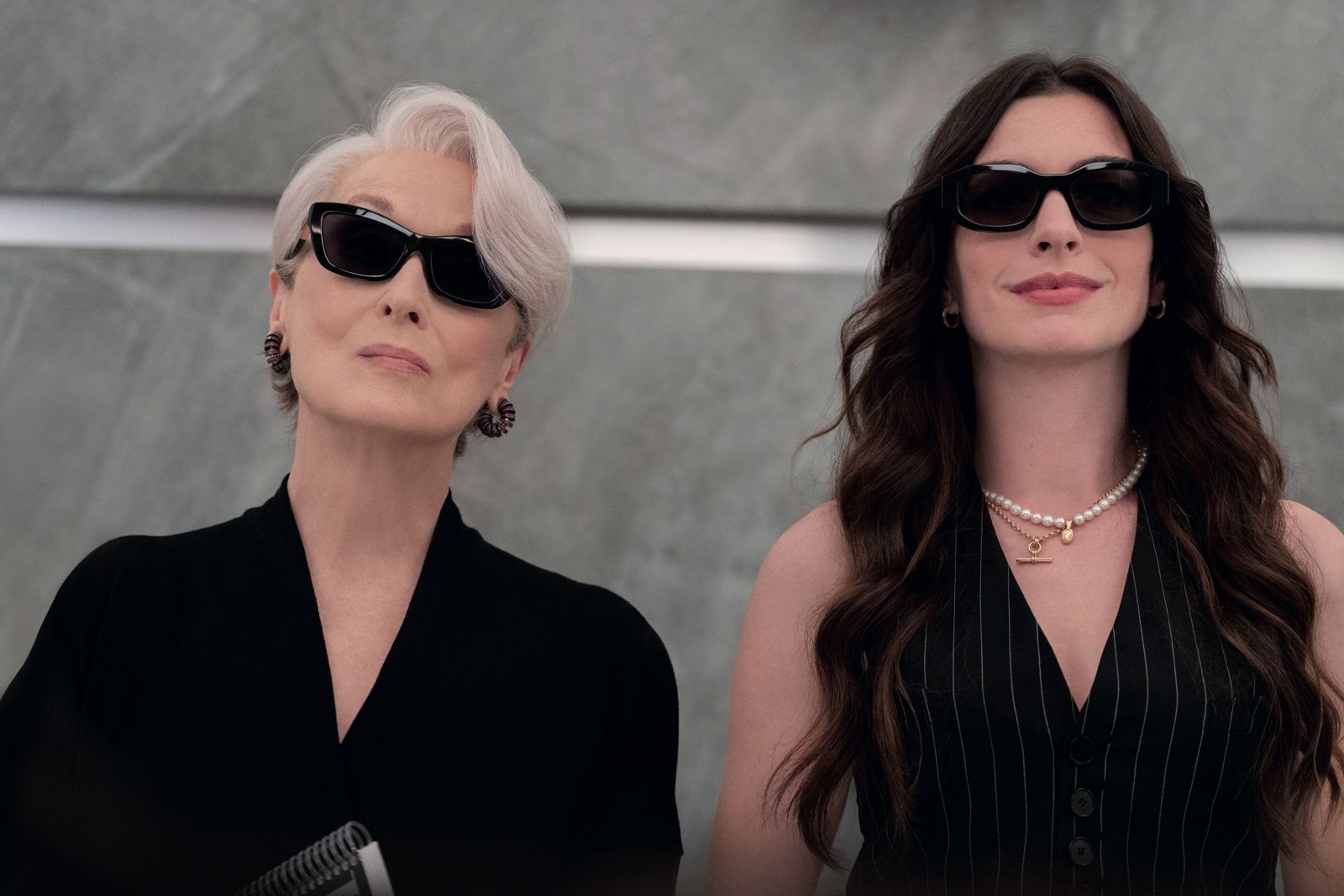
Simultaneously, the film industry is increasingly recognizing the potent influence of fashion. Costumes are evolving from mere accompaniments to essential tools for character development. The enduring impact of films like "The Devil Wears Prada" serves as a prime example, illustrating the intricate relationship between attire, power, and identity. The film, set against the backdrop of New York’s fashion landscape, prominently featured the work of stylist Patricia Field, who had previously defined the iconic styles of characters in "Sex and the City." The narrative powerfully demonstrated how a single, impeccably chosen trench coat paired with assertive sunglasses could forge a persona as formidable as Miranda Priestly.
The recent announcement of a sequel to "The Devil Wears Prada," slated for a 2026 release, has reignited interest in the original film and its sartorial legacy. Even before the new installment hits theaters, the fashion choices made during the filming process have become a focal point of discussion and analysis. The cast’s attendance at the Dolce & Gabbana Spring/Summer 2026 show, for instance, has fueled speculation about the stylistic direction of the upcoming film. Every outfit captured on set has been scrutinized, with creations from Jacquemus and Valentino already identified. These fictional silhouettes are circulating as style references, poised to be adopted by the public long before the film’s premiere.
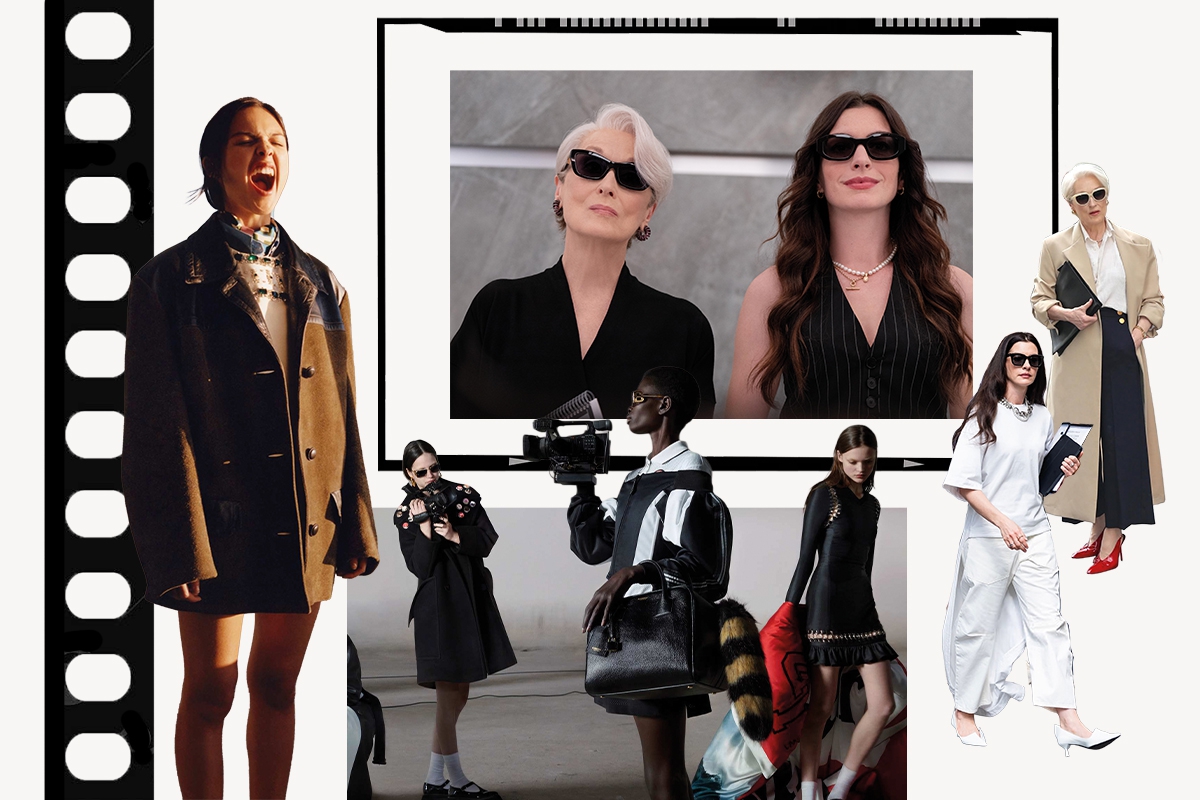
This symbiotic relationship between film and fashion is mutually reinforcing. Cinema provides a deeper emotional canvas for fashion, while fashion imbues films with a strong visual identity. Audiences remember not just the dialogue or plot, but also the defining garments—a particular coat, a specific shoe choice, or a silhouette that graced a pivotal scene.
The Crossover Appeal: From Screen to Street Style
The influence extends far beyond the silver screen. What characters wear transcends mere costume to become a tangible source of real-world style inspiration. Details meticulously crafted to define a character gradually transition into sartorial guidance. Fictional aesthetics seamlessly integrate into everyday wardrobes, demonstrating a potent synergy. Films shape our imagination, and fashion translates that vision into wearable reality. When this occurs, narratives transcend passive viewing to become an active part of our personal style choices.
This phenomenon is not accidental. A growing number of brands are consciously adopting cinematic approaches for their collection launches. Short films, visual series, and multi-season narratives are employed to sustain audience attention beyond fleeting moments. Fashion is no longer solely chasing viral trends but is actively cultivating deeper connections with its audience. In an era of rapid information flow, stories with depth and duration resonate with greater meaning.
However, the most compelling aspect of this evolution lies not just in the collaborations between fashion houses and the film industry, but in how we, as consumers and wearers, engage with fashion. We are no longer merely seeking trends but also seeking an atmosphere, a mood. We categorize styles akin to movie genres: dramatic, minimalist, nostalgic, optimistic. Clothing becomes an entry point into a world, rather than a simple choice for an occasion.
Data and Market Trends: The Rise of Narrative Marketing
The increasing investment in cinematic storytelling by fashion brands is supported by evolving consumer behavior and market trends. Research indicates a growing preference among younger demographics, particularly Gen Z and Millennials, for brands that offer authentic storytelling and create emotional connections. A 2023 study by Nielsen found that 60% of consumers are more likely to purchase from a brand that aligns with their values and tells a compelling story.
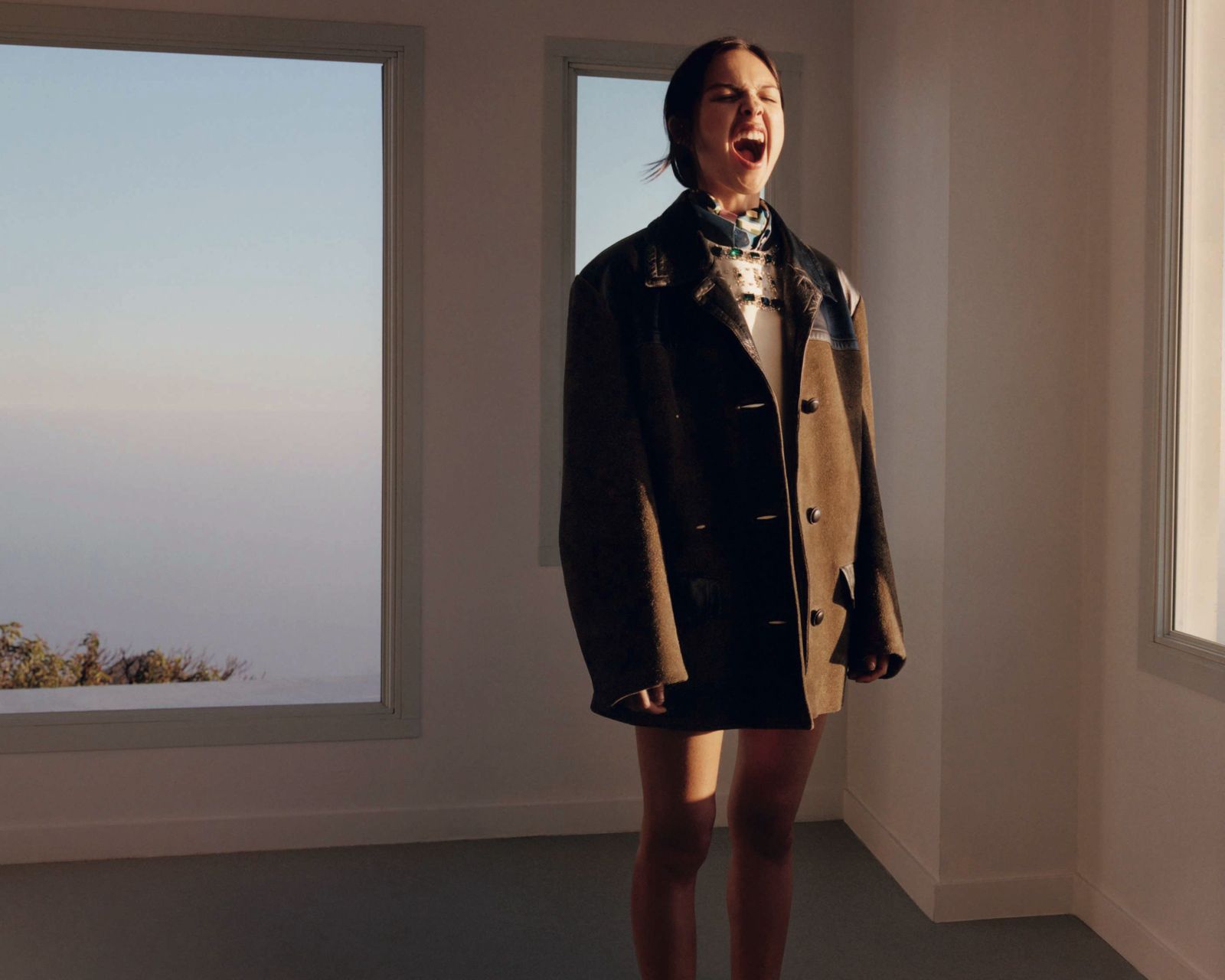
The luxury fashion sector, in particular, has been a pioneer in this shift. Brands like Gucci, under the creative direction of Alessandro Michele, heavily utilized surreal and cinematic campaigns to build a distinct brand universe. Their "Gucci Garden" series, for example, created a fantastical world that resonated deeply with a global audience. Similarly, Prada has consistently employed short films and collaborations with renowned directors to imbue its collections with a sense of artistry and intellectual depth.
The economic implications are significant. Brands that successfully integrate narrative into their marketing can foster stronger brand loyalty and command premium pricing. The extended engagement generated by serialized content also offers a more sustainable model than the constant demand for newness in traditional fashion cycles. This approach allows for a deeper exploration of themes and inspirations, providing a richer context for the collections.
Industry Reactions and Expert Analysis
Fashion critics and industry analysts have noted the profound impact of this cinematic integration. "Fashion has always been about fantasy and aspiration, but the way brands are now using film is elevating that to an entirely new level," states Dr. Evelyn Reed, a cultural studies professor specializing in fashion and media at the London College of Fashion. "They are not just selling clothes; they are selling an experience, a narrative, and an identity that consumers can inhabit."
The success of this strategy is often measured not just by immediate sales but by the longevity of brand engagement and cultural impact. Films like "The Devil Wears Prada" continue to influence style conversations over two decades after their release, underscoring the power of well-executed sartorial storytelling. The anticipation surrounding its sequel highlights how deeply these narratives are embedded in the cultural consciousness.
Challenges and the Path Forward
While the trend is undeniably powerful, not all cinematic endeavors in fashion achieve the desired impact. Some campaigns remain superficial, prioritizing aesthetics over substance, resulting in visually appealing but ultimately forgettable content. Conversely, films that excessively focus on showcasing garments can sometimes dilute their narrative core, losing their storytelling power.
"The key is balance," explains fashion historian and curator, Marcus Bellweather. "A successful campaign or film will seamlessly weave the clothing into the fabric of the story. The fashion should enhance the narrative, and the narrative should provide a compelling context for the fashion. When this synergy is achieved, it creates a lasting impression."
The shift is evident: runways remain crucial, and editorial photography retains its relevance, but storytelling now extends far beyond a single moment. Fashion no longer aims to be merely a snapshot; it aspires to be a memorable scene that lingers in the mind long after the credits roll.
The Future of Fashion Storytelling
Ultimately, the most significant transformation lies in how we, the audience and consumers, interact with fashion. We are moving beyond simply following trends to seeking a broader emotional and atmospheric resonance. Style is becoming akin to genre classification—dramatic, minimalist, nostalgic, optimistic. Clothing serves as a portal to a distinct world, rather than merely an outfit for a specific occasion.
As fashion increasingly adopts a cinematic lens, and cinema acknowledges fashion’s integral role, the relationship evolves. It’s not just about collaboration; it’s about a fundamental shift in perception. We are no longer just observing; we are participating, becoming immersed, and slowly, organically, weaving ourselves into the unfolding narrative. This interconnectedness between film and fashion promises a richer, more engaging, and deeply personal experience for all involved.
This evolution is reflected in the increasing demand for content that offers depth and context. Fashion publications, like Harper’s Bazaar, are recognizing this by featuring in-depth analyses of fashion narratives, as seen in articles like "The New Uniform: Cerminan Gaya Hidup Modern Masa Kini" and predictions for "Fashion from Bazaar for the Year 2026." The upcoming discussion on "Narasi Mode & Sinema" in the print edition of Harper’s Bazaar Indonesia further underscores the industry’s focus on this burgeoning trend.