Nasution Nanang
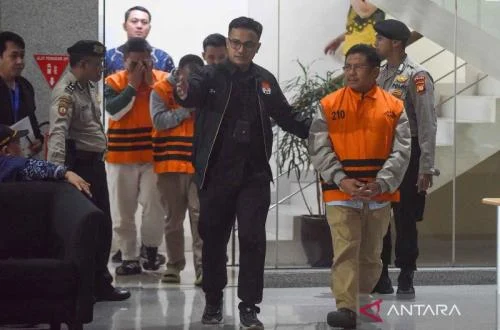
The diligent efforts of the Karawang Police have culminated in the arrest of a former employee of PT HM Sampoerna Tbk, identified by the initials N, aged 34, who is suspected of orchestrating a series of motorcycle thefts within the factory premises. The arrest, executed by the Resmob Unit Jatanras of the Karawang Police Criminal Investigation Department (Satreskrim), took place on Tuesday, April 7, at a residence in Perumahan Bumi Karawang Baru, Desa Telukjambe, Kecamatan Telukjambe Timur, Karawang. This significant breakthrough underscores the police’s commitment to combating crime in the region’s vital industrial zones and highlights the persistent challenges faced by large corporations in securing their assets and ensuring employee safety. The perpetrator is believed to have leveraged his prior knowledge of the factory layout and security protocols to facilitate the thefts, raising pertinent questions about internal security vulnerabilities and the broader implications for industrial security across Karawang.
Detailed Chronology of the Incidents and Investigation
The investigation into the motorcycle thefts began following two separate police reports filed with the Telukjambe Timur Sector Police on March 13, 2026. The pattern of the crimes suggested a coordinated effort, prompting the Resmob Unit to launch a comprehensive inquiry.
The first incident occurred on Wednesday, February 11, 2026. Sukartin, an employee at PT HM Sampoerna Tbk, reported the disappearance of his Honda Beat motorcycle from the factory’s designated parking area. The loss was a significant blow, as motorcycles are often the primary mode of transportation for many industrial workers in Karawang, directly impacting their daily commute and livelihood. The initial report detailed the circumstances of the discovery, with Sukartin finding his parking spot empty upon finishing his shift, a common scenario that often leaves victims feeling helpless and frustrated.
Barely a month later, on Friday, March 13, 2026, a similar crime transpired. Muamar, another employee, also reported his Honda Beat missing from the same factory parking area while he was at work. The striking similarity in the target vehicle type and the location immediately raised suspicions among both the factory’s security personnel and the police that these were not isolated incidents but rather part of a targeted scheme. The proximity in time and location strongly indicated a single perpetrator or a coordinated group operating with a distinct methodology.
According to statements provided by the factory’s security officers, an unidentified individual was observed on separate occasions maneuvering motorcycles out of the parking area without proper authorization. These observations, though initially vague, became critical pieces of the puzzle as the investigation progressed. The police, led by the Resmob Unit, meticulously collected available evidence. A crucial turning point in the investigation was the analysis of CCTV footage from the factory premises. The footage, which reportedly circulated on social media, played an indispensable role in providing visual leads. Investigators painstakingly reviewed hours of surveillance recordings, piecing together the movements of the suspect. This detailed forensic analysis of the video evidence allowed authorities to establish a clear timeline of the thefts and, more importantly, to identify the individual responsible. The suspect’s familiarity with the area and ability to navigate the factory’s security measures suggested an intimate knowledge of the premises, which eventually pointed towards an individual with a prior connection to the company.
Following the thorough analysis of the CCTV footage and corroborating witness accounts, the identity of the perpetrator was successfully determined. The suspect, identified as N, was found to be a former employee of PT HM Sampoerna Tbk, a critical detail that immediately explained his ability to operate with such apparent ease within the factory grounds. N, a resident of Dusun Tegal Buah, Desa Ciptamargi, Kecamatan Cilebar, Karawang, was subsequently tracked to his current residence in Perumahan Bumi Karawang Baru. The swift action of the police culminated in his apprehension on April 7. During the arrest, police successfully recovered one unit of a blue Honda Beat Deluxe motorcycle, which was confirmed to be one of the stolen vehicles, serving as concrete evidence against the suspect.
Karawang: An Industrial Powerhouse and Its Security Landscape
Karawang, situated in West Java, Indonesia, stands as one of the nation’s most significant industrial hubs. Its strategic location, extensive infrastructure, and proximity to Jakarta have attracted numerous multinational and domestic corporations, making it a cornerstone of Indonesia’s manufacturing and export economy. Major industries, ranging from automotive and electronics to textiles and consumer goods, have established their operations here, drawing a vast workforce from across the region. This rapid industrialization, while bringing immense economic benefits, also presents unique challenges, particularly concerning security.
The sheer scale of industrial activity in Karawang means a high density of factories, warehouses, and logistical centers, each employing thousands of workers. This creates sprawling complexes with extensive parking facilities, often housing hundreds, if not thousands, of motorcycles and cars belonging to employees. While companies invest heavily in security infrastructure, including fences, guards, and CCTV systems, the vastness of these areas and the constant flow of people—employees, contractors, visitors—can create vulnerabilities. Motorcycle theft, in particular, remains a prevalent issue in Indonesia, often driven by economic factors and the relatively easy resale value of stolen parts or entire vehicles in black markets. For criminals, industrial zones with their concentrated assets and predictable employee routines can become attractive targets. The case of N further illustrates the heightened risk when perpetrators possess insider knowledge, allowing them to exploit subtle weaknesses in security protocols that might otherwise go unnoticed by external threats.
The Insidious Threat of Insider Knowledge: Former Employees and Trust
The fact that the perpetrator, N, was a former employee of PT HM Sampoerna Tbk adds a significant layer of complexity to this case and highlights a critical security concern for large corporations. Insider threats, whether from current or former employees, are often considered more dangerous than external threats due to the unique access and knowledge these individuals possess.
A former employee like N would have been intimately familiar with the factory’s layout, including the most active and least monitored parking areas, security blind spots, shift change timings, and the routines of security personnel. This knowledge could extend to understanding the type of motorcycles commonly owned by employees, the effectiveness of existing surveillance cameras, and even the nuances of access control systems. Such detailed insight allows a perpetrator to plan and execute thefts with a higher degree of precision and a lower risk of immediate detection, as they might know how to avoid patrols or manipulate entry/exit points.
The breach of trust inherent in such a crime can have far-reaching implications. It not only leads to direct financial losses for the victims and the company (in terms of reputation and potential insurance claims) but also fosters an environment of suspicion among current employees. Companies are then compelled to re-evaluate their human resources policies, particularly concerning exit procedures, credential revocation, and post-employment monitoring, where legally permissible. The incident underscores the importance of robust background checks, continuous security training for all personnel, and the implementation of multi-layered security systems that do not solely rely on physical barriers but also incorporate advanced surveillance, access control, and vigilant human oversight.
Official Responses and Broader Implications
Following the arrest, official statements and reactions have begun to surface, outlining the commitment of law enforcement and the concerns of the affected company.
Ipda Cep Wildan, Kasie Humas Polres Karawang, reiterated the police’s unwavering dedication to maintaining public order and safety. "This arrest sends a clear message that criminal activities, particularly those targeting the hard-working citizens in our industrial zones, will not be tolerated," he stated. "Our Resmob Unit demonstrated exceptional skill and persistence in tracing the suspect, leveraging modern investigative techniques, including detailed CCTV analysis. We urge all factory managements to continue enhancing their security measures and for employees to remain vigilant and report any suspicious activities promptly. Community cooperation is paramount in our fight against crime."
While PT HM Sampoerna Tbk has not issued a detailed public statement regarding the incident, it is highly probable that the company is undertaking a thorough review of its internal security protocols. In similar situations, companies typically express regret over the incident, affirm their commitment to employee safety and asset protection, and pledge full cooperation with law enforcement agencies. Such incidents often trigger internal audits of security infrastructure, including the placement and quality of CCTV cameras, the frequency and effectiveness of security patrols, and the robustness of access control systems. There might also be a review of HR procedures related to employee exits and the management of former employee access to company information or premises.
Security experts consulted on the matter emphasized the growing complexity of securing large industrial sites. "Modern industrial security requires an integrated approach," noted Dr. Budi Santoso, a prominent security consultant specializing in industrial complexes. "It’s not just about guards and gates anymore. It involves sophisticated CCTV with analytics, robust access control systems, regular vulnerability assessments, and, crucially, a strong security culture among employees. The insider threat, especially from former employees who retain detailed knowledge, is particularly challenging. Companies must invest in advanced systems and ensure their security personnel are well-trained to identify and mitigate these specific risks."
For the victims, Sukartin and Muamar, the arrest brings a significant sense of relief. The loss of a motorcycle in Indonesia represents a substantial financial burden and a major disruption to daily life. The recovery of one of the stolen vehicles offers a glimmer of hope for restitution, though the full impact of the theft, including potential lost wages or the cost of alternative transportation, remains. The psychological impact of being targeted, even indirectly, within one’s workplace can also be considerable.
Legal Framework and Prevention Strategies
N has been charged under Article 477 of the Indonesian Criminal Code (KUHP), which pertains to aggravated theft (Pencurian dengan Pemberatan). While the more commonly cited article for aggravated theft is Article 363 KUHP, the specific application of Article 477 by the police indicates the particular circumstances or elements they believe apply to this case. Aggravated theft typically involves circumstances that make the crime more serious, such as theft committed at night, in a public place, by two or more persons, with the use of force, or, as is often inferred in cases like this, by exploiting a vulnerable situation or a breach of trust. The maximum penalty for aggravated theft under Indonesian law is seven years imprisonment. This severe penalty reflects the seriousness with which the Indonesian legal system views crimes that cause significant material loss and disrupt public order, especially in critical economic sectors.
This incident serves as a crucial learning experience for industrial complexes throughout Karawang and beyond. Several prevention strategies can be reinforced:
- Enhanced Surveillance and Technology: Investing in high-resolution CCTV systems with advanced analytics capabilities (e.g., facial recognition, unusual behavior detection) can significantly improve monitoring and deterrence. Regular maintenance and strategic placement of cameras are essential.
- Robust Access Control Systems: Implementing multi-factor authentication for entry and exit, including biometric scanners or smart card systems, can restrict unauthorized access more effectively. Clear protocols for managing access for employees, contractors, and visitors are vital.
- Regular Security Audits: Conducting frequent and comprehensive security audits by independent experts can help identify vulnerabilities in physical security, electronic systems, and operational procedures.
- Employee Security Awareness Training: Educating employees about security risks, encouraging them to report suspicious activities, and promoting best practices for securing personal belongings can create a collective security culture.
- HR and Exit Management Protocols: Strengthening HR procedures regarding employee termination, including immediate revocation of access credentials, exit interviews to understand potential grievances, and clear communication about post-employment conduct, can mitigate insider threats.
- Collaboration with Law Enforcement: Maintaining strong communication channels and collaborative frameworks with local police forces ensures a rapid and coordinated response to security incidents.
The arrest of N by the Karawang Police is a testament to effective law enforcement and investigative work. It not only brings a perpetrator to justice but also casts a spotlight on the continuous need for vigilance and robust security measures within Indonesia’s vital industrial sectors. As Karawang continues to grow as an economic engine, the lessons learned from this case will undoubtedly contribute to fostering a safer and more secure environment for its businesses and its workforce.