Tata Titiana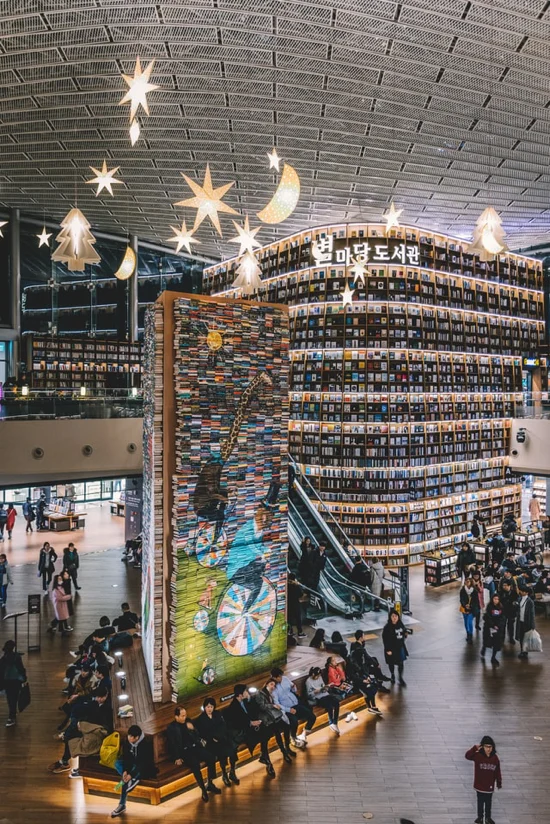
South Korea has solidified its position as a premier global tourist destination, with a significant surge in interest from international travelers, including a notable increase in visitors from Indonesia. This burgeoning popularity can be attributed, in large part, to the widespread accessibility and captivating narratives of Korean dramas (K-dramas). The picturesque and often iconic backdrops featured in these series have ignited a desire among viewers to experience these locations firsthand, transforming the dream of K-drama immersion into a tangible travel pursuit. Beyond their cinematic appeal, these destinations offer rich cultural experiences, breathtaking scenery, and vibrant urban landscapes, catering to a diverse range of traveler preferences.
Geonbae: A Metropolis of Lights and Lively Evenings
For those seeking to immerse themselves in the pulsating heart of a modern metropolis, Geonbae emerges as a compelling choice. This distinctive locale, characterized by its dynamic urban ambiance, is renowned for its vibrant streetscape lined with an eclectic array of bars and entertainment venues. Geonbae’s visual appeal is striking, exuding an undeniable urban sophistication that resonates with the energetic spirit of South Korea’s major cities. The thoroughfare is a constant hive of activity, drawing a consistent flow of both local residents and international tourists at all hours. This perpetual liveliness contributes to its allure, offering visitors a glimpse into the nocturnal social scene and the vibrant pulse of city life.
The appeal of Geonbae lies not only in its visual presentation but also in its accessibility and the sheer variety of experiences it offers. Visitors can find everything from intimate, dimly lit cocktail lounges to bustling, music-filled establishments. This diversity ensures that there is something to suit every mood and preference, whether one is looking for a quiet drink with friends or a night of lively celebration. The constant stream of people, illuminated by the neon glow of signage, creates a captivating spectacle that is both exhilarating and quintessentially urban. This dynamic atmosphere makes Geonbae a popular spot for photographers and those seeking to capture the essence of Seoul’s energetic nightlife.
Daehakro: The Cultural Artery of Performance and Art
Daehakro stands as a testament to South Korea’s deep-rooted appreciation for the arts and performing traditions. This culturally significant street, stretching approximately 1.6 kilometers, is often likened to the renowned Broadway in the United States, serving as a vital hub for artistic expression. Daehakro is home to numerous theaters and performance spaces that remain actively engaged in showcasing a wide spectrum of South Korean performing arts. Visitors can expect to encounter a rich tapestry of theatrical productions, musical performances, dance recitals, and other artistic endeavors that highlight the nation’s vibrant cultural heritage.

The significance of Daehakro extends beyond its role as a performance venue; it is a living museum of South Korea’s artistic evolution. The street’s architecture often reflects a blend of historical charm and modern innovation, mirroring the dynamic nature of the arts it hosts. The consistent presence of students from nearby arts universities further imbues Daehakro with a youthful energy and a sense of creative exploration. This creates an environment where emerging talents can hone their craft and established artists can continue to push creative boundaries. The density of theaters and galleries along Daehakro makes it a prime destination for cultural tourism, offering a comprehensive immersion into the South Korean performing arts scene.
The area’s reputation as an artistic epicenter has been cultivated over decades, with a sustained commitment from both public and private sectors to foster its growth. This has led to the establishment of a robust ecosystem that supports artists, performers, and cultural institutions. The annual Daehakro Festival, for instance, draws thousands of visitors and showcases a diverse program of performances, solidifying its status as a significant cultural event. For tourists interested in experiencing the soul of South Korean artistry, a visit to Daehakro is an essential part of any itinerary.
Starfield Library: An Architectural Marvel of Literary Grandeur
For an experience that transcends the conventional, the Starfield Library in Seoul offers a unique blend of architectural brilliance and intellectual immersion. This expansive public library, located within the Starfield COEX Mall, is more than just a repository of books; it is a breathtaking space designed to inspire and captivate. Visitors are immediately struck by the sheer scale of the library, with towering bookshelves reaching an impressive height of approximately 13 meters. These monumental shelves house a vast collection of books, documents, and memoirs sourced from across South Korea, making it one of the most comprehensive libraries in Seoul.
The design of the Starfield Library is a deliberate masterpiece, featuring open spaces, comfortable seating areas, and strategically placed lighting that create an inviting and serene atmosphere. The visual impact of the towering shelves, filled with a kaleidoscope of book spines, is truly awe-inspiring and has become a sought-after backdrop for photography and social media sharing. The library’s innovative approach to library design has garnered international recognition, highlighting its success in transforming a traditional space into a contemporary cultural landmark. It serves not only as a place for quiet study and research but also as a social gathering point and a cultural attraction in its own right.
The library’s collection is meticulously curated, offering a wide range of genres and subjects, from contemporary fiction and bestsellers to academic texts and historical archives. This commitment to providing a diverse and accessible collection underscores its role as a vital resource for both the local community and international visitors. The Starfield Library exemplifies how public spaces can be reimagined to foster intellectual curiosity and provide unique cultural experiences. Its integration within a bustling shopping mall also allows for a seamless blend of leisure and learning, offering visitors a multifaceted experience.

Broader Implications for South Korea’s Tourism Sector
The increasing popularity of destinations like Geonbae, Daehakro, and Starfield Library underscores a significant trend in South Korea’s tourism strategy: the leveraging of cultural soft power. The global phenomenon of K-dramas and K-pop has created a powerful cultural export that directly translates into increased tourist arrivals. The ability of these fictional narratives to inspire real-world travel demonstrates a sophisticated understanding of cultural marketing and its direct economic impact.
The consistent influx of tourists seeking to replicate K-drama scenes translates into substantial economic benefits for South Korea. This includes increased revenue for hospitality sectors, local businesses, and transportation services. Furthermore, it fosters job creation within the tourism industry and related sectors. The diversification of tourist attractions, moving beyond traditional historical sites to include modern, culturally resonant locations, also broadens the appeal of South Korea as a travel destination, attracting a wider demographic of visitors.
The South Korean government and tourism bodies have actively supported this trend by promoting these locations through various channels, including international media campaigns and collaborations with entertainment companies. This strategic approach has proven highly effective in capitalizing on the global fascination with Korean culture. The continued development and promotion of such unique and culturally significant sites are likely to ensure South Korea’s sustained prominence on the global tourism map.
Sustaining Momentum and Future Prospects
As South Korea continues to evolve as a global cultural powerhouse, the demand for authentic experiences that connect with its popular entertainment is expected to remain strong. The success of destinations that embody the aesthetic and thematic elements of K-dramas serves as a blueprint for future tourism development. Investing in the preservation and enhancement of these sites, while also identifying and developing new attractions that align with cultural trends, will be crucial for maintaining this momentum.
The narrative of South Korea’s tourism success is not solely defined by its blockbuster dramas but also by its ability to translate that cultural influence into tangible, memorable travel experiences. From the vibrant urban energy of Geonbae to the artistic soul of Daehakro and the architectural wonder of Starfield Library, these destinations offer a compelling glimpse into the multifaceted appeal of South Korea, inviting visitors to step into the worlds they have long admired on screen and create their own unforgettable memories. The continued integration of cultural storytelling with strategic tourism development promises a bright future for the nation’s travel industry.