Nila Kartika Wati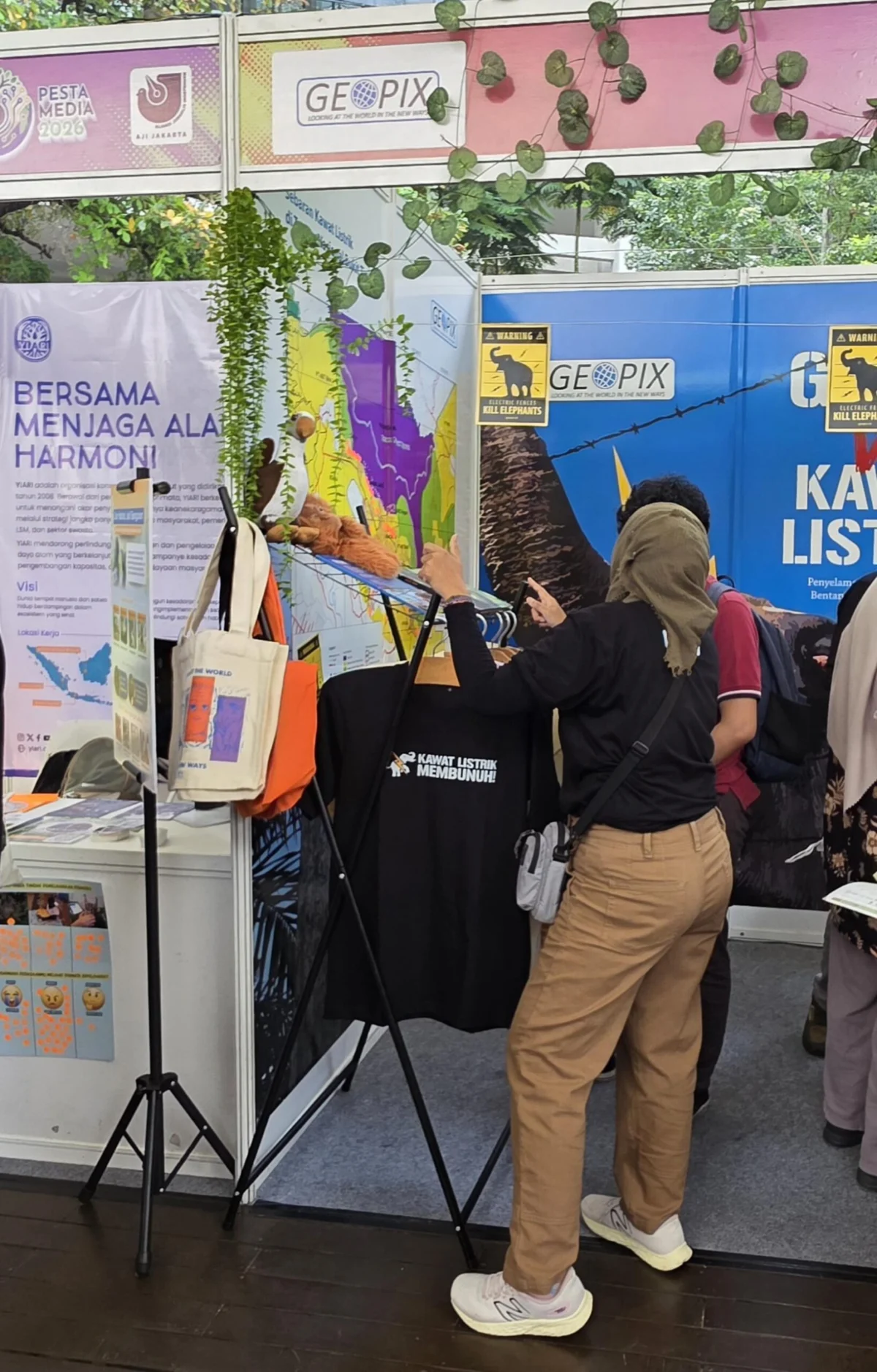
The voices emerged from a modest stage at Taman Ismail Marzuki, yet the resonance of their message transcended the walls of the theater. Journalists, environmental activists, and indigenous forest protectors gathered in Central Jakarta to address a crisis that is not merely an ecological threat but a catalyst for deepening social and gender inequalities. The opening talk show of the Pesta Media AJI Jakarta 2026, titled "Marginalized Lenses: The Voice of Female Journalists in the Climate Crisis and Vulnerable Groups," served as a critical platform for three prominent female journalists—Evi Mariani, Nany Afrida, and Sapariah Saturi—to dissect how women experience, survive, and report on the global climate emergency.
The central thesis of the discussion was clear: the climate crisis is not just a collection of statistics or temperature anomalies; it is a lived reality etched into the bodies, living spaces, and livelihoods of the marginalized. For Nany Afrida, the Chairperson of the Alliance of Independent Journalists (AJI) Indonesia, the challenges facing female journalists are deeply structural. She noted that women represent only about 21.5% of the journalistic workforce in Indonesia—a figure that underscores a significant gender imbalance within the media industry.
"This discrimination is systemic; it is not a series of individual cases," Afrida stated. She highlighted the multi-layered pressures female journalists endure, ranging from gender-based violence and newsroom discrimination to the "double burden" of domestic responsibilities and the rising threat of digital attacks. In many instances, she argued, this violence has been normalized, while institutional protection mechanisms within newsrooms remain alarmingly weak. This environment forces female journalists to fight two battles simultaneously: the pursuit of truth and the preservation of their own safety.
The Necessity of a Female Perspective in Environmental Reporting
Sapariah Saturi, Managing Editor of Mongabay Indonesia, argued that the presence of female journalists is a fundamental necessity for robust reporting rather than a mere matter of representation. She pointed out that certain critical issues—such as sexual violence in conflict zones or the specific impacts of climate change on rural women—often remain unexplored without the involvement of female reporters.
"There are spaces that male journalists simply cannot enter," Saturi explained. "When women take the lead in reporting, the investigation goes deeper, and the perspective becomes significantly richer." In the context of the climate crisis, women often face "layered impacts." Beyond losing their primary sources of income, they face specific physiological and social challenges that are frequently overlooked in mainstream, male-dominated reports.
However, increasing the number of female journalists, especially in remote regions, remains a significant hurdle. Saturi emphasized the need for newsrooms to actively cultivate female talent by recruiting from universities, civil society organizations, and local writing communities. "There must be a conscious realization from newsrooms that this is essential," she added, calling for media outlets to develop a heightened sensitivity in seeking out and supporting female voices.
Evi Mariani, the founder of Project Multatuli and former Managing Editor at The Jakarta Post, echoed these sentiments. She noted that female journalists have successfully pushed "unimportant" stories into the spotlight. She cited the example of "baby blues" or postpartum depression—a condition that was long ignored by the media because it did not align with the personal experiences of male editors.
"Female journalists bring a new perspective. They can reach sources that have remained unheard for decades," Mariani said. She also pointed out the scarcity of female photojournalists in Indonesia, suggesting that journalism is not just about the event being reported, but about who is granted the authority to tell the story.
Indigenous Voices: The Forest as a Mother
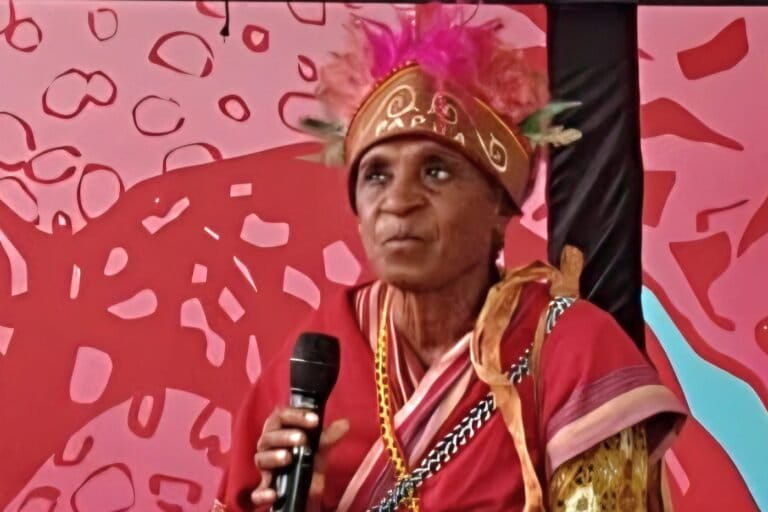
The discourse shifted from the newsroom to the frontlines of conservation: the rainforests of Papua. In a subsequent session titled "Voices of Indigenous Women, the Future of the Papua Forest," Marice Sianggo, an indigenous leader from the Nakna sub-tribe in South Sorong, shared a profound perspective on the relationship between humanity and nature.

"The forest is our mother," Sianggo declared. For the Nakna people, the forest is not a "resource" to be exploited but a living space that holds their history, spirituality, and identity. It is where women forage for food, care for their families, and maintain the balance of life. "If the forest is destroyed, we are destroyed," she warned, framing the climate crisis as an existential threat to indigenous survival.
This sentiment was supported by Fitri Hasibuan, Vice President of the Conservation Indonesia Program. She highlighted the global importance of Papua’s forests as vital carbon sinks. "The forests in Sorong are still dense, filled with sago and other essential ecosystems. When indigenous communities protect their forests, they are protecting the global climate balance," Hasibuan noted. She argued that conservation efforts are inseparable from the recognition of indigenous rights, including land tenure, local wisdom, and the right to participate in decision-making processes.
Journalist Margareth Aritonang criticized the prevailing media narratives regarding Papua, which she argued are still dominated by the perspectives of the state or urban elites. She called for a "constructive journalism" approach that prioritizes the voices of indigenous women and tribal elders. This approach requires journalists to move beyond reporting on conflict and instead highlight stories of resilience, local knowledge, and hope.
A 14-Year Hiatus: The Return of Pesta Media
The Pesta Media AJI Jakarta 2026 marks a significant milestone for the Indonesian media landscape, returning after a 14-year hiatus. The event, held at the Wahyu Sihombing Theater, was officially opened by Irsyan Hasyim, Chairman of AJI Jakarta. Under the theme "Facing for Future, Collaboration for Our Nature," the two-day event (April 11-12, 2026) aims to foster collaboration between journalists, activists, academics, and the public to confront the climate emergency.
"The climate and environmental issues were chosen because they represent the most tangible challenges we face today, including for journalists," Hasyim stated during his opening remarks. He expressed hope that the event would become an annual fixture for AJI Jakarta and serve as a precursor to the national AJI Indonesia Media Festival scheduled for September 2026 in Batam.

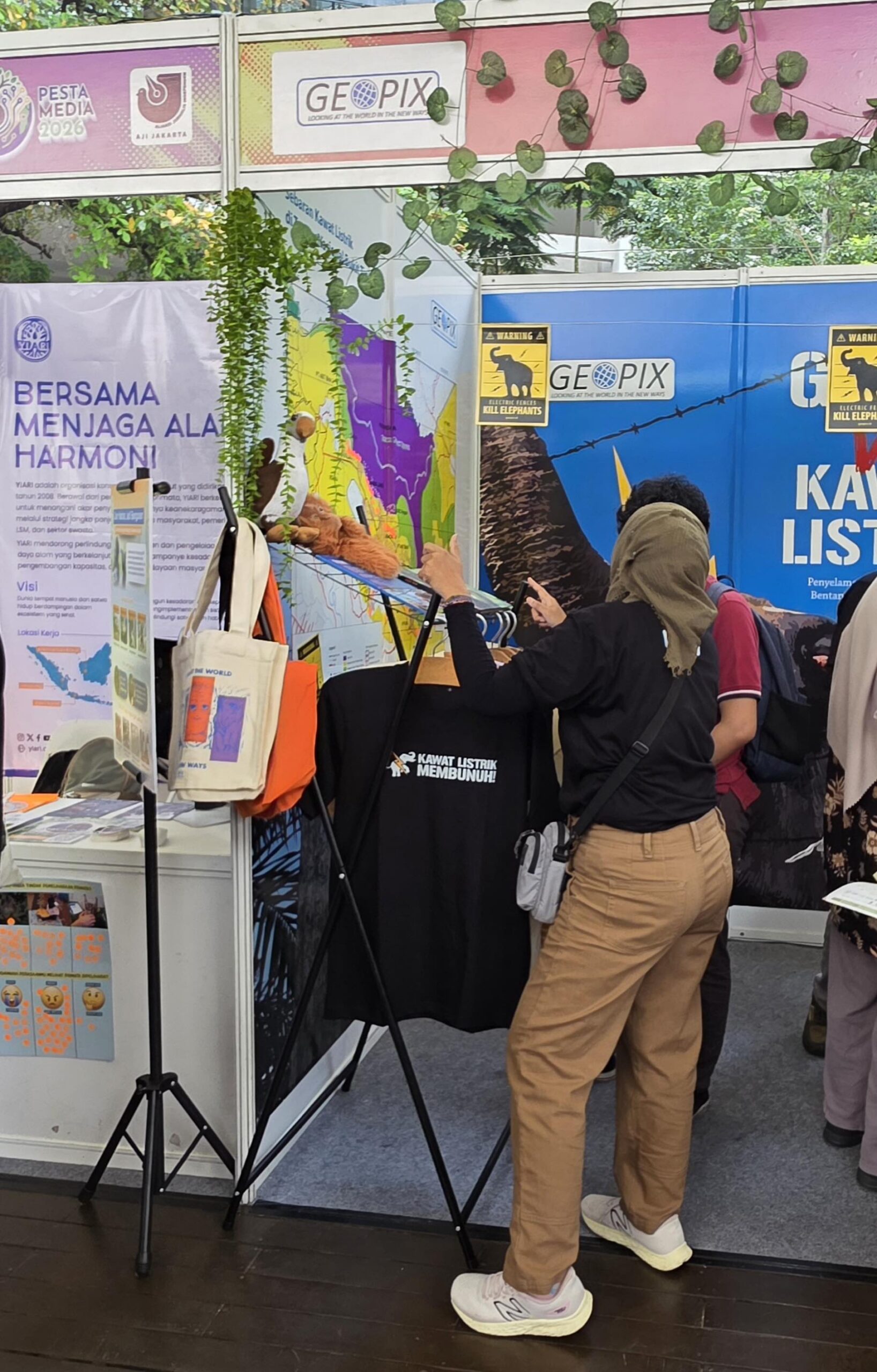
The event features a diverse array of activities, including photography exhibitions, workshops, film screenings, and zine-making sessions. Discussion topics range from the vulnerability of female journalists in the newsroom and the future of traditional media to wildlife conservation, waste management, and the impacts of coal and nickel mining on local communities.
Data and Analysis: The Broader Implications of Climate Injustice
The themes discussed at Pesta Media are backed by sobering data regarding Indonesia’s environmental and social landscape. According to the Global Forest Watch, Indonesia has lost a significant portion of its primary forest cover over the last two decades, though rates have fluctuated due to various government moratoriums. Papua remains the last frontier of pristine rainforest in the country, holding roughly 38% of Indonesia’s remaining primary forest.
The intersection of gender and climate is equally critical. United Nations data suggests that 80% of people displaced by climate change globally are women. In Indonesia, rural women often bear the responsibility of securing water, food, and fuel. As climate change leads to erratic weather patterns and resource scarcity, the workload and physical risks for these women increase exponentially.
Furthermore, the safety of journalists remains a pressing concern. Reports from AJI and SAFEnet have consistently shown that journalists covering environmental issues—often involving powerful extractive industries—face high risks of physical violence, criminalization, and digital doxing. For female journalists, these risks are frequently compounded by sexual harassment and gender-based smears.
Conclusion: Journalism as a Tool for Justice
The overarching message of Pesta Media 2026 is that the climate crisis is, at its core, a crisis of justice. It does not affect everyone equally; women, indigenous communities, and the poor bear the heaviest burdens while having the least influence over global policy.
Through this forum, AJI Jakarta has reasserted the role of journalism as a vital tool for social change. By amplifying the voices of those on the margins—from the female editors in Jakarta to the indigenous protectors in South Sorong—the media can challenge dominant power structures and advocate for a more equitable and sustainable future. As the event concludes, the call for "constructive collaboration" serves as a reminder that the fight against the climate crisis cannot be won in silos. It requires a unified effort that respects both the scientific data of the experts and the ancestral wisdom of the forest’s original guardians.
The return of Pesta Media signifies a renewed commitment to these values. In an era of rapid technological change and environmental instability, the need for a journalism that is inclusive, courageous, and deeply rooted in the realities of the marginalized has never been more urgent. From the newsrooms to the heart of Papua, the voices of women are no longer just whispers; they are the clarion call for a world in need of healing.