Nasution Nanang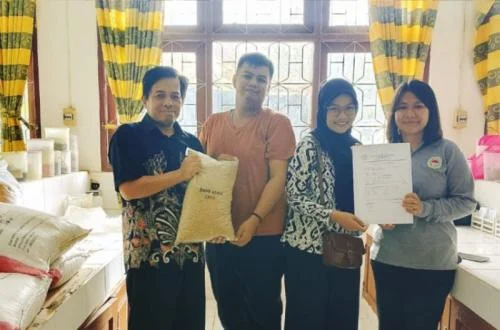
AMBON – The Great Hall for the Application of Agricultural Modernization (BBRMP) Maluku has initiated a crucial agricultural support program, distributing significant quantities of rice and soybean seeds to the Agricultural Extension Centers (BPP) across Maluku Barat Daya (MBD) Regency. This strategic intervention, announced by Gunawan, Head of BBRMP Maluku, on Monday, April 13, in Ambon, aims to substantially elevate agricultural productivity and fortify food resilience within the geographically challenging island region. The move underscores the government’s unwavering commitment to empowering local farming communities and ensuring sustainable livelihoods in one of Indonesia’s most remote provinces.
Expanding Agricultural Horizons in a Challenging Archipelago
Maluku Barat Daya, an archipelago regency in Maluku Province, is characterized by its numerous small islands, vast maritime territories, and often limited infrastructure, which collectively present formidable obstacles to agricultural development and food distribution. Farming, primarily subsistence-based, forms the backbone of the local economy, providing sustenance and income for a significant portion of its population. However, farmers frequently grapple with issues such as scarcity of quality seeds, lack of modern farming techniques, and difficulties in accessing markets due to high transportation costs and logistical complexities. The BBRMP Maluku’s initiative directly addresses these critical pain points by providing essential agricultural inputs and the necessary technical guidance.
Gunawan emphasized the multifaceted objectives behind this substantial aid package. "Through this assistance, we harbor strong hopes that agricultural productivity in Maluku Barat Daya will witness a significant upturn, thereby fostering greater self-sufficiency in food for the local populace," he stated, articulating the long-term vision of the program. This initiative is not merely about distributing seeds; it is about planting the seeds of progress, economic empowerment, and sustainable development in a region that has historically faced unique developmental challenges. The BBRMP, as a central government entity, plays a pivotal role in translating national agricultural policies into actionable programs at the regional level, often serving as the crucial link between advanced agricultural science and grassroots farming practices.
Strategic Selection and Distribution for Optimal Impact
The selection process for the distributed rice and soybean seeds was meticulous, ensuring that only high-quality varieties, well-suited to the specific agro-climatic conditions of Maluku Barat Daya, were chosen. This careful consideration is paramount to maximizing yield potential and ensuring the resilience of crops against local environmental stressors, including variable rainfall patterns and soil types. For instance, rice varieties chosen might include those known for their high yield potential and adaptability to tidal or rainfed lowland conditions prevalent in parts of MBD, while soybean varieties could be selected for their robustness and ability to thrive in less fertile soils. Such detailed planning reflects a scientific approach to agricultural development, moving beyond generic aid to provide targeted solutions.
Gunawan further elucidated that the provision of these improved seeds is specifically designed to circumvent some of the inherent geographical hurdles faced by the region, such as limited access to commercial seed markets, high distribution costs, and inadequate agricultural infrastructure. "The seeds being distributed are anticipated to be utilized optimally by farmers, with continuous and dedicated assistance from extension workers at the BPP level," he added. This underscores the critical role of the BPPs as the primary interface between the government’s agricultural programs and the farmers. These local centers are tasked with not only distributing the seeds but also providing invaluable technical guidance, training in modern cultivation practices, pest and disease management, and post-harvest handling techniques. This holistic approach is essential for ensuring that the seeds translate into successful harvests and sustainable agricultural practices.
Voices from the Field: Local Hopes and Commitments
The response from local stakeholders in Maluku Barat Daya has been overwhelmingly positive. The head of the BPP in Maluku Barat Daya, speaking on condition of anonymity due to internal protocol but representing the collective sentiment, expressed profound gratitude for the timely intervention. "This assistance from BBRMP Maluku is a breath of fresh air for our farmers. Access to quality seeds has always been a major constraint, and this program directly addresses that," the BPP head stated. "We are fully prepared to facilitate the distribution to our farmer groups and to provide the necessary technical accompaniment. Our extension workers are already mobilizing to ensure effective dissemination and optimal utilization of these valuable resources." This commitment from the BPP is vital, as their local knowledge and direct connection with farming communities are indispensable for the program’s success.
A representative from a local farmer group in Maluku Barat Daya, Mama Regina (a common placeholder name for a local farmer), articulated the direct impact on their livelihoods. "For years, we’ve struggled with low yields, partly because we use seeds saved from previous harvests which often decline in quality," she explained. "High-quality seeds mean healthier plants, more robust yields, and ultimately, more food for our families and more income for our communities. We are eager to learn new techniques from the BPP and make the most of this opportunity." Such sentiments highlight the tangible difference that targeted agricultural support can make in the lives of ordinary farmers, moving them from subsistence to potentially commercial farming.
Furthermore, a representative from the Maluku Barat Daya Regency administration (hypothetically, the Head of the Food Security Agency) lauded the collaboration. "This partnership with BBRMP Maluku is perfectly aligned with our regency’s strategic plan for food security and rural development," the official commented. "Enhancing agricultural output is not just an economic imperative; it’s a social one, directly impacting nutrition, poverty reduction, and the overall well-being of our citizens. We pledge our full support to ensure this program achieves its maximum potential and contributes significantly to our regional self-sufficiency goals."
A Chronology of Empowerment: From Planning to Harvest
The journey of these seeds from concept to cultivation involves a well-defined, albeit accelerated, timeline. The initiative began with comprehensive assessments of agricultural needs and potential in Maluku Barat Daya, conducted by BBRMP and BPP officials in late 2023 and early 2024. This phase involved data collection on soil types, climate patterns, existing crop varieties, and farmer demographics, crucial for tailoring the aid package. Following this, the procurement and rigorous quality testing of the selected rice and soybean seeds took place, ensuring compliance with national agricultural standards and suitability for MBD’s specific conditions.
The official announcement and symbolic distribution on April 13 marked the operational launch of the program. Immediately thereafter, the BPPs in Maluku Barat Daya commenced the logistical task of transporting and distributing the seeds to registered farmer groups across the various islands. This phase is often challenging due to the dispersed nature of communities and limited transportation infrastructure, requiring careful planning and coordination. Concurrently, BPP extension workers initiated intensive training sessions and field demonstrations, guiding farmers on optimal planting techniques, fertilization schedules, integrated pest management, and water resource management.
The planting phase is expected to align with the regional planting season, typically influenced by monsoon patterns. Post-planting, a continuous monitoring and evaluation framework will be implemented, with BPP personnel regularly visiting farms to provide ongoing support, troubleshoot issues, and collect data on crop performance. The ultimate success will be measured at harvest time, several months down the line, when increased yields are anticipated to translate into improved food availability and economic benefits for the farming communities. This entire cycle, from initial assessment to harvest and subsequent analysis, is designed to be a continuous learning process, refining future interventions.
Broader Implications: Towards National Food Security and Agricultural Modernization
This program in Maluku Barat Daya is not an isolated event but a critical component of Indonesia’s broader national food security agenda. The archipelagic nation faces persistent challenges in ensuring equitable food distribution and preventing localized food shortages, particularly in its remote eastern regions. By investing in agricultural inputs and technical expertise in areas like MBD, the government aims to reduce reliance on food imports or supplies from other islands, thereby enhancing regional food resilience and reducing logistical vulnerabilities. The focus on rice and soybeans is strategic, as these are staple crops crucial for food consumption and livestock feed, respectively.
Furthermore, the BBRMP’s mandate extends beyond mere distribution; it champions the application of modern agricultural technologies and practices. This includes promoting the use of certified seeds, organic fertilizers where appropriate, efficient irrigation methods, and climate-smart agriculture techniques. The long-term vision is to transform traditional farming into a more productive, efficient, and sustainable sector, capable of adapting to climate change and market dynamics. This modernization effort also aligns with national development goals of reducing rural poverty and promoting inclusive economic growth.
The initiative also has significant socio-economic implications. Increased agricultural output directly translates into higher incomes for farmers, improving their purchasing power and access to essential services like education and healthcare. Enhanced food security at the household level means better nutrition, particularly for children, leading to improved health outcomes and human capital development. Moreover, a thriving agricultural sector can stem rural-urban migration, keeping communities vibrant and productive. By empowering local farmers, the program fosters a sense of ownership and self-reliance, contributing to stronger, more resilient communities.
Challenges and the Path Forward for Sustainable Growth
While the prospects are promising, the path to sustainable agricultural growth in Maluku Barat Daya is not without its challenges. Climate change, with its unpredictable weather patterns, poses a constant threat, necessitating the adoption of drought-resistant or flood-tolerant crop varieties and adaptive farming techniques. Pests and diseases also require continuous vigilance and effective management strategies. Market access remains a hurdle, as farmers need fair prices for their produce to make their efforts economically viable. This requires improved infrastructure, better market information, and potentially the development of local processing facilities to add value to raw agricultural products.
The BBRMP Maluku and the BPPs acknowledge these ongoing challenges and view the current seed distribution program as a foundational step. Gunawan reiterated the commitment to a sustainable approach. "We hope this program serves as a catalyst for sustained agricultural growth and stronger regional food security," he concluded. This implies a long-term strategy that extends beyond seed distribution to include comprehensive farmer training, market linkage development, investment in agricultural infrastructure, and fostering a collaborative ecosystem involving government agencies, research institutions, and the private sector. The success of this initiative in Maluku Barat Daya will undoubtedly serve as a model for similar interventions in other remote and vulnerable agricultural regions across Indonesia, contributing significantly to the nation’s overarching goal of achieving robust and equitable food security for all its citizens.