Nila Kartika Wati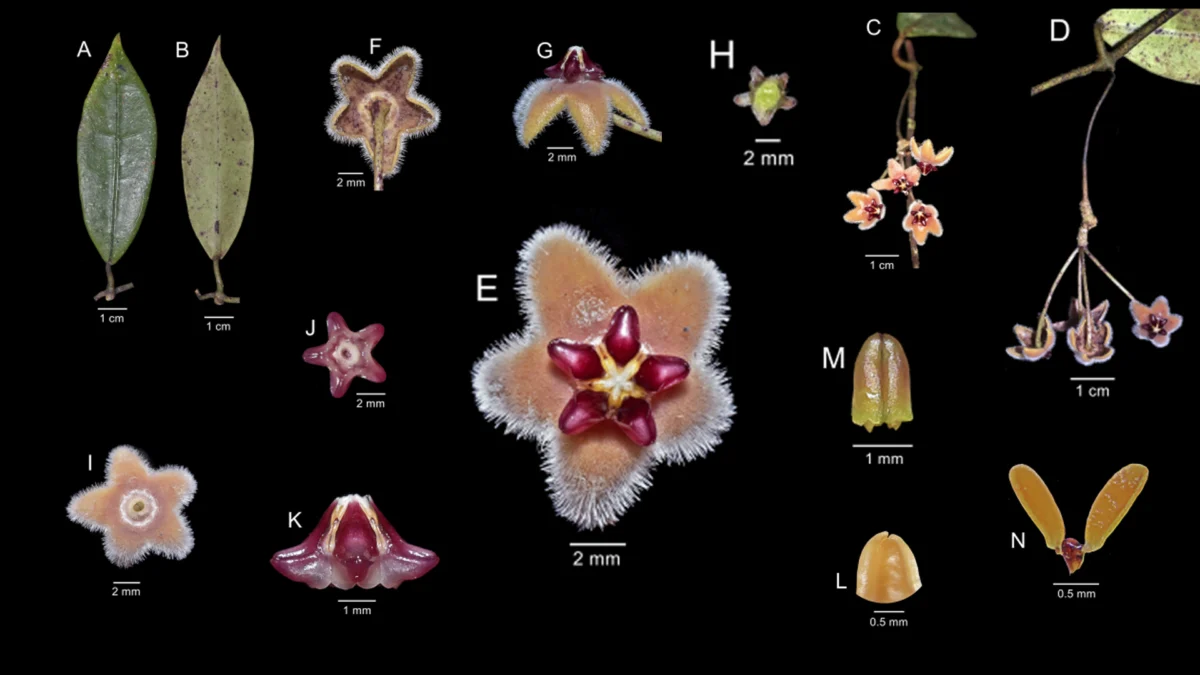
Deep within the mist-shrouded peaks of the Schwaner Mountains, at elevations exceeding 1,400 meters above sea level, a clandestine botanical treasure has finally been revealed to the scientific world. Researchers have officially identified a new species of climbing plant, Hoya bukitrayaensis, a member of the Hoya genus that had long remained hidden within the humid, high-altitude canopies of Central Kalimantan. This discovery, situated on the slopes of Mount Bukit Raya—the highest point in Indonesian Borneo—underscores the vast, untapped biological wealth of the region while highlighting the precarious nature of endemic species living in specialized mountain ecosystems.
The identification of Hoya bukitrayaensis is the result of an extensive collaborative effort involving a diverse team of experts from the Yayasan Tumbuhan Asli Nusantara, the Yayasan Konservasi Biota Lahan Basah, the Bukit Baka Bukit Raya National Park (TNBBBR) Authority, the University of Indonesia, and Samudra University. Their findings, published in the scientific journal Telopea on March 27, 2026, provide a detailed taxonomic account of a plant that, while appearing ordinary to the untrained eye, possesses morphological characteristics that distinguish it from any other known species in its genus.
The Botanical Profile of a High-Altitude Specialist
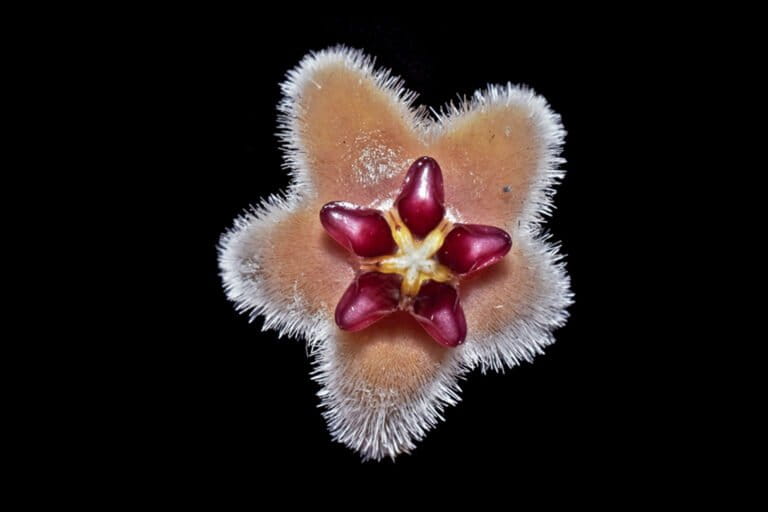
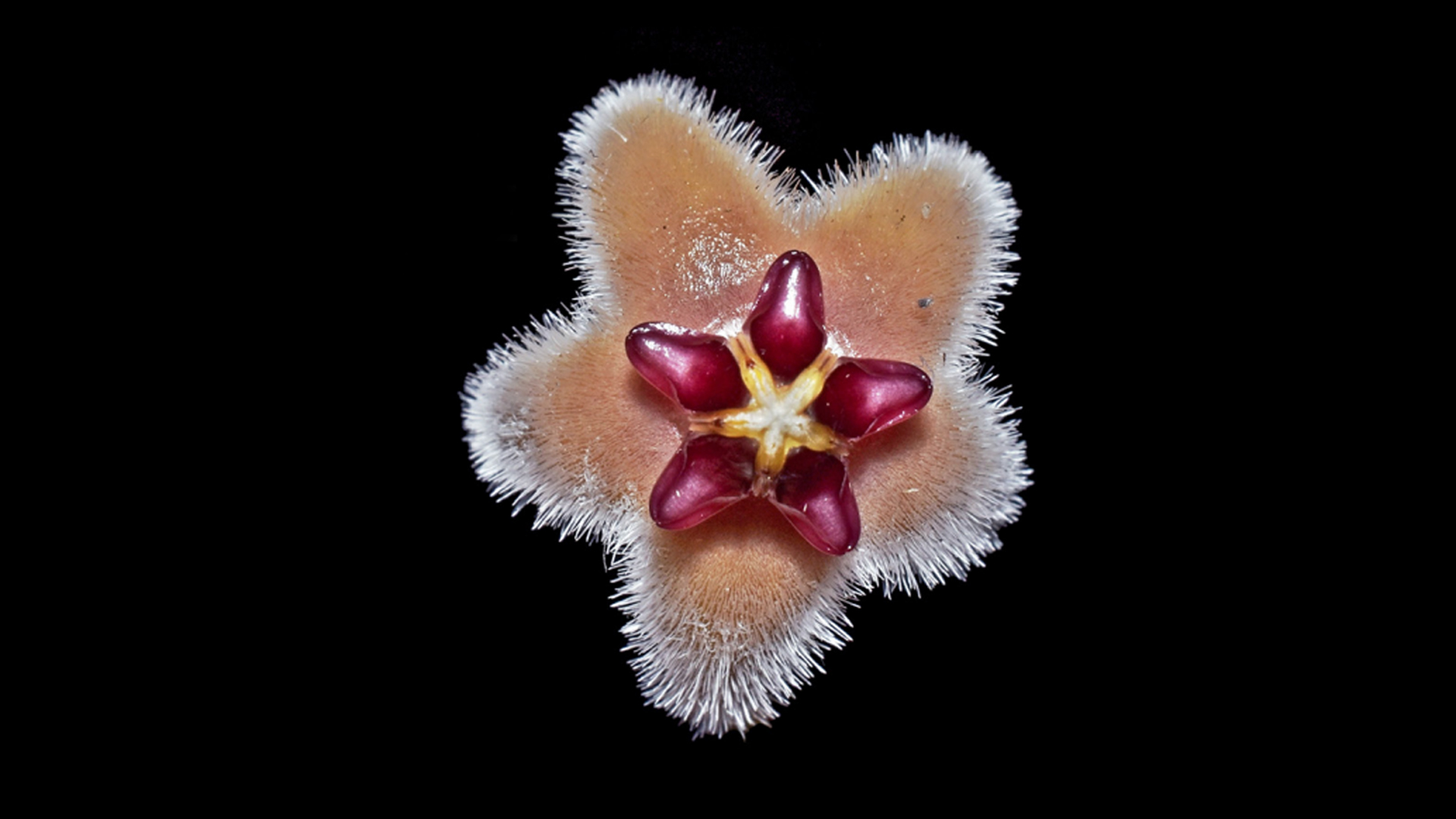
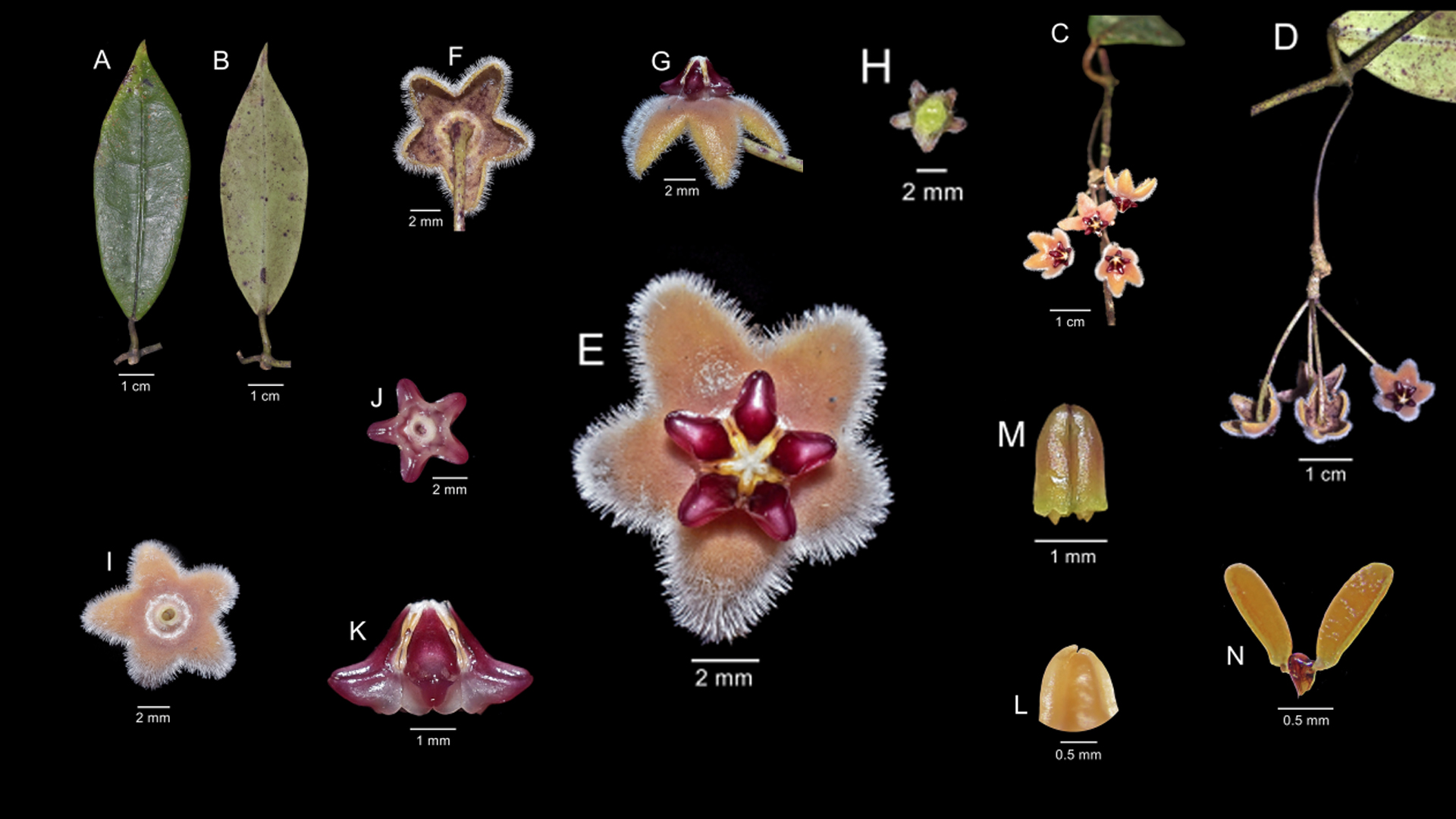
Hoya bukitrayaensis is characterized by its unique aesthetic and structural adaptations to the cold, damp environments of tropical cloud forests. While many Hoya species are prized by horticulturists for their waxy, star-shaped flowers, this new species offers a distinct visual palette. The flower’s corolla, or crown, exhibits a striking russet—a deep yellowish-brown—hue, accented by purple speckles. Perhaps its most defining feature is the presence of fine, delicate hairs (trichomes) covering the flower, a trait rarely observed in other members of the Genus Hoya.
According to the research lead, Roland P.P. Ahmad, and his colleagues, the species is an epiphyte or climbing vine that shares some morphological similarities with Hoya kastbergii. However, the nuances of its reproductive structures set it apart. The flowers are relatively small, measuring only 0.8 to 1 centimeter when in full bloom. Despite their diminutive size, they possess a complex internal architecture, including a deep red corona that forms a secondary crown in the center of the flower and specialized pollen-producing structures known as pollinia.
One of the most intriguing aspects of Hoya bukitrayaensis is what scientists do not yet know. In botanical terms, the species is currently classified as "fruiting unknown." While the researchers documented the plant flowering in the wild during the month of July, they have yet to observe its fruit or understand its pollination and seed dispersal mechanisms. This gap in knowledge is common in newly discovered high-altitude species, where the difficulty of access and the specific timing of reproductive cycles make long-term observation a significant logistical challenge.
Comparative Taxonomy and Scientific Rigor
To validate Hoya bukitrayaensis as a distinct species, the research team conducted a rigorous comparative analysis using both published literature and physical herbarium specimens. They focused on two close relatives: Hoya kastbergii, found in Sulawesi and Sarawak at lower elevations of approximately 300 meters, and Hoya ischnopus, which inhabits a wide range of altitudes across Sulawesi and Papua New Guinea.
The results of this comparison revealed several "diagnostic" differences—specific traits that confirm a unique identity. Hoya bukitrayaensis features sharply pointed leaf tips and relatively small leaves, measuring 6.5 to 9 centimeters in length and 2 to 2.7 centimeters in width. The upper surface of the leaves is notably rough due to fine hairs, an evolutionary adaptation likely developed to trap moisture or protect the plant from the intense ultraviolet radiation and fluctuating temperatures of the mountain peaks.
Furthermore, the flowering patterns of the new species are more conservative than its relatives. While Hoya kastbergii can produce up to 15 flowers in a single cluster (umbel) and Hoya ischnopus can produce between 10 and 22, Hoya bukitrayaensis typically produces only 4 to 6 flowers per cluster. These subtle but significant differences in leaf texture, flower count, and the structure of the outer corona lobes (which are tripartite in the new species) provided the definitive evidence required for its classification as a new species.
The Sanctuary of Mount Bukit Raya
The discovery was made within the protected confines of the Bukit Baka Bukit Raya National Park (TNBBBR), a conservation area that straddles the border of West and Central Kalimantan. This park is a cornerstone of the "Heart of Borneo" initiative, a cross-border conservation effort aimed at preserving one of the world’s most important biological corridors. The park encompasses two major peaks: Bukit Baka (1,620 meters) and Bukit Raya (2,278 meters).
The specific habitat of Hoya bukitrayaensis—the cloud forest—is an ecosystem defined by persistent low-level clouds and fog. These forests are vital "islands" of biodiversity. Because they are isolated by altitude, they often foster high levels of endemism, meaning the species found there exist nowhere else on Earth. Kalimantan, along with Sulawesi and New Guinea, is renowned for these high-altitude refugia, which act as evolutionary laboratories.
However, the very isolation that allows these species to evolve also makes them incredibly vulnerable. The researchers emphasized that Hoya bukitrayaensis is a "narrow endemic," a species with a very limited geographic range. Such plants are the first to suffer when their specific microclimates are disturbed.
Conservation Challenges and Environmental Threats
Despite its status as a national park, the habitat of Hoya bukitrayaensis faces mounting pressures. The Bukit Baka Bukit Raya National Park serves as a critical home for iconic and endangered fauna, including the Bornean orangutan, the Bornean gibbon (owa), sun bears, and clouded leopards. Yet, the park is not immune to the threats of illegal land clearing, forest encroachment, and the perennial risk of forest fires often exacerbated by shifting cultivation practices in surrounding areas.
Climate change poses an even more insidious threat. As global temperatures rise, the specific "temperature envelope" that cloud forest species require may shift upward. For a species already living near the summit of a mountain, there is eventually nowhere higher to go—a phenomenon ecologists call the "escalator to extinction."
The Ministry of Forestry has responded to the discovery with a mixture of pride and caution. In an official statement shared via social media, the Ministry noted that the find is a powerful reminder of the secrets still held within Indonesia’s primary forests. "From one small flower, we learn a great lesson: to protect the forest is to protect the future of knowledge and life itself," the Ministry stated. They further highlighted that such discoveries are essential for building a comprehensive database of Indonesia’s natural capital, which is necessary for informed policy-making.
Analysis of Implications for Future Research
The discovery of Hoya bukitrayaensis is expected to trigger renewed interest in the botanical exploration of the Schwaner Mountains. For years, much of the scientific focus in Borneo has been on the lowland dipterocarp forests, which are among the most threatened by palm oil expansion. However, this find suggests that the high-altitude regions of the island may contain a high density of undiscovered flora that are equally vital to the ecosystem’s integrity.
From a pharmacological perspective, the Genus Hoya is often studied for its secondary metabolites, which can have various biological activities. While Hoya bukitrayaensis is currently valued for its contribution to biodiversity, future studies may investigate its chemical properties, provided that conservation protocols are strictly followed to prevent over-harvesting from the wild.
The "fruiting unknown" status of the plant also sets a clear objective for future expeditions. Understanding how this plant reproduces is crucial for any potential "ex-situ" conservation efforts—growing the plant in botanical gardens to ensure it does not go extinct in the wild. If the plant relies on a specific high-altitude insect for pollination, the extinction of that insect due to climate change would inevitably lead to the extinction of the Hoya as well.
Conclusion: A Call for Vigilance
As the scientific community celebrates the addition of Hoya bukitrayaensis to the tree of life, the discovery serves as a somber call to action. The rugged terrain and difficult access of Mount Bukit Raya have provided a natural shield for this species for centuries, but in the modern era of rapid environmental change, physical isolation is no longer a guarantee of safety.
The collaboration between non-governmental organizations, academic institutions, and government bodies seen in this discovery provides a model for future conservation work. By combining field expertise with taxonomic rigor, Indonesia continues to reveal its status as a global "megadiversity" hotspot. However, as the researchers noted, the window of opportunity to understand these species is closing. To lose a species like Hoya bukitrayaensis before even seeing its fruit would be a profound loss to the natural heritage of Kalimantan and the world. The tiny, russet-colored flower of Mount Bukit Raya now stands as a symbol of both the beauty of the unknown and the urgent need to protect the remaining wilderness of the Heart of Borneo.