
 Paryono Ramadhan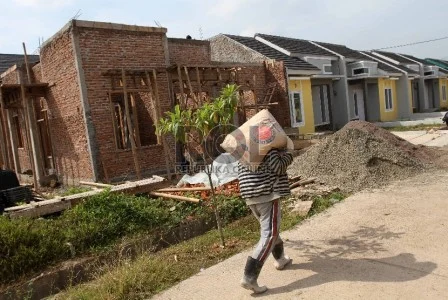
The strategic buffer zone surrounding Indonesia’s capital, Jakarta, encompassing Bogor, Depok, Tangerang, and Bekasi – collectively known as Bodetabek – has consistently demonstrated its robust potential in the eyes of property developers. This sustained interest is evidenced by numerous ongoing and planned property projects transforming these metropolitan satellite cities into dynamic hubs of commerce and living. The region’s allure stems from a confluence of factors, including Jakarta’s escalating property prices, chronic traffic congestion, and a burgeoning population seeking more affordable, integrated, and accessible living and working environments.
Bodetabek: Jakarta’s Growth Engine and Property Hotspot
Indonesia’s robust economic growth, particularly in the mid-2010s, fueled a significant expansion of its middle class and a corresponding surge in demand for housing and commercial spaces. Jakarta, as the nation’s economic and political epicentre, inevitably spilled over its administrative boundaries, driving urbanisation and development into its immediate peripheries. The Bodetabek region, strategically positioned, has thus evolved into a critical extension of Greater Jakarta, accommodating its growing population and economic activities. This outward migration is not merely a search for affordability but also a pursuit of a better quality of life, often characterised by integrated townships that minimise commuting times and offer a comprehensive array of facilities.
Historically, the development of Bodetabek has been incremental, with residential areas sprouting up to serve commuters working in Jakarta. However, the period between 2010 and 2015 marked a significant shift towards more ambitious, master-planned developments that sought to create self-sufficient communities. This trend was largely driven by improved infrastructure, including expanded toll road networks (such as the Jakarta-Merak Toll Road and various ring roads) and enhanced public transportation options like the KRL Commuterline, which gradually extended its reach across the Bodetabek cities. These infrastructural advancements drastically improved connectivity, making the satellite cities more viable for both residents and businesses.
Intiland’s Aeropolis: A City Around Soekarno-Hatta Airport
Among the prominent developers capitalising on Bodetabek’s potential is PT Intiland Development, a seasoned player in the Indonesian real estate market known for its innovative urban projects. Intiland’s ambitious Aeropolis project exemplifies the trend of creating integrated urban environments, strategically positioning itself adjacent to the bustling Soekarno-Hatta International Airport (Soetta) in Tangerang. This development is designed to serve as a comprehensive ecosystem, integrating residential units, office spaces, retail outlets, and cargo facilities, thereby addressing the multifaceted needs of the airport community and surrounding areas. The vision behind Aeropolis is to establish a vibrant, self-contained city that caters specifically to the demands of air travellers, airline personnel, logistics companies, and individuals seeking proximity to Indonesia’s primary international gateway.
Didik Riyanto, the project director for Aeropolis, highlighted the strategic rationale behind this airport-centric development. He noted that the inherent characteristics of airport-related professionals and businesses necessitate residential and commercial facilities that are exceptionally close to their operational bases. This analysis, derived from Intiland’s internal market research, projected a high future demand for integrated living and working spaces around Soekarno-Hatta Airport.
A significant component of the Aeropolis project is the Onyx Residence Apartments. This vertical residential offering comprises three towers, each spanning eight floors. As of the reported period, two of these towers had been successfully completed, with the construction of the third tower contingent upon the market absorption rates of the initial two. This phased development approach underscores a cautious yet confident strategy, allowing Intiland to respond dynamically to market demand. The target demographic for Onyx Residence specifically includes airline staff, airport employees, and businesses operating within the airport ecosystem, offering them unparalleled convenience and reducing the burden of daily commutes.
The Aeropolis project, conceived as a large-scale, long-term undertaking, demonstrated considerable market success early on. By the end of March 2014, Intiland had successfully sold a remarkable 4,000 units across various categories within the development. This impressive sales figure encompassed a diverse portfolio including residential units, office spaces, warehousing facilities, hotel rooms, and retail outlets. The robust market response to these initial offerings bolstered Intiland’s confidence in the project’s overall viability and its potential to firmly establish Aeropolis as a leading integrated hub in the vicinity of Soekarno-Hatta Airport. The success of Aeropolis also highlighted the growing preference for mixed-use developments that offer a ‘live, work, play’ environment, minimising the need for residents to travel extensively for their daily needs.
Ascendas-MKD Partnership: Forging a Mixed-Use Hub in Tangerang
The competitive landscape of property development in Bodetabek also saw significant movements from international players collaborating with local experts. The Singapore-based Ascendas Group, a prominent industrial space solutions provider in Asia, entered into a strategic partnership with PT Metropolitan Karyadeka Development (MKD) to develop a substantial 9.7-hectare mixed-use project in Tangerang, Banten. This collaboration underscored the international confidence in Indonesia’s burgeoning property market and the specific potential of the Bodetabek region.
The planned development, situated within Metland Cyber City, is envisioned as a comprehensive urban precinct. It is designed to host a synergistic blend of office buildings, apartment complexes, retail spaces, and other supporting facilities. Manohar Khiatani, CEO and President of the Ascendas Group, articulated the strategic imperative behind this venture. He stated that the project directly addresses the increasing demand from businesses expanding their operations into Jakarta’s peripheral areas, which require modern, integrated mixed-use developments to support their growth and operational efficiency. This reflects a broader trend where businesses are decentralising from Jakarta’s core to seek more cost-effective locations that still offer excellent connectivity and amenities for their workforce.
Echoing this enthusiasm, Nanda Widya, President Director of PT MKD, emphasised the long-term vision underpinning the partnership. He highlighted that the integration of residential areas with workplaces and supporting facilities is increasingly becoming a fundamental requirement for modern businesses and their employees. Widya encapsulated the project’s ethos with the concise philosophy of "work, live, and play," indicating a commitment to creating an environment where all essential aspects of life are conveniently accessible within a single, well-planned area. This integrated approach aims to enhance productivity for businesses and improve the quality of life for residents by reducing commute times and fostering a vibrant community.
The development plan for the Ascendas-MKD project is structured in phases. The initial phase, slated to commence in 2016, will focus on developing a 1.3-hectare portion of the total 9.7-hectare site. This initial stage will incorporate apartments, residential housing, and office spaces, complemented by various supporting facilities. Subsequent phases of development will be rolled out strategically, dependent on the market absorption and success of the initial offerings. This adaptive strategy allows the developers to respond flexibly to evolving market conditions and ensure optimal resource allocation.

A critical advantage of the Metland Cyber City location, as highlighted by Nanda Widya, is its exceptional strategic positioning. The area boasts easy access from the Jakarta-Merak Toll Road, facilitated by a dedicated new exit at KM 11, which provides direct access to the site. Furthermore, several major arterial roads traverse the area, ensuring seamless connectivity to other parts of Tangerang and Greater Jakarta. Beyond accessibility, Tangerang itself has emerged as a prime choice for property investment among Jakarta’s workforce due to its high potential for capital gain. This is driven by ongoing infrastructure development, increasing demand, and a relatively more affordable entry point compared to central Jakarta, making it attractive for both owner-occupiers and investors.
Shifting Tides: Bogor Emerges as Top Investment Choice
While Tangerang continued to attract significant development, a notable shift in investor preference within the Bodetabek region was observed in a mid-2015 property survey. For several preceding semesters, Tangerang had consistently held the top spot as the preferred location for property investment. However, the survey, conducted by General Manager Mario Gaw’s organisation (likely a prominent property portal or consultancy firm), revealed a new frontrunner: Bogor, West Java.
The survey results indicated that Bogor had ascended to the pinnacle of investment choices, capturing a substantial 37 percent of investor interest. This placed Bogor ahead of both Tangerang and Bekasi, which followed in subsequent positions. Within the DKI Jakarta province, South Jakarta maintained its perennial status as the most favoured area for property acquisition, underscoring its enduring appeal as a prime residential and commercial hub.
Mario Gaw elaborated on the methodology of the survey, which was conducted online over a period of 1.5 months, specifically in January 2015. He stressed that such regular, semi-annual surveys are crucial for providing valuable additional references and insights for stakeholders across the property industry, enabling them to make informed decisions regarding investment, development, and market strategies.
The rise of Bogor as a preferred investment destination can be attributed to several factors. Traditionally known for its cooler climate, lush greenery, and scenic beauty, Bogor offers a respite from the urban heat and congestion of Jakarta. Improved infrastructure, including the KRL Commuterline and various toll road expansions, has significantly enhanced its accessibility. Furthermore, property prices in Bogor, while appreciating, generally remained more affordable than those in Tangerang or Bekasi during this period, offering better value for money and higher potential for capital appreciation for early investors. The growing number of educational institutions and lifestyle amenities also contributed to its increasing attractiveness as a residential choice. This shift signifies a maturation of the Bodetabek market, where different areas cater to distinct buyer preferences, ranging from airport-centric convenience to tranquil suburban living with good connectivity.
Financing the Dream: Homebuyer Preferences and Credit Options
Beyond location preferences, the mid-2015 survey also shed light on critical aspects of property financing, offering insights into the financial behaviour and preferences of prospective homebuyers and investors. The findings revealed that traditional banking institutions continued to be the primary source of credit for property acquisition, with 75 percent of respondents indicating their reliance on bank loans. This highlights the established trust and comprehensive range of mortgage products offered by conventional banks in Indonesia.
However, a significant and emerging trend was also identified: 53 percent of respondents considered credit programs offered directly by developers as an innovative alternative and a crucial factor in their property purchasing decisions. These developer-offered schemes often present a compelling alternative to traditional bank mortgages, providing greater flexibility in payment structures, potentially lower initial down payments, or even interest-free instalment plans for certain periods. For many buyers, particularly those who might face challenges qualifying for conventional bank loans or who prefer simpler, direct financing arrangements, developer-backed credit programs represent a significant breakthrough. This trend reflects developers’ proactive efforts to stimulate sales and cater to a broader spectrum of buyers by innovating financial solutions for various types of properties, including houses, apartments, shophouses (ruko), and other commercial units.
Broader Implications and Future Outlook
The vibrant property development landscape in Bodetabek carries profound implications for regional development, urban planning, and the broader Indonesian economy. The continuous influx of investment and the creation of integrated townships contribute significantly to decentralisation, alleviating pressure on Jakarta’s core infrastructure and fostering the growth of new economic centres. These projects generate employment opportunities, stimulate local economies, and enhance the overall urban fabric of the satellite cities.
However, this rapid development also presents a myriad of challenges. Increased population density inevitably exacerbates existing issues such as traffic congestion, particularly at bottlenecks leading into Jakarta. Adequate provision of public utilities, including water management, waste disposal, and electricity supply, becomes paramount. Environmental sustainability is another critical concern, as large-scale developments can encroach upon green spaces and necessitate careful planning to mitigate ecological impacts. Local governments in Bodetabek face the complex task of balancing economic growth with sustainable urban development, requiring robust master plans, effective regulatory frameworks, and significant investment in public infrastructure.
Looking ahead, the Bodetabek region is poised for continued growth and transformation. The trend towards integrated, mixed-use developments, often incorporating transit-oriented development (TOD) principles, is expected to intensify. As Jakarta’s population continues to expand and its property market remains premium, the satellite cities will increasingly become self-sufficient entities, offering comprehensive amenities and reducing reliance on the capital for employment and services. The ongoing and planned improvements in public transportation, such as extended commuter rail lines and potential future light rail transit (LRT) connections, will further enhance the region’s appeal.
For investors, Bodetabek offers diverse opportunities, ranging from the high-yield potential of strategically located commercial properties to the steady appreciation of residential assets in well-planned communities. The observed shift in investment preference towards areas like Bogor underscores the dynamic nature of the market, driven by evolving buyer priorities and infrastructural developments. Developers who can adapt to these changing preferences, offering innovative products and flexible financing options, are likely to thrive in this competitive environment. The long-term prospects for Bodetabek remain robust, firmly establishing it as a cornerstone of Indonesia’s urban and economic expansion.








