Nasution Nanang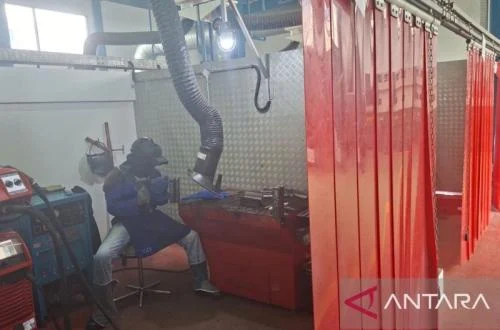
SERANG, BANTEN – The Balai Besar Pelatihan Vokasi dan Produktivitas (BBVPV) Serang, a leading vocational training and productivity center in Banten, has announced an ambitious target to train 4,800 individuals throughout 2026. This extensive program is strategically designed to significantly enhance the absorption rate of competent labor across Banten’s burgeoning industrial sectors and to foster the growth of independent businesses, thereby contributing to national economic resilience and global workforce participation. The initiative underscores a concerted effort to align skills development with market demands, leveraging Banten’s strategic industrial landscape.
Strategic Vision and Program Scope
The 2026 target represents a significant scale-up in BBVPV Serang’s annual training efforts, reflecting a growing national emphasis on human capital development. According to Agung Wisnugroho, Head of General Affairs at BBVPV Serang, a substantial portion of the target, specifically 2,700 participants, will undergo intensive vocational training directly at the BBVPV Serang facility. The remaining participants will be allocated to various Balai Latihan Kerja (BLK) or Regional Job Training Centers operated by local governments across Banten. This collaborative approach aims to maximize outreach and utilize existing infrastructure efficiently, ensuring broader access to quality vocational education. Wisnugroho highlighted that the annual number of participants is inherently tied to budgetary allocations, yet BBVPV Serang consistently trains an average of 2,000 to 3,000 individuals independently each year, demonstrating a robust and continuous commitment to skills development. The expansion to 4,800 individuals in 2026 signals a period of heightened investment and strategic execution, indicative of the critical role vocational training plays in Indonesia’s economic agenda.
Banten’s Industrial Landscape and Tailored Curricula
The province of Banten is a pivotal industrial hub in Indonesia, characterized by numerous industrial estates housing diverse manufacturing, chemical, automotive, and logistics companies. This unique economic geography directly influences BBVPV Serang’s curriculum design, with specialized fields such as welding and electrical engineering emerging as flagship programs due to their high demand and popularity among prospective trainees. These programs are not merely theoretical; they are meticulously crafted in close collaboration with hundreds of industry partners. This extensive network of collaborations ensures that the training modules are constantly updated, reflecting the latest technological advancements and specific skill requirements of the industrial sector. This industry-driven approach is crucial for bridging the skills gap often observed between educational outputs and market needs, making graduates immediately employable and productive.
The efficacy of these partnerships is further evidenced by the direct engagement of industries in the recruitment process. Many companies frequently conduct interviews and aptitude tests directly at the BBVPV Serang training center, streamlining the hiring process for both employers and graduates. This direct pipeline from training to employment has yielded impressive results. In 2025, the job absorption rate into pure industrial sectors reached an encouraging 50 to 60 percent. When combined with graduates who chose to establish their own micro, small, and medium enterprises (UMKM), the total absorption rate climbed to an impressive 70 percent. This statistic not only highlights the success of BBVPV Serang’s programs in facilitating formal employment but also its significant contribution to fostering entrepreneurship and self-sufficiency, vital components of a resilient local economy.
Expanding Horizons: Global Workforce and Specialized Training
BBVPV Serang’s vision extends beyond domestic job placement, actively preparing a skilled workforce for international markets. This includes specialized training programs such as caregiver courses tailored for the Taiwanese labor market, addressing the specific demands for professional care services abroad. Furthermore, in collaboration with KOSIPA (Korean Shipyard Industrial Association), the center provides advanced ship welding training for deployment in South Korea. This particular program is highly sought after due to its promise of superior career prospects. Graduates destined for South Korea typically receive an E7 visa, designated for highly skilled professionals, which offers significantly higher wages and longer contract durations compared to the E9 visa, generally issued for less specialized foreign workers. This strategic focus on high-value international placements not only provides better economic opportunities for Indonesian workers but also enhances Indonesia’s reputation as a source of highly competent labor globally.
Innovation and Future Prospects: Underwater Welding
In a testament to its forward-thinking approach, BBVPV Serang is currently spearheading a pilot project for underwater welding training. This highly specialized and technically demanding field holds immense potential, particularly given Indonesia’s vast maritime territory and growing infrastructure needs. However, the advanced nature of underwater welding training necessitates substantial investment in specialized equipment, facilities, and highly qualified instructors, leading to considerable operational costs. Recognizing these challenges, the project heavily relies on robust collaboration with industrial partners, whose expertise and resources are critical for its successful implementation. This initiative represents a frontier in vocational training, aiming to equip Indonesian workers with niche skills that are in high demand globally, especially in offshore construction, maintenance, and energy sectors.
The first batch of the 2026 training program is already underway and is scheduled to conclude in May. This initial phase involves 582 participants, predominantly from local Banten communities. The decision to prioritize local residents for this particular batch was influenced by budgetary constraints related to accommodation, underscoring the practical challenges of scaling up comprehensive vocational programs while maintaining accessibility. Despite these limitations, the commitment to delivering high-quality training remains unwavering, ensuring that participants receive the best possible preparation for their chosen careers.
Broader Context: Indonesia’s National Vocational Training Landscape
The efforts of BBVPV Serang are part of a broader national strategy by the Indonesian government to enhance the quality and relevance of vocational education and training (VET) across the archipelago. Facing a significant demographic bonus – a period where the working-age population is exceptionally large – Indonesia recognizes that investing in VET is paramount to harnessing this potential. The Ministry of Manpower, under which BBVPV operates, has a clear mandate to reduce unemployment, alleviate poverty, and boost national productivity by creating a highly skilled and adaptable workforce. National statistics often highlight a persistent gap between the skills possessed by job seekers and those required by industries. Vocational training centers like BBVPV Serang play a crucial role in bridging this gap, transforming raw human potential into qualified labor.
Government initiatives, such as the "Revitalisasi Pendidikan Vokasi" (Vocational Education Revitalization) program, emphasize strengthening industry linkages, updating curricula, improving instructor competencies, and providing modern training facilities. The goal is to produce graduates who are not only technically proficient but also possess critical soft skills such as problem-solving, teamwork, and adaptability – qualities highly valued in today’s dynamic job market. Furthermore, the national push for digitalization across industries means that vocational training must also adapt, incorporating digital literacy and advanced technological skills into its core offerings. BBVPV Serang’s embrace of specialized fields like underwater welding and its focus on international certifications aligns perfectly with these national objectives, positioning it as a model institution in the country’s VET ecosystem.
Economic Implications for Banten
For the province of Banten, the success of BBVPV Serang’s programs carries profound economic implications. A steady supply of skilled labor is a magnet for investment, attracting both domestic and foreign companies seeking a competent workforce. By continually upgrading the skills of its residents, Banten strengthens its competitive edge as an industrial and manufacturing hub. Increased job absorption rates translate directly into higher household incomes, reduced poverty, and enhanced consumer spending, all of which fuel local economic growth. The emphasis on fostering entrepreneurship through UMKM development further diversifies the local economy, creating more resilient and sustainable employment opportunities beyond traditional industrial jobs. The BBVPV Serang’s role, therefore, extends beyond mere training; it is a critical engine for regional development and prosperity.
Addressing Challenges and Ensuring Sustainability
While the targets are ambitious and the impact significant, vocational training programs inherently face several challenges. Sustained funding remains a critical factor, as high-quality vocational education often requires substantial investment in modern equipment, infrastructure maintenance, and continuous professional development for instructors. The rapid pace of technological change also necessitates constant curriculum updates and equipment upgrades, which can be costly. Ensuring the quality and relevance of training across all regional BLKs, particularly those with more limited resources, also presents an ongoing challenge that requires robust oversight and support from central institutions like BBVPV Serang.
However, the strong public-private partnerships forged by BBVPV Serang offer a sustainable model for overcoming these hurdles. Industry collaboration not only provides invaluable input for curriculum design but can also lead to direct financial support, equipment donations, and internship opportunities, thereby easing the financial burden on public funds. The positive feedback from industry partners, who actively recruit directly from the center, is a testament to the perceived value and quality of BBVPV Serang graduates, reinforcing the importance of these collaborative efforts.
Voices from the Field: Impact and Testimonials
While specific individual testimonials were not provided in the initial information, the high absorption rates and industry engagement strongly infer positive feedback from both employers and trainees. Industry representatives would likely commend BBVPV Serang for consistently providing a pipeline of work-ready individuals who require minimal additional on-the-job training. Such partnerships reduce recruitment costs and improve overall productivity for companies. From the perspective of the trainees, the programs offer a clear pathway to stable employment, improved livelihoods, and opportunities for personal and professional growth, both domestically and internationally. The success stories of those securing E7 visas for South Korea or establishing thriving UMKMs would undoubtedly serve as powerful motivators for future generations of vocational students.
Conclusion and Outlook
BBVPV Serang’s target of training 4,800 individuals in 2026 is a clear demonstration of its unwavering commitment to national human resource development. By strategically aligning its programs with the demands of Banten’s industrial sector and global labor markets, the center is not only equipping individuals with valuable skills but also playing a vital role in enhancing Indonesia’s economic competitiveness. The focus on specialized areas like welding, electrical engineering, caregiving, and the pioneering underwater welding project underscores a forward-looking approach that anticipates future skill demands. As Indonesia continues its journey towards becoming a developed nation, institutions like BBVPV Serang will remain at the forefront, transforming potential into productivity and empowering countless individuals to achieve their full economic potential. The ongoing success and expansion of these programs will be critical in shaping a more skilled, resilient, and globally competitive Indonesian workforce for years to come.