Nila Kartika Wati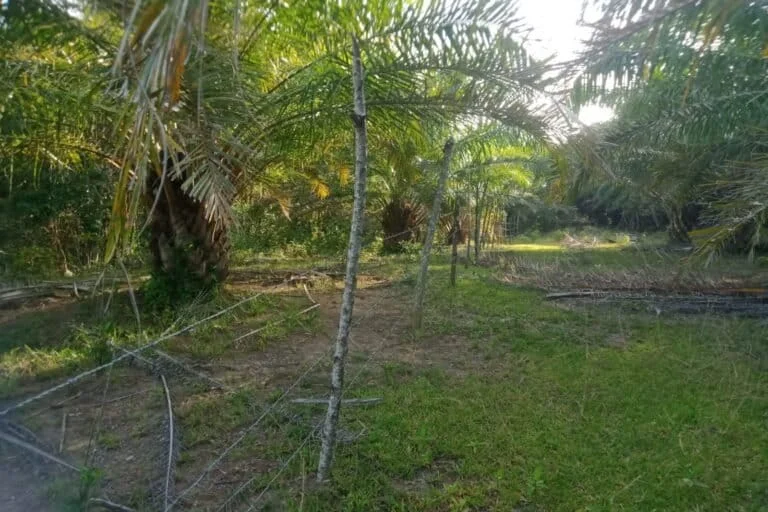
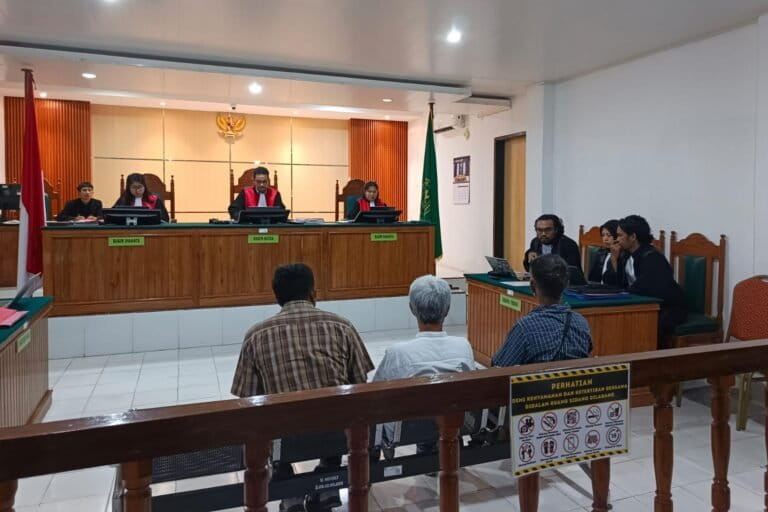
Sidi, Herman, and Amir set out early from Botto Malangga Village in the Maiwa District, embarking on a 30-kilometer journey toward the heart of Enrekang Regency, South Sulawesi, on the morning of April 1, 2026. Riding two motorcycles in tandem, the three farmers were not traveling for trade or labor, but to face the Enrekang District Court as defendants in a case involving alleged property damage and assault at the Maroangin office of PTPN XIV, a state-owned plantation enterprise. The legal proceedings mark the latest flashpoint in a decades-old agrarian conflict that has pitted local communities against state-sanctioned corporate interests, highlighting the precarious nature of land rights in rural Indonesia.
The case against the three men stems from a chaotic incident on January 17, 2026, which the Enrekang Police categorized as a criminal act of public violence. The defendants are charged under Article 262, Paragraph (1) of the Indonesian Criminal Code (KUHP) or Article 466, Paragraph (1) of the KUHP, in conjunction with Article 20, letter c of Law Number 1 of 2023 and Law Number 1 of 2026. According to the police investigation report (BAP), Sidi, Herman, and Amir are accused of collectively engaging in violence against persons and property. Specifically, the prosecution alleges that their actions resulted in the destruction of glass windows and tables at the PTPN XIV Maroangin office, alongside the physical assault of a company employee, 40-year-old Suparman. The company has estimated its financial losses at approximately Rp6,500,000.
A Chronology of Escalation: The Marker Incident
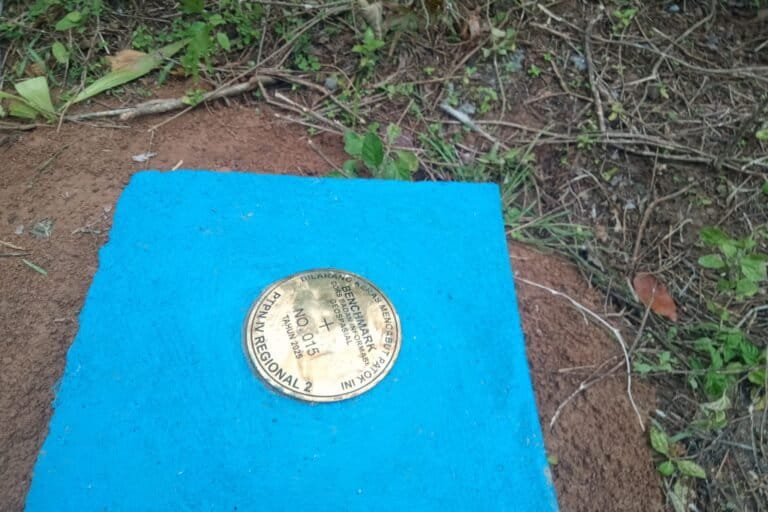
The roots of the January 17 incident trace back to a sudden discovery by the local farming community. Members of the Massenrempulu Community Alliance (AMPU), a grassroots organization representing local farmers, had been maintaining a "shared post" in Maiwa District to monitor their ancestral lands. On January 15, 2026, farmers discovered several concrete boundary markers (patok) bearing the PTPN XIV Maroangin logo placed deep within areas they considered their own.
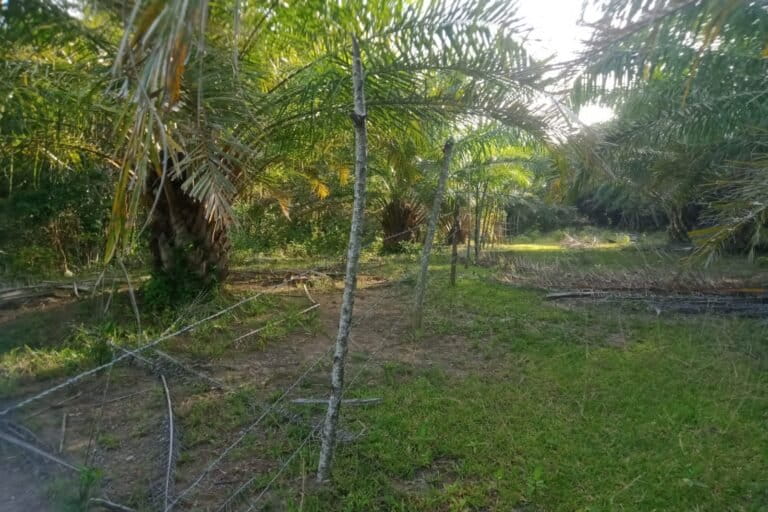
These markers were not insignificant; made of cement and measuring 40×40 centimeters with a height of nearly one meter, they represented a literal encroachment on the farmers’ livelihoods. For the community, the appearance of these markers was a betrayal of a 2023 agreement. In that year, witnessed by representatives from the police and the military, PTPN XIV and the local farmers had reportedly reached a consensus regarding the boundaries of the managed territory. Following that agreement, the farmers had collectively funded and built a one-kilometer wire and wood fence to secure their crops.
"We built that fence with our own hands, pooling our money for wire and nails. We worked for over two months, every Saturday, to set those posts," explained Herman during the court proceedings. The discovery of PTPN markers nearly a kilometer inside their fenced perimeter on January 15 felt like a death knell for their agricultural security.
On January 17, approximately 20 farmers, led by Sidi, Herman, and Amir, uprooted one of the concrete markers and carried it to the PTPN XIV office to demand an explanation. The atmosphere turned volatile when an assistant manager at the plantation, identified as Aska, denied that the company had placed the markers. This denial acted as a catalyst for the ensuing confrontation. Sidi, feeling that the company was "thieving" land under the cover of night and then lying about it, succumbed to frustration. He shattered a window with his fist, and later, using a metal rod found in the yard, broke further glass panels. In the ensuing melee, Suparman, the PTPN employee, attempted to intervene and was allegedly caught in a physical struggle with the three defendants.
Historical Context: A Half-Century of Disputed Soil
The conflict in Enrekang is not a localized incident of property damage but a symptom of a systemic land dispute dating back to the early 1970s. The plantation area was originally established in 1973 under the name PT Bina Mulia Ternak, a venture that eventually failed. In 1996, the land was integrated into the Perkebunan Nusantara (PTPN) system.
A critical turning point occurred in 2003 when the company’s Right to Cultivate (HGU) expired. At that time, the Enrekang Regional Government initially refused to issue a recommendation for the renewal of the HGU, siding with the farmers who had begun re-occupying the fallow land during the post-1998 Reformasi era. For over a decade, the land existed in a legal gray area, with farmers planting crops and establishing settlements on what they believed was reclaimed ancestral land.
However, the political tide shifted in 2020. The Enrekang Regency government reversed its long-standing position and issued a recommendation for a renewed HGU covering 3,267 hectares. This decision effectively criminalized the farmers who had spent nearly twenty years cultivating the land. Rahmawati, a legal representative for the farmers, noted that during the New Order era (pre-1998), few dared to protest land seizures for fear of being labeled as "PKI" (communists), a stigmatization that carried the threat of imprisonment or death. While that specific political threat has faded, the legal mechanisms of the state are now being used to achieve similar ends.
By 2017 and 2018, as the palm oil boom reached South Sulawesi, PTPN XIV Maroangin began aggressive expansion, leading to forced evictions and reported intimidations by security forces. The current trial of Sidi, Herman, and Amir is seen by human rights advocates as a continuation of this pressure campaign.
The Failure of Restorative Justice
Despite the relatively low monetary value of the damages (Rp6.5 million), the legal process has been unyielding. Under Indonesian law, "Restorative Justice" is an encouraged mechanism for resolving disputes of this nature without resorting to full criminal prosecution, provided both parties reach an agreement.
According to Abdul Razak, a lawyer from the Makassar Legal Aid Institute (LBH Makassar) representing the farmers, multiple attempts were made to resolve the case through mediation. During the investigation phase and even after the trial began, the defendants sought to apologize and compensate for the damages. While the victim, Suparman, reportedly expressed forgiveness in a personal capacity, he refused to sign a formal Settlement Agreement (Berita Acara Kesepakatan) that would have halted the legal proceedings.
"It is highly regrettable," stated Zulkarnain Kara, the Regional Secretary of Enrekang. "The farmers are the face of Enrekang. We had hoped for a restorative outcome that would allow everyone to return to their activities in peace." Interestingly, Kara also addressed the common perception that the local government profits from the plantation’s presence. "The regional government receives no direct revenue from PTPN XIV Maroangin. As it is a BUMN (State-Owned Enterprise), all proceeds go directly to the national treasury. We are essentially managing the social fallout of a federal entity’s operations."
Mirayati Amin, Deputy Head of Advocacy at LBH Makassar, offered a sharper critique. "This is a case of the state, through its BUMN, attempting to imprison its own citizens over a conflict the state itself created through poor land management. Using criminal articles for what is essentially an agrarian dispute is a form of judicial harassment."
Legal Proceedings and Social Impact
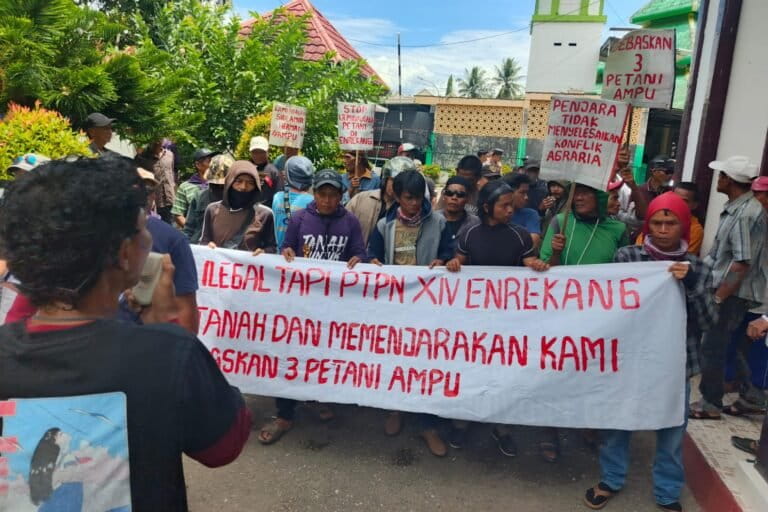
The trial at the Enrekang District Court has become a focal point for regional activism. On April 1, while the defendants were inside, over a hundred farmers from the Massenrempulu Community Alliance (AMPU) staged a demonstration outside the courthouse. Many of the protesters were elderly farmers who had spent their lives on the disputed land. They carried banners with slogans such as "PTPN XIV is not only illegal but also steals our land and imprisons us" and "Prison will not solve agrarian conflicts."
The protest was peaceful, with many participants sharing packed meals on the courthouse lawn as temperatures rose. The presence of a large security detail, however, underscored the tension surrounding the case. On April 15, 2026, the prosecution officially delivered its sentencing demand (tuntutan), asking the panel of judges to sentence Sidi, Herman, and Amir to six months in prison.
The defense argues that the police investigation was rushed. The BAP indicates that the suspects were detained on January 21, 2026, just four days after the incident, without receiving a prior summons. They remained in custody for 11 days before being granted a suspension of detention. The defense also pointed out discrepancies in the medical reports; while Suparman reported minor abrasions and a scratch on his temple, the defense maintains these were the result of a mutual struggle to prevent further property damage, rather than a premeditated "prowess" or assault.
Broader Implications for Agrarian Reform
The situation in Enrekang is a microcosm of the broader challenges facing Indonesia’s agrarian reform agenda. Despite President Joko Widodo’s "Tana Objek Reforma Agraria" (TORA) program, which aims to redistribute land to the poor, conflicts involving state-owned plantations remain notoriously difficult to resolve.
The Enrekang case highlights several critical issues:
- The Conflict of HGU Renewals: When the government renews corporate land rights without conducting a thorough "clean and clear" audit of existing residents and farmers, conflict is inevitable.
- Criminalization of Farmers: The use of the KUHP to address land-related protests often bypasses the root cause—the land claim itself—and focuses solely on the symptoms of the farmers’ desperation.
- The Role of BUMNs: As state-owned entities, PTPNs are expected to contribute to national development, yet their operations often clash with the "Social Function of Land" mandated by the 1960 Basic Agrarian Law.
As the Enrekang District Court prepares to deliver its verdict, the three farmers remain in a state of limbo. A prison sentence, even one as short as six months, would leave their families without primary breadwinners and further alienate the local community from the state. For the people of Botto Malangga, the case is about more than just a broken window or a concrete marker; it is a struggle for the right to exist on the land their ancestors farmed long before the first HGU was ever signed. The outcome of this trial will serve as a significant indicator of whether the Indonesian judicial system can distinguish between criminal intent and the desperate defense of one’s livelihood in the face of corporate expansion.