Tata Titiana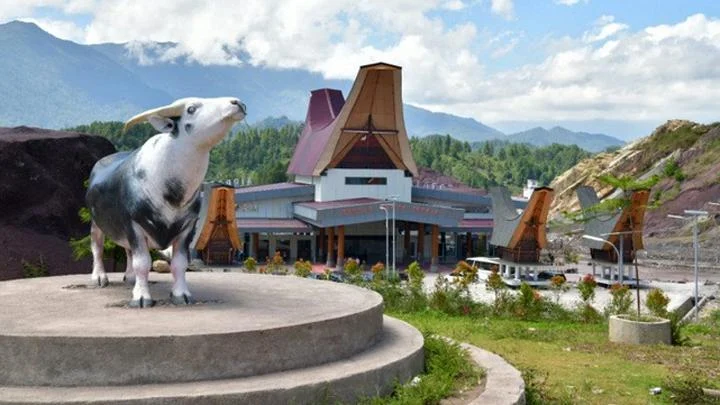
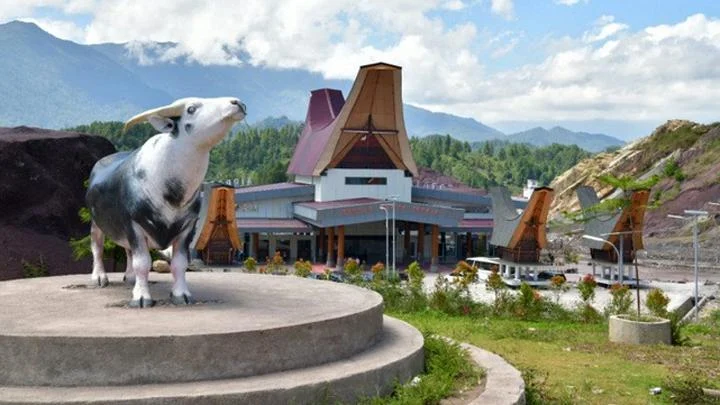
President Joko Widodo officially inaugurated the Toraja Airport, formerly known as Buntu Kunik Airport, in Tana Toraja Regency, South Sulawesi, on Thursday, March 18, 2021. The new airport is anticipated to be a catalyst for economic growth, job creation, and the development of new economic centers within the region. During the inauguration ceremony, broadcasted live via the Presidential Secretariat’s YouTube channel, President Widodo expressed his hope that the airport’s presence would significantly contribute to the local economy and foster new opportunities.
The development of Toraja Airport represents a long-standing aspiration for the region, with construction commencing in 2011. Initially intended to replace the aging Pongtiku Airport in Ratentayo, the project experienced several delays. However, under President Widodo’s administration, construction resumed in 2018. The first phase of development, funded and managed by the central government, was successfully completed in mid-2020. Currently, two airlines, Wings Air and Citilink, operate regular flight services connecting Makassar to Toraja and vice versa, marking a significant improvement in regional accessibility.
A Monumental Undertaking: The Journey of Toraja Airport’s Construction
The vision for an improved air gateway in Tana Toraja dates back over a decade. Construction of the Toraja Airport, initially designated as Buntu Kunik Airport, began in 2011. This ambitious project aimed to enhance connectivity and stimulate economic activity in a region renowned for its unique cultural heritage and stunning natural landscapes. The initial phase of construction was undertaken with the goal of replacing the then-operational Pongtiku Airport, which had limitations in terms of capacity and infrastructure.
However, like many large-scale infrastructure projects, the development of Toraja Airport encountered significant hurdles. These challenges were primarily attributed to the complex and demanding topographical conditions of the Tana Toraja region. The area is characterized by steep hills and mountainous terrain, making the excavation and leveling required for an airport runway a formidable engineering task. Reports indicate that the project faced periods of stagnation, requiring renewed commitment and strategic planning to move forward.
The turning point for the Toraja Airport project came in 2018 when President Joko Widodo’s administration prioritized its continuation. The central government took the lead in resuming and overseeing the construction, with the first phase of development being a crucial step towards realizing the airport’s potential. This phase was successfully concluded by mid-2020, paving the way for the airport’s operational readiness. The dedication and perseverance shown by various stakeholders, from local communities to national government agencies, were instrumental in overcoming the obstacles and bringing the project to fruition.
Enhancing Connectivity and Economic Opportunities
The strategic importance of Toraja Airport extends beyond mere transportation. President Widodo articulated a clear vision for the airport as a vital engine for regional development. By improving air connectivity, the government aims to unlock the vast economic potential of Tana Toraja. This includes facilitating the movement of goods and services, attracting investment, and boosting the tourism sector, which is a significant contributor to the local economy.
The establishment of a modern airport is expected to create a ripple effect of economic benefits. It will enable easier access for tourists, both domestic and international, to experience the rich cultural heritage of Tana Toraja, including its iconic traditional houses (Tongkonan) and elaborate funeral ceremonies. This increased tourist flow is projected to generate employment opportunities in hospitality, transportation, and local crafts. Furthermore, improved logistics will support local businesses by enabling more efficient distribution of agricultural products and other local commodities to wider markets.
The President’s emphasis on creating new economic centers highlights a forward-thinking approach to regional development. The airport’s accessibility can serve as a catalyst for the establishment of new commercial hubs, attracting businesses and services that cater to both the local population and visiting travelers. This integrated approach to development aims to ensure that the benefits of improved infrastructure are distributed widely, fostering inclusive growth across the Tana Toraja regency.
Technical Specifications and Future Expansion
The Toraja Airport boasts impressive infrastructure designed to accommodate a growing number of flights and passengers. The total land area dedicated to the airport is approximately 141 hectares. In its initial operational phase, the airport features a runway measuring 1,600 meters in length, suitable for aircraft types such as the ATR series, commonly used by regional airlines. Complementing the runway are an apron of 94.5 x 67 meters and a taxiway measuring 124.5 x 15 meters, providing adequate space for aircraft maneuvering and parking.
Recognizing the need for future growth and the potential for larger aircraft operations, a second phase of development is planned. This expansion will extend the runway to 2,000 meters, enabling it to accommodate larger aircraft like the Boeing 737. This strategic lengthening of the runway signifies a commitment to long-term capacity building, ensuring that Toraja Airport can meet the evolving demands of air travel and support increased passenger and cargo volumes. The terminal building, with a capacity to accommodate 150 passengers, is designed to provide a comfortable and efficient experience for travelers.
The construction of the runway itself was a significant engineering feat, involving the careful excavation and leveling of three hills. Minister of Transportation Budi Karya Sumadi highlighted the challenging nature of the construction due to the steep topography. He further elaborated that the ongoing development in 2021 includes efforts to further mitigate obstacles posed by hills adjacent to the runway, ensuring enhanced safety and operational efficiency. This continuous improvement underscores the government’s commitment to making Toraja Airport a state-of-the-art facility.
The Significance of the Name Change
The renaming of the airport from Buntu Kunik to Toraja Airport was a deliberate decision reflecting a collective desire to honor the identity and heritage of the region. This change was not arbitrary but resulted from a comprehensive consensus-building process involving the regency government and traditional leaders from all 19 sub-districts of Tana Toraja. This collaborative approach ensured that the name change resonated with the local community and represented their collective aspirations.
Following the agreement among local stakeholders, the proposed name change was formally submitted to the Regional People’s Representative Council (DPRD) for deliberation and endorsement in a plenary meeting. Subsequently, the proposal was escalated to the provincial government and ultimately to the Ministry of Transportation for final approval. This multi-tiered process underscores the importance placed on community involvement and adherence to established administrative procedures in making such significant decisions. The adoption of "Toraja Airport" serves as a powerful symbol of regional pride and cultural significance, aiming to further promote the unique identity of Tana Toraja on a national and international stage.
Broader Implications and Future Outlook
The inauguration of Toraja Airport marks a significant milestone in Indonesia’s ongoing efforts to enhance inter-island connectivity and promote regional development. The project exemplifies the government’s commitment to developing infrastructure in even remote and geographically challenging areas. By investing in such projects, Indonesia aims to reduce disparities between regions, stimulate economic growth, and improve the quality of life for its citizens.
The successful completion of Toraja Airport, despite its complex construction challenges, offers valuable lessons for future infrastructure projects in similar terrains. The experience gained in overcoming topographical obstacles and coordinating multiple stakeholders can serve as a blueprint for other ambitious developments across the archipelago. Moreover, the airport’s enhanced connectivity is expected to foster greater integration of Tana Toraja into the national economic fabric, creating new opportunities for its people and preserving its rich cultural heritage for future generations. The anticipation surrounding the airport’s full operational capacity and its projected economic impact underscores its pivotal role in the future development of Tana Toraja and the broader South Sulawesi region.