Lina Irawan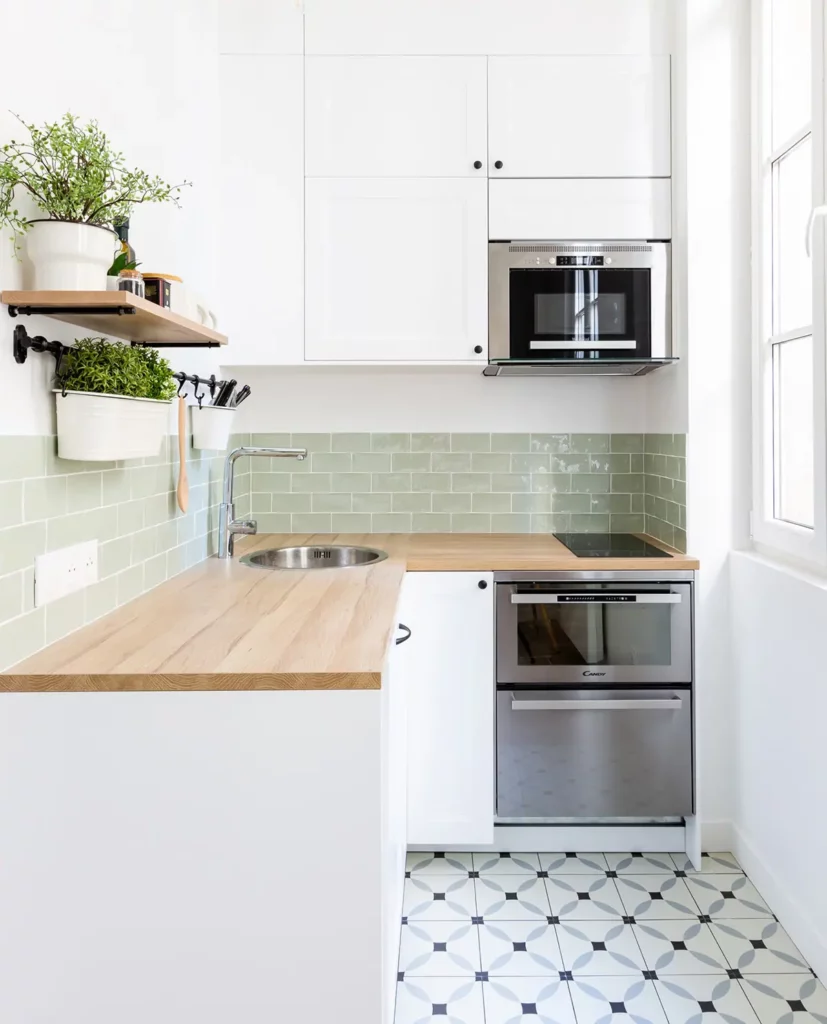
The L-shaped kitchen set, a configuration built along two intersecting walls, stands as a cornerstone of modern kitchen design, consistently favored by designers for its unparalleled ergonomic efficiency and functional adaptability. This layout inherently supports the "working triangle" principle, an industry standard for optimizing kitchen workflow, while simultaneously ensuring unimpeded circulation throughout the space. By neatly segregating preparation, cooking, and washing areas along distinct yet proximate axes, the L-shape fosters a seamless culinary experience, preventing a cramped or isolated feel often associated with less thoughtfully planned kitchens.
The Evolution of Kitchen Ergonomics and the L-Shape’s Rise
The journey towards ergonomic kitchen design began in earnest in the early 20th century, driven by a growing understanding of efficiency and household management. Early pioneers like Christine Frederick and later Margarete Schütte-Lihotzky with her groundbreaking "Frankfurt Kitchen" in 1926, laid the foundation for modern kitchen planning. Their work emphasized minimizing steps and maximizing utility, leading to the development of the "working triangle" concept. This fundamental principle dictates that the three primary workstations – the refrigerator (food storage), the sink (food preparation and cleanup), and the stove (cooking) – should form a triangle, with each leg ideally measuring between 1.2 to 2.7 meters (4 to 9 feet). The L-shaped layout naturally and effectively accommodates this design, positioning two elements on one wall and the third on the adjacent wall, or incorporating the refrigerator as a standalone unit at the end of one leg.

Initially, the L-shape was often perceived as a pragmatic solution for smaller, more confined spaces, particularly in urban apartments or terraced homes where maximizing every corner was crucial. However, its inherent versatility and efficiency quickly propelled it beyond mere space-saving utility. Professional designers increasingly adopted the L-layout for medium to expansive kitchens, recognizing its ability to define a distinct kitchen zone without the need for full partition walls. This characteristic proved particularly valuable with the advent of open-plan living, a dominant architectural trend that emerged in the mid-20th century and gained widespread popularity by the late 20th and early 21st centuries. By allowing one side to remain entirely open to dining or living areas, the L-shaped kitchen became instrumental in fostering social interaction and a sense of spaciousness, transforming the kitchen from a utilitarian backroom into a vibrant hub of the home.
Unpacking the Core Advantages: Functionality and Flow
The enduring appeal of the L-shaped kitchen lies in its blend of practical advantages and aesthetic flexibility. Industry experts frequently highlight several key benefits that make it a top choice for a wide array of residential projects.
Optimizing the Working Triangle: The L-shape’s inherent geometry makes it the most straightforward layout for implementing the working triangle. With the sink typically placed on one wall and the cooktop on the adjacent, the refrigerator can be positioned at the beginning or end of either leg, forming an efficient, tight triangle. This configuration minimizes unnecessary movement between tasks, reducing fatigue and enhancing productivity during meal preparation. Design research consistently shows that well-executed working triangles can reduce the total distance walked in a kitchen by up to 30%, a significant factor in daily comfort.

Enhanced Circulation and Openness: Unlike galley kitchens, which can feel like a narrow corridor, or U-shaped kitchens, which enclose the user on three sides, the L-layout leaves one entire side open. This unrestricted access promotes excellent traffic flow, allowing multiple users to navigate the kitchen simultaneously without collision. This is particularly advantageous for households where cooking is a shared activity or for entertaining guests who might wish to mingle in the kitchen area. The open side also visually expands the space, contributing to a more airy and welcoming atmosphere.
Adaptability and Customization: The L-shape demonstrates remarkable adaptability to various room dimensions and architectural features. Whether a room is long and narrow or more square, the L-configuration can be tailored to fit. For instance, if one wall features a large window, base cabinets can be installed along that stretch, allowing natural light to flood the sink or prep area, while upper cabinetry is limited or replaced with open shelving on the adjacent wall. This flexibility allows designers to maximize natural light and views, integrating the kitchen seamlessly into its surroundings.
Strategic Zoning: Crafting an Efficient Workspace
Effective organization within an L-shaped kitchen hinges on a thoughtful division of labor, ensuring each zone serves its purpose optimally without impeding workflow.

Wet vs. Dry Zones: A common and highly recommended approach involves separating "wet" and "dry" or "hot" zones. One leg of the L is typically designated for wet tasks, housing the sink, dishwasher, and primary food preparation areas (chopping, rinsing). Placing this wet zone beneath a window is often ideal, leveraging natural light for detailed tasks and offering pleasant views. The adjacent leg then becomes the "hot" zone, accommodating the cooktop, oven, and secondary prep space. This separation minimizes the risk of water splashes interfering with electrical appliances or hot surfaces, contributing to a safer and more hygienic cooking environment.
Appliance Integration: The L-shape provides ample wall space for integrating essential appliances. The refrigerator, ideally positioned at the outermost edge of one leg, allows family members or guests to access drinks or snacks without traversing the main cooking area, thereby minimizing disruption. For a cohesive aesthetic, the refrigerator can be seamlessly integrated with custom paneling that matches the surrounding cabinetry, creating a built-in look that elevates the kitchen’s overall design. Built-in ovens, microwaves, and coffee machines can also be strategically placed within tall cabinet units, often at ergonomic heights (e.g., chest height for ovens) to enhance user comfort and safety when handling hot items.
Integrating with Contemporary Living: The Open-Plan Revolution
The L-shaped kitchen has become an emblem of the modern open-plan home. As homeowners increasingly desire integrated living spaces that foster connectivity and communal activities, the L-layout offers a sophisticated solution. Its angular form naturally embraces and defines the adjacent dining or living area without resorting to physical barriers. This fosters a fluid transition between zones, making the entire living space feel more expansive and interconnected.

This open integration brings significant lifestyle benefits. Home cooks can effortlessly engage in conversation with family members relaxing in the living room or guests gathered around a dining table, eliminating the isolation often felt in traditional, walled-off kitchens. Parents can supervise children playing or studying while simultaneously preparing meals, enhancing family togetherness. Furthermore, the visual continuity contributes to a brighter, more welcoming home ambiance, aligning perfectly with contemporary aesthetic preferences for spaciousness and natural light.
Elevating Design: Islands, Materials, and Lighting
Beyond its functional prowess, the L-shaped kitchen offers extensive opportunities for aesthetic enhancement and personalized design.
The Allure of the Kitchen Island: For larger L-shaped layouts, introducing a kitchen island into the central open space is a popular choice, transforming the kitchen into a truly luxurious and highly functional area. The island acts as a visual anchor, grounding the space and providing a focal point. Functionally, it significantly expands the available countertop space for food preparation, serving, or even as an informal dining area with the addition of bar stools. Islands can also house additional storage, secondary sinks, wine coolers, or even a cooktop, further augmenting the kitchen’s utility. Materials like polished granite, quartz, or solid surface for the island countertop instantly elevate the kitchen’s premium feel, adding a touch of sophistication.

Materiality and Texture: The aesthetic appeal of a minimalist L-shaped kitchen relies heavily on the thoughtful selection and combination of materials and textures, rather than ornate detailing.
- Cabinetry: A popular design trend is the "two-tone" cabinet scheme, where lower cabinets feature a darker hue (e.g., deep gray, navy, or natural wood grain) while upper cabinets are rendered in lighter tones (white, light gray, or open shelving). This creates visual interest and prevents the long stretches of cabinetry from feeling monolithic or overwhelming, especially in smaller spaces. Lighter upper cabinets can also make the ceiling appear higher, enhancing the sense of spaciousness.
- Countertops: The seamless integration of the two countertop sections at the L-corner is paramount for both aesthetics and hygiene. Materials like Solid Surface can be fabricated with inconspicuous seams, creating a continuous, sleek look. Beyond aesthetics, a smooth, gap-free surface prevents food debris, spills, and moisture from accumulating in corners, making cleaning easier and maintaining a hygienic environment. Other popular choices include quartz for its durability and wide range of patterns, granite for its natural beauty and resilience, and marble for its luxurious feel, though it requires more maintenance.
- Backsplash: The backsplash area in an L-shaped kitchen is often quite expansive, making it a prominent visual element, especially when viewed from adjacent living spaces. High-quality materials such as full-slab granite or marble with continuous veining create a dramatic and opulent statement. Alternatively, classic white subway tiles offer a timeless, clean, and elegant look that effectively bridges the visual gap between upper and lower cabinetry, while being durable and easy to clean. Glass tiles, patterned ceramic tiles, or even stainless steel can also be used to introduce texture, color, and personality.
Illuminating the Workspace: Effective lighting design is crucial in an L-shaped kitchen to eliminate shadows and enhance functionality. Central overhead lighting alone often leaves the corner and working surfaces in shadow, creating "blind spots." A layered lighting scheme is essential:
- Ambient Lighting: General overhead lighting (recessed downlights, flush mounts) provides overall illumination.
- Task Lighting: Under-cabinet strip LED lighting is indispensable for illuminating countertops, ensuring clear visibility for food preparation. Additional downlights strategically positioned to focus on specific work zones, such as the sink or cooktop, further enhance task visibility.
- Accent Lighting: LED strips within glass-front cabinets or directed towards the backsplash can highlight decorative elements or interesting textures, adding depth and ambiance to the kitchen. Smart lighting systems, which allow for adjustable brightness and color temperature, can transform the kitchen’s mood from bright and functional to warm and inviting.
Smart Solutions for Smarter Kitchens
Modern L-shaped kitchens increasingly incorporate intelligent design solutions and smart technology to maximize utility and user convenience.

Maximizing Corner Storage: The corner unit of an L-shaped kitchen can often be a challenge, prone to becoming a dead space where items are "lost." Modern hardware solutions brilliantly address this. "Magic corner" units feature pull-out shelves that glide out of the deep corner, bringing stored items within easy reach. Lazy Susans, with their rotating shelves, offer another effective way to utilize corner space for pots, pans, or dry goods. Custom pull-out pantry units can also be integrated into the L-shape, providing extensive, organized storage for groceries.
Seamless Appliance Integration and Handle-less Design: The long, uninterrupted lines of an L-shaped kitchen are ideal for integrating built-in appliances like dishwashers, refrigerators, and microwaves, which blend seamlessly with the cabinetry for a sleek, contemporary look. Furthermore, minimalist design trends favor handle-less cabinetry. This can be achieved through "push-to-open" mechanisms for drawers and doors, or by incorporating J-pull or recessed handles that are subtly integrated into the top edge of doors and drawers. These details contribute to an uncluttered, high-end aesthetic, making the cabinets appear as continuous paneling.
Avoiding Common Pitfalls: Expert Recommendations
While the L-shaped kitchen offers numerous advantages, certain design errors can undermine its effectiveness. Designers emphasize anticipating these challenges during the planning phase.

Insufficient Circulation Space: A critical oversight is failing to allocate adequate circulation space, particularly if a kitchen island is added. A minimum clearance of 100-120 cm (approximately 40-48 inches) between opposing cabinets, appliances, or the island and the main countertop is crucial. This ensures comfortable movement, allows cabinet doors and appliance doors (like refrigerators or dishwashers) to open fully without obstruction, and accommodates multiple users simultaneously.
Improper Appliance Placement: Placing a cooktop directly in front of an operable window is a common safety hazard. Strong drafts from an open window can extinguish gas flames or cause smoke and cooking odors to blow back into the room. It can also pose a fire risk if curtains or blinds are too close to the heat source. Careful planning of gas and electrical outlets, along with vent hood placement, is paramount for safety and long-term functionality. Proper ventilation, typically achieved through a high-performance cooker hood ducted to the outside, is essential regardless of cooktop placement.
The L-Shaped Kitchen as an Investment
The L-shaped kitchen is more than just a functional space; it’s a strategic investment in a home’s value and the occupants’ quality of life. Its timeless design, coupled with its inherent ergonomic advantages and adaptability to modern living trends like open-plan layouts, ensures its enduring appeal. A well-executed L-shaped kitchen, incorporating thoughtful zoning, quality materials, and efficient storage solutions, significantly enhances a property’s marketability and provides a central hub for daily life and entertaining. Its ability to blend form and function seamlessly makes it a consistently recommended choice for homeowners seeking a kitchen that is both beautiful and highly practical.

In conclusion, the L-shaped kitchen set remains a robust and enduring layout solution that effortlessly merges ergonomic principles with contemporary design aesthetics. It excels at creating distinct functional zones for food preparation, washing, and cooking, while simultaneously promoting an open, connected feel within the wider living space. From meticulous technical details, such as mitigating blind corners with smart storage solutions, to the strategic application of layered lighting, every aspect is designed to enhance daily usability and comfort. This versatility and efficiency solidify the L-shape’s position as a quintessential element of the modern home.