Paryono Ramadhan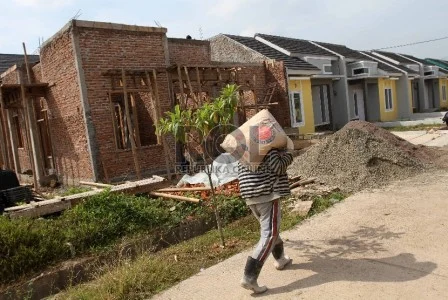
The vibrant regions surrounding Indonesia’s capital, Jakarta—collectively known as Bodetabek, encompassing Bogor, Depok, Tangerang, and Bekasi—continue to demonstrate their immense potential as prime canvases for property developers. This sustained interest is evidenced by numerous ongoing property projects transforming these metropolitan buffer zones into self-sufficient urban centers. From integrated townships designed to cater to specific economic hubs to sprawling mixed-use developments, the Bodetabek area is experiencing a robust real estate boom, fueled by a combination of strategic location, evolving infrastructure, and a burgeoning middle class seeking improved living and working environments. Recent market analyses, however, indicate a dynamic shift in investor sentiment, with Bogor emerging as the new frontrunner for property investment, displacing Tangerang from its long-held top position.
The Enduring Allure and Strategic Importance of Bodetabek
Bodetabek’s strategic importance stems from its role as a critical extension and support system for Jakarta, one of the world’s most populous megacities. As Jakarta grapples with increasing urbanization, traffic congestion, and escalating land prices, its satellite cities offer a compelling alternative for both residents and businesses. The area benefits from a confluence of factors, including a growing population, expanding economic activities, and significant government and private sector investment in infrastructure. Major toll roads such as the Jakarta-Merak, Jagorawi, and Jakarta-Cikampek connect these cities directly to the capital, while the expansion of the KRL Commuterline railway network further enhances accessibility, making daily commutes more feasible. This interconnectedness allows residents to enjoy a potentially better quality of life and more affordable housing in Bodetabek while still accessing Jakarta’s employment opportunities.
The demographic dividend in Indonesia, characterized by a large and aspirational young population, further underpins the demand for diverse property offerings, from affordable housing to premium integrated developments. Developers are strategically positioning their projects to capture segments ranging from first-time homebuyers and young professionals to families seeking suburban tranquility and businesses looking for strategic operational bases outside Jakarta’s core. The development in Bodetabek is not merely about providing housing; it’s about creating holistic ecosystems where residents can live, work, and recreate within close proximity, thereby reducing reliance on extensive travel and fostering community growth. This vision aligns with broader urban planning trends focused on decentralization and the creation of polycentric urban regions.
Aeropolis: Crafting an Airport-Centric Integrated Hub
Among the prominent developers capitalizing on Bodetabek’s potential is PT Intiland Development, with its ambitious Aeropolis project. This large-scale, long-term undertaking is strategically located in the vicinity of Soekarno-Hatta International Airport (Soetta) in Tangerang, aiming to create a fully integrated community designed to meet the diverse needs of the airport’s extensive ecosystem. The rationale behind Aeropolis is clear: to cater to the significant population of individuals whose lives and livelihoods revolve around the airport—pilots, cabin crew, ground staff, logistics personnel, business travelers, and support service providers. These individuals often require convenient, high-quality facilities that blend residential comfort with professional amenities and retail options, minimizing travel time and maximizing efficiency.
Aeropolis envisions a self-contained environment offering a comprehensive suite of facilities, including residential units, office spaces, retail outlets, cargo facilities, and hotels. This integrated approach ensures that the community around Soetta has immediate access to essential services and amenities, enhancing their quality of life and productivity. The project’s director, Didik Riyanto, articulated the company’s confidence in this market segment, stating that internal analyses indicated a high future demand for housing near the airport, providing the impetus for the project’s launch. This foresight has paid off, as Aeropolis has successfully sold 4,000 units across its various categories—including residential, office, warehousing, hotel, and retail components—since its inception until March 2014, demonstrating strong market absorption and validation of Intiland’s strategic vision.
Onyx Residence: Vertical Living for the Airport Community
As part of the broader Aeropolis master plan, Intiland Development recently launched its newest residential offering, Apartemen Onyx Residence. This vertical living concept is designed specifically to cater to the demand for modern, convenient housing within the airport community. Onyx Residence comprises three towers, each eight stories high, offering contemporary living spaces. In a phased development strategy, two of these towers have already been completed and are actively on the market. The construction of the third tower is strategically planned to commence once the units in the initial two towers have achieved satisfactory market absorption, a common practice in property development to manage supply and demand effectively.
Didik Riyanto emphasized that Onyx Residence is primarily targeting individuals working at or around Soekarno-Hatta Airport. The rationale is straightforward: these professionals inherently require residences that minimize their commute and integrate seamlessly with their work-life balance. The design and amenities within Onyx Residence are tailored to this demographic, promising a blend of comfort, convenience, and connectivity. The success of Aeropolis overall, particularly the strong sales figures achieved across its diverse offerings, instills confidence that Onyx Residence will further solidify the project’s position as a premier integrated zone near Soetta, serving as a benchmark for airport-centric urban development in Indonesia.
Metland Cyber City: A Joint Venture for Tangerang’s Growth
Not to be outdone, other prominent developers are also making significant strides in the Bodetabek property market. The Ascendas Group, a leading Singapore-based real estate conglomerate, has partnered with PT Metropolitan Karyadeka Development (MKD) to embark on an ambitious mixed-use project spanning 9.7 hectares in Tangerang, Banten. This collaboration between an international powerhouse and a local developer signifies the strong foreign investor confidence in Indonesia’s property sector, particularly in the strategically important Bodetabek region.
Manohar Khiatani, CEO and President of the Ascendas Group, highlighted the project’s intent to address the increasing business expansion in Jakarta’s peripheral areas, where there is a growing demand for integrated mixed-use developments to support their operations. The project, situated within the larger Metland Cyber City master plan, is designed to be a vibrant hub comprising office spaces, apartments, retail components, and various supporting facilities. This comprehensive approach aims to create an environment where businesses can thrive, and residents can enjoy a high quality of life with amenities at their doorstep.

Nanda Widya, President Director of PT MKD, expressed considerable enthusiasm for the joint venture, underscoring the future necessity of integrating residential areas with workplaces and other essential facilities for professionals and businesses. He encapsulated the project’s philosophy with the motto: "work, live, and play," emphasizing the creation of a dynamic environment that caters to all aspects of modern urban living. The strategic vision is to offer a cohesive ecosystem that minimizes commuting stress and maximizes convenience, a highly sought-after attribute in rapidly urbanizing areas.
Phased Development and Strategic Location
The development of the Ascendas-MKD project within Metland Cyber City is structured in phases. The first phase is slated to commence in 2016, focusing on an initial area of 1.3 hectares out of the total 9.7 hectares. This phased approach allows developers to respond dynamically to market demand and ensure sustainable growth. Subsequent phases will be developed based on market absorption rates, ensuring that supply aligns with actual demand. The initial phase will see the construction of apartments, housing units, and office spaces, complemented by an array of supporting facilities.
The location of Metland Cyber City is a significant asset, boasting exceptional strategic accessibility. It offers convenient access from the Jakarta-Merak Toll Road via a new direct exit at Kilometer 11, alongside connectivity to several other major arterial roads. This superior connectivity positions Metland Cyber City as an attractive proposition for both residents and businesses. Furthermore, Nanda Widya noted that Tangerang historically offers high capital gains, making it a primary choice for property investment, particularly for professionals commuting from Jakarta who seek better value and growth potential outside the capital’s core.
Shifting Investment Preferences: Bogor Takes the Lead
While Tangerang has long been a favored destination for property investment, a mid-2015 half-year survey conducted by General Manager Mario Gaw (likely representing a prominent property market research firm) revealed a significant shift in investor sentiment. Bogor, West Java, has emerged as the top choice for property investment, garnering a remarkable 37 percent preference among respondents, thereby displacing Tangerang from its previously dominant position.
This shift underscores the evolving priorities of property investors and homebuyers in the greater Jakarta area. Bogor’s ascent can be attributed to several factors. Known for its cooler climate, lush green landscapes, and a more relaxed atmosphere compared to the bustling urban centers, Bogor offers a perceived improvement in quality of life. Significant infrastructure improvements, including enhanced connectivity via the Jagorawi Toll Road and the KRL Commuterline, have also made Bogor increasingly accessible. The development of new integrated townships, educational institutions, and commercial centers has transformed Bogor into a desirable self-sufficient city, attracting those seeking a balance between urban amenities and natural tranquility. The relative affordability of land and property in Bogor compared to Jakarta and even parts of Tangerang also plays a crucial role in its growing appeal.
Following Bogor, Tangerang and Bekasi remain strong contenders in the property investment landscape, indicating continued robust interest in these areas, albeit with a slight reordering of priorities. Within DKI Jakarta itself, South Jakarta continues to be the most favored district for property buyers, reflecting its enduring appeal as a premium residential and commercial hub. The survey, conducted online over 1.5 months in January 2015, is part of a biannual assessment designed to provide valuable reference data for real estate industry stakeholders, helping them understand and adapt to market dynamics.
Financing the Property Dream: Bank Loans and Developer Innovations
Beyond investment preferences, the survey also shed light on property financing trends among Indonesian consumers. It revealed that traditional bank loans remain the dominant financing mechanism, with 75 percent of respondents relying on them to secure their property purchases. This highlights the enduring trust in established financial institutions and their structured lending products.
However, the survey also indicated a growing appreciation for developer-offered credit programs, with 53 percent of respondents considering these options as a viable and attractive alternative. These programs often include flexible installment plans, staggered payment schedules, or even in-house financing schemes, which can be particularly appealing to buyers who may not qualify for conventional bank loans or who prefer more tailored payment structures. This trend signifies an innovative approach by developers to make property ownership more accessible and to cater to a wider spectrum of buyers, especially in a market where affordability remains a key consideration. The availability of diverse financing options for properties such as houses, apartments, shophouses (ruko), and other real estate assets reflects a dynamic market responsive to consumer financial needs and capabilities.
Broader Implications and Future Outlook
The vibrant property development in Bodetabek, coupled with shifting investment patterns, carries significant broader economic and urban planning implications. The robust growth of these satellite cities is a testament to the ongoing decentralization efforts from Jakarta, aiming to distribute population and economic activity more evenly across the Greater Jakarta region. This trend presents both opportunities and challenges for sustainable urban development. While it alleviates pressure on Jakarta, it necessitates careful planning in Bodetabek to ensure adequate infrastructure (transportation, utilities, public services), the preservation of green spaces, and the development of livable, resilient communities.
Government policies and infrastructure investments will continue to play a pivotal role in shaping the future trajectory of Bodetabek’s property market. Continued enhancements in public transportation networks, the development of new toll road arteries, and the provision of essential public utilities are crucial for sustaining growth and enhancing the attractiveness of these regions. Looking ahead, the demand for integrated, transit-oriented developments (TODs) is expected to intensify, aligning with global trends toward smart cities and sustainable urban living. Developers who can innovate and incorporate elements of green building, smart technology, and community-centric design are likely to thrive. The Bodetabek region is poised to remain a magnet for both domestic and international real estate investment, driven by Indonesia’s strong economic fundamentals, rapid urbanization, and the continuous evolution of its urban landscape. The market’s resilience and adaptability, as demonstrated by the shifting preferences and innovative financing solutions, suggest a promising and dynamic future for property development in these strategic satellite cities.