Chalifah Fatihah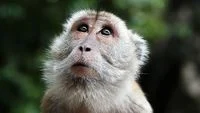
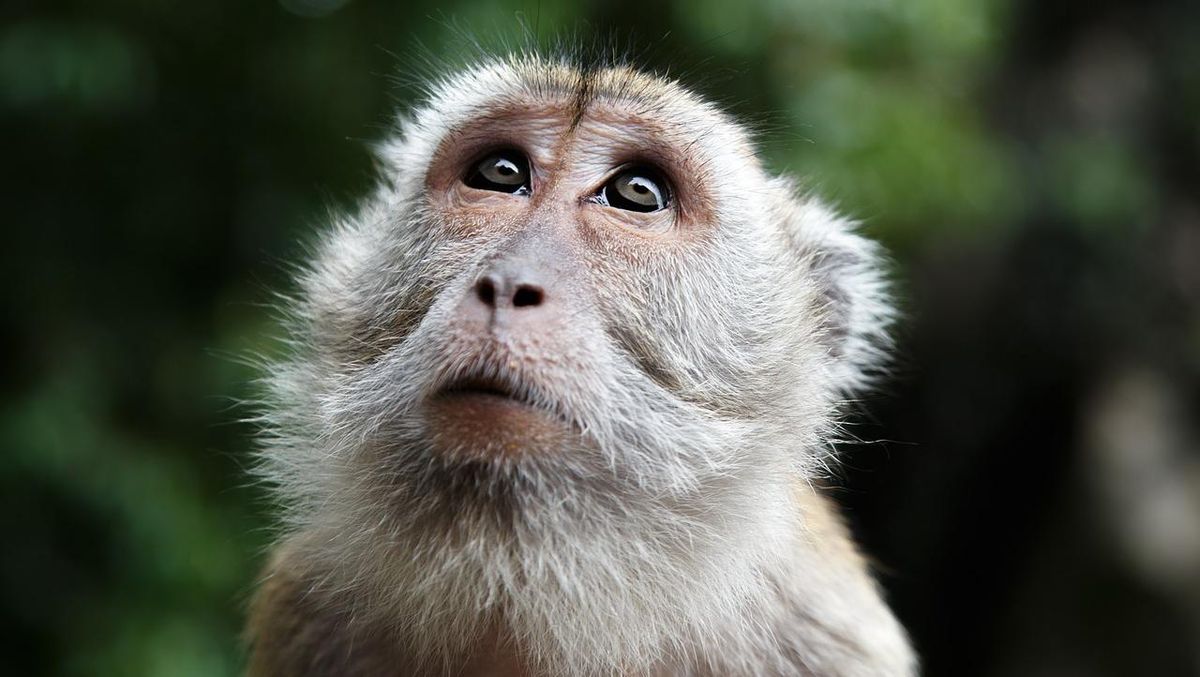
Scientists have observed a peculiar behavior among the Barbary macaque population inhabiting the Rock of Gibraltar: a deliberate consumption of mud and soil. This unusual practice, known as geophagy, is believed to be a direct response to the detrimental effects of the "junk food" they receive, often surreptitiously, from the constant stream of tourists. Researchers suggest this earthy diet serves as a natural remedy to soothe their digestive systems, which are frequently upset by high-fat, high-sugar, and high-salt snacks.
The Rise of Geophagy in Gibraltar’s Macaque Population
The phenomenon was meticulously documented by researchers between the summer of 2012 and the spring of 2024, revealing a clear correlation between tourist activity and the macaques’ mud-eating habits. The study, published in the esteemed journal Scientific Reports, found that approximately one-fifth (20%) of the Barbary macaques’ diet was derived from food provided by tourists. This reliance on human-provided snacks, despite the availability of natural, healthy food sources, has spurred the development of this compensatory geophagic behavior.
Dr. Sylvain Lemoine, a primate behavioral ecologist from the University of Cambridge, who led a significant portion of the research, explained the underlying physiological reasons. "The junk food, rich in unhealthy fats, sugars, and salts, significantly disrupts the gut microbiome – the complex ecosystem of microorganisms essential for a primate’s digestive health," Dr. Lemoine stated. "The minerals and bacteria present in the soil appear to help rebalance this delicate microbial community, mitigating the negative impacts of these processed snacks. Essentially, the soil acts as a buffer, neutralizing the adverse effects of energy-dense but nutrient-poor foods."
The findings indicate that macaques residing in the most frequented areas of the Rock, particularly at the summit which is a prime tourist attraction, are twice as likely to consume tourist-provided junk food and, consequently, exhibit higher rates of soil consumption. This geographical clustering of the behavior underscores the direct link between human interaction and the macaques’ dietary adaptations.
A Timeline of Observation and Discovery
The research period, spanning over two years, provided crucial data points. Initial observations likely began with anecdotal reports from locals and park rangers, gradually prompting a more systematic scientific investigation. The summer months, synonymous with peak tourist seasons in Gibraltar, consistently showed the highest levels of both junk food consumption and geophagy. Conversely, during the quieter winter months, when visitor numbers dwindle, the macaques’ intake of tourist food dropped by approximately 40%, and their consumption of soil decreased by over 30%. This seasonal fluctuation further solidifies the hypothesis that human food is the primary trigger for this learned behavior.
Interestingly, the macaques exhibit distinct preferences even within the realm of unhealthy snacks. While they show a marked fondness for ice cream cones and ice cream bars, research suggests they are less enthusiastic about sorbet. This detail adds a layer of nuance to their dietary habits, highlighting their capacity to discern certain textures and flavors even within a category of generally unhealthy foods.
The Composition and Source of the "Medicine"
The macaques were observed consuming various types of soil. While a majority gravitated towards red clay, a specific group known as the "Ape’s Den" community, located on the lower slopes of the Rock, was found to be ingesting soil from asphalt cracks. This observation raises important questions about the specific properties macaques seek in the soil and whether different soil types offer varying degrees of relief.
The scientific understanding of geophagy in primates generally points to its role in detoxification, nutrient supplementation, and soothing gastrointestinal distress. In this context, the minerals within the soil, such as clays, can bind to toxins and aid in their excretion. Furthermore, the soil can provide essential minerals that might be lacking in a diet heavily skewed towards processed human foods.
Broader Implications and Expert Reactions
The implications of this unique adaptation extend beyond the immediate well-being of the Gibraltar macaques. It serves as a stark reminder of the unintended consequences of human interaction with wildlife. Dr. Paula Pebsworth, a primatologist from the University of Texas, emphasized the broader conservation message. "While geophagy is a remarkable example of a self-defense mechanism evolving in response to environmental pressures, the most effective and sustainable solution lies in human management," Dr. Pebsworth stated. "Reducing or eliminating the feeding of humans to wild animals is paramount for their long-term health and the preservation of their natural behaviors."
Gibraltar’s local authorities do have regulations in place prohibiting tourists from touching or feeding the monkeys. However, the study’s findings suggest that these rules are not consistently enforced or adhered to on the ground, leading to a continued cycle of problematic feeding practices. The accessibility of the Rock to tourists, coupled with the inherent curiosity of both humans and macaques, creates a challenging environment for effective wildlife management.
Emerging Risks and Future Research
While the geophagy is a coping mechanism, it is not without its own set of potential risks. Dr. Lemoine expressed concerns about the potential presence of pollutants in the soil, particularly for those macaques consuming earth from areas near roadways. "The soil in urban or semi-urban environments can accumulate contaminants from vehicle emissions and other industrial sources," he warned. "We are planning to analyze the soil samples for levels of heavy metals and other harmful pollutants to assess this potential risk more thoroughly."
This future research direction is critical for a comprehensive understanding of the macaques’ health. The findings could inform targeted interventions, such as soil remediation in specific areas or the development of more effective deterrents against tourist feeding.
The study also touches upon the social learning aspect of this behavior. Researchers observed that the practice of geophagy appears to be transmitted within the macaque social groups, suggesting a learned behavior passed down through generations, rather than solely an innate instinct. This social transmission could accelerate the adoption of such behaviors when faced with persistent environmental pressures, like the constant availability of human junk food.
A Call for Responsible Tourism and Wildlife Coexistence
The case of the Gibraltar macaques offers a compelling narrative on the intricate relationship between humans and wildlife in tourist hotspots. It highlights the urgent need for greater awareness and stricter enforcement of regulations designed to protect wild animal populations from the detrimental effects of human interference. The future health and behavioral integrity of these iconic primates depend on a concerted effort to foster responsible tourism practices and a deeper respect for the natural world. The unique adaptation of eating mud is a testament to the macaques’ resilience, but it also serves as a poignant indicator that the current paradigm of human-wildlife interaction in places like Gibraltar is unsustainable and requires urgent re-evaluation. The long-term implications could range from altered social structures within the macaque population to increased susceptibility to novel diseases if their gut health is compromised by continued exposure to pollutants and unhealthy foods.