Lusiana Hamidun
The pursuit of radiant, luminous skin is a pervasive aspiration in contemporary beauty standards, influencing countless consumer choices and driving a multi-billion dollar global skincare industry. Among the most sought-after benefits advertised by cosmetic brands are "whitening" and "brightening" effects. While often used interchangeably in casual conversation and even on product packaging, these two terms represent distinct approaches to skin enhancement, each with its own mechanisms, ingredients, potential outcomes, and associated risks. Understanding the fundamental differences between whitening and brightening is crucial for consumers to make informed decisions, select appropriate products for their specific skin concerns, and navigate the complex landscape of dermatological advancements.
The global market for skin-lightening products alone was valued at approximately $8.9 billion in 2022 and is projected to reach $13.9 billion by 2030, exhibiting a compound annual growth rate (CAGR) of 5.8% from 2023 to 2030, according to a report by Grand View Research. Similarly, the market for skin-brightening products, often encompassing treatments for dullness and uneven tone, also represents a significant segment of the beauty industry, demonstrating a strong consumer demand for enhanced skin luminosity. This widespread interest underscores the importance of clarifying the scientific and functional distinctions between these two popular skincare claims.
Defining the Terms: Whitening and Brightening in Skincare
At its core, whitening refers to a process that aims to alter the inherent color of the skin, making it appear lighter or whiter than its natural tone. This is primarily achieved by targeting the production of melanin, the pigment responsible for skin, hair, and eye color. Products formulated for whitening actively work to inhibit or suppress melanin synthesis. The objective is to achieve a more uniform, paler complexion.
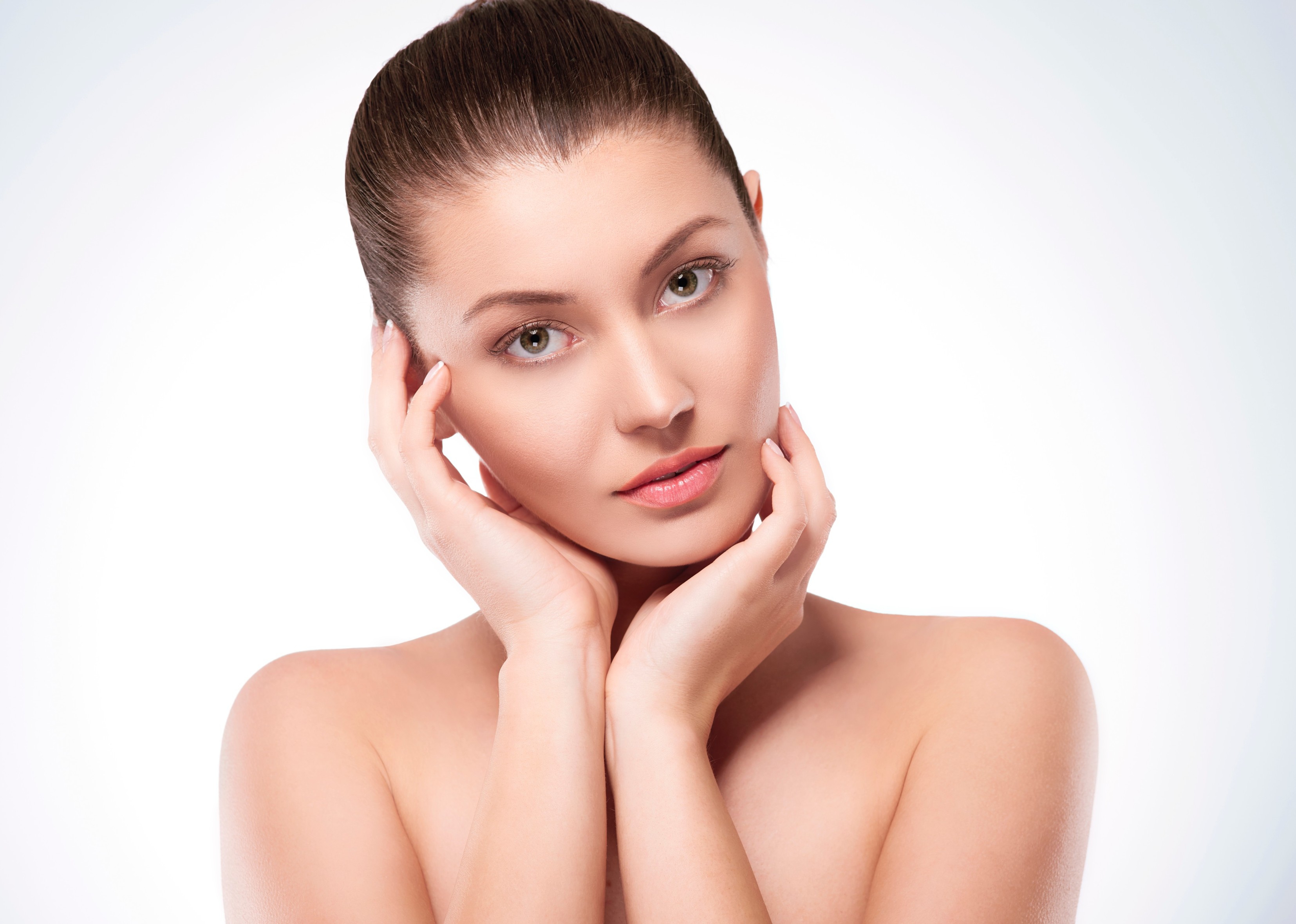
In contrast, brightening focuses on enhancing the skin’s natural luminosity and radiance without altering its underlying color. This approach addresses issues such as dullness, uneven skin tone, and a lack of vitality. Brightening treatments aim to reveal healthier, more vibrant skin by promoting cell turnover, removing dead skin cells, and improving overall skin texture and clarity. The goal is to achieve a glowing, revitalized appearance that reflects light more effectively.
The Science Behind the Claims: Ingredients and Mechanisms
The efficacy of both whitening and brightening products hinges on their active ingredients and how they interact with the skin.
Whitening Ingredients and Their Action
Products marketed for whitening typically contain potent ingredients designed to interfere with melanogenesis, the biological process of melanin production. Key active compounds include:
- Alpha Arbutin: A derivative of hydroquinone, alpha arbutin works by inhibiting tyrosinase, a key enzyme in the melanin production pathway. It is generally considered a safer alternative to hydroquinone, offering a more gradual but effective lightening effect.
- Kojic Acid: Derived from fungi, kojic acid also acts as a tyrosinase inhibitor. It helps to reduce the formation of melanin and can also have antioxidant properties. Its potency can vary, and some formulations may cause mild irritation.
- Glutathione: This powerful antioxidant, naturally produced in the body, is believed to lighten skin by increasing the production of pheomelanin (a lighter pigment) and decreasing the production of eumelanin (a darker pigment). It also plays a role in detoxification.
- Hydroquinone: Historically considered a gold standard for skin lightening, hydroquinone is a potent depigmenting agent that effectively inhibits tyrosinase. However, its use is controversial and restricted in many regions due to potential side effects, including ochronosis (a bluish-black discoloration of the skin), increased sensitivity to sunlight, and potential for rebound hyperpigmentation. Its use typically requires medical supervision.
These ingredients are often found in creams, serums, and treatments designed for significant color correction. The results from potent whitening agents can sometimes be observed within a few weeks of consistent use, typically between two to four weeks, leading to a noticeable reduction in hyperpigmentation and a more uniform skin tone.
Brightening Ingredients and Their Mechanisms
Brightening products utilize ingredients that focus on improving skin health and clarity, leading to a more luminous appearance. Common active components include:
- Vitamin C (Ascorbic Acid and its derivatives): A potent antioxidant, Vitamin C not only protects the skin from environmental damage but also inhibits melanin production by reducing the activity of tyrosinase. It also plays a crucial role in collagen synthesis, improving skin elasticity and firmness. Its antioxidant properties help combat free radicals that contribute to dullness and premature aging.
- Niacinamide (Vitamin B3): This versatile ingredient offers a multitude of benefits, including reducing inflammation, improving the skin’s barrier function, and minimizing the appearance of pores. For brightening, niacinamide works by inhibiting the transfer of melanosomes (packets of melanin) from melanocytes to keratinocytes (skin cells), thereby reducing the appearance of dark spots and evening out skin tone.
- Alpha Hydroxy Acids (AHAs) and Beta Hydroxy Acids (BHAs): AHAs like glycolic acid and lactic acid exfoliate the surface layer of the skin, removing dead skin cells and revealing fresher, brighter skin underneath. BHAs, such as salicylic acid, are oil-soluble and can penetrate pores to unclog them, making them effective for acne-prone skin that can also suffer from dullness.
- Hyaluronic Acid: While primarily known for its hydrating properties, hyaluronic acid helps to plump the skin by retaining moisture. Well-hydrated skin reflects light better, contributing to a naturally radiant and healthy-looking complexion.
- Retinoids (e.g., Retinol): Retinoids accelerate skin cell turnover, helping to shed dull, damaged cells and promote the growth of new, healthy ones. This process can lead to a smoother, brighter, and more even-toned complexion over time. They also stimulate collagen production, further enhancing skin texture and radiance.
These ingredients work by promoting a healthy skin cycle, improving texture, and enhancing the skin’s ability to reflect light, resulting in a brighter, more revitalized appearance.
Key Distinctions: A Comparative Analysis
The divergence between whitening and brightening extends beyond their active ingredients to their core objectives, mechanisms of action, suitability for different skin concerns, and potential risks.
1. Focus of Treatment
- Whitening: Primarily targets the alteration of the skin’s natural color, aiming to make it visibly paler and more uniform by reducing melanin production.
- Brightening: Focuses on enhancing the skin’s inherent radiance and vitality, addressing dullness, uneven tone, and lack of glow without changing the fundamental skin color.
2. Product Composition
- Whitening Products: Often contain higher concentrations of potent depigmenting agents such as hydroquinone, kojic acid, and alpha arbutin. These ingredients can be more aggressive in their approach to melanin inhibition.
- Brightening Products: Typically incorporate ingredients like Vitamin C, niacinamide, AHAs, BHAs, hyaluronic acid, and retinoids. These ingredients are generally considered milder and offer a broader range of benefits for skin health.
3. Mechanism of Action
- Whitening: Works by actively inhibiting the enzyme tyrosinase or reducing melanin synthesis, thereby decreasing the amount of pigment in the skin.
- Brightening: Works by accelerating the skin’s natural exfoliation process, removing dead skin cells, improving circulation, and enhancing the skin’s ability to reflect light. Antioxidants also play a role in protecting against damage that can lead to dullness.
4. Suitability for Skin Concerns
- Whitening: Best suited for individuals with significant hyperpigmentation, dark spots, melasma, or uneven skin tone who desire a noticeable reduction in pigment and a lighter overall complexion.
- Brightening: Ideal for those experiencing dullness, fatigue, environmental damage, or a general lack of radiance. It is also beneficial for improving overall skin texture and clarity.
5. End Results
- Whitening: Aims for a visibly lighter skin tone and a reduction in the intensity of dark spots. The skin appears more uniformly pale.
- Brightening: Results in skin that looks more luminous, healthy, and vibrant, with improved clarity and a smoother texture. The skin appears to glow from within.
6. Intensity and Speed of Change
- Whitening: Tends to work more intensely and can yield more dramatic changes in skin color over a relatively shorter period, particularly with stronger formulations.
- Brightening: Generally offers a more gradual and subtle enhancement, focusing on improving skin health over time. The changes are often a result of consistent, long-term use.
7. Risk Profile
- Whitening: Due to the potency of some ingredients, whitening products, especially those containing hydroquinone or used excessively, carry a higher risk of side effects. These can include skin irritation, redness, peeling, increased photosensitivity, and in severe cases, ochronosis or post-inflammatory hyperpigmentation. Long-term use of aggressive whitening agents warrants caution and often medical supervision.
- Brightening: Generally considered safer for regular use, as the ingredients are typically milder and aim to support the skin’s natural functions. While irritation is still possible, it is usually less severe and less common compared to potent whitening agents.
Navigating the Market: Consumer Considerations and Expert Advice
The distinction between whitening and brightening is not merely semantic; it carries significant implications for consumer expectations and skin health. Dermatologists and skincare experts consistently emphasize the importance of understanding one’s skin type and specific concerns before selecting products.
"Consumers often gravitate towards products labeled ‘whitening’ with the expectation of achieving a significantly lighter skin tone. However, it’s crucial to understand that this process can sometimes come at the cost of skin health if not managed properly," states Dr. Anya Sharma, a board-certified dermatologist with a specialization in cosmetic dermatology. "Brightening, on the other hand, focuses on revealing the skin’s natural health and radiance. It’s about achieving a luminous glow rather than altering the inherent pigment. For most individuals, prioritizing skin health and opting for brightening treatments is a more sustainable and safer approach."
The global regulatory landscape also reflects the different risk profiles of these treatments. For instance, hydroquinone, a common ingredient in some whitening products, is banned or heavily restricted in over-the-counter products in many countries, including the European Union, Japan, and Australia, due to its potential adverse effects. In the United States, it is available by prescription only for certain dermatological conditions. This regulatory scrutiny highlights the inherent risks associated with aggressive skin lightening.
The Broader Impact: Ethical Considerations and Societal Perceptions
The pursuit of lighter skin, often fueled by historical and societal beauty standards, raises ethical considerations regarding the marketing of whitening products. Critics argue that such marketing can perpetuate colorism and reinforce unhealthy beauty ideals, particularly in cultures where lighter skin is historically associated with higher social status or privilege.
"The emphasis on ‘whitening’ can inadvertently send a message that darker skin tones are inherently less desirable," comments cultural anthropologist Dr. Ben Carter. "While consumers have the right to choose their preferred aesthetic, the beauty industry has a responsibility to promote diverse and inclusive beauty standards and to ensure that products are marketed ethically, highlighting health benefits rather than reinforcing potentially harmful biases."
The rise of social media influencers and online beauty retailers further complicates this landscape, with a constant influx of new products and often unverified claims. Consumers are advised to research ingredients, consult with dermatologists, and be wary of products that promise drastic results too quickly, as these may indicate the presence of harsh or unregulated substances.
Conclusion: Informed Choices for Healthy, Radiant Skin
In the dynamic world of skincare, the terms "whitening" and "brightening" represent two distinct pathways to achieving a more desirable complexion. While whitening aims to lighten the skin’s natural tone by inhibiting melanin, brightening focuses on enhancing the skin’s natural luminosity and health.
For most individuals seeking to improve their skin’s appearance, a brightening approach that emphasizes exfoliation, antioxidant protection, and improved hydration is generally recommended for long-term skin health and radiance. Products containing Vitamin C, niacinamide, AHAs, and retinoids are effective in revealing a healthier, more vibrant complexion without the significant risks associated with aggressive skin lightening.
Consumers are encouraged to:
- Understand their skin concerns: Identify whether the goal is to lighten skin tone or to combat dullness and unevenness.
- Read ingredient lists carefully: Familiarize themselves with common whitening and brightening agents and their functions.
- Consult with skincare professionals: Seek advice from dermatologists or licensed estheticians for personalized recommendations.
- Prioritize skin health: Opt for products and routines that support the skin’s natural barrier and functions.
- Be critical of marketing claims: Be wary of promises of rapid, dramatic changes, especially those involving significant skin color alteration.
By understanding the fundamental differences between whitening and brightening, consumers can make more informed choices, invest in products that align with their goals and skin needs, and ultimately achieve healthier, more radiant skin. The ultimate aim should be to foster a positive relationship with one’s skin, celebrating its natural beauty while enhancing its vitality and glow.