Bambang Pamungkas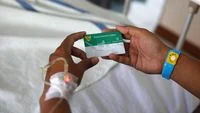
BPJS Kesehatan, Indonesia’s national health insurance program, stands as a cornerstone of the country’s social security system, dedicated to providing universal healthcare access and financial protection to its vast population. Operating under the Jaminan Kesehatan Nasional (JKN) scheme, BPJS Kesehatan mandates monthly contributions from its participants, ensuring they can access a broad spectrum of medical services without incurring additional out-of-pocket expenses at accredited facilities, ranging from primary clinics and Puskesmas to advanced hospitals. Among the critical services covered by this comprehensive system are various surgical procedures, offering a lifeline to millions facing significant health challenges. However, the scope of coverage for operations is not absolute, with specific exclusions designed to maintain the program’s sustainability and focus on essential healthcare needs. This detailed examination delves into the intricacies of BPJS Kesehatan’s surgical coverage, outlining both the procedures that are fully covered and those that fall outside its remit, alongside the essential protocols for accessing these vital services.
The Mandate of BPJS Kesehatan: Universal Health Coverage in Indonesia
Established in 2014, BPJS Kesehatan emerged from the consolidation of several existing social security programs, marking a pivotal moment in Indonesia’s journey towards universal health coverage. Its creation was mandated by Law No. 24 of 2011 concerning the Social Security Administering Body and is a key component of the broader National Social Security System (SJSN). The primary objective of JKN, administered by BPJS Kesehatan, is to ensure that all Indonesian citizens, regardless of their socio-economic status, have equitable access to necessary healthcare services. This ambitious goal aims to protect individuals and families from the catastrophic financial burden of illness, particularly for high-cost treatments like surgery.
Currently, BPJS Kesehatan covers over 260 million Indonesians, making it one of the largest single-payer health insurance systems globally. This expansive reach is crucial in an archipelago nation with diverse geographical and economic landscapes. The system operates on a tiered referral basis, beginning with primary healthcare facilities (Faskes Tingkat Pertama) such as Puskesmas (community health centers) and general practitioner clinics. This gatekeeping mechanism is designed to manage patient flow, ensure appropriate levels of care are sought first, and optimize resource allocation within the healthcare system. Only when necessary and recommended by a primary care physician are patients referred to secondary or tertiary facilities (hospitals) for specialized consultations, diagnostics, or surgical interventions.
The financial sustainability of BPJS Kesehatan relies on a hybrid funding model. Contributions are primarily derived from monthly premiums paid by participants, categorized into different classes based on the level of services desired (though the core benefits remain the same). Additionally, the government provides significant subsidies, particularly for the poor and near-poor segments of the population, ensuring their enrollment and access to healthcare. This collective funding mechanism underscores the social solidarity principle upon which the JKN program is built.
Understanding Surgical Coverage: A Comprehensive Guide for BPJS Kesehatan Participants
For many participants, the question of surgical coverage is paramount, given the often substantial costs associated with operations. BPJS Kesehatan’s policies on surgical procedures are guided by the principle of medical necessity and adherence to established clinical guidelines. The program is designed to cover a wide array of surgeries that are deemed medically essential for the recovery, stabilization, or improvement of a patient’s health. This includes both emergency procedures and planned operations, provided they meet the stipulated criteria and are performed within the network of BPJS-accredited healthcare providers.
The clarity on what is covered and what is not is crucial for participants to effectively utilize their benefits and manage expectations. While the list of covered procedures is extensive, the exclusions are equally important to understand, as they reflect the boundaries of the public insurance mandate, distinguishing between essential health interventions and elective or specialized circumstances that fall outside the program’s scope.
Types of Surgeries Covered by BPJS Kesehatan
Based on the guidelines established by the JKN program, specifically referenced in Peraturan Menteri Kesehatan (Permenkes) Nomor 28 Tahun 2014, BPJS Kesehatan covers a comprehensive list of surgical procedures. These interventions are critical for addressing common and serious health conditions affecting a wide segment of the Indonesian population. The inclusion of these procedures underscores the program’s commitment to tackling prevalent health issues and providing essential care. Here are the 19 types of operations generally covered:
- Heart Surgery: Crucial for treating various cardiovascular diseases, including coronary artery bypass grafting, valve repairs/replacements, and congenital heart defect corrections. These are often high-cost, life-saving procedures.
- Caesarean Section: A common surgical procedure for childbirth when vaginal delivery poses risks to the mother or baby. BPJS Kesehatan’s coverage is vital for maternal and child health.
- Cystectomy (Kista): Removal of cysts, which can occur in various parts of the body, such as ovaries, kidneys, or skin, often to alleviate pain, prevent complications, or rule out malignancy.
- Myomectomy (Miom): Surgical removal of uterine fibroids (myomas), which can cause heavy bleeding, pain, and fertility issues in women.
- Tumor Surgery: Excision of benign or malignant tumors from various organs, a critical step in cancer treatment or management of non-cancerous growths.
- Odontectomy: The surgical removal of impacted teeth, most commonly wisdom teeth, to prevent pain, infection, and damage to adjacent teeth.
- Oral Surgery: A broad category covering various procedures related to the mouth, jaw, and face, including complex tooth extractions, jaw reconstruction, and treatment of oral pathologies.
- Appendectomy (Usus Buntu): Emergency surgical removal of an inflamed appendix, a common and potentially life-threatening condition if left untreated.
- Gallstone Surgery (Batu Empedu): Cholecystectomy, the removal of the gallbladder, often performed to treat symptomatic gallstones.
- Eye Surgery (Non-Katarak): This generally covers various ophthalmic procedures beyond cataracts, such as those for glaucoma, retinal detachment, or strabismus, aimed at preserving or restoring vision.
- Vascular Surgery (Bedah Vaskuler): Procedures addressing diseases of the arteries, veins, and lymphatic system, such as aneurysm repair, bypass surgery for peripheral artery disease, or varicose vein treatment.
- Tonsillectomy (Amandel): Surgical removal of the tonsils, typically performed for recurrent tonsillitis or obstructive sleep apnea.
- Cataract Surgery (Katarak): A highly common and effective procedure to remove cloudy lenses and restore vision, significantly improving the quality of life for elderly patients.
- Hernia Repair: Surgical correction of a hernia, where an organ protrudes through an abnormal opening, often performed to prevent complications like strangulation.
- Cancer Surgery: A critical component of oncology, involving the removal of cancerous tissues or organs, often in conjunction with chemotherapy or radiation.
- Lymph Node Excision (Kelenjar Getah Bening): Removal of lymph nodes, often for diagnostic purposes (biopsy) or as part of cancer treatment to prevent spread.
- Pin Removal Surgery (Pencabutan Pen): Removal of surgical pins, plates, or screws that were used to stabilize fractures after bone healing.
- Knee Joint Replacement (Penggantian Sendi Lutut): Arthroplasty for severe knee arthritis or injury, a significant procedure that restores mobility and reduces chronic pain.
- Thymectomy (Timektomi): Surgical removal of the thymus gland, often performed for conditions like myasthenia gravis or thymoma.
These procedures represent a substantial commitment by BPJS Kesehatan to ensure that critical, often high-cost, surgical interventions are accessible to its members, thereby significantly reducing the financial burden on families and contributing to better public health outcomes.
Exclusions: When BPJS Kesehatan Does Not Cover Surgical Procedures
While the scope of BPJS Kesehatan’s coverage is extensive, certain types of operations are explicitly excluded from the JKN benefits package. These exclusions are typically based on principles of medical necessity, personal responsibility, or jurisdictional limits, ensuring that the program’s resources are focused on essential and acute healthcare needs. Understanding these limitations is as important as knowing what is covered.
- Operations Resulting from Accidents: Surgeries required due to accidents are generally not covered by BPJS Kesehatan if the accident is deemed to be covered by other existing social security schemes or insurance, such as Jasa Raharja (for traffic accidents) or BPJS Ketenagakerjaan (for work-related accidents). The rationale here is to prevent double coverage and ensure that the appropriate insurance entity bears the cost. Participants involved in accidents should first determine if other specific accident insurance applies.
- Cosmetic or Aesthetic Surgeries: Any surgical procedure primarily intended for cosmetic enhancement or aesthetic purposes, rather than addressing a medical condition that endangers health, is not covered. This includes procedures like plastic surgery for beautification, liposuction, rhinoplasty, or breast augmentation, unless they are reconstructive surgeries necessitated by trauma, cancer, or congenital defects. The program prioritizes medically necessary interventions over elective cosmetic procedures.
- Operations Resulting from Self-Inflicted Injuries: Surgeries required due to injuries sustained from intentional self-harm or extreme carelessness (e.g., injuries sustained during dangerous activities not in line with safety protocols, or explicit attempts at self-mutilation) are typically excluded. This policy reflects a principle of personal responsibility and discourages intentional actions that lead to medical necessity. However, there can be nuances, particularly concerning mental health aspects, which may require careful assessment.
- Operations Performed in Overseas Hospitals: BPJS Kesehatan’s coverage is geographically limited to healthcare facilities within Indonesia that are accredited and have a cooperative agreement with the program. Surgeries or medical treatments sought in hospitals outside Indonesian territory are not covered. This is a standard practice for national health insurance schemes, which operate within specific national healthcare infrastructures and regulatory frameworks.
- Operations Not in Accordance with BPJS Kesehatan Procedures: This is a critical administrative exclusion. Any surgery, even if medically necessary and otherwise covered, will not be paid for by BPJS Kesehatan if the patient fails to follow the established referral system and administrative procedures. This includes bypassing the primary healthcare facility, not obtaining the necessary referral letters, or failing to register properly at the hospital. Adherence to the tiered referral system and administrative requirements is fundamental to the BPJS Kesehatan operational model.
Navigating the System: The Essential Steps for BPJS-Covered Surgery
To successfully obtain BPJS coverage for a surgical procedure, participants must diligently follow a structured referral pathway. This process is designed to ensure that patients receive appropriate care at the correct level of the healthcare system, from initial diagnosis to specialized treatment.
- Initial Consultation at a Primary Healthcare Facility (Faskes Tingkat Pertama): The journey always begins at the participant’s registered primary healthcare facility, which could be a Puskesmas or a designated clinic. The patient must consult with a general practitioner (GP) or family doctor at this level for their initial symptoms or condition. This first point of contact is crucial for diagnosis and initial treatment.
- Medical Assessment and Referral: If the GP at the primary facility determines that the patient’s condition requires specialist intervention, further diagnostic tests, or a surgical procedure that cannot be handled at the primary level, they will issue a referral letter (surat rujukan). This letter is addressed to a specific specialist or department at an accredited hospital (Faskes Tingkat Lanjut) within the BPJS Kesehatan network. The referral acts as a gateway to higher-level care.
- Hospital Consultation and Scheduling: Upon receiving the referral, the patient proceeds to the designated hospital. They must register at the hospital, presenting their BPJS Kesehatan card/KIS and the referral letter. A specialist doctor at the hospital will then conduct a thorough examination, possibly ordering further tests. If surgery is deemed necessary, the doctor will explain the procedure, its risks, and benefits, and schedule the operation.
- Fulfilling Administrative Requirements: Before the surgery, the hospital administration will process the BPJS claim. Patients must ensure all required documents are in order. The three essential documents are:
- BPJS Kesehatan Card or Kartu Indonesia Sehat (KIS): Proof of active participation in the JKN program. It is crucial that the membership status is active and premiums are up-to-date.
- Referral Letter from Puskesmas/Primary Healthcare Facility: The official document authorizing the patient to seek specialized care at the hospital.
- Patient Card/Medical Record from the Hospital: The hospital’s internal registration and medical history document for the patient.
Strict adherence to these steps is non-negotiable for BPJS Kesehatan to cover the costs of the surgery. Any deviation from the established protocol can lead to the claim being denied, leaving the patient responsible for the full cost of the procedure.
The Rationale Behind Coverage Policies: Balancing Access and Sustainability
The decisions regarding what BPJS Kesehatan covers and what it excludes are not arbitrary. They are carefully formulated to balance the broad mandate of universal health coverage with the practical realities of financial sustainability and resource allocation. From the perspective of BPJS Kesehatan and the Ministry of Health, several key principles guide these policies:
- Medical Necessity: The core principle is that BPJS Kesehatan covers interventions deemed medically necessary to treat illness, injury, or disability that impacts a person’s health and well-being. This ensures resources are directed towards essential care rather than elective procedures.
- Preventing Moral Hazard: Exclusions like those for self-inflicted injuries or procedures covered by other specific insurances (e.g., Jasa Raharja) aim to prevent "moral hazard," where individuals might act with less care if they know all consequences are fully covered by a general scheme, or to avoid duplicate payments.
- Cost-Effectiveness and Resource Prioritization: National health insurance schemes must operate within budgetary constraints. Prioritizing common, high-impact, and cost-effective procedures (like cataract surgery or appendectomy) over rare, experimental, or purely cosmetic ones ensures the maximum benefit for the largest number of people.
- System Integrity and Efficiency: The strict adherence to the referral system and administrative procedures is vital for the efficient functioning of the healthcare network. It ensures appropriate utilization of resources, prevents unnecessary specialist visits, and helps manage the flow of patients, thereby reducing waiting times and improving overall system integrity.
- National Jurisdiction: Limiting coverage to facilities within Indonesia is a practical aspect of national health insurance, as it operates within national laws, regulations, and financial frameworks.
Challenges and Triumphs: The Broader Impact of BPJS Kesehatan on Indonesian Healthcare
BPJS Kesehatan has undeniably transformed the healthcare landscape in Indonesia, bringing access to millions who previously faced significant financial barriers to medical treatment. Its establishment has led to:
- Reduced Out-of-Pocket Expenses: For covered surgeries, patients are largely shielded from the crippling costs that could otherwise lead to medical debt or forgo treatment altogether. This has a profound positive impact on household finances.
- Improved Health Outcomes: Increased access to essential surgeries means more timely interventions for life-threatening conditions, better management of chronic diseases, and improved quality of life for many, contributing to a healthier and more productive population.
- Enhanced Healthcare Infrastructure: The sheer volume of BPJS patients has necessitated improvements in hospital capacity, equipment, and medical personnel, particularly in public health facilities.
- Equity in Access: The program has significantly narrowed the gap in healthcare access between different socio-economic strata, promoting greater equity.
However, the journey has not been without its challenges. BPJS Kesehatan faces ongoing issues such as:
- Financial Sustainability: Balancing rising healthcare costs, increasing demand, and stable premium revenues remains a constant challenge.
- Service Quality and Waiting Lists: With increased demand, some facilities experience overcrowding, longer waiting lists for elective surgeries, and variations in service quality.
- Geographical Disparities: While improving, access to specialist care and well-equipped hospitals remains more challenging in remote and underdeveloped regions.
- Fraud and Misuse: Ensuring efficient claims processing and preventing fraudulent claims or misuse of the system is an ongoing administrative task.
- Public Awareness and Education: Despite extensive outreach, some participants still lack a full understanding of the system’s procedures and exclusions, leading to frustration or denial of claims.
Future Outlook and Continuous Improvement
BPJS Kesehatan continues to evolve, with ongoing efforts to refine its policies, improve service delivery, and enhance its financial stability. The government and BPJS management are actively exploring initiatives such as:
- Digital Transformation: Leveraging technology for easier registration, claims processing, and patient information management to improve efficiency and accessibility.
- Strengthening Primary Healthcare: Further empowering Puskesmas and primary clinics to handle more conditions, thereby reducing the burden on hospitals and improving the gatekeeping function.
- Preventive Healthcare Programs: Shifting focus towards more preventive and promotive health initiatives to reduce the incidence of diseases requiring costly treatments.
- Refining Benefit Packages: Periodically reviewing and updating the list of covered services to adapt to medical advancements and public health needs, while maintaining financial prudence.
In conclusion, BPJS Kesehatan represents a monumental endeavor to provide universal health coverage in Indonesia, with surgical coverage being a critical component of its comprehensive benefits. While it offers essential financial protection and access to a wide range of operations, participants must diligently understand the specific inclusions and exclusions, as well as strictly adhere to the established administrative procedures. This knowledge empowers individuals to effectively navigate the system, ensuring they can access the vital surgical care they need, while also contributing to the overall success and sustainability of Indonesia’s ambitious Jaminan Kesehatan Nasional program.