Chalifah Fatihah
Jabal Uhud, a prominent mountain in Medina, Saudi Arabia, stands as a deeply significant site for pilgrims undertaking the Hajj and Umrah journeys. Beyond its striking geological presence, it is a place steeped in Islamic history, most notably as the backdrop for the pivotal Battle of Uhud. This sacred location, where dozens of companions of Prophet Muhammad (peace be upon him) attained martyrdom, including his uncle Hamzah bin Abdul Muthalib, offers pilgrims a profound opportunity for spiritual reflection and a tangible connection to the early struggles of Islam. As the number of pilgrims continues to grow, with millions expected for Hajj each year, understanding and observing the proper etiquette and regulations at Jabal Uhud becomes paramount to ensuring a respectful, orderly, and safe experience for all.
The significance of Jabal Uhud extends beyond its historical context. It serves as a physical reminder of the sacrifices made by early Muslims and the enduring principles of faith, perseverance, and discipline. The panoramic views from the mountain also offer a moment of contemplation for pilgrims, allowing them to absorb the spiritual atmosphere of Medina, a city central to the genesis of Islam. However, the sheer volume of visitors necessitates a structured approach to managing the site, ensuring that its sanctity is preserved while accommodating the devotional needs of a global congregation.
Historical Significance of the Battle of Uhud
The Battle of Uhud, which took place in 625 CE (3 AH), was a critical event in the early Islamic calendar. Following the Muslim victory at the Battle of Badr, the Quraysh of Mecca, seeking to avenge their earlier defeat, amassed a larger army and marched towards Medina. Prophet Muhammad (peace be upon him) consulted his companions, and a strategy was devised to defend the city. A contingent of archers was positioned on a strategic hill overlooking the battlefield, with strict orders not to leave their posts, regardless of the unfolding events.
Initially, the Muslim forces seemed to gain the upper hand. However, a misunderstanding and subsequent departure of some archers from their positions led to a reversal of fortunes. The Meccan cavalry exploited this opening, launching a fierce counter-attack. In the ensuing chaos, many Muslims, including prominent figures like Hamzah bin Abdul Muthalib, were martyred. The Battle of Uhud, despite its challenging outcome, taught invaluable lessons about the importance of unwavering obedience, discipline, and strategic adherence to orders. It underscored the human element of conflict and the reliance on divine assistance even in the face of adversity. The martyrs of Uhud are held in high esteem, and their resting place is a focal point for pilgrims seeking spiritual solace and a deeper connection to the early Islamic narrative.
Navigating the Pilgrimage: Essential Etiquette and Guidelines
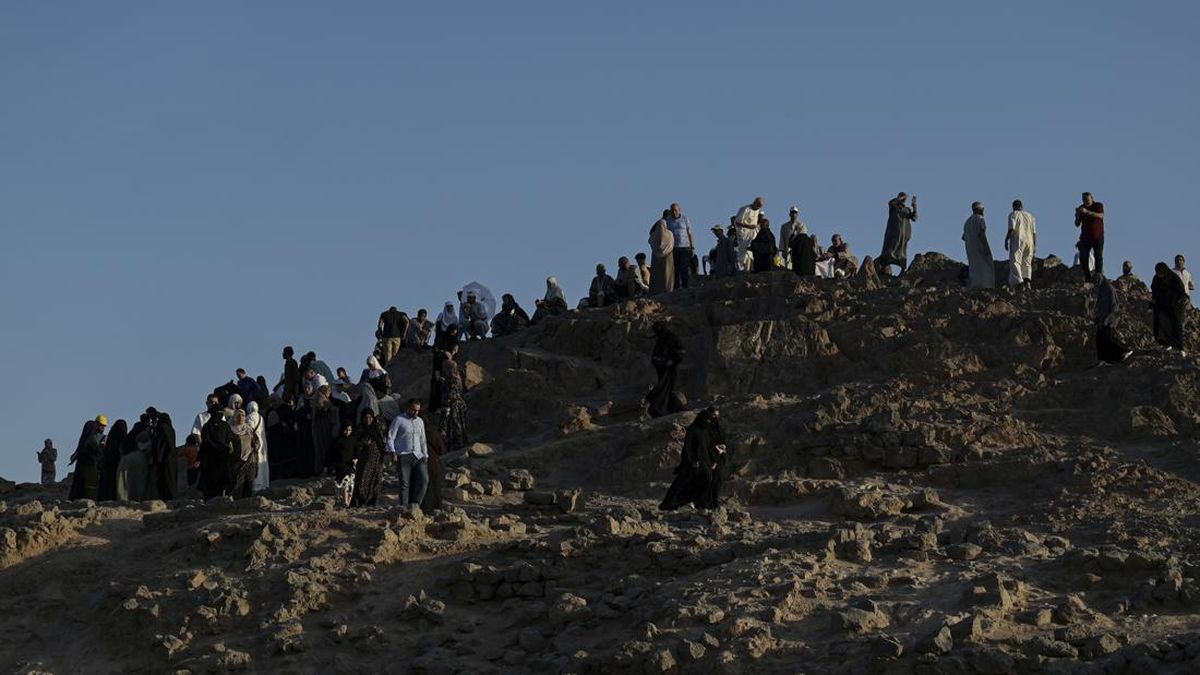
Recognizing the sacred nature and historical weight of Jabal Uhud, religious authorities and tour operators consistently emphasize the importance of adhering to specific guidelines to ensure a respectful and orderly pilgrimage. These guidelines are not merely arbitrary rules but are rooted in Islamic principles of decorum, respect for sacred sites, and consideration for fellow pilgrims.
One of the most crucial aspects of visiting Jabal Uhud, especially for international pilgrims, is the emphasis on maintaining clear identification and staying with one’s group. Indonesian pilgrims, for instance, are strongly advised to wear their identification cards and pilgrimage bracelets at all times. This measure is vital for immediate identification in case of emergencies, such as becoming separated from the group or experiencing disorientation in the crowded environment. The visibility of group affiliations also aids in maintaining cohesive travel and ensuring no one is left behind. The sheer scale of Hajj, which saw over 2.5 million pilgrims in 2023, means that even small deviations can lead to significant challenges in reunification.
Complementing the need for identification is the directive to avoid walking alone. Jabal Uhud is an expansive area, and the presence of numerous visitors can make it easy to lose one’s bearings. Traveling in groups not only enhances safety but also provides a sense of community and mutual support. This also serves as a deterrent against potential exploitation by individuals who might prey on disoriented or solitary pilgrims.
Furthermore, pilgrims are urged to always inform their group leader before taking a break or venturing to facilities like restrooms. This simple act of communication is critical for accountability. It ensures that the group leader is aware of everyone’s whereabouts, preventing accidental departures and facilitating prompt assistance if needed. In the hustle and bustle of pilgrimage, even brief absences require diligent tracking to maintain group integrity.
The conduct within the vicinity of the martyrs’ graves is subject to particular reverence. Pilgrims are asked to maintain a quiet and respectful demeanor. Loud prayers or chanting, while born from devotion, can disrupt the tranquility of the site and potentially disturb other worshippers. Local authorities are known to address such situations to maintain the solemnity of the area. As guests in a foreign land, pilgrims are expected to uphold the customs and regulations of their hosts, demonstrating respect for the established practices of the sacred sites.
Perhaps one of the most important and frequently emphasized rules is the prohibition of vandalism or damaging the historical site. Unfortunately, there have been instances of pilgrims defacing rocks, including those at Bukit Rumat, a historically significant part of the Uhud battlefield. Such actions are strictly forbidden as they not only mar a precious historical monument but also reflect poorly on the image of the pilgrim community. The integrity of the site, as a testament to a crucial period in Islamic history, must be preserved for future generations.
The historical narrative of Jabal Uhud is not just about the battle itself but also about the lessons learned from it. The unwavering faith and sacrifice of the martyrs, particularly Sayyidina Hamzah, are central to the site’s spiritual significance. The perceived "defeat" in the Battle of Uhud, in retrospect, served as a profound pedagogical moment for the nascent Muslim community, reinforcing the critical importance of discipline, obedience to leadership, and unwavering trust in Allah.

Beyond the immediate religious observance, Jabal Uhud serves as a space for deep spiritual introspection. Pilgrims can connect with the arduous journey of the Prophet Muhammad (peace be upon him) and his companions, drawing inspiration from their resilience and dedication. This connection can strengthen faith and deepen understanding of Islamic values.
Broader Implications and Future Considerations
The management of popular pilgrimage sites like Jabal Uhud presents ongoing challenges, particularly as global travel becomes more accessible and the number of pilgrims continues to increase. The Saudi Arabian government invests significantly in infrastructure and crowd management to ensure the safety and comfort of millions of visitors. Initiatives such as enhanced signage, designated walking paths, and improved security personnel are crucial in navigating the immense flow of people.
The consistent reinforcement of etiquette and guidelines through official channels, religious leaders, and tour operators plays a vital role in shaping pilgrim behavior. The emphasis on respecting historical sites and local customs is not just about maintaining order; it is about fostering a global community of pilgrims who act as ambassadors of their faith and culture.
The digital age also offers new avenues for disseminating information. Mobile applications providing guidance on pilgrimage sites, including detailed etiquette and historical context, can empower pilgrims with knowledge before and during their journey. Furthermore, leveraging technology for real-time crowd monitoring and communication can further enhance safety and logistical efficiency.
Ultimately, the pilgrimage to Jabal Uhud is more than just a tourist excursion; it is a deeply spiritual journey. By understanding and diligently observing the prescribed adab (etiquette) and regulations, pilgrims can transform their visit into a profoundly enriching experience. This not only ensures their own spiritual fulfillment but also contributes to the preservation of a sacred site that holds immense historical and religious importance for Muslims worldwide. The legacy of Uhud, etched in the very stones of the mountain, serves as a perpetual reminder of faith, sacrifice, and the enduring strength of the Islamic spirit. The meticulous adherence to guidelines ensures that this legacy continues to inspire generations of pilgrims who walk in the footsteps of those who came before.