Tata Titiana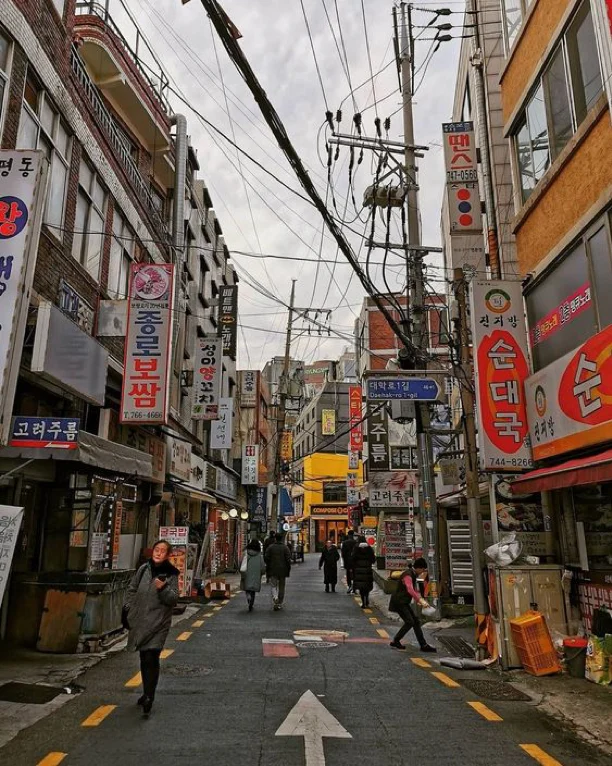
South Korea has firmly established itself as a premier global tourism hotspot, attracting a significant influx of international visitors, including a notable surge from Indonesia. This burgeoning popularity is undeniably intertwined with the pervasive influence of Korean dramas (K-dramas), which offer viewers not only captivating narratives but also visually stunning backdrops that spark wanderlust. Beyond the on-screen allure, the country boasts several real-world destinations that echo the picturesque settings seen in these beloved series, offering travelers an immersive experience that transcends the screen. These locations are lauded not merely for their aesthetic beauty but for their ability to transport visitors into the very scenes they’ve come to adore, providing a unique blend of cultural exploration and fandom fulfillment.
The Electric Pulse of Geonbae: A Metropolitian Nightlife Hub
For those seeking to immerse themselves in the vibrant energy of a modern metropolis, Geonbae presents an unmissable experience. This dynamic thoroughfare is characterized by its flanking rows of bustling bars, creating a palpable urban atmosphere that resonates with the sophisticated nightlife often depicted in K-dramas. The street’s luminous signage and constant stream of activity, comprising both local residents and international tourists, ensure a lively ambiance at any hour. Geonbae is not just a place to visit; it’s a sensory experience, offering a glimpse into the social fabric and nocturnal rhythm of South Korea’s urban centers. Its consistent popularity underscores its status as a key entertainment district, providing a compelling backdrop for those who wish to capture the essence of a Korean city at its most animated. The visual dynamism of Geonbae, with its interplay of light and shadow and the constant movement of people, makes it a prime location for photography and for simply soaking in the urban milieu. It’s a testament to South Korea’s successful blend of tradition and modernity, where contemporary entertainment thrives alongside deep-rooted cultural experiences.
Daehakro: Seoul’s Cultural Artery and Theatrical Heartbeat
Daehakro, often likened to the famed Broadway of the United States, stands as a testament to South Korea’s rich artistic heritage and vibrant performing arts scene. This expansive boulevard, stretching approximately 1.6 kilometers, is a nexus for cultural expression, housing numerous functioning art institutions and theaters. Visitors to Daehakro can witness a diverse array of performances, from traditional Korean theater and music to contemporary plays and musicals, many of which have served as inspirations or settings for popular K-dramas. The street’s historical significance as a hub for academic and artistic pursuits contributes to its unique character. It has been a breeding ground for talent and innovation in the arts for decades, fostering a creative ecosystem that continues to thrive. The presence of universities and art colleges in the vicinity further enhances its dynamic atmosphere, drawing in students and artists who contribute to the area’s lively and intellectual ambiance.
The historical context of Daehakro is crucial to understanding its current significance. Following the Korean War, many universities relocated to this area, transforming it into a center for education and culture. Over the years, this academic presence fostered a demand for cultural activities, leading to the proliferation of theaters, art galleries, and performance spaces. This evolution has cemented Daehakro’s reputation as the "street of theater" in Seoul, a moniker it proudly carries. The sheer density of performance venues, estimated to be over 100, offers an unparalleled variety of artistic experiences. From experimental productions to established classics, there is something to cater to every taste. The street itself becomes a stage, with impromptu performances and street art adding to the vibrant atmosphere. Many K-dramas have leveraged this unique setting, using its theaters and surrounding streets to depict scenes of artistic struggle, passionate performances, and burgeoning romance. For instance, a drama focusing on aspiring actors or musicians would find Daehakro an ideal filming location, its authentic artistic spirit palpable in every frame. The economic impact of Daehakro is also significant, supporting a local economy driven by ticket sales, restaurant patronage, and the sale of artistic merchandise. It is a self-sustaining cultural engine that contributes substantially to Seoul’s identity as a global cultural capital. The accessibility of Daehakro, coupled with its diverse offerings, makes it a must-visit for anyone interested in experiencing the pulse of South Korean performing arts and potentially recognizing scenes from their favorite dramas.

Starfield Library: A Sanctuary of Knowledge and Architectural Grandeur
For an experience that diverges from the conventional, the Starfield Library, a magnificent public library located within the COEX Mall in Seoul, offers a breathtaking and inspiring retreat. This architectural marvel is far more than just a repository of books; it’s a statement of cultural value and a testament to the pursuit of knowledge. The library boasts an awe-inspiring collection, housing a vast array of documents, books, and memoirs sourced from across South Korea. Its most striking feature is undoubtedly the towering bookshelves that reach an astonishing height of 13 meters, creating a visually spectacular effect. These colossal shelves, filled with an estimated 50,000 volumes, form a cathedral-like space that invites contemplation and exploration.
The concept behind Starfield Library was to create a public space that fosters a sense of community and encourages reading and learning in an accessible and aesthetically pleasing environment. Opened in May 2017, it quickly became a popular destination, not just for book lovers but for anyone appreciating modern design and a tranquil atmosphere. The library’s design emphasizes openness and light, with ample natural illumination filtering through the expansive atrium. This creates an inviting and comfortable space for visitors to relax, study, or simply admire the sheer scale of the collection. The placement within COEX Mall, a major shopping and entertainment complex, further enhances its accessibility, making it a convenient stop for shoppers and tourists alike. K-dramas have frequently utilized the library’s unique setting for poignant scenes, often depicting characters finding solace, inspiration, or a quiet moment of reflection amidst the towering stacks. The visual impact of the library, with its soaring bookshelves and the quiet hum of activity, provides a dramatic and memorable backdrop that adds significant depth to these on-screen moments. The library’s commitment to providing a diverse range of materials, from contemporary bestsellers to historical archives, ensures its relevance to a wide audience. It serves as a cultural anchor within the bustling mall, offering a counterpoint of intellectual pursuit amidst consumerism. The fact that it is a public space, free for all to enter and utilize, underscores South Korea’s dedication to promoting literacy and lifelong learning. This accessible nature makes it a truly democratic space, where individuals from all walks of life can engage with knowledge and culture. The library also hosts various events, including author talks, book clubs, and exhibitions, further cementing its role as a dynamic cultural hub. Its presence signifies a thoughtful integration of public services within modern urban development, demonstrating a commitment to enriching the lives of its citizens and visitors through access to information and a beautiful, inspiring environment.
Exploring Beyond the Headlines: Additional Gems for the Discerning Traveler
While Geonbae, Daehakro, and Starfield Library represent distinct facets of South Korea’s appeal, the nation offers a multitude of other captivating destinations that resonate with the K-drama aesthetic and cultural richness. These locations provide further opportunities for travelers to experience the diverse landscapes and vibrant urban environments that have captivated global audiences.
Bukchon Hanok Village: This historic neighborhood in Seoul offers a tangible link to Korea’s past, with its beautifully preserved traditional houses known as hanok. Wandering through its narrow, winding alleys feels like stepping back in time, a setting frequently used in K-dramas for romantic encounters and poignant historical narratives. The village’s serene atmosphere, juxtaposed with the modern cityscape visible in the distance, creates a unique visual dynamic. Many K-dramas, particularly those with historical or romantic themes, leverage the architectural beauty and tranquil ambiance of Bukchon to evoke a sense of nostalgia and timelessness. The meticulous preservation of these homes, many of which are still inhabited, offers visitors an authentic glimpse into traditional Korean life. The experience is enhanced by the opportunity to stay in a hanok guesthouse, providing an immersive cultural encounter.
Namsan Seoul Tower: Perched atop Namsan Mountain, this iconic landmark offers panoramic views of Seoul, especially breathtaking at night when the city lights twinkle below. The tower itself, and the surrounding park, have been the backdrop for countless romantic scenes and dramatic confessions in K-dramas. The "love locks" placed on the fences surrounding the tower are a popular symbol of enduring affection, mirroring the romantic plotlines often featured in Korean television. The accessibility of Namsan Tower, whether by cable car or a scenic hike, makes it a popular destination for both locals and tourists. The unobstructed vistas it provides are a powerful visual tool in storytelling, often used to symbolize aspiration, longing, or the vastness of possibilities.

Jeonju Hanok Village: Similar to its Seoul counterpart, Jeonju Hanok Village is one of the best-preserved traditional villages in South Korea. It offers a more extensive and immersive experience of traditional Korean architecture and culture. Visitors can rent hanbok (traditional Korean clothing) and stroll through the village, enjoying local delicacies and exploring craft shops. This picturesque setting has served as a filming location for numerous historical dramas, allowing viewers to experience firsthand the charm and authenticity that define these productions. Jeonju is also renowned for its culinary heritage, particularly bibimbap, adding another sensory dimension to the visit.
Gangnam District, Seoul: While often associated with high fashion and luxury, Gangnam is also a dynamic entertainment hub that has featured prominently in K-dramas and music videos, most famously Psy’s "Gangnam Style." The district’s sleek skyscrapers, designer boutiques, and vibrant nightlife create a modern and glamorous backdrop. For fans of contemporary K-dramas that focus on themes of ambition, success, and urban living, Gangnam offers an authentic experience of the affluent and trend-setting side of Seoul. The district’s transformation into a global icon of modernity and consumerism has been extensively documented and celebrated through popular culture.
The Broader Impact of K-Drama Tourism
The phenomenon of K-drama tourism has had a significant and demonstrable impact on South Korea’s economy and cultural soft power. The allure of these cinematic landscapes translates directly into increased tourist arrivals, boosting revenue for hotels, restaurants, transportation services, and local businesses. The Korean government and tourism boards have actively capitalized on this trend, promoting filming locations and developing tourism packages that cater to K-drama enthusiasts. This strategic approach has not only driven tourism but also fostered a deeper global appreciation for Korean culture, beyond the entertainment industry.
The analysis of this trend reveals a powerful synergy between media and tourism. K-dramas act as sophisticated, long-form advertisements for South Korea, showcasing its diverse attractions, from bustling metropolises and serene natural landscapes to historical sites and modern architectural wonders. The emotional connection viewers develop with the characters and their stories often extends to a desire to experience the locations firsthand. This emotional resonance is a key driver of the tourism surge. Furthermore, the accessibility of K-dramas through streaming platforms has democratized exposure to Korean culture, reaching a vast global audience and creating a widespread interest in visiting the country.
The implications of this cultural export are far-reaching. It contributes to a positive national image, enhances brand Korea, and fosters a sense of global connection and understanding. The success of K-drama tourism serves as a model for other nations seeking to leverage their cultural industries for economic and diplomatic gain. It highlights the power of storytelling in shaping perceptions and inspiring real-world engagement. As South Korea continues to produce high-quality, globally appealing content, the magnetism of its cinematic landscapes is poised to remain a significant draw for international travelers for the foreseeable future, solidifying its position as a leading destination in the global tourism landscape.