Tata Titiana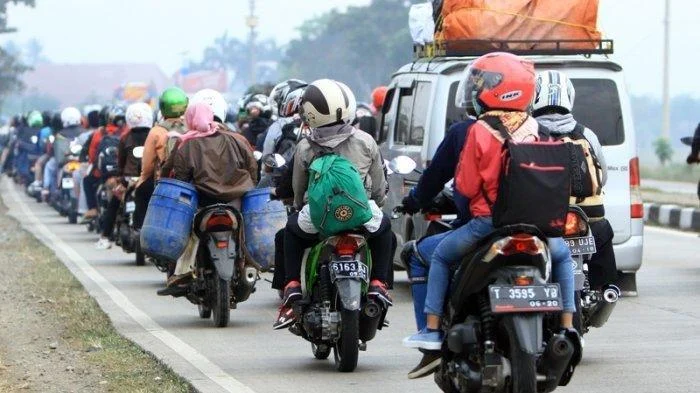
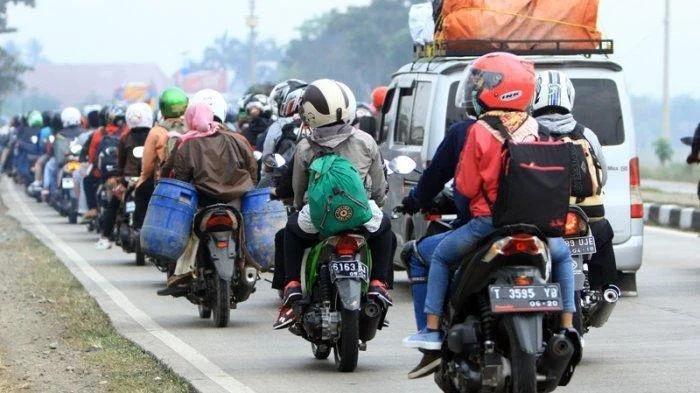
The Indonesian government has announced that citizens will be permitted to travel to their hometowns for the Eid al-Fitr (Lebaran) celebrations in 2021, a significant departure from the nationwide travel ban implemented in 2020 due to the COVID-19 pandemic. This decision, confirmed by Minister of Transportation Budi Karya Sumadi during a working meeting with Commission V of the House of Representatives on March 16, 2021, signals a cautious reopening of domestic travel for one of Indonesia’s most significant cultural events. However, officials emphasized that this is not an endorsement to travel, as the Ministry of Transportation lacks the authority to issue such directives.
The move comes as Indonesia navigates the complex balance between public health and the socio-economic impact of prolonged restrictions. In 2020, the prohibition of mudik, the annual exodus of millions of Indonesians to their ancestral homes for Lebaran, was a necessary measure to curb the spread of the virus. The subsequent year, with a growing understanding of the virus and the rollout of vaccination programs, has prompted a re-evaluation of these restrictions.
Evolving Pandemic Landscape and Government Strategy
The decision to allow mudik in 2021 is underpinned by a multi-pronged strategy that involves close collaboration between the Ministry of Transportation and the COVID-19 Handling Task Force. The primary objective is to develop a comprehensive mechanism that facilitates travel while minimizing the risk of COVID-19 transmission, particularly to rural areas which often have less robust healthcare infrastructure.
According to information shared via the official Instagram account of Minister Budi Karya Sumadi, the government is engaging in consultations with various stakeholders to ensure a safe and conducive travel season. Key among these discussions are the tightening of travel requirements and the implementation of enhanced screening and tracing protocols. This proactive approach aims to prevent a resurgence of cases, a concern that has shadowed the pandemic’s trajectory globally.
The historical context of mudik restrictions further underscores the significance of this year’s decision. It is worth noting that Lebaran travel has faced prohibitions in the past, with a notable instance in 1946, highlighting that such measures are not entirely unprecedented in Indonesia’s history. This historical precedent offers a perspective on the recurring challenges of balancing societal needs with public health imperatives.
Detailed Requirements and Health Protocols for Mudik 2021
Minister Budi Karya Sumadi outlined several key conditions and stipulations for individuals intending to undertake the mudik journey in 2021. These requirements are designed to create a layered defense against viral transmission throughout the entire travel process.
Firstly, the stringent application of health protocols is paramount, commencing from the point of departure, continuing throughout the journey, and extending to the final destination. This includes adherence to physical distancing, mandatory mask-wearing, and regular disinfection of travel facilities.
Secondly, anticipating potential surges in passenger numbers, the government plans to implement rigorous tracing mechanisms. This will likely involve contact tracing efforts for individuals who test positive or are identified as close contacts of positive cases.
Thirdly, the validity period for screening tools, such as rapid antigen tests, is slated to be shortened. This measure is intended to ensure that test results are as current as possible, reflecting the traveler’s status closer to the time of departure and minimizing the window for potential infection post-testing.
Beyond these specific points, a broader set of health protocols will be reinforced. These include the consistent use of masks, maintaining physical distance, periodic sanitization of vehicles and public transport infrastructure, and regulating passenger capacity within transportation units. Furthermore, scheduling adjustments may be implemented to manage passenger flow and reduce congestion at transit points.
The Ministry of Transportation stressed the importance of public cooperation and self-awareness, urging citizens to diligently comply with health protocols for the collective good. The exact operational details of the mudik mechanism are still being finalized through ongoing collaborative efforts between the Ministry and its partner agencies.
Expert Concerns and the Persistent Threat of Transmission
Despite the government’s efforts to facilitate travel, the decision to permit mudik has drawn cautious responses from public health experts. Many remain concerned about the persistent potential for COVID-19 transmission, even with the ongoing vaccination campaigns.
Dr. Riris Andono Ahmad, an epidemiologist from Universitas Gadjah Mada (UGM), shared his perspective with merdeka.com, suggesting that the government might be operating under the assumption that vaccination coverage has reached a sufficient level to control the situation. However, he cautioned that the primary concern lies not solely with the protection offered by immunization, but with the behavior of travelers themselves.
Dr. Ahmad emphasized that if individuals fail to adhere to health protocols, the transmission of COVID-19 will continue unabated, regardless of vaccination status. This underscores the critical role of individual responsibility in mitigating risk.
The Crucial Role of Transportation Modes and Screening Technologies
In this context, the choice of transportation mode becomes a critical factor. The government is actively working to equip major terminals, train stations, and airports with COVID-19 screening tools, such as the GeNose device. GeNose, a breathalyzer-based screening tool developed in Indonesia, offers a rapid and non-invasive method for detecting the virus.
According to Dr. Ahmad, public transportation is generally considered safer than private vehicles, provided that adequate protocols are enforced. The primary concern arises when individuals travel in private vehicles without stringent oversight. This scenario presents a significant risk for the virus to spread to destination areas, potentially overwhelming local healthcare systems. Therefore, travelers are strongly advised to utilize public transportation options, which offer better government oversight and facilitate easier intervention in case of unforeseen issues.
The ongoing vaccination efforts, while crucial, do not exempt individuals from practicing established health protocols. The fact that an individual has been vaccinated does not grant them immunity from contracting or transmitting the virus in public spaces. Therefore, consistent and disciplined adherence to mask-wearing, hand hygiene, and physical distancing remains essential for everyone, vaccinated or not.
Dr. Ahmad expressed his hope that, at a macro level, large-scale mudik travel for Lebaran 2021 could ideally be postponed. He projected that the pandemic would likely not have concluded by the time of Eid al-Fitr 2021, and with vaccination coverage still relatively low across the population, the risk of COVID-19 transmission remains a tangible threat.
Broader Implications and the Path Forward
The government’s decision to allow mudik in 2021 reflects a complex interplay of economic pressures, public desire for tradition, and evolving public health strategies. The lifting of the travel ban, even with stringent conditions, is expected to provide a much-needed boost to the transportation sector and related industries that have been severely impacted by the pandemic.
However, the success of this policy hinges on the effective implementation and enforcement of the outlined health protocols. Failure to do so could lead to a surge in cases, jeopardizing the progress made in controlling the pandemic and potentially necessitating a return to stricter measures. The coming weeks will be critical in assessing the impact of this decision and the collective responsibility of the Indonesian populace in ensuring a safe Lebaran for all.
The government’s approach emphasizes a phased and cautious reopening, recognizing that the pandemic is an ongoing challenge. The ongoing dialogue between ministries, health experts, and the public will be vital in adapting strategies as the situation evolves. The lessons learned from the 2021 mudik season will undoubtedly inform future policy decisions regarding travel and public gatherings in the post-pandemic era. The commitment to rigorous screening, tracing, and the unwavering adherence to health protocols are the cornerstones upon which a safe and meaningful Lebaran celebration can be built, even amidst persistent public health concerns. The nation stands at a crucial juncture, where collective action and responsible behavior will determine the trajectory of the pandemic in the coming months.