Tata Titiana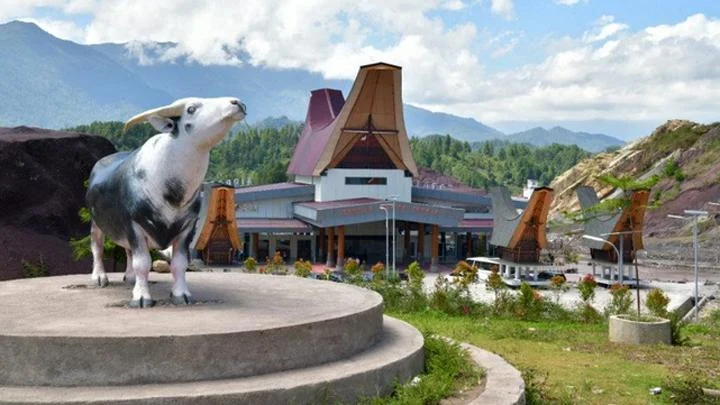
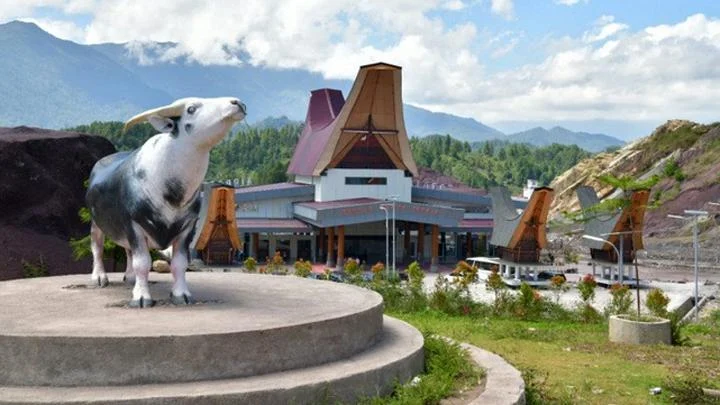
President Joko Widodo officially inaugurated the Toraja Airport, formerly known as Buntu Kunik Airport, on Thursday, March 18, 2021, in Tana Toraja Regency, South Sulawesi. This landmark event, broadcast live via the Presidential Secretariat’s YouTube channel, signifies a significant step forward for regional connectivity and economic development in one of Indonesia’s most culturally rich areas. President Widodo expressed his optimism that the new airport would serve as a catalyst for enhancing the local economy, generating more employment opportunities, and fostering the emergence of new economic centers within the region.
The development of Toraja Airport has been a long-standing aspiration, with its construction commencing in 2011. Originally intended to replace the aging Pongtiku Airport in Ratentayo, the project experienced periods of stagnation. However, under President Widodo’s administration, construction was revitalized in 2018. The first phase of development, funded by the central government, was completed in mid-2020. Currently, two airlines, Wings Air and Citilink, operate regular flights connecting Makassar and Toraja, marking a crucial improvement in accessibility for both residents and tourists.
A Decade in the Making: The Journey of Toraja Airport
The genesis of Toraja Airport can be traced back over a decade, highlighting the persistent efforts and challenges faced in bringing this vital infrastructure project to fruition. Construction officially began in 2011, with the vision of creating a modern gateway to Tana Toraja, a region renowned for its unique cultural heritage and stunning natural landscapes. The initial phase aimed to establish a functional airport capable of serving domestic air travel, thereby reducing travel times and improving connectivity to this often remote highland area.
However, the ambitious undertaking was not without its hurdles. Various factors, including logistical complexities, funding adjustments, and the challenging topography of the region, contributed to delays in the construction timeline. The initial plan to replace the Pongtiku Airport was part of a broader strategy to modernize air transportation infrastructure across Indonesia, particularly in regions with high tourism potential but limited accessibility.
The project received renewed impetus when President Joko Widodo’s administration prioritized its completion. In 2018, the central government recommitted to the development, injecting the necessary resources and strategic focus to overcome the obstacles. This renewed commitment led to the systematic progression of construction, culminating in the completion of the initial phase by the middle of 2020. The subsequent inauguration by the President marked the culmination of years of planning, investment, and dedicated effort.
Technical Specifications and Future Expansion
The Toraja Airport, with its impressive scale, sprawls across a total area of 141 hectares. In its initial operational phase, the airport features a runway measuring 1,600 meters in length, specifically designed to accommodate ATR-type aircraft, which are commonly used for regional routes. Complementing the runway are an apron of 94.5 x 67 meters and a taxiway measuring 124.5 x 15 meters, facilitating efficient aircraft movement.
Looking ahead, the airport is poised for further enhancements. The second phase of development will see the runway extended to a substantial 2,000 meters. This expansion will enable the airport to handle larger aircraft, such as the Boeing 737, significantly increasing its capacity and potential for attracting more airlines and passenger traffic. The terminal building, currently covering 1,000 square meters, is designed to accommodate approximately 150 passengers, providing essential facilities for travelers.
Renaming Ceremony: A Nod to Local Identity
A significant aspect of the airport’s inauguration was the official change of its name. Previously identified as Buntu Kunik Airport, the facility is now officially known as Toraja Airport. This renaming was the result of a consensus reached between the regency government and various traditional leaders representing the 19 sub-districts of Tana Toraja. The proposal for the name change underwent a formal process, starting with discussions at the local level, followed by endorsement from the Regional People’s Representative Council (DPRD) through a plenary session. Subsequently, the proposal was elevated to the provincial government before finally being submitted to and approved by the Ministry of Transportation. This collaborative approach underscores the importance of local identity and community involvement in the development of national infrastructure.
Engineering Marvel: Overcoming Geographical Challenges
The construction of Toraja Airport presented formidable engineering challenges due to the region’s demanding topography. Minister of Transportation, Budi Karya Sumadi, emphasized the complexity of the project, citing the steep terrain as a primary obstacle. To create the necessary landing strip, a monumental task involving the excavation and removal of three hills was undertaken. The initial 2,000-meter runway, crucial for accommodating larger aircraft, was made possible by this significant land alteration. Further efforts are planned for 2021 to address and remove any remaining hilly obstacles adjacent to the runway, ensuring enhanced safety and operational efficiency.
The strategic decision to build the airport in such a challenging locale reflects a commitment to unlocking the potential of Tana Toraja, despite the inherent difficulties. The ability to overcome these natural barriers through advanced engineering and meticulous planning demonstrates a dedication to improving connectivity for communities in remote and geographically challenging areas.
Economic and Tourism Implications
The inauguration of Toraja Airport is anticipated to have a profound impact on the local and regional economy. Tana Toraja is a UNESCO World Heritage site candidate, celebrated for its ancient megalithic sites, elaborate funeral ceremonies, and unique traditional architecture. However, its relative inaccessibility has historically limited the influx of tourists, impacting local businesses and economic growth.
With the establishment of a modern airport, travel to Tana Toraja is expected to become significantly more convenient and efficient. This improved accessibility is projected to boost tourism, attracting a greater number of domestic and international visitors eager to experience the region’s rich cultural tapestry and breathtaking natural beauty. Increased tourist numbers translate directly into enhanced demand for local services, including accommodation, transportation, food, and handicraft sales, thereby stimulating job creation and fostering the development of new businesses.
Furthermore, the airport’s enhanced connectivity will facilitate the smoother transportation of goods and agricultural products, potentially opening up new markets for local produce. This can lead to increased income for farmers and producers, contributing to broader economic diversification and resilience within the region. The creation of new economic hubs, as envisioned by President Widodo, is a tangible outcome that could arise from the improved logistical capabilities offered by the airport.
Broader Context: Indonesia’s Infrastructure Development Drive
The Toraja Airport project is emblematic of the Indonesian government’s broader commitment to accelerating infrastructure development across the archipelago. Under President Joko Widodo’s leadership, there has been a strong emphasis on building and modernizing transportation networks – including airports, seaports, roads, and railways – to enhance connectivity, stimulate economic growth, and improve the quality of life for citizens, particularly in underserved regions.
The development of airports in remote or strategically important areas is a key component of this national agenda. These projects aim to:
- Bridge Geographical Divides: Indonesia, an archipelago nation, faces significant challenges in connecting its vast number of islands. Modern airports are crucial for overcoming these geographical barriers.
- Boost Tourism: Many regions in Indonesia possess unique natural and cultural attractions. Improved air access is vital for unlocking their tourism potential.
- Facilitate Trade and Investment: Efficient transportation links are essential for the movement of goods and services, encouraging domestic and foreign investment.
- Enhance Regional Equity: By developing infrastructure in less developed areas, the government aims to reduce regional disparities and promote more equitable development.
The Toraja Airport, therefore, is not an isolated project but part of a larger, strategic national plan to build a more connected, economically vibrant, and inclusive Indonesia. The challenges overcome in its construction, particularly the engineering feats required to navigate the mountainous terrain, serve as a testament to the government’s determination to achieve these ambitious goals.
Official Statements and Community Expectations
President Joko Widodo’s remarks at the inauguration highlighted the government’s strategic vision for the airport. His emphasis on economic growth, job creation, and the establishment of new economic centers underscores the transformative potential he sees in this infrastructure. The President’s direct involvement and public endorsement of the project signal its importance in the national development agenda.
The Minister of Transportation’s acknowledgement of the construction difficulties further validates the scale of the achievement. It also sets a precedent for future projects in challenging terrains, showcasing that with sufficient political will and engineering expertise, even the most difficult geographical obstacles can be overcome.
For the local communities of Tana Toraja, the opening of the airport represents the fulfillment of a long-held dream. The ability to travel more easily to and from their region, coupled with the anticipated economic benefits, is expected to significantly improve their livelihoods. There is a palpable sense of optimism and anticipation regarding the positive changes the airport will bring. The historical significance of Tana Toraja, combined with its potential for cultural tourism, is now poised to be more accessible to the world, promising a brighter economic future for its people.
The success of Toraja Airport will likely depend on sustained airline commitment, effective tourism promotion strategies, and continued investment in complementary infrastructure. However, the inauguration itself marks a pivotal moment, symbolizing progress, connectivity, and the unlocking of immense potential for this iconic region of South Sulawesi.