Nila Kartika Wati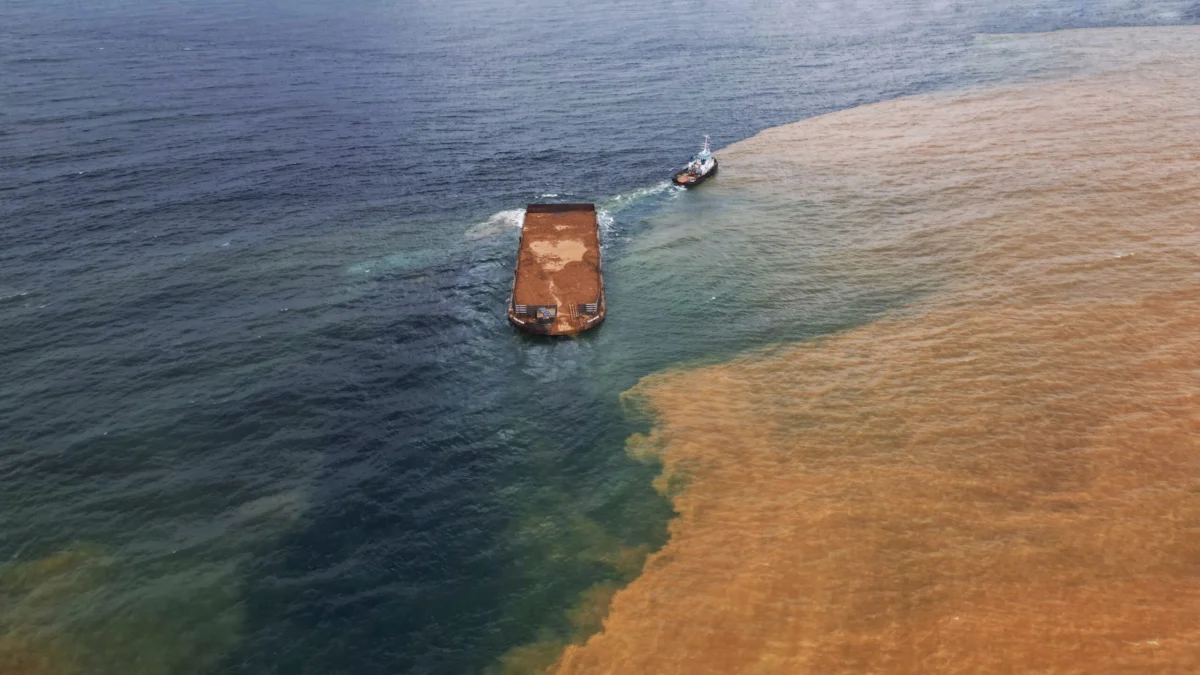
The Earth continues to face unprecedented pressure from anthropogenic activities, with coastal and marine ecosystems—the very foundations of human survival—bearing the brunt of this environmental degradation. For an archipelagic nation like Indonesia, the ocean is far more than a geographical feature or a source of protein; it is the lifeblood of the economy, a cultural cornerstone, and a critical buffer against the escalating impacts of climate change. However, as the world commemorates Earth Day on April 22, experts are sounding the alarm that the Indonesian maritime landscape is reaching a breaking point, transitioning from a resilient life-support system to an over-exploited commodity.
Yonvitner, a Professor at the Faculty of Fisheries and Marine Sciences at IPB University and Head of the Center for Coastal and Marine Resources Studies (PKSPKL), emphasizes that the preservation of the ocean is not an optional environmentalist pursuit but a fundamental requirement for human continuity. He notes that without a healthy ocean, the capacity for human populations to sustain themselves is severely compromised. Despite this existential necessity, the current trend suggests a move in the opposite direction. According to Yonvitner, the ocean is increasingly treated as a boundless commodity, subjected to relentless extraction without the necessary "recovery intervals" required for biological and ecological systems to replenish.
The Commodity Paradigm and the Erosion of Marine Health
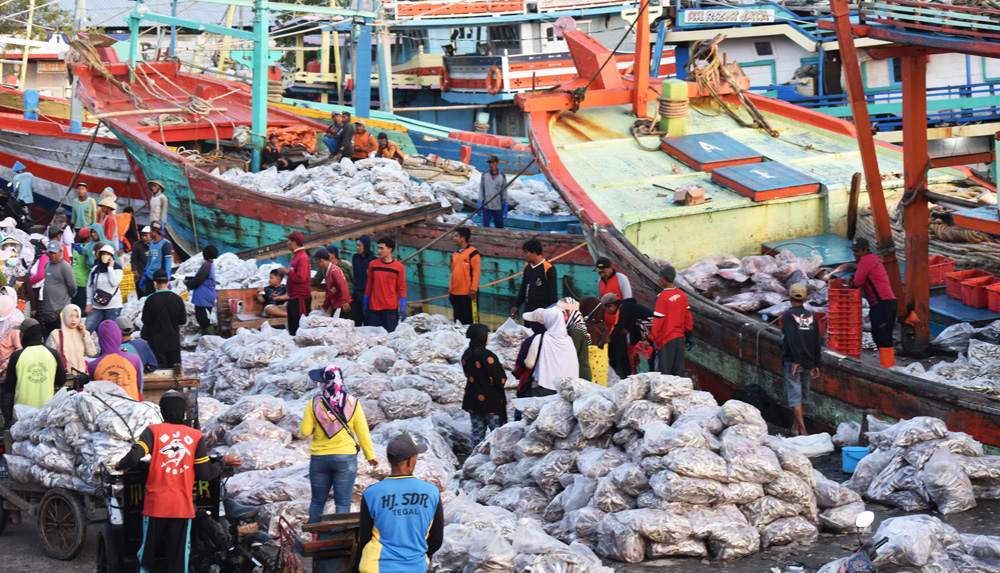
The primary driver of this degradation is a prevailing paradigm that prioritizes capital-intensive exploitation over ecological balance. In the Indonesian context, this is most visible in the fisheries sector and coastal land use. In many maritime regions, fishing activities have become so massive and unregulated that they have crossed the threshold into overfishing. This phenomenon prevents fish populations from reaching reproductive maturity, leading to a collapse in biodiversity and a long-term decline in yields.
Parallel to the depletion of fish stocks is the rapid conversion of coastal land. Mangrove forests, which serve as vital nurseries for marine life and natural barriers against coastal erosion, are being systematically cleared to make way for industrial aquaculture ponds and infrastructure projects. This shift is often fueled by a "capital-heavy" approach to marine resource management, which Yonvitner argues ignores the principles of sustainability and social justice. In the realm of capture fisheries, almost every Fisheries Management Area (WPP) in Indonesia is now classified as having an "overfished" status, yet the pressure to increase production remains high.
The government’s strategy for managing coastal areas and small islands has also come under fire for favoring large-scale investment over the rights of local communities. By granting expansive spatial utilization permits to corporate entities, the state often triggers horizontal conflicts between investors and traditional coastal dwellers who find their living spaces and livelihoods increasingly marginalized.
Indonesia’s Maritime Potential vs. Current Realities
As the world’s largest archipelagic state, Indonesia possesses staggering marine wealth. Approximately 60% of Indonesia’s 278 million citizens reside in coastal areas, with roughly 7 million people directly employed in the maritime sector. Data from the Ministry of Marine Affairs and Fisheries (KKP) highlights that Indonesian waters are home to over 8,500 species of marine biota and hold a capture fisheries potential of approximately 12 million tons per year. Furthermore, Indonesia is a global leader in "Blue Carbon" potential, capable of sequestering 188 million tons of carbon equivalent through its vast networks of coral reefs, seagrass beds, and mangroves.
However, the current governance model appears to prioritize short-term fiscal gains, specifically through Non-Tax State Revenue (PNBP), rather than long-term conservation. This "revenue-first" mindset has resulted in a dire state for critical habitats. Current estimates suggest that only 35% to 36% of Indonesia’s coral reefs remain in "good" condition, while the remainder suffers from moderate to severe damage. Similarly, over 50% of the nation’s mangrove ecosystems are classified as damaged, despite various government-led restoration initiatives.
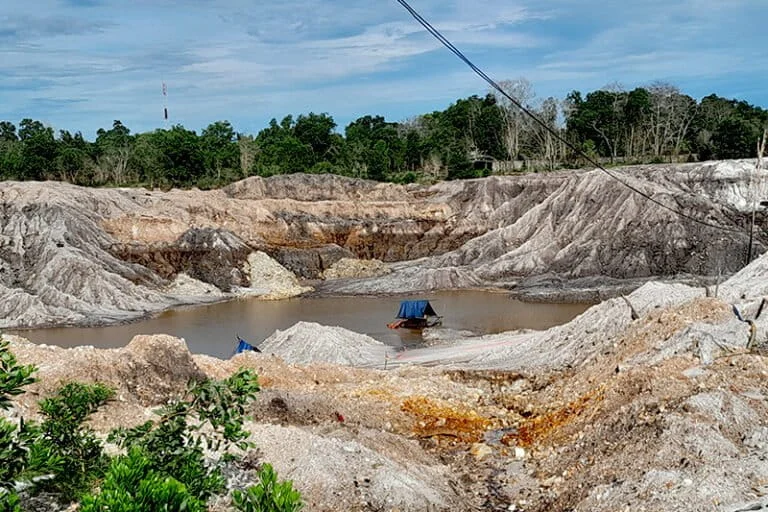
The degradation is further exacerbated by worsening water quality. Sedimentation from land-based mining and industrial runoff has turned coastal waters murky, stifling the sunlight necessary for coral and seagrass health. Beyond traditional pollutants, new threats such as microplastics have been detected in the deepest parts of the Indonesian seas, while oil spills from international tankers passing through Indonesian shipping lanes continue to poison the ecosystem.
The Challenge of Maritime Oversight and Diplomacy
One of the significant hurdles in protecting Indonesia’s waters is the lack of effective monitoring and enforcement, particularly in international shipping lanes. Yonvitner points out that many vessels exploit Indonesia’s vast maritime territory to illegally dump waste or engage in unregulated activities. Addressing this requires more than just domestic policy; it necessitates robust international maritime diplomacy. Indonesia must assert its role as a sovereign "ocean owner" with the right and responsibility to oversee all activities within its jurisdiction.
However, the expansion of maritime surveillance is hampered by systemic limitations. Indonesia faces a shortage of funding, specialized human resources, and the technological infrastructure required to patrol thousands of islands and millions of square kilometers of sea. Consequently, environmental monitoring remains inadequate, allowing violations to occur with relative impunity.
To remedy this, there is a pressing need for the synchronization of policies. Currently, regulations governing marine and coastal management are often overlapping or contradictory, involving various levels of government from the central ministry down to provincial and district administrations. A "one-door" management system, supported by harmonized regulations, would allow for more directed and efficient oversight. Furthermore, involving local communities in the management process is seen as a tactical necessity, as those who live on the coast are often the most effective and motivated guardians of their environment.
Multiple Stressors: From Pollution to Climate Change
Dede Falahudin, Chairman of the Health of Ocean under Multiple Stressors (HOMS) Research Group at the National Research and Innovation Agency (BRIN), explains that the ocean is currently fighting a multi-front war. While land-based pollution—ranging from plastic waste to chemical runoff—continues to pour into the sea, the physical environment of the ocean is also being altered by climate change.
The loss of mangrove cover, driven by both human encroachment and natural factors like abrasion, has forced marine wildlife to abandon their traditional habitats. This displacement has a direct "trickle-up" effect on human society. Small-scale fishermen, who lack the technology to travel to distant offshore waters, are finding their usual fishing grounds empty. To maintain their income, they must travel further out to sea, which significantly increases operational costs and safety risks.
Falahudin argues that the only path forward is the strict implementation of harmonized regulations that can prevent over-exploitation, strengthen monitoring, and ensure rapid response to environmental disasters like oil spills. Without the state’s active presence in safeguarding these ecosystems, the ocean’s natural ability to "heal itself" will be permanently extinguished.
The Role of Ocean Physics in Global Survival
The crisis at sea is inextricably linked to the global phenomenon of climate change. Mochamad Riza Iskandar, a marine physics researcher at BRIN’s Oceanography Research Center, highlights how human-induced greenhouse gas emissions have turned the ocean into a massive heat sink. Because the atmosphere can no longer easily release solar energy back into space, the ocean absorbs the excess heat.
This rise in sea temperatures has devastating consequences. It triggers widespread coral bleaching, which destroys the foundation of the marine food web. As waters warm, fish species migrate toward cooler, deeper areas, leaving traditional fishing grounds barren. Furthermore, global warming is accelerating the frequency and intensity of climate patterns like El Niño. Historically occurring every 2 to 7 years, these cycles are now shifting, leading to more frequent extreme weather events that impact both sea and land.
Iskandar emphasizes that protecting the ocean is a critical component of climate mitigation. A healthy ocean regulates the global temperature and supports the carbon cycle. If the ocean’s ability to absorb heat and carbon is compromised, the pace of global warming will accelerate beyond our capacity to adapt.

A Call for Collective Action
As Indonesia reflects on its environmental trajectory this Earth Day, the consensus among experts is clear: the era of viewing the ocean as an inexhaustible resource must end. The transition to a sustainable "Blue Economy" requires a fundamental shift in how the nation values its maritime assets. This involves moving away from a paradigm of extraction toward one of stewardship and restoration.
While government intervention and international diplomacy are crucial, the experts also call for collective individual action. Sustainable habits at the individual level—reducing plastic consumption, supporting sustainable seafood, and advocating for coastal protection—can aggregate into a powerful force for change.
The future of Indonesia as a maritime power depends not on how much it can take from the sea, but on how well it can protect the sea’s ability to give. Ensuring a healthy, resilient ocean is the only way to secure a future for the millions of Indonesians who depend on the coast and for the global environment that relies on the Indonesian archipelago as a vital ecological lung. Without a decisive shift in policy and mindset, the "Blue Horizon" of Indonesia may soon fade, leaving behind a degraded environment that can no longer sustain the life it once so vibrantly supported.