Nasution Nanang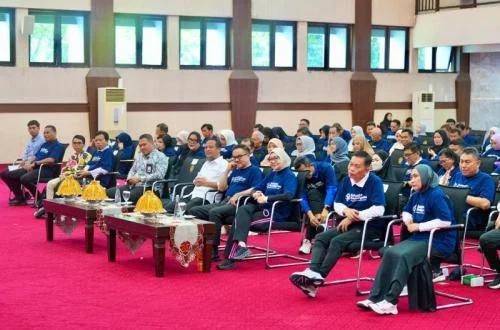
The Corruption Eradication Commission (KPK) has intensified its focus on family units as the primary bulwark against corruption, particularly within the bureaucratic landscape of South Sulawesi. This strategic emphasis was highlighted during a technical guidance session on "Integrity Families" held in Makassar on Tuesday, where Wawan Wardiana, Deputy for Education and Public Participation at the KPK, articulated the critical need for families to serve as ethical guardians for public officials. The initiative marks a significant step in the KPK’s holistic approach to combating corruption, extending beyond traditional law enforcement to encompass preventative measures rooted in societal structures.
KPK’s Strategic Approach: The Family as a Cornerstone of Integrity
Wawan Wardiana underscored that while families are ideally positioned to remind officials of their duty to uphold integrity, they can, paradoxically, also become a catalyst for corrupt practices. This dual potential makes the family environment a crucial target for anti-corruption efforts. The KPK’s intervention seeks to empower families to actively resist and prevent corruption, thereby transforming them into a formidable defense mechanism rather than a vulnerability. This recognition stems from a broader understanding that corruption is not merely an individual act but often a systemic issue influenced by social pressures, including those originating from close family circles. By engaging spouses and family members, the KPK aims to instill a collective sense of responsibility and foster an environment where integrity is not just expected but actively enforced and celebrated within the home.
The "Integrity Families" technical guidance session in Makassar specifically targeted the spouses of heads of Regional Apparatus Organizations (OPD) across South Sulawesi. This demographic was chosen strategically, recognizing their significant influence on public officials’ daily lives and decision-making. Participants were tasked with collaboratively developing action plans with their partners, designed to reinforce a shared commitment to integrity within their households. A key component of this commitment involves public declarations, with the KPK actively encouraging participants to utilize social media platforms to announce their anti-corruption pledges. This public declaration serves multiple purposes: it solidifies personal commitment, raises public awareness, and creates a mechanism for societal oversight, allowing the community to monitor and hold officials accountable.
Unpacking Gratification: A Critical Area for Family Vigilance
A central theme of the KPK’s guidance was the nuanced understanding and proactive rejection of gratification. Gratification, broadly defined as any gift or benefit received by a public official in connection with their duties or authority, poses a significant ethical dilemma and legal risk. The KPK stressed the importance for officials to unequivocally refuse any form of offering that could potentially create a conflict of interest, even if these gifts originate from family members and are ostensibly benign but related to the official’s position. This aspect is particularly challenging as cultural norms often encourage gift-giving, making it difficult to discern between genuine gestures and insidious attempts to influence.
The KPK provided clear directives: if an official finds it impossible to refuse a gift, its receipt must be promptly reported. This reporting mechanism is crucial for transparency and accountability, ensuring that any potential conflict of interest is documented and addressed. Such reports can be made through the Unit Pengendalian Gratifikasi (UPG) – Gratification Control Unit – within their respective agencies or directly to the KPK. This rigorous approach to gratification aims to eliminate the "grey areas" that often provide cover for illicit dealings, fostering a culture of zero tolerance for any benefits that could compromise an official’s impartiality. The education provided during the session offered practical scenarios and legal frameworks to help spouses and officials navigate these complex situations, ensuring they are equipped with the knowledge to make ethical decisions.
Regional Government’s Endorsement and Future Commitments
Andi Sudirman Sulaiman, the Governor of South Sulawesi, expressed profound appreciation for the KPK’s initiative. He lauded the technical guidance for providing much-needed clarity on the often ambiguous boundaries of gratification. Governor Sulaiman emphasized the program’s vital role in delivering comprehensive education, encompassing both regulatory frameworks and practical applications, to officials and their families. His endorsement signals a strong commitment from the regional government to collaborate with the KPK in institutionalizing integrity and combating corruption at all levels of governance.
Looking ahead, the insights and commitments generated from this technical guidance session are slated for translation into tangible programs. These initiatives include launching widespread anti-corruption family campaigns, developing compelling integrity slogans, and bolstering public education efforts. The overarching goal is to leverage this family-centric approach to enhance the effectiveness of corruption prevention, ultimately cultivating a sustainable culture of integrity that permeates throughout South Sulawesi’s public administration and society at large. The governor’s support is crucial for the successful implementation of these follow-up programs, as it provides the necessary political will and administrative backing.
Broader Context: KPK’s Multifaceted Anti-Corruption Strategy
The KPK’s focus on family integrity in South Sulawesi is not an isolated event but rather an integral part of its broader, multifaceted anti-corruption strategy in Indonesia. Established in 2002, the KPK has a mandate encompassing prevention, enforcement, and public education. While often recognized for its high-profile arrests and investigations, the commission places significant emphasis on proactive prevention to address the root causes of corruption. This strategy acknowledges that sustainable change requires more than just punitive measures; it demands a fundamental shift in mindset and societal norms.
Indonesia has historically grappled with endemic corruption, which has consistently ranked as a major impediment to economic development, good governance, and public trust. According to Transparency International’s Corruption Perception Index, Indonesia has shown some progress but still faces significant challenges in improving its corruption landscape. Public sector corruption, particularly involving procurement, licensing, and illicit gratification, remains prevalent. These acts not only siphon off public funds but also distort markets, discourage investment, and disproportionately affect vulnerable populations by diverting resources intended for public services like healthcare and education.
The KPK’s prevention efforts include various programs targeting different segments of society:
- Integrity Education: Integrating anti-corruption values into educational curricula from an early age.
- Public Awareness Campaigns: Using media and community engagement to foster a culture of integrity.
- Systemic Reforms: Working with government agencies to streamline bureaucratic processes, enhance transparency, and minimize opportunities for corruption.
- Whistleblower Protection: Encouraging citizens to report corruption by providing secure channels and protection.
The "Integrity Families" program fits squarely within this preventative framework, recognizing that individual behavior is deeply influenced by immediate social circles. By targeting the family unit, the KPK aims to create micro-environments where ethical considerations are paramount, and corrupt temptations are actively resisted through mutual support and accountability.
The Sociological and Psychological Dimensions of Family Influence
The decision to target families is backed by sociological and psychological insights into human behavior. Research indicates that family members, particularly spouses, can exert immense influence over an individual’s ethical choices. This influence can manifest in several ways:
- Moral Compass: A family deeply committed to integrity can serve as a strong moral compass, reminding officials of their values and the potential consequences of unethical actions.
- Financial Pressure: Conversely, financial pressures or aspirations within a family can inadvertently or directly push an official towards corrupt acts to meet perceived needs or desires. This can involve demands for lavish lifestyles, expensive education for children, or investments.
- Social Support: A supportive family environment can provide the emotional strength for an official to resist temptation and uphold ethical standards, even when facing external pressures.
- Accountability Partner: Spouses can act as informal accountability partners, regularly discussing ethical dilemmas and reinforcing the importance of integrity.
By engaging spouses directly, the KPK aims to transform them from potential silent enablers or unwitting beneficiaries into active agents of change. The technical guidance provided tools and knowledge to help them identify red flags, understand legal ramifications, and empower them to challenge unethical behavior within their own homes.
Challenges and Opportunities in Implementation
While the family-based approach holds significant promise, its implementation is not without challenges. Cultural norms around gift-giving, social expectations, and the deeply ingrained practice of "helping" family members can complicate the strict application of anti-gratification rules. Economic disparities and the pressure to maintain a certain social status can also create fertile ground for corruption, making it difficult for officials and their families to adhere to stringent ethical codes without adequate financial security or support systems.
However, these challenges also present opportunities:
- Cultural Adaptation: The KPK can adapt its messaging to resonate with local cultural values, emphasizing integrity as a form of honor and responsibility to the community.
- Economic Empowerment: Broader economic development and fair remuneration for public officials can reduce financial pressures that might lead to corruption.
- Community Engagement: Leveraging community leaders, religious figures, and educational institutions can amplify the anti-corruption message and foster a collective commitment to integrity.
- Continuous Education: Regular follow-up sessions, workshops, and accessible resources can reinforce the learning from the initial technical guidance and address emerging challenges.
The encouragement for public declarations, particularly via social media, represents a modern approach to enhancing transparency and public oversight. In a digital age, social media can serve as a powerful tool for community monitoring, allowing citizens to actively participate in the anti-corruption movement by observing and questioning behavior that deviates from declared commitments. This citizen-led accountability can create an additional layer of deterrence and reinforce ethical conduct.
Long-Term Impact and Sustainable Integrity Culture
The KPK’s "Integrity Families" initiative in South Sulawesi is a testament to the commission’s commitment to building a sustainable culture of integrity from the ground up. By focusing on the family unit, it acknowledges that lasting change begins in the most intimate spheres of life before extending to public office. The expected long-term impact includes:
- Reduced Corruption Incidents: A proactive approach that addresses the behavioral roots of corruption could lead to a significant reduction in corrupt practices.
- Increased Public Trust: As officials and their families demonstrate higher levels of integrity, public trust in government institutions is likely to improve, fostering a more effective and responsive bureaucracy.
- Stronger Ethical Foundations: Instilling anti-corruption values within families can create a ripple effect, influencing future generations and embedding integrity deeply within societal norms.
- Enhanced Governance: A bureaucracy free from corruption can allocate resources more efficiently, deliver better public services, and contribute more effectively to regional and national development.
The success of this initiative will hinge on consistent follow-up, sustained political will, and genuine commitment from the participants. The collaboration between the KPK, the South Sulawesi provincial government, and the families of public officials represents a powerful alliance in the ongoing battle against corruption. It underscores the belief that while laws and enforcement are crucial, the ultimate victory against corruption lies in fostering a collective societal conscience that champions integrity, transparency, and accountability at every level, starting with the very foundation of society – the family.