Azin Asro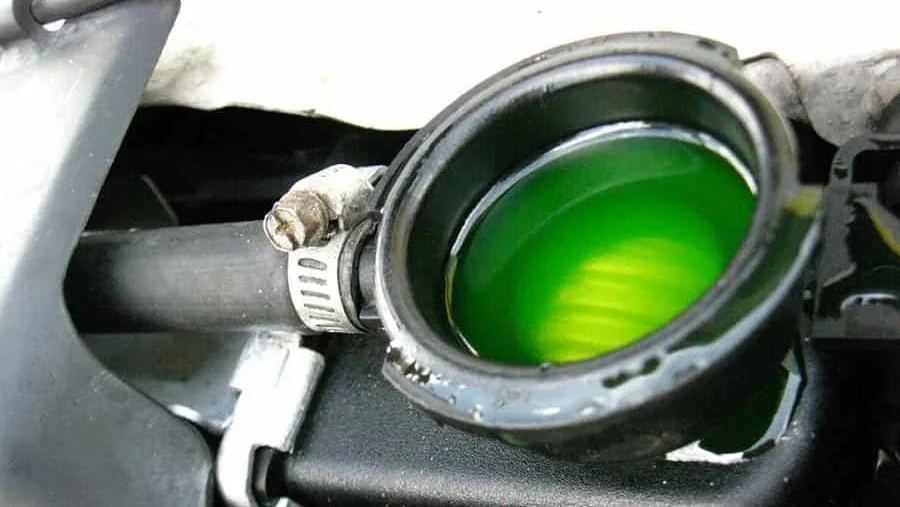
The automotive radiator serves as the primary component of a vehicle’s cooling system, functioning as a heat exchanger designed to dissipate the immense thermal energy generated during internal combustion. In an era where engines are becoming more compact and power-dense, the role of the radiator in maintaining optimal operating temperatures has never been more critical. When a radiator fails to perform its duty, the resulting thermal runaway can lead to catastrophic engine failure, including warped cylinder heads, blown head gaskets, and seized pistons. According to technical insights provided by Auto2000, the authorized Toyota dealership network in Indonesia, understanding the early warning signs of radiator distress is essential for every vehicle owner to avoid exorbitant repair costs and ensure road safety.
The Critical Indicators of Radiator Failure
The diagnostic process for a failing cooling system begins with a keen observation of vehicle behavior and physical symptoms. Automotive experts categorize radiator failure into several distinct "red flags" that indicate the system’s integrity has been compromised.
1. Chronic Depletion of Coolant Levels
A healthy cooling system is a closed loop; under normal operating conditions, it should not lose a significant volume of coolant. If a driver finds themselves frequently topping up the reservoir, it is a definitive sign of a breach. This depletion is often the result of physical trauma to the radiator core, such as impacts from road debris, or the gradual progression of internal corrosion. In some instances, the leak may be internal, where coolant enters the combustion chamber, but more commonly, it is an external leak caused by weakened seams or aged gaskets.
2. Pressure-Induced Hose Failures
The radiator’s intake and outlet hoses are designed to withstand specific pressure thresholds. However, if the internal passages of the radiator become restricted due to mineral buildup or debris, the flow of coolant from the engine is throttled. This restriction causes a localized spike in pressure within the input hose. Over time, this excessive pressure leads to microscopic fractures or "ballooning" of the rubber, eventually resulting in a burst hose that can spray scalding coolant across the engine bay, leading to an immediate loss of cooling capacity.
3. Observable External Leaks
One of the most straightforward methods for diagnosing a radiator issue is the "puddle test." After a vehicle has been parked for several hours, the presence of colored fluid—typically bright green, pink, or blue—under the front portion of the car is a clear indicator of a leak. Unlike the clear water produced by air conditioning condensation, radiator coolant has a distinct viscous texture and a sweet, chemical odor. Identifying the exact location of the drip can help technicians determine if the leak is in the radiator core, the drain plug, or the transmission cooler lines.
4. Surface Corrosion and Oxidation
Radiators are often tucked behind air conditioning condensers and cooling fans, making them difficult to inspect. However, a thorough examination using a high-intensity flashlight can reveal "blooms" of rust or greenish-white oxidation on the radiator’s aluminum or copper fins. These spots often indicate "pinhole leaks" where coolant has seeped out and evaporated, leaving behind mineral deposits. If the bottom tank of the radiator shows signs of heavy corrosion, the structural integrity of the unit is compromised, and a replacement is usually the only viable solution.
5. Contamination and Sludge Accumulation
When coolant is not replaced according to the manufacturer’s recommended intervals, its chemical inhibitors break down. This leads to the formation of "sludge" or mud-like deposits within the radiator cap and the upper tank. This sludge is a mixture of oxidized metal, degraded glycol, and mineral scale. Once this material enters the narrow cooling galleries of the radiator core, it acts as a plug, severely reducing the heat transfer efficiency of the system. Furthermore, the presence of algae or organic growth in the overflow tank suggests that the system has been contaminated with tap water rather than distilled water and proper coolant.
6. Fluctuations in the Temperature Gauge
The most urgent sign of trouble is the ascent of the temperature needle into the "red zone" on the dashboard instrument cluster. Modern vehicles are designed to operate within a very narrow temperature band, usually between 190°F and 220°F (88°C to 105°C). If the indicator rises above its midpoint during normal driving or while idling in traffic, the radiator is likely unable to keep up with the engine’s heat output. Experts advise that if the temperature light illuminates, the driver should safely pull over and shut down the engine immediately to prevent permanent metal deformation.
The Mechanics of Heat Exchange: How the System Works
To appreciate the severity of radiator damage, one must understand the sophisticated thermodynamics involved in vehicle cooling. The process begins at the "water jacket"—a series of channels cast into the engine block and cylinder head. As the engine runs, a water pump circulates coolant through these channels, where it absorbs the heat generated by friction and combustion.
Once the coolant reaches a specific temperature, the thermostat opens, allowing the hot fluid to flow into the radiator’s upper tank. From there, the fluid is forced down through a series of narrow, flattened tubes known as the radiator core. These tubes are surrounded by thin metallic fins that significantly increase the surface area available for cooling. As the vehicle moves, ambient air passes through these fins, stripping the heat away from the coolant. When the vehicle is stationary, an electric or belt-driven cooling fan pulls air through the core to maintain this heat exchange. Finally, the chilled coolant collects in the bottom tank and is pumped back into the engine to begin the cycle anew.
Common Catalysts for Cooling System Degradation
Radiator failure is rarely a spontaneous event; it is usually the culmination of several contributing factors.
- Internal Obstructions: The primary cause of radiator failure is the use of improper fluids. Using tap water instead of a dedicated coolant/antifreeze mixture introduces minerals like calcium and magnesium into the system. Under high heat, these minerals crystallize, forming a "scale" that coats the internal pipes and eventually blocks them entirely.
- Water Pump Failure: The water pump is the "heart" of the system. If the pump’s internal impeller blades become corroded or if the bearing fails, the coolant remains stagnant. Without circulation, the radiator cannot do its job, and the engine will overheat within minutes.
- Thermostat Malfunction: This small valve acts as a gatekeeper. If it becomes "stuck closed," coolant is trapped inside the engine and cannot reach the radiator to be cooled. Conversely, if it is "stuck open," the engine may never reach its optimal operating temperature, leading to poor fuel economy and increased wear.
- Auxiliary Component Failure: The radiator does not work in isolation. A snapped fan belt (serpentine belt) will stop the water pump from turning, while a faulty electric fan motor will cause the vehicle to overheat specifically during low-speed driving or idling in heavy traffic.
Chronology of an Overheating Event: From Leak to Failure
The progression of a cooling system failure follows a predictable and dangerous timeline. It typically begins with a minor issue, such as a slow leak or a degrading thermostat.
- Phase One (The Warning): The coolant level drops slightly. The driver may notice a faint sweet smell after parking. The temperature gauge remains normal, but the cooling fan runs more frequently than usual.
- Phase Two (The Stress Test): As the coolant volume decreases, the remaining fluid must carry more heat. Pressure in the system rises. This is when aged hoses often fail or "weep" at the connections.
- Phase Three (Thermal Instability): The temperature gauge begins to fluctuate, especially during hill climbs or in stop-and-go traffic. The cabin heater may stop working effectively, as there is not enough coolant to flow through the heater core.
- Phase Four (Critical Failure): The temperature needle moves into the red zone. Steam may begin to escape from under the hood as the pressure exceeds the radiator cap’s release limit. At this point, the oil begins to lose its lubricating properties due to extreme heat.
- Phase Five (Engine Seizure): If the vehicle continues to be driven, the metal components expand beyond their design tolerances. The cylinder head may warp, allowing coolant and oil to mix (the "milkshake" effect), and eventually, the pistons may fuse to the cylinder walls, resulting in a total engine loss.
Economic Implications and Professional Recommendations
The financial impact of radiator neglect is substantial. A standard radiator flush and coolant replacement typically cost a fraction of what a major engine repair entails. In the Indonesian market, for instance, a top-overhaul for a modern multi-valve engine can cost tens of millions of rupiah, whereas preventative maintenance at an authorized facility like Auto2000 ensures that components are inspected by certified technicians using genuine parts.
Industry data suggests that nearly 25% of all roadside breakdowns are related to the cooling system. Furthermore, as global temperatures rise and urban centers experience increased traffic congestion, the thermal load on vehicles has intensified. Modern "long-life" coolants are rated for five years or 100,000 kilometers, but experts recommend an annual inspection of the radiator’s physical condition.
In conclusion, the radiator is the unsung hero of the automotive world, silently managing thousands of degrees of heat to keep the vehicle moving. By paying attention to fluid levels, looking for signs of corrosion, and responding immediately to temperature warnings, drivers can extend the lifespan of their vehicles and ensure that their journeys remain safe and uninterrupted. Regular servicing at official workshops remains the most effective strategy for maintaining the delicate thermal balance required by modern automotive engineering.