Lina Irawan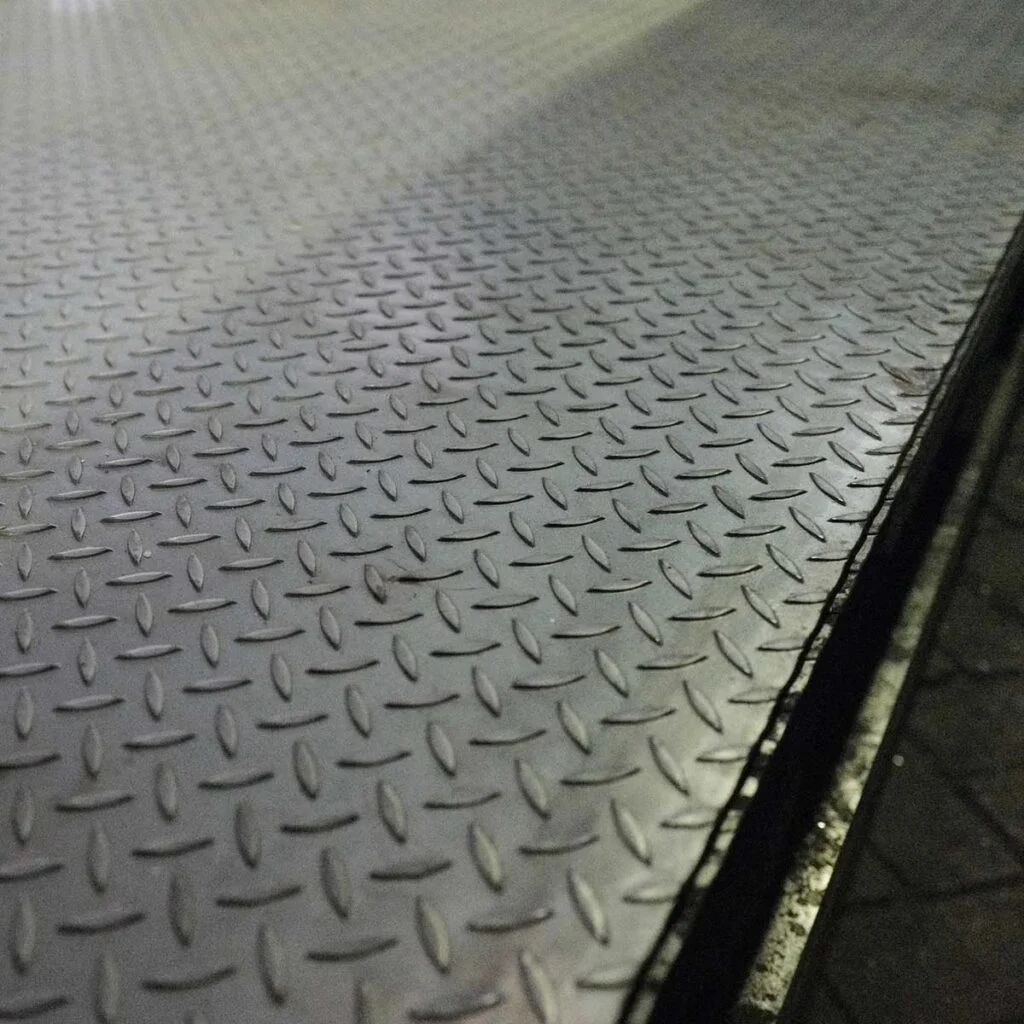
The distinctive, embossed texture of perforated steel plate, often known as "plat bordes" in construction parlance, once exclusively defined industrial landscapes—factories, warehouses, and utility platforms. However, contemporary interior design has witnessed a remarkable shift, embracing this robust material for residential and commercial spaces seeking a bold, industrial aesthetic. This transition underscores a broader movement where raw, utilitarian materials are reimagined as sophisticated design elements, challenging traditional notions of domestic elegance. While their rugged appearance is undeniably appealing, integrating these steel structures into a home requires careful consideration beyond mere visual impact, particularly regarding acoustics, safety, and long-term comfort.
Understanding Perforated Steel Plate Stairs

At its core, a perforated steel plate stair is constructed from sheets of steel or aluminum featuring a raised pattern on its surface. These patterns, which can vary from diamonds and teardrops to linear or crosshatch designs, are not merely decorative. Their primary function is to enhance friction, providing superior grip and preventing slips, especially in environments prone to moisture or dust. This inherent anti-slip property is a critical safety feature that has historically made it indispensable in high-traffic industrial settings.
The Allure of Industrial Aesthetics: Why "Plat Bordes" in Modern Design?
The journey of perforated steel plate from the factory floor to the modern home is intrinsically linked to the rise of industrial design. This aesthetic movement, which gained significant traction in the late 20th and early 21st centuries, celebrates the raw beauty of structural elements and utilitarian materials. Originating from the adaptive reuse of old factories and warehouses into loft apartments and commercial spaces, industrial design champions exposed brick, concrete, metal, and visible pipework. Perforated steel plate stairs perfectly embody this ethos, offering several compelling advantages:

- Unparalleled Durability and Resilience: Steel, as a material, boasts exceptional tensile strength and yield strength, making it incredibly resistant to heavy loads and impacts. Unlike more brittle materials like ceramic tiles, which can crack, or softer woods prone to scratches and dents, a well-engineered steel stair can withstand considerable wear and tear without deformation. When structural calculations are precise, the risk of bending or sagging under daily use is minimal, ensuring a long lifespan.
- Inherent Anti-Slip Properties: The raised texture of the plate inherently provides excellent traction. This built-in safety feature is a significant advantage, reducing the risk of slips and falls even when the surface is slightly wet or dusty. This makes it particularly suitable for homes with semi-outdoor concepts or areas where spills might occur, offering peace of mind for residents.
- Strong Visual Character and Design Statement: The clean lines, exposed welds, and metallic sheen of perforated steel plates lend a powerful, almost sculptural presence to any space. Its raw, unfinished character perfectly complements other industrial elements such as exposed brick walls, black-framed windows, polished concrete floors, or minimalist lighting fixtures. It creates a focal point that is both robust and visually striking, injecting a sense of urban chic and authenticity.
Navigating the Challenges: Addressing Common Concerns
Despite its aesthetic appeal and durability, the raw nature of steel comes with its own set of considerations. InteriorDesign.ID consistently advises clients that an exclusive focus on a "fierce" visual can overlook practical aspects, potentially leading to discomfort or maintenance issues down the line. The primary concerns revolve around acoustics, corrosion, and foot comfort.
- Acoustic Dampening Solutions: Thin steel plates are highly resonant, meaning footsteps can produce a loud, metallic clang that echoes through the space. This acoustic challenge can be effectively mitigated through several engineering and design strategies. One common approach involves installing rubber pads or sound-dampening strips between the steel plates and the supporting frame before bolting them together. This creates a buffer that absorbs vibrations. Opting for thicker steel plates (e.g., 3.2mm or 4mm) also significantly reduces resonance. Furthermore, incorporating reinforcement ribs on the underside of each tread adds rigidity, diminishing vibration. For optimal sound insulation, some specialized fabricators even inject polyurethane (PU) foam into the hollow sections of stair treads. This foam fills the voids, absorbing sound waves and transforming the metallic clang into a more solid, muted thud, drastically improving the auditory experience.
- Comprehensive Corrosion Prevention: Steel, by its nature, is susceptible to rust, especially in humid environments or if its protective layers are compromised. Effective rust prevention begins with meticulous surface preparation. Before any coating is applied, the steel must be thoroughly cleaned, typically through sandblasting or rigorous sanding, to remove all mill scale, grease, oil, and manufacturing residues. This ensures optimal adhesion for subsequent layers. An essential first step is the application of an epoxy primer, which creates a robust, impermeable barrier that seals the metal’s pores and prevents moisture ingress. For the final finish, high-performance coatings such as polyurethane (PU) paint or powder coating are far superior to standard oil-based paints. These specialized coatings offer exceptional durability, scratch resistance (crucial for a high-traffic area like stairs), and superior protection against environmental elements, significantly extending the life of the stair and minimizing rust formation.
- Ensuring Pacing Comfort: While the embossed texture is excellent for anti-slip, some patterns can feel uncomfortable under bare feet. To enhance comfort, it’s advisable to select perforated plates with blunter, less aggressive protrusions. Additionally, fabricators can lightly sand down the raised textures before painting, smoothing out any sharp edges without compromising the anti-slip function. Another critical ergonomic detail is the design of the stair nosing (the front edge of the tread). It is imperative that the nosing is bent downwards and rounded, eliminating any sharp angles that could be hazardous or uncomfortable when stepping, further improving user safety and comfort.
Technical Specifications and Best Practices for Construction

Building a safe, durable, and comfortable steel plate stair requires adherence to specific technical standards and best practices. These guidelines ensure structural integrity, ergonomic function, and longevity.
- Optimal Plate Thickness: The thickness of the steel plate is a fundamental factor in preventing flexing and ensuring structural stability. Plates thinner than 2mm are generally unsuitable for stair treads as they can deform underfoot, leading to discomfort and potentially compromising weld integrity over time. For typical residential applications, a thickness of 2.3mm to 3.2mm is recommended, providing a good balance of strength and material cost. For wider stairs, particularly those exceeding 90 cm in width, a thicker plate of 4mm or more is advised to prevent deflection. Crucially, the main structural framework must be designed and dimensioned appropriately to support the chosen plate thickness and anticipated loads.
- Ergonomic Stair Dimensions and Angle: The comfort and safety of a stair are heavily dependent on its ergonomic dimensions. The ideal riser height (the vertical distance between one tread and the next) typically ranges from 15 cm to 19 cm. A consistent riser height is paramount for intuitive and safe ascent/descent. The tread width (the horizontal depth of the step) should be a minimum of 27 cm to allow an adult foot to fully rest on the step, preventing toe-stubbing or a feeling of instability. The overall inclination or pitch of the staircase is also vital; an angle between 30 and 35 degrees is considered optimal for comfortable climbing. Stairs exceeding 40 degrees can quickly lead to fatigue and strain on the knees, posing a particular challenge for the elderly or those with mobility issues.
- Robust Structural Support: The primary support structure, or stringers, forms the backbone of the staircase. For side-mounted stringers, sturdy materials like 100mm U-channel iron or 100x50mm hollow section iron with a minimum thickness of 2.5mm are typically sufficient for residential use. For a more minimalist design featuring a single central support (mono-stringer), heavier-duty steel profiles such as Wide Flange (WF) beams or H-Beams are necessary to adequately bear the entire load. Regardless of the chosen configuration, the welding process is critical. All welds must be executed with precision and strength, free of gaps or imperfections, to ensure the long-term structural integrity of the staircase.
Design Versatility: Exploring Stair Configurations
Perforated steel plate stairs offer significant design flexibility, allowing them to adapt to various architectural layouts and space constraints.

- Straight Run: This is the simplest and often most cost-effective configuration. A straight stair runs in a single, continuous line from one floor to the next. It requires ample linear space but offers the advantage of creating a clear, unobstructed area underneath that can be repurposed for storage, shelving, or even a small workstation. Its straightforward construction also tends to reduce fabrication and installation costs.
- L-Shape for Corner Integration: Ideal for spaces where linear run is limited, the L-shaped stair incorporates a turn, typically at a landing, effectively "hugging" a corner. The landing (or "bordes istirahat") serves a dual purpose: it provides a natural resting point during ascent or descent, breaking up the climb, and acts as a safety buffer, preventing a direct fall to the lower floor should someone stumble.
- U-Shape for Maximized Space Efficiency: The U-shaped stair features two parallel flights of stairs connected by a wide landing, effectively turning back on itself. This configuration is exceptionally space-efficient, occupying a compact footprint and minimizing the overall length required. The central void created by the U-shape offers a dramatic opportunity for design, often utilized to suspend large chandeliers or other impactful lighting fixtures, creating a stunning visual centerpiece.
- Spiral for Minimal Footprint: When space is at an absolute premium, a spiral staircase is the most compact option. It coils around a central pole, occupying the smallest possible floor area. However, this space-saving comes with practical limitations; maneuvering large furniture or appliances up or down a spiral stair can be exceedingly challenging, if not impossible. While visually striking, it’s often best suited for secondary access or spaces where large item transport is not a concern.
Harmonizing Materials: Blending Steel with Other Elements
While perforated steel plate stairs inherently possess a strong character, integrating them with other materials can soften their industrial edge, add warmth, or enhance their modern appeal. The starkness of dark steel can sometimes create a cool, almost sterile atmosphere. To introduce warmth and tactile comfort, a solid wood handrail is an excellent choice. The natural grain and warmth of wood provide a pleasing contrast to the coldness of metal, making the stair feel more inviting and comfortable to touch. For those seeking a cleaner, brighter, and more contemporary aesthetic, combining the steel structure with tempered glass for the railing creates an airy, transparent look. The glass allows light to pass through, making the space feel larger and more open, while still providing a secure barrier.
Long-Term Care: Maintenance for Longevity

Proper maintenance is crucial to preserve the appearance, safety, and structural integrity of perforated steel plate stairs.
- Routine Cleaning of Textured Surfaces: The embossed patterns, while functional, can easily trap dust, dirt, and debris. Regular cleaning is essential. A vacuum cleaner equipped with a stiff brush attachment is highly effective for dislodging and removing accumulated grime from the crevices of the texture. It is vital to avoid harsh abrasive tools like sharp wire brushes, as these can scratch and damage the protective paint or coating, potentially exposing the metal to corrosion.
- Periodic Inspection of Welds and Bolts: Over time, the constant vibration from footsteps and general wear can cause bolts to loosen or put stress on welded joints. It is advisable to conduct a thorough inspection every few months, checking all connection points for any signs of loosening, cracking, or fatigue. Tightening any loose bolts and addressing minor issues promptly can prevent more significant structural problems down the line.
- Prompt Rust Intervention: Even with high-quality protective coatings, accidental scratches or impacts can expose the bare metal, leading to the formation of rust spots. It is crucial to address these "seedlings" of rust immediately. The affected area should be gently cleaned and lightly sanded to remove the rust. Following this, a rust converter solution should be applied; this chemical treatment neutralizes existing rust and primes the surface for repainting. Finally, the area should be touched up with a protective paint that matches the original color and finish, restoring the stair’s aesthetic and preventing further corrosion.
Investment Considerations: Cost and Value
The cost of fabricating and installing perforated steel plate stairs can vary significantly based on design complexity, material specifications, and regional labor rates. Typically, welding workshops price these projects on a per-linear-meter basis. For standard residential applications using hollow section frames and 2.5mm thick plates, costs might range from approximately IDR 1.5 million to IDR 2.5 million per linear meter (approximately $100-$170 USD, subject to exchange rates). However, for premium specifications, such as stairs featuring durable powder coating finishes, heavier WF beam frames, or more intricate designs, the cost can easily exceed IDR 4 million per linear meter (approximately $270 USD). It is always prudent for clients to request a detailed Bill of Quantities (RAB) or a comprehensive budget breakdown at the outset of the project. This ensures transparency and helps manage expectations regarding the total investment.

Expert Insights: Balancing Aesthetics and Functionality
Design professionals frequently highlight that the true art of industrial interior design lies in its ability to marry raw aesthetics with refined functionality. Architects often commend perforated steel stairs for their structural honesty and visual dynamism, noting how they can serve as a striking focal point. Interior designers appreciate their versatility, capable of anchoring a minimalist scheme or adding rugged charm to a more eclectic space. Structural engineers, meanwhile, emphasize that while the material is inherently strong, its application demands rigorous adherence to building codes and engineering principles to ensure safety and longevity. The consensus among experts is that successful integration of these stairs hinges on a holistic approach, where the visual impact is harmonized with ergonomic considerations, robust construction, and diligent maintenance planning.
Frequently Asked Questions (FAQ)

-
Are perforated steel plate stairs safe for children and the elderly?
Yes, they can be perfectly safe, provided they adhere to ergonomic and safety standards. This includes maintaining a maximum riser height of 17 cm for easier climbing, ensuring a minimum tread depth of 27 cm for full foot placement, and designing railings with vertical balusters spaced no more than 10 cm apart to prevent children from slipping through. Properly designed nosing also contributes to safety. -
How long does the fabrication and installation process typically take?
The fabrication of the steel components in a workshop usually takes approximately 1 to 2 weeks, depending on the complexity of the design and the workshop’s current workload. On-site installation at the home is generally a quicker process, often completed within 2 to 3 working days. -
Can these stairs be painted in colors other than black or grey?
Absolutely. While black and various shades of grey are popular choices for their classic industrial appeal, perforated steel stairs can be painted in virtually any color. White, for instance, is increasingly being used to create a brighter, more expansive industrial aesthetic, offering a fresh take on the style. Custom colors can be matched to specific interior palettes.
-
Is it possible to completely eliminate the sound of footsteps?
Achieving 100% sound elimination is challenging with any hard material. However, with the application of effective sound-dampening techniques—such as installing rubber pads, utilizing thicker steel plates, or injecting PU foam—the resonant metallic clang can be significantly reduced. The sound is transformed into a more muted, solid thud, making the stair much quieter and more pleasant to use. -
What type of railing is most suitable for perforated steel plate stairs?
The choice of railing depends on the desired aesthetic and functionality. Round iron pipes are excellent for reinforcing a raw, authentic industrial look. Sleek steel cable railings offer a minimalist and modern aesthetic, providing an unobstructed view. Conversely, solid wood handrails introduce a vital touch of warmth and provide a comfortable, tactile experience, effectively balancing the coolness of the steel. Often, a combination of materials, such as steel balusters with a wooden handrail, offers the best of both worlds.
In conclusion, perforated steel plate stairs represent a compelling fusion of rugged utility and sophisticated design. Their inherent strength, anti-slip properties, and strong visual character make them an ideal choice for modern homes embracing the industrial aesthetic. By thoughtfully addressing potential challenges related to acoustics, corrosion, and comfort through intelligent design and material selection, these stairs transcend their utilitarian origins to become a durable, safe, and visually captivating centerpiece within any contemporary living space. As interior design continues to evolve, the enduring appeal of "plat bordes" underscores a growing appreciation for materials that tell a story of resilience and honest craftsmanship.