Chalifah Fatihah
Seoul, South Korea – In a unique and increasingly relevant initiative, the Seoul Metropolitan Government recently hosted its third annual "Power Nap Contest" in a picturesque park along the Han River. The event, held under the warm spring sun on Saturday, May 2nd, 2026, drew hundreds of young residents eager to participate in an activity that has become a rare luxury for the nation’s famously driven workforce: a sanctioned nap. This competition, which requires participants to don "Sleeping Beauty" or prince-like costumes, arrive in a state of exhaustion, and with full stomachs, underscores a growing concern about sleep deprivation in South Korea.
The contest is more than just a whimsical event; it is a poignant symbol of a society grappling with extreme work ethics, a relentless pursuit of success, and a pervasive culture that often prioritizes long hours over adequate rest. For a city renowned for its 24-hour shopping districts, fiercely competitive job market, and the ubiquitous iced Americano, the palpable exhaustion emanating from the participants sprawled across the park lawns was a stark testament to the reality of their daily lives.
A Nation Running on Empty: The Context of the Power Nap Contest
South Korea consistently ranks among the countries with the highest working hours and the most severe sleep deprivation in the developed world. Data from the Organisation for Economic Co-operation and Development (OECD) has repeatedly highlighted this issue, painting a picture of a nation where productivity often comes at the steep price of personal well-being. The demanding academic environment, coupled with a highly competitive job market that often necessitates extensive overtime, leaves many South Koreans with insufficient time for rest and recovery. This chronic sleep deficit has been linked to a range of health problems, including increased stress, reduced cognitive function, and a higher risk of chronic diseases.
The Power Nap Contest, therefore, emerged not only as a lighthearted event but as a critical public awareness campaign. By bringing the issue of sleep deprivation into the public sphere in such a visible and engaging manner, the Seoul Metropolitan Government aims to encourage a broader societal conversation about work-life balance and the importance of adequate sleep. This initiative can be seen as a growing trend in urban planning and public health, where cities are exploring innovative ways to address the modern-day challenges faced by their residents.
Participants’ Perspectives: A Glimpse into the Daily Grind
The costumes worn by the participants offered a creative outlet for expressing their personal struggles with sleep. Park Jun Seok, a 20-year-old university student, donned a crimson silk robe reminiscent of a Joseon Dynasty king. His explanation revealed the intense pressure faced by young South Koreans: "Between preparing for exams and part-time work, I only sleep 3-4 hours a night. I’m here to showcase my napping skills and demonstrate how a king sleeps," he shared, as reported by The Independent. His sentiment reflects the heavy academic and financial burdens that often compromise the sleep of students.
Yoo Mi Yeon, a 24-year-old English teacher, opted for a cozy koala onesie. Her choice was driven by a personal battle with insomnia. "I suffer from insomnia and find it difficult to sleep soundly. Koalas are known for their deep sleep; I came dressed like this hoping to borrow some of their ‘magic’," she explained. Her participation highlights the diverse reasons for sleep deprivation, extending beyond demanding work schedules to individual health challenges.
The Mechanics of the Competition: Measuring the Depth of Slumber
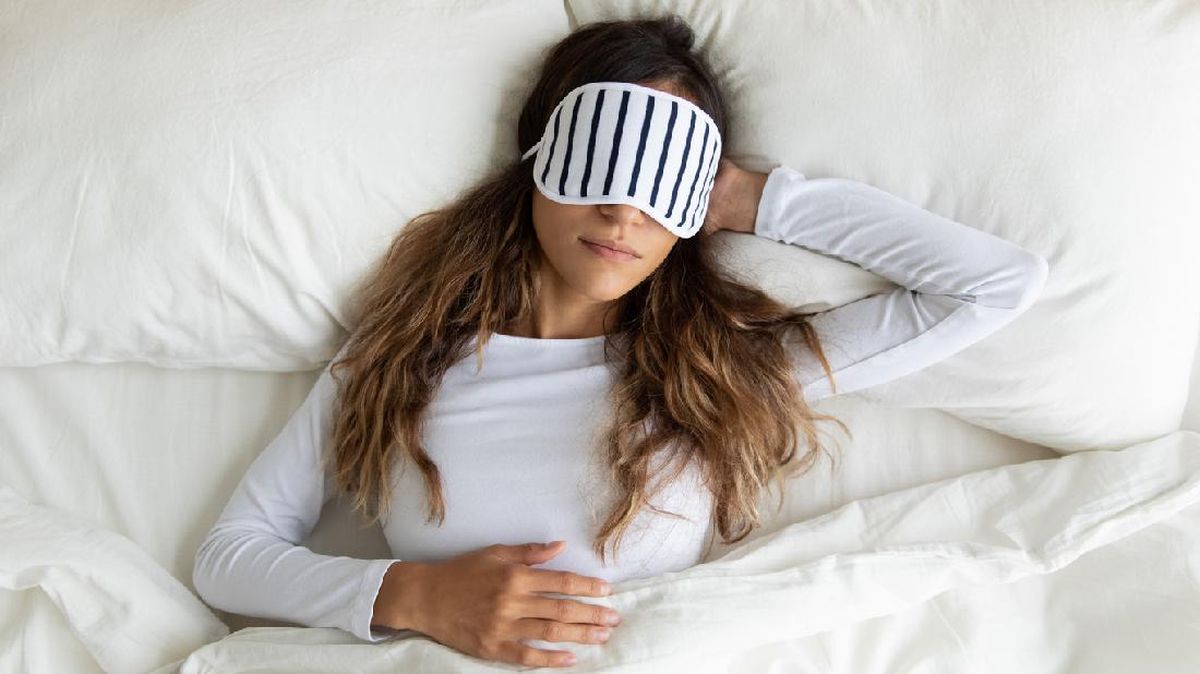
The contest’s methodology for determining winners is as intriguing as its premise. At precisely 3:00 PM local time, as eye masks were donned, officials meticulously circulated through the park, monitoring participants’ heart rates. A stable heart rate, indicating a descent into a deep and peaceful sleep, was the primary metric for success. This scientific approach lends a degree of legitimacy to the competition, moving it beyond mere performance to an assessment of genuine restfulness.
The winners of this year’s contest were announced following the rigorous monitoring. An unnamed gentleman in his 80s was crowned the champion, a testament to the universal need for rest, regardless of age. The second place was secured by Hwang Du Seong, a 37-year-old office worker. His joy was palpable as he expressed his relief and gratitude: "I am very tired due to frequent late-night overtime and a lot of driving for work. I was determined to sleep to recharge amidst the gentle river breeze, and fortunately, I managed to secure second place," he said happily. His win underscores the daily struggles of many white-collar professionals in South Korea.
Broader Implications: Addressing a National Health Crisis
The Power Nap Contest, now in its third year, has consistently drawn attention to South Korea’s sleep deprivation crisis. The event serves as a powerful visual reminder of the human cost of a society that often glorifies long working hours. Experts suggest that such initiatives, while seemingly lighthearted, play a crucial role in shifting societal norms and encouraging a greater emphasis on well-being.
The Seoul Metropolitan Government’s commitment to hosting this event signals a growing recognition by authorities that sleep is not a luxury but a fundamental aspect of public health. This approach aligns with global trends in urban planning that prioritize citizen well-being and mental health. By creating a platform for discussing and celebrating rest, the city is subtly challenging the deeply ingrained culture of overwork.
Looking Ahead: Towards a More Rested Future
The success of the Power Nap Contest is likely to encourage similar initiatives in other cities facing comparable challenges. As the world grapples with the consequences of modern lifestyles on sleep patterns, innovative solutions like this become increasingly vital. The contest offers a hopeful glimpse into a future where work-life balance is not just an ideal but a tangible reality, and where the simple act of getting enough sleep is recognized as a cornerstone of a healthy and productive society.
The event’s popularity also suggests a strong public appetite for addressing the issue of sleep deprivation. As more data emerges on the long-term health and economic consequences of chronic sleep loss, it is anticipated that governments and corporations will be compelled to implement more comprehensive strategies to promote better sleep habits. These might include policy changes to limit working hours, incentives for companies to foster healthier work environments, and increased public awareness campaigns about the critical importance of sleep for individual and societal well-being. The Power Nap Contest, in its unique way, has successfully sparked a national conversation, laying the groundwork for a potentially more rested and resilient South Korea.