Azin Asro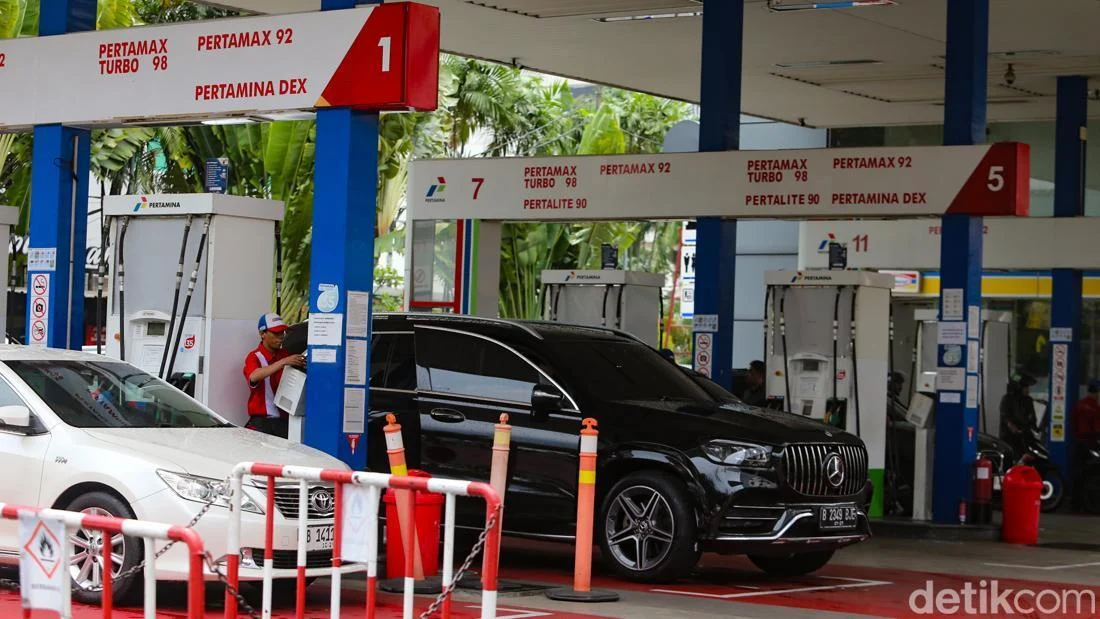
Indonesia’s energy landscape faced a significant shift at the start of May 2026 as the state-owned energy giant, PT Pertamina (Persero), alongside various private fuel distributors, implemented a series of price hikes for non-subsidized fuel products. This adjustment, which primarily targets high-performance gasoline and automotive diesel oil, reflects the ongoing volatility in global crude oil markets and the fluctuating strength of the Indonesian Rupiah against the United States Dollar. According to the latest data released by Pertamina Patra Niaga, the retail arm of the national energy company, several key products including Pertamax Turbo, Dexlite, and Pertamina Dex have seen their price points revised upward to align with current market realities.
The decision to adjust these prices comes at a time when global energy benchmarks remain under pressure from geopolitical tensions and supply chain constraints. While the government has managed to keep subsidized fuels like Pertalite and Solar (Biosolar) stable to protect the purchasing power of lower-income households, the segment of the population and the industries relying on high-grade fuels will now have to navigate a more expensive refueling environment. These changes are not isolated to the state sector, as private competitors such as BP-AKR and VIVO have also adjusted their price boards, in some cases setting new highs for premium diesel products that have now crossed the Rp 30,000 per liter threshold.
Detailed Breakdown of Pertamina’s Price Adjustments
The most recent data from Pertamina Patra Niaga reveals a tiered approach to the price increases. The high-octane gasoline variant, Pertamax Turbo, which is favored by owners of luxury vehicles and high-performance engines, has seen a price jump of Rp 500 per liter. Previously sold at Rp 19,400, the new price for Pertamax Turbo has reached Rp 19,900 per liter in the Jakarta, Banten, and West Java regions. This 2.5% increase is relatively modest compared to the drastic shifts seen in the diesel category.
The diesel segment has experienced the most substantial impact in this May 2026 revision. Dexlite, a common choice for modern diesel-powered SUVs and light commercial vehicles, saw its price climb from Rp 23,600 to Rp 26,000 per liter. This represents a significant increase of Rp 2,400 per liter. Even more striking is the price adjustment for Pertamina Dex, the highest-grade diesel offered by the state company. Pertamina Dex jumped from its previous price of Rp 23,900 per liter to a staggering Rp 27,900 per liter, marking a sharp increase of Rp 4,000 per liter.
Despite these significant hikes in the "Dex" family of products, Pertamina has maintained the status quo for other non-subsidized products. Pertamax (RON 92) remains steady at Rp 12,300 per liter, and Pertamax Green (a bio-ethanol blend) continues to be sold at Rp 12,900 per liter. The maintenance of these prices is seen by analysts as a strategic move to prevent a mass migration of consumers back to subsidized Pertalite, which would further strain the national budget.
Private Sector Response: BP and VIVO Follow Suit
The Indonesian retail fuel market is no longer a monopoly, and the actions of private players like BP-AKR and VIVO serve as a barometer for the true market cost of imported fuels. As of May 2, 2026, both BP and VIVO updated their pricing structures, reflecting the increased cost of procurement for diesel products.
At BP-AKR stations, the flagship BP Ultimate Diesel product has seen its price adjusted to Rp 30,890 per liter. This puts it at a premium compared to Pertamina’s top-tier diesel, reflecting the private sector’s sensitivity to international logistics costs. However, BP has kept its RON 92 gasoline variant, BP 92, at a competitive Rp 12,390 per liter, nearly mirroring Pertamina’s Pertamax pricing to remain attractive to the general commuting public.
VIVO, the retailer operated by Vitol, has followed an almost identical pricing strategy. VIVO’s premium diesel offering, known as Diesel Primus, is now also priced at Rp 30,890 per liter. Similar to BP, VIVO has chosen to keep its Revvo 92 gasoline at Rp 12,390 per liter. The synchronization between private retailers suggests a highly competitive but constrained market where diesel costs are being driven by a singular set of global economic pressures.
The Chronology of Market Adjustments
The timeline for these changes began in late April 2026, as the Ministry of Energy and Mineral Resources (ESDM) reviewed the Mean of Platts Singapore (MOPS) benchmarks for the preceding month. Under Indonesian regulation, non-subsidized fuel prices are reviewed monthly and can be adjusted based on a formula that accounts for the MOPS price, the IDR/USD exchange rate, and a fixed margin for the retailers.
On May 1, 2026, Pertamina officially announced the new rates for its non-subsidized portfolio. This was followed closely by BP and VIVO, who updated their digital totems at gas stations across the Greater Jakarta area by the early morning of May 2. By May 4, 2026, the new pricing was fully implemented across all operational regions, including West Java, Central Java, and East Java, with slight variations based on local fuel taxes (PBBKB).
Historically, May has often been a month of price volatility in Indonesia due to the tail-end of holiday travel seasons and the preparation for mid-year industrial demand. However, the 2026 hike is particularly notable for the sheer scale of the diesel increase, which has caught many industrial players and logistics providers by surprise.
Macroeconomic Drivers: Global Oil and Currency Volatility
Several factors have converged to necessitate this price hike. Primarily, the global price of Brent Crude has remained stubbornly high, hovering between $85 and $95 per barrel throughout the first quarter of 2026. This sustained high price is a result of production cuts by OPEC+ nations and continued geopolitical instability in the Middle East, which has increased the risk premium on oil shipments passing through the Strait of Hormuz.
In addition to the high cost of crude, the Indonesian Rupiah has faced downward pressure. As the U.S. Federal Reserve maintained higher-for-longer interest rates to combat American inflation, capital outflows from emerging markets like Indonesia led to a depreciation of the Rupiah. Since fuel is traded globally in U.S. Dollars, a weaker Rupiah means that Pertamina and its competitors must spend more local currency to purchase the same volume of fuel on the international market.
Economists note that the widening gap between subsidized and non-subsidized diesel is becoming a point of concern. With Pertamina Dex now nearly four times the price of subsidized Solar (Rp 6,800), there is an increased risk of "fuel switching" or the illegal diversion of subsidized diesel into industrial supply chains.
The Stability of Subsidized Fuels and the "Social Safety Net"
While the headlines are dominated by the price hikes of premium fuels, the Indonesian government has been firm in its commitment to maintaining the price of subsidized Pertalite (RON 90) and Solar. Pertalite remains at Rp 10,000 per liter, a price point that has been held steady despite the rising costs of the raw materials needed to produce it.
The Ministry of Finance has indicated that the energy subsidy budget for 2026 is designed to absorb these shocks to prevent a spike in the inflation rate. Since fuel is a foundational cost for public transportation and the distribution of basic goods, any increase in subsidized fuel would immediately lead to higher prices for food and services. By "holding the line" on Pertalite and Solar, the government aims to maintain social stability, even as it allows non-subsidized prices to float according to market conditions.
However, this policy places a heavy financial burden on the state budget (APBN). Pertamina, as the state-assigned distributor, receives compensation from the government for the gap between the market price and the subsidized retail price. As market prices rise, the compensation gap grows, requiring the government to allocate more funds or find ways to tighten the eligibility for subsidized fuel through digital platforms like MyPertamina.
Impact on Logistics and the Supply Chain
The logistics sector is perhaps the most vulnerable to the recent spike in Dexlite and Pertamina Dex prices. While many heavy trucks use subsidized Solar, a significant portion of the modern logistics fleet—especially those operated by multinational corporations with strict emissions standards—requires high-grade diesel to maintain engine health and comply with Euro 4 or Euro 5 standards.
The Indonesian Logistics Association (ALI) has expressed concerns that the Rp 4,000 per liter jump in Pertamina Dex will inevitably lead to higher freight costs. "When fuel costs rise by more than 15% in a single month, logistics providers have no choice but to adjust their surcharges," a representative stated. This could lead to a "trickle-down" effect where the cost of consumer electronics, high-end perishable goods, and industrial components increases for the end-user.
Furthermore, the price hike affects the mining and plantation sectors. While these industries often procure fuel through bulk "industrial" contracts rather than retail pumps, the retail price adjustment serves as a benchmark for their contract renewals. Higher operational costs in these sectors could dampen Indonesia’s export competitiveness in the global market.
Future Outlook and Consumer Sentiment
As Indonesia moves further into 2026, the trajectory of fuel prices will depend heavily on the evolution of the global energy transition and the stability of the Middle East. Pertamina is currently expanding its refinery capacity through the Refinery Development Master Plan (RDMP) in Balikpapan and Cilacap, which aims to reduce the country’s reliance on imported refined products. If these projects reach their full operational potential, the "import premium" currently baked into fuel prices may begin to subside.
On the consumer side, there is a visible shift in behavior. Automotive sales data from the first quarter of 2026 suggests a growing interest in hybrid and electric vehicles (EVs) as a hedge against gasoline price volatility. With high-octane fuel approaching Rp 20,000 per liter, the "total cost of ownership" for internal combustion engine vehicles is being re-evaluated by middle-class consumers.
In the short term, the public is advised to monitor official channels for further updates. Pertamina Patra Niaga has reiterated its commitment to ensuring fuel availability across the archipelago, from Sabang to Merauke, despite the challenging economic environment. As the world watches the crude oil markets, Indonesian motorists are left to balance their budgets against the necessity of mobility in a rapidly developing economy.