Azin Asro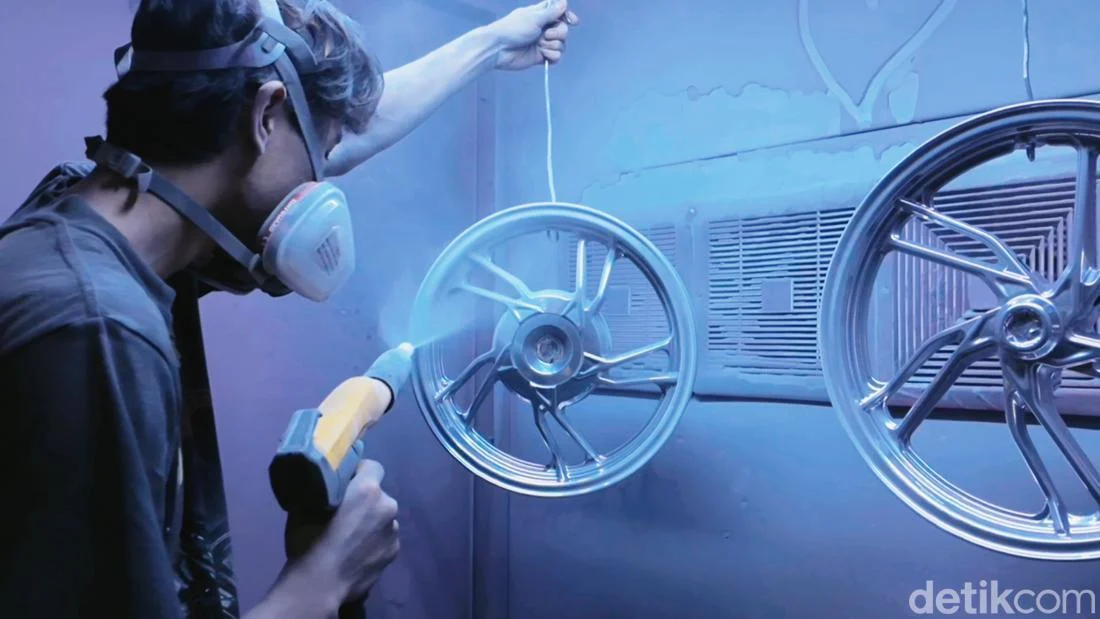
The landscape of motorcycle modification in Indonesia has undergone a significant transformation over the last decade, shifting from purely aesthetic enhancements to a focus on functional durability and long-term value. Among the various techniques gaining traction in the automotive afterlife market, powder coating has emerged as a preferred method for refurbishing and customizing motorcycle wheels and frames. This dry finishing process, which has been used in industrial applications since the 1960s, is now a staple in local workshops, such as BAMS Powder Coat in Depok, West Java. As enthusiasts increasingly seek "ride-and-forget" solutions for their vehicles, understanding the technical nuances, advantages, and inherent limitations of powder coating is essential for any rider looking to upgrade their machine’s "feet."
Fiqo Natapraja, the owner of BAMS Powder Coat, observes that the trend is driven by a desire for a factory-grade finish that can withstand the rigorous conditions of Indonesian roads. While traditional liquid paint remains popular for its ease of application and vast color range, powder coating offers a different value proposition centered on resilience. However, the decision to opt for this method should be informed by a clear understanding of the metallurgical and chemical processes involved, as well as the practical constraints that come with high-temperature curing.
The Technical Foundation: How Powder Coating Works
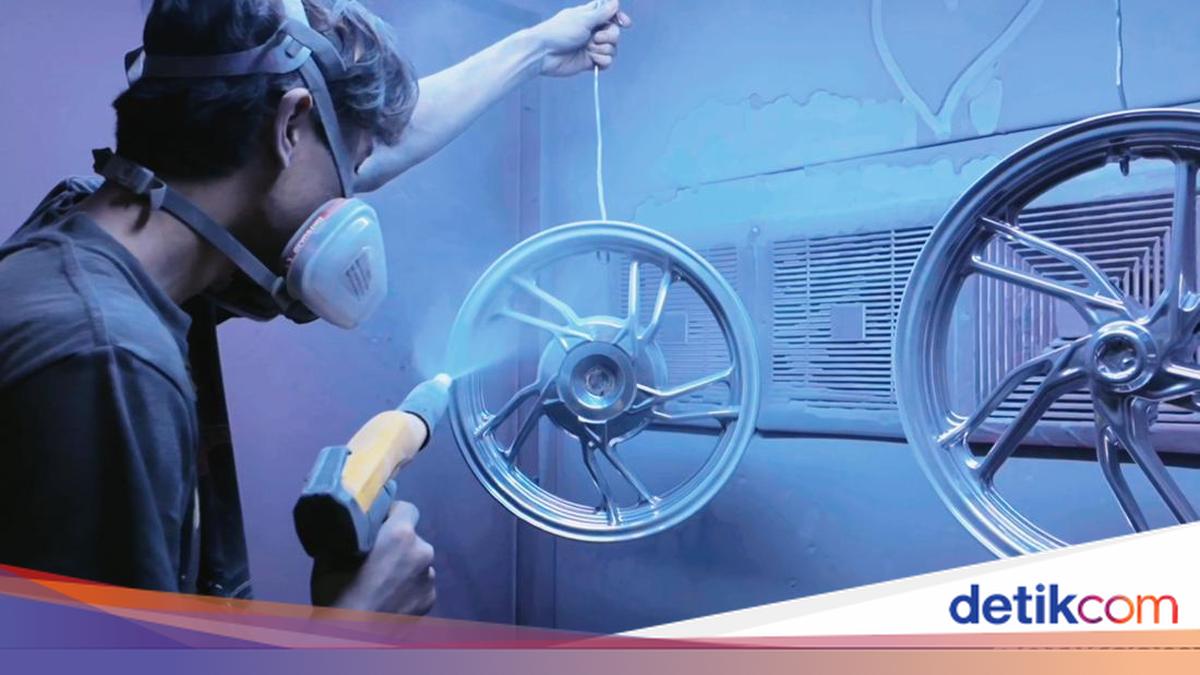
To appreciate the benefits mentioned by industry experts like Natapraja, one must first understand the process. Unlike conventional liquid paint, which is delivered via an evaporating solvent, powder coating is applied as a free-flowing, dry powder. This powder is typically a thermoplastic or a thermoset polymer. The application process involves an electrostatic spray gun that imparts a positive electric charge to the powder particles. The motorcycle component, such as an aluminum alloy wheel, is grounded, creating an electrostatic field that pulls the powder to the metal surface.
Once coated, the component is placed in a specialized industrial oven. Under high heat—typically ranging from 180 to 200 degrees Celsius (350 to 400 degrees Fahrenheit)—the powder melts and chemically reacts to form a long-chain polymer network. This "curing" process results in a high-density finish that is significantly tougher than standard paint. It is this molecular bonding that provides the "bulletproof" reputation that Natapraja highlights in his workshop’s daily operations.
Unmatched Durability: The Primary Advantages
According to Fiqo Natapraja, the primary draw for his customers is the sheer toughness of the finish. In an interview at his Depok facility, he emphasized that powder coating is designed for components that face "medium to heavy" physical stress. "The first advantage is heat resistance," Natapraja explained. "Then, the rate of fading is extremely low, and it is anti-corrosive."
The anti-corrosion aspect is particularly vital for Indonesian riders who frequently navigate tropical humidity and seasonal flooding. Liquid paint, if chipped, can allow moisture to seep under the layer, leading to oxidation and "spiderweb" corrosion on alloy wheels. Powder coating, due to its thickness and the way it wraps around edges, provides a more comprehensive seal. Natapraja notes that the coating is much thicker and more resistant to impacts. While a sharp, high-velocity stone might still nick the surface, the overall resistance to road debris, gravel, and minor abrasions is far superior to that of acrylic or polyurethane liquid paints.
Furthermore, the environmental impact of the process is a growing factor in its popularity. Traditional liquid paints contain Volatile Organic Compounds (VOCs), which contribute to air pollution and pose health risks to technicians. Powder coating contains no solvents and releases negligible amounts of VOCs into the atmosphere. Additionally, over-sprayed powder can be reclaimed and reused, making it a zero-waste process in many industrial setups—a fact that aligns with the global shift toward more sustainable automotive maintenance practices.
The Limitations: Material Constraints and Color Palette
Despite its robust nature, powder coating is not a universal solution for every part of a motorcycle. The most significant limitation is the "heat factor." Because the curing process requires the component to bake at high temperatures for 15 to 30 minutes, the material must be able to withstand such heat without deforming or melting.
"It cannot be used for plastic, rubber, or nylon," Natapraja warned. "If these materials enter the oven, they will melt." This means that while a rider can powder coat their wheels, frame, swingarm, and engine covers, they cannot use the same method for fairings, fenders, or side panels, which are typically made of ABS plastic or carbon fiber. This creates a challenge for modifiers who want a perfect color match across the entire bike, often requiring them to use liquid paint on the bodywork and powder coating on the metal parts.
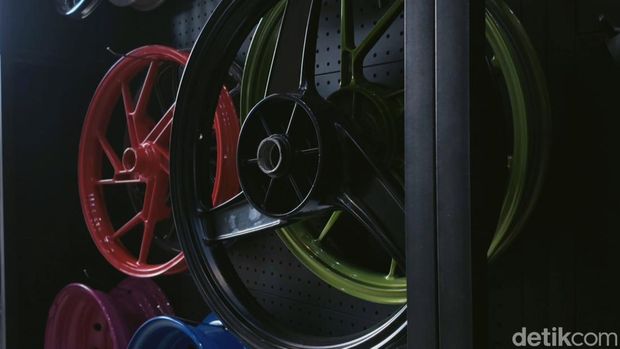
Another hurdle is the color variety. In the world of liquid paint, a technician can mix almost any hue imaginable on-site. Powder coating relies on pre-formulated powders. While the industry is growing, the current catalog of available "stock" colors in Indonesia is still more limited than its liquid counterparts. "This might just be a matter of time because not many people are aware of the full range yet," Natapraja suggested. To satisfy clients looking for high-end aesthetics, such as "Candy" finishes or unique metallic flakes, BAMS Powder Coat often has to import powders from overseas. While solid colors are readily available from domestic manufacturers, the more exotic finishes require a longer lead time and higher costs due to import logistics.
Chronology of the Powder Coating Process
To achieve the results Natapraja describes, a rigorous multi-step chronology must be followed. A common mistake among DIY enthusiasts is assuming the powder does all the work; in reality, the quality of the finish is 90% preparation.
- Disassembly and Inspection: The wheels are stripped of tires, bearings, valves, and weights. The metal is inspected for cracks or structural damage that heat might exacerbate.
- Chemical Stripping: The old factory paint or previous coatings are removed using specialized chemical baths. This ensures the new coating bonds directly to the raw metal.
- Mechanical Pre-treatment (Sandblasting): The component is sandblasted or bead-blasted. This serves two purposes: it removes any remaining oxidation and creates a "profile" or microscopic roughness on the surface, which allows the powder to "grip" the metal more effectively.
- Degreasing and Outgassing: The metal is cleaned to remove oils from skin or machinery. Some cast metals are "outgassed" in the oven before coating to release trapped air that could cause bubbles in the final finish.
- Electrostatic Application: The technician applies the powder in a controlled booth, ensuring even coverage in hard-to-reach areas like the spokes and hub.
- Curing: The part is placed in the oven. The temperature must be monitored precisely; under-curing leads to a brittle finish, while over-curing can discolor the pigment.
- Cooling and Reassembly: Once removed from the oven, the part must cool naturally before bearings are pressed back in and tires are mounted.
Supporting Data and Market Context
The rise of workshops like BAMS Powder Coat is a reflection of the broader Indonesian automotive aftermarket, which continues to see robust growth. According to data from the Indonesian Motorcycle Industry Association (AISI), motorcycle sales remain high, and the culture of "personalization" is a multi-billion rupiah industry. Within this market, the sub-segment of wheel restoration has seen a shift. Five years ago, "cat semprot" (spray paint) was the dominant choice for wheel recoloring due to its low price point (roughly Rp 300,000 to Rp 500,000 per pair). Today, powder coating services, which range from Rp 600,000 to Rp 1,500,000 depending on the color and size, are seeing a 20-30% year-on-year increase in demand as riders realize the long-term savings of a more durable finish.
Technically, powder coating provides a layer thickness of 60 to 80 microns in a single pass, whereas liquid paint may require multiple coats to reach 30 to 40 microns. This thickness is what provides the impact resistance cited by Natapraja. Furthermore, the cross-linking of polymers during curing makes the surface resistant to chemical spills, such as brake fluid or gasoline, which would instantly ruin a traditional liquid paint job.
Broader Impact and Implications for the Modification Scene
The professionalization of shops like BAMS Powder Coat indicates a maturing market. As modifiers move away from "backyard" DIY methods toward industrial-grade techniques, the overall quality of modified bikes in Indonesia is reaching international standards. This has a positive ripple effect on the resale value of modified motorcycles; a bike with a documented powder-coated frame and wheels is often perceived as having better "build quality" than one with a quick spray-can job.
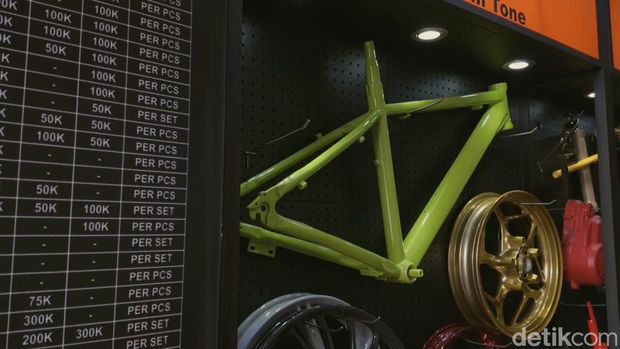
However, the industry faces a challenge in educating the public. Many riders still expect the mirror-like "wet look" of a high-end automotive clear coat from powder coating. While "Super Gloss" powders exist, the nature of the powder often results in a very slight "orange peel" texture compared to the perfectly flat surface of liquid lacquer. Managing customer expectations regarding texture and the inability to "touch up" a powder-coated surface (which requires a full strip and recoat if damaged) remains a key part of the service provided by experts like Natapraja.
In conclusion, powder coating represents a significant leap forward for motorcycle maintenance and customization. While it demands a higher initial investment and is restricted to metal components, its resilience against the harsh tropical elements of Indonesia makes it a logical choice for the serious rider. As domestic powder production expands and more specialized colors become available, the gap between the versatility of liquid paint and the durability of powder coating is expected to close, further solidifying this technique as the gold standard for motorcycle "legs." For enthusiasts in Depok and beyond, the insights from BAMS Powder Coat serve as a roadmap for navigating this trend, ensuring that their modifications are not just beautiful, but built to last.