Nila Kartika Wati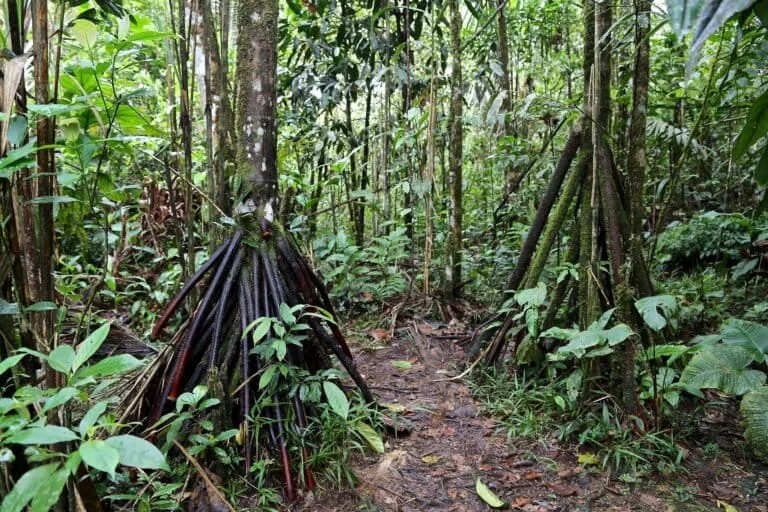
The tropical rainforests of Central and South America represent the most biodiverse ecosystems on Earth, serving as a complex web of life where every organism has evolved to fill a highly specific niche. Among the most iconic yet frequently misunderstood residents of these jungles is the Socratea exorrhiza, more commonly known as the "Walking Palm." For decades, this tree has captured the imagination of the public through a persistent myth: the idea that it can physically relocate itself across the forest floor to find better sunlight. However, as the global scientific community enters 2026, the focus has shifted from debunking these colorful legends to addressing a much more dire reality. New longitudinal data suggests that while the palm may not be walking, it is certainly disappearing, falling victim to the escalating pressures of a changing climate.
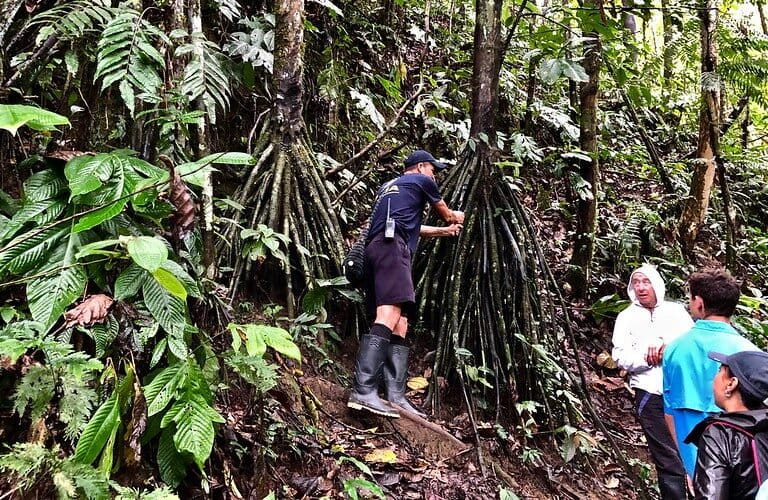
The Socratea exorrhiza is easily identified by its unusual root system. Unlike most trees that bury their primary support structure deep underground, this palm features a cluster of sturdy, stilt-like roots that radiate outward from the base of the trunk, often beginning several feet above the ground. This architectural anomaly led to the widespread belief, often repeated by tour guides from Costa Rica to Peru, that the palm could move up to 20 meters per year. The theory suggested that by growing new roots in the direction of sunlight and allowing old roots to rot away, the tree could "walk" its way out of the shade. While a captivating narrative for ecotourism, rigorous botanical research has long confirmed that the tree remains anchored where it first germinates. The true purpose of these roots is far more grounded in the harsh realities of rainforest survival, involving structural engineering and physiological adaptation rather than locomotion.
The Engineering of Vertical Dominance
In the dense canopy of a tropical rainforest, light is the most valuable currency. For a young palm, the race to reach the upper layers of the forest is a matter of life and death. Research conducted by ecologist Gerardo Avalos, originally published in the journal Biotropica, provides the most comprehensive explanation for the Walking Palm’s unique morphology. The stilt roots act as a structural "scaffold," providing a wide, stable base that allows the tree to maintain a slender trunk.
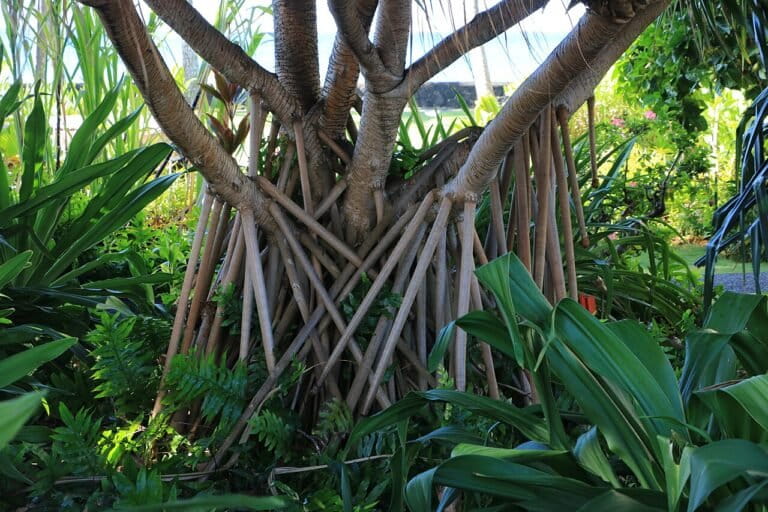
By distributing its weight across multiple points of contact with the soil, Socratea exorrhiza avoids the need to invest massive amounts of energy and biomass into thickening the base of its trunk—a requirement for trees with traditional root systems. This "resource-saving" strategy allows the palm to allocate its limited nutrients and energy toward rapid vertical growth. In a environment where being overtopped by a neighbor means a permanent loss of sunlight, the ability to grow taller faster is a significant evolutionary advantage. Data from field observations consistently show that Socratea exorrhiza outpaces many of its competitors in vertical height during its juvenile stages, thanks specifically to this structural efficiency.
Adaptation to Saturated and Anoxic Soils
Beyond the need for height, the Walking Palm’s roots are a response to the challenging soil conditions of the neotropical floor. Rainforest soils are often characterized by high clay content, low oxygen levels (anoxia), and frequent flooding. In such environments, traditional deep-taproot systems struggle to "breathe," as the waterlogged soil prevents necessary gas exchange for root respiration.
The stilt roots of the Socratea exorrhiza function as pneumatophores—specialized aerial organs that facilitate the exchange of oxygen and carbon dioxide directly with the atmosphere. Because a significant portion of the root surface is exposed to the air, the tree can thrive in swampy or poorly drained areas where other species would succumb to root rot or suffocation. Furthermore, these roots allow the tree to maximize nutrient uptake. In the rainforest, most nutrients are found in a very thin layer of decomposing organic matter on the surface. The wide footprint of the stilt roots allows the palm to tap into this nutrient-rich "humus" layer across a larger area, absorbing minerals before they are washed away by the region’s torrential rains.
The Barro Colorado Island Crisis: A Warning Sign
While the biological "magic" of the Walking Palm has been explained by science, its future is becoming increasingly uncertain. Recent reports, including the comprehensive study "Socratea exorrhiza: The Walking Palm" included in the Smithsonian Institution’s centennial research on Barro Colorado Island (BCI) in Panama, have documented a troubling trend. BCI is home to one of the world’s most intensively studied 50-hectare forest plots, providing a rare long-term window into the health of tropical ecosystems.
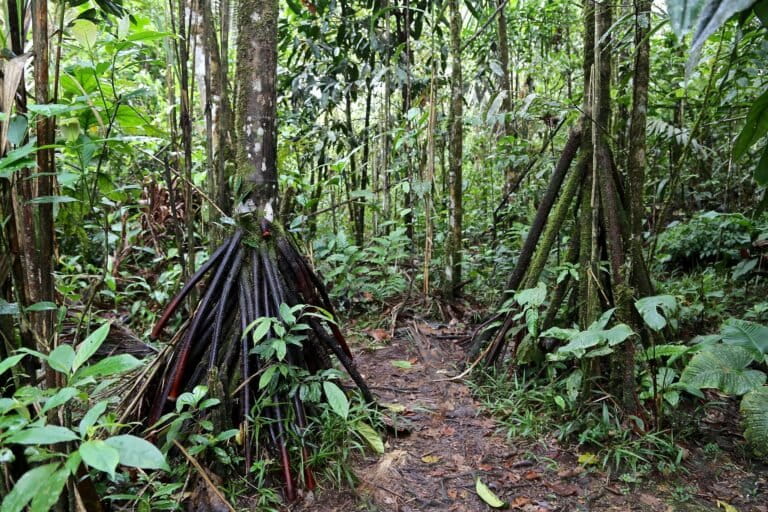
Data collected over the last several decades indicates a consistent and significant decline in the population of Socratea exorrhiza within the BCI plot. Because BCI is a protected area, this decline cannot be attributed to logging or direct human interference. Instead, researchers point to the indirect but devastating effects of global climate change. The intensification of erosion, driven by more frequent and more violent rainfall events, is undermining the very stability that the stilt roots were designed to provide. When the soil becomes overly saturated and loses its structural integrity, even the "scaffolding" of the Walking Palm is insufficient to prevent it from toppling.
Climate Instability and the Failure of Regeneration
The decline of the Walking Palm is not merely a matter of adult trees falling; it is a crisis of regeneration. The reproductive cycle of Socratea exorrhiza is finely tuned to the historical patterns of the tropical wet and dry seasons. However, as climate change shifts these patterns, the "biological clock" of the forest is being disrupted.
Increased volatility in rainfall means that the soil conditions required for seed germination and juvenile survival are becoming rarer. Young palms are particularly vulnerable to the hydraulic pressure of extreme runoff. If a seedling cannot establish its initial root structure before the next record-breaking rain event, it is likely to be washed away or buried under sediment. The result is a "demographic gap" where older trees are dying off, but there are not enough young individuals reaching maturity to replace them. This disruption in population dynamics threatens to lead to a localized extinction of the species in areas like BCI, which could serve as a harbinger for the rest of the Amazon and Central American basins.
The Trophic Cascade: Ecological and Human Consequences
The loss of the Walking Palm would have a ripple effect throughout the rainforest food web. The tree is considered a keystone species due to its role as a food source. Its fruits are a vital part of the diet for various forest vertebrates. Howler monkeys (Alouatta spp.) rely on the palm’s fruit during specific seasons, as do several species of large forest birds.
Perhaps most importantly, the palm shares a symbiotic relationship with rodents like the agouti (Dasyprocta spp.). The agouti feeds on the seeds but also acts as the primary dispersal agent, burying seeds in different locations as a "food cache." When agoutis fail to retrieve these seeds, new palms grow. If the palm population continues to dwindle, the animals that depend on it will face increased food insecurity, which in turn reduces the effectiveness of seed dispersal for the remaining trees—a feedback loop that accelerates the decline of the entire ecosystem.
The human impact is equally significant, particularly for indigenous communities. The Emberá and Wounaan people of Panama have utilized the Socratea exorrhiza for generations. The outer casing of the trunk is incredibly hard and resistant to rot, making it the ideal material for the flooring of traditional raised houses. It is also used in the creation of tools and artisanal crafts. As the species becomes scarcer, these communities lose access to a sustainable natural resource that is central to their architecture and cultural heritage.
A Call for Integrated Conservation
The story of the Walking Palm is a testament to the fact that reality is often more fascinating than fiction. The tree does not move to find the sun; instead, it has evolved an elegant, stationary solution to the problems of light, stability, and respiration. However, its sophisticated adaptations, honed over millions of years, are proving no match for the rapid pace of human-induced climate change.
Conservationists argue that protecting the Walking Palm requires more than just preventing deforestation. It requires a global commitment to stabilizing the climate patterns that these specialized species depend on. The decline of Socratea exorrhiza on Barro Colorado Island serves as a "canary in the coal mine," signaling that even in protected, "untouched" forests, the reach of climate change is profound. To save the Walking Palm, we must look beyond the myth and recognize the tree as a vital, vulnerable pillar of the tropical world, one whose "stride" toward the future depends entirely on our ability to protect the delicate balance of the rainforest.