Tata Titiana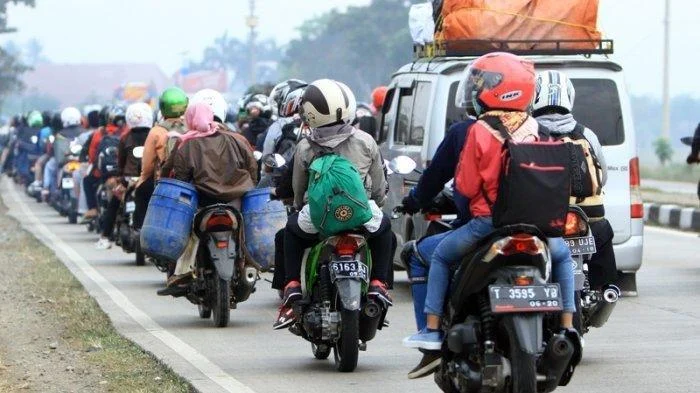
Indonesia’s government has announced that citizens will be permitted to undertake the traditional Eid al-Fitr (Lebaran) homecoming journey to their hometowns for the celebration of Idul Fitri 1442 Hijri, a significant shift from the outright ban imposed in 2020 due to the COVID-19 pandemic. The confirmation came directly from Minister of Transportation Budi Karya Sumadi during a working meeting with Commission V of the House of Representatives (DPR RI) on Tuesday, March 16, 2021. However, officials have emphasized that this is not an encouragement to travel, as the Ministry of Transportation (Kemenhub) does not possess the authority to issue such directives. Instead, the decision signals a conditional allowance, contingent upon strict adherence to public health protocols and collaborative efforts with the COVID-19 Handling Task Force.
The decision to permit homecoming, a deeply ingrained cultural practice in Indonesia, marks a delicate balancing act for the government. After a year of stringent restrictions that significantly curtailed movement and disrupted traditional celebrations, the allowance offers a glimmer of normalcy for millions of Indonesians. The 2020 ban, implemented during the initial surge of the pandemic, aimed to prevent the rapid spread of the virus from urban centers, where infection rates were often higher, to rural areas with potentially less robust healthcare infrastructure. This year’s decision reflects a nuanced approach, acknowledging the public’s desire to reconnect with families while grappling with the ongoing reality of the pandemic.
Navigating the New Normal: Conditions for Homecoming Travel
The Ministry of Transportation is actively collaborating with the COVID-19 Handling Task Force to develop a comprehensive mechanism for the 2021 homecoming season. The primary objective is to ensure that the increased travel does not become a catalyst for renewed COVID-19 outbreaks, particularly in less densely populated rural communities. As stated by Minister Budi Karya Sumadi via his Instagram account (@budikaryas), the government will engage in consultations with various stakeholders to maintain a conducive homecoming period. Key among these measures will be the tightening of travel requirements and enhanced contact tracing protocols.
Minister Sumadi outlined several critical conditions for those intending to travel for Eid al-Fitr 2021:
- Stringent Health Protocols: The absolute cornerstone of the travel policy is the rigorous implementation of health protocols at every stage of the journey. This includes adherence to guidelines at departure points, throughout the travel duration, and upon arrival at the destination. These protocols encompass mandatory mask-wearing, maintaining physical distancing, regular disinfection of transportation facilities and infrastructure, passenger capacity limitations in vehicles, and carefully managed service schedules.
- Anticipating Passenger Surges with Enhanced Tracing: To manage potential spikes in passenger numbers, a more intensive contact tracing system will be put in place. This measure aims to quickly identify and isolate individuals who may have been exposed to the virus, thereby preventing wider transmission.
- Shortened Validity of Screening Tests: The validity period for COVID-19 screening tools, such as rapid antigen tests, will be shortened. This is intended to ensure that travelers are tested closer to their departure time, providing a more current snapshot of their health status and reducing the risk of asymptomatic individuals traveling undetected.
Beyond these specific points, further details on health protocols are expected to be intensified. This includes a continued emphasis on personal hygiene, the use of sanitizers, and maintaining distance in queues and public spaces. The government is appealing to the public’s sense of responsibility and collective well-being, urging unwavering compliance with health guidelines for the benefit of all. The precise operational details of the homecoming mechanism are still being finalized by the Ministry of Transportation and its collaborating partners.
Expert Apprehension Amidst Permissive Policy
Despite the government’s decision to allow homecoming, the move has been met with apprehension from public health experts. Many remain concerned about the potential for increased COVID-19 transmission, especially considering the evolving nature of the virus and the ongoing vaccination rollout. Epidemiologists, while acknowledging the importance of the vaccination program, caution that it is not a panacea and that adherence to basic public health measures remains paramount.
Dr. Riris Andono Ahmad, an epidemiologist from Universitas Gadjah Mada (UGM), suggested that the government’s decision might be influenced by the perceived progress in the national immunization program, assuming it provides sufficient coverage to control the pandemic’s trajectory. However, Dr. Ahmad stressed that the primary concern lies not solely with immunization but with the potential for transmission if travelers fail to diligently observe health protocols. He stated, "The issue is not protection through immunization, but if travelers do not implement health protocols, the transmission of COVID-19 will still occur, just like before vaccination."
Transportation Choices and the Risk of Transmission
The choice of transportation mode is considered a critical factor in mitigating risk. The government is reportedly facilitating the provision of COVID-19 screening tools, such as GeNose, at various terminals, train stations, and airports to aid in this effort. Public transportation, according to Dr. Ahmad, is generally considered safer due to the potential for greater oversight and standardized health protocols.
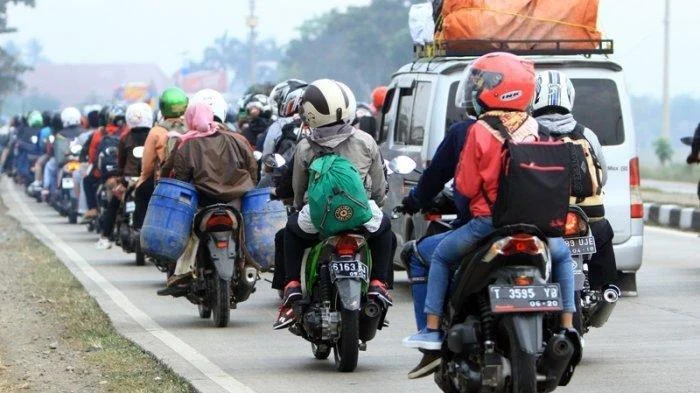
However, a significant concern arises with the use of private vehicles. Without stringent supervision, private car and motorcycle journeys could become a breeding ground for virus transmission, allowing infected individuals to spread the virus to their destination areas undetected. Consequently, there is a strong recommendation for travelers to utilize public transportation options for their homecoming journeys. This approach would enable easier monitoring by the authorities should any unforeseen circumstances or outbreaks occur.
The implications of this policy shift extend beyond immediate health concerns. The economic impact of a nationwide homecoming is significant, as it usually involves increased spending on travel, food, and gifts. A successful, safe homecoming could provide a much-needed boost to local economies that have been severely impacted by the pandemic. Conversely, a surge in cases following the homecoming could lead to renewed restrictions, negating any short-term economic benefits and prolonging the period of economic uncertainty.
The Unwavering Importance of Health Protocols, Even Post-Vaccination
It is crucial to reiterate that even individuals who have received COVID-19 vaccinations are not entirely immune to transmitting the virus in public spaces. Therefore, the disciplined adherence to health protocols remains essential, irrespective of vaccination status. This includes continuing to wear masks, maintaining social distancing, and practicing good hand hygiene. The national vaccination program, while progressing, is still in its early stages, and widespread herd immunity has not yet been achieved.
Dr. Ahmad expressed a hope that, at a macro level, the decision to permit large-scale homecoming for Eid al-Fitr could have been postponed. He anticipates that the pandemic may not be fully over by Idul Fitri 2021, and with vaccination coverage still not reaching optimal levels, the risk of COVID-19 transmission remains a tangible possibility. This sentiment underscores the ongoing debate between public health priorities and the societal and cultural imperatives that drive traditional practices like the Lebaran homecoming.
Background and Chronology of the Decision
The decision to permit homecoming in 2021 follows a year of unprecedented restrictions in 2020. The Indonesian government, facing a rapidly escalating number of COVID-19 cases, implemented a nationwide ban on the traditional "mudik" Lebaran. This measure, while controversial and difficult for many families, was credited with helping to curb the spread of the virus during that period. Historical context reveals that restrictions on mass gatherings and travel during religious holidays are not entirely new in Indonesia. For instance, during the turbulent post-independence period in 1946, the government also had to contend with the challenges of facilitating public movement while managing public health and security.
The announcement on March 16, 2021, marked a significant turning point in the government’s approach to holiday travel for 2021. It was made following extensive discussions and assessments of the pandemic situation, vaccination progress, and public sentiment. The Ministry of Transportation, in coordination with other relevant ministries and agencies, has been tasked with developing the operational framework. This involves extensive logistical planning, including ensuring the availability of screening facilities, coordinating with public transportation operators, and disseminating public information campaigns on health protocols.
Supporting Data and Potential Impact Analysis
As of early 2021, Indonesia had been grappling with a significant number of COVID-19 cases, consistently ranking among the countries with the highest infection rates in Southeast Asia. While the government has been steadily rolling out its vaccination program, the pace and reach of this program are critical factors in assessing the risks associated with increased travel. Data from the Ministry of Health indicated that as of March 2021, a substantial portion of the population remained unvaccinated.
The potential implications of allowing homecoming are multifaceted:
- Public Health: A resurgence of COVID-19 cases, particularly in rural areas with limited healthcare resources, is a primary concern. This could strain the healthcare system and lead to increased mortality. The emergence of new variants, which may be more transmissible or evade vaccine immunity, further complicates the risk assessment.
- Economic Recovery: A safe and successful homecoming could stimulate local economies, particularly in the tourism and hospitality sectors, which have been hard-hit by the pandemic. It would allow families to engage in traditional gift-giving and spending, providing a much-needed economic boost.
- Social and Psychological Well-being: For many Indonesians, the inability to visit family during Eid al-Fitr in 2020 had a significant psychological impact. The permission to travel this year, even with restrictions, offers a chance to alleviate this sense of isolation and reconnect with loved ones, fostering a sense of normalcy and community.
Broader Impact and Future Considerations
The government’s decision to permit the 2021 Eid al-Fitr homecoming sets a precedent for how religious holidays and large-scale public movements will be managed in the ongoing pandemic. It highlights the tension between public health imperatives and the deeply rooted cultural and social needs of the population. The success of this initiative will largely depend on the collective responsibility of the public in adhering to health protocols and the government’s ability to effectively monitor and enforce these measures.
Moving forward, Indonesia, like many nations, will need to develop sustainable strategies for managing public life during the pandemic. This includes ongoing vaccination efforts, strengthening public health infrastructure, and maintaining clear and consistent communication with the public regarding risks and preventive measures. The experience of the 2021 homecoming will undoubtedly provide valuable lessons for future holiday seasons and large public gatherings, informing policy decisions and public health interventions in the years to come. The ultimate goal remains to navigate the path towards recovery while prioritizing the health and safety of all citizens.