Tata Titiana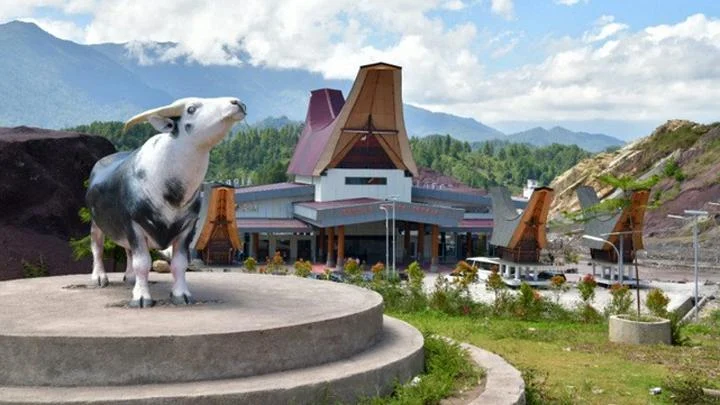
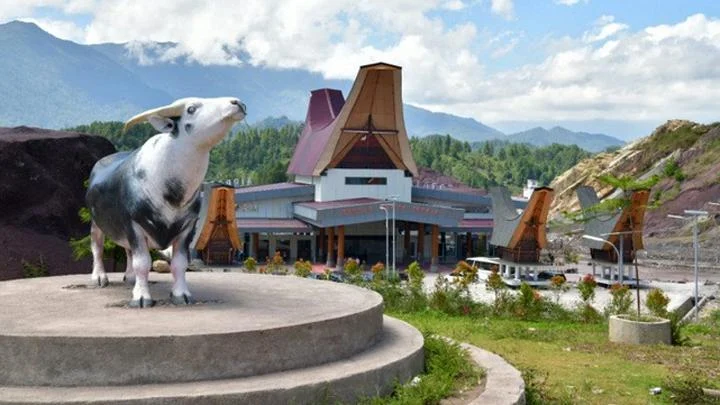
President Joko Widodo officially inaugurated the Toraja Airport, formerly known as Buntu Kunik Airport, in Tana Toraja Regency, South Sulawesi, on Thursday, March 18, 2021. The ceremony, broadcast live via the Presidential Secretariat’s YouTube channel, marked a significant milestone for the region, with President Widodo expressing his optimism that the new airport will serve as a catalyst for economic development, job creation, and the emergence of new economic hubs.
The establishment of Toraja Airport is a testament to a long-held vision for improved accessibility in this culturally rich and geographically unique part of Indonesia. The project, which commenced in 2011, initially aimed to replace the aging Pongtiku Airport in Ratentayo. However, its construction faced several delays. The project was revitalized under President Widodo’s administration, with significant progress made starting in 2018. The first phase of construction, funded by the central government, was completed in mid-2020, paving the way for the airport’s operational readiness. Currently, two airlines, Wings Air and Citilink, are providing regular flight services connecting Makassar and Toraja, facilitating easier travel for both residents and tourists.
The strategic location of Tana Toraja, renowned for its unique ancestral traditions, elaborate funeral ceremonies, and breathtaking landscapes, has long presented a challenge for effective transportation. Historically, reaching Tana Toraja involved long and arduous journeys by land, often taking over eight hours from the nearest major airport in Makassar. This geographical isolation, while preserving its distinct cultural heritage, also hindered economic development and limited tourism potential. The inauguration of Toraja Airport signifies a pivotal shift, promising to bridge this connectivity gap and unlock the region’s latent economic opportunities.
A Decade in the Making: The Journey of Toraja Airport
The development of Toraja Airport has been a complex undertaking, spanning over a decade and involving significant engineering feats to overcome the challenging mountainous terrain. Construction officially began in 2011, envisioning a modern airport that would cater to the growing needs of Tana Toraja and its surrounding areas. The initial phase saw the groundwork being laid, but funding and logistical challenges led to intermittent progress.
A crucial turning point arrived in 2018 when the project was re-prioritized and received renewed impetus from the central government. This renewed commitment saw the acceleration of construction, with the focus shifting to critical infrastructure development. The first phase of construction, completed in mid-2020, laid the foundation for the airport’s initial operational capabilities. This phase included the development of a runway, apron, and taxiway, designed to accommodate regional aircraft.
The airport’s expansion continued with a second phase, which is still underway, aiming to further enhance its capacity and cater to larger aircraft. This ongoing development reflects a strategic plan to not only serve immediate needs but also to future-proof the airport’s infrastructure for sustained growth. The commitment to continuous improvement underscores the government’s dedication to making Toraja Airport a vital component of Indonesia’s national transportation network.
Engineering Marvels and Technical Specifications
The construction of Toraja Airport is an impressive feat of engineering, particularly given the challenging topography of Tana Toraja. The airport occupies a total area of 141 hectares, a substantial footprint designed to accommodate future expansions.
In its initial operational phase, the airport boasts a runway measuring 1,600 meters in length, specifically designed to accommodate ATR-type aircraft, commonly used for regional flights. The apron, the area where aircraft are parked, refueled, and serviced, measures 94.5 by 67 meters, providing ample space for aircraft operations. The taxiway, connecting the runway to the apron, is 124.5 meters long and 15 meters wide, ensuring efficient movement of aircraft on the ground.
The second phase of development significantly enhances the airport’s capabilities. The runway is being extended to 2,000 meters, a crucial upgrade that will allow larger aircraft, such as the Boeing 737, to operate at Toraja Airport. This expansion is vital for increasing passenger capacity and accommodating a wider range of airlines and routes. The terminal building, spanning 1,000 square meters, is designed to efficiently handle approximately 150 passengers, providing essential services and amenities for travelers.
The sheer scale of the engineering required to build this airport is remarkable. To achieve the necessary flatness for the runway, three significant hills in the Tana Toraja region had to be meticulously leveled. This monumental task involved extensive excavation and earthmoving, demonstrating the commitment and resources invested in making this project a reality. The Minister of Transportation, Budi Karya Sumadi, highlighted the immense difficulty of the construction due to the steep terrain, underscoring the dedication of the construction teams. Further work is planned for 2021 to address and remove any remaining obstacles near the runway to ensure maximum safety and operational efficiency.
A New Identity: The Renaming of Toraja Airport
The transformation from Buntu Kunik Airport to Toraja Airport is more than just a name change; it represents a collective aspiration and a unifying identity for the region. The decision to rename the airport was a collaborative process, originating from discussions between the Tana Toraja Regency government and community leaders representing the 19 sub-districts within the regency. This inclusive approach ensured that the new name resonated with the local population and reflected the cultural significance of the area.
Following the consensus reached by local stakeholders, the proposed name change was formally submitted to the Regional People’s Representative Council (DPRD) for deliberation and approval in a plenary session. Subsequently, the decision was forwarded to the provincial government for endorsement before finally being presented to the Ministry of Transportation for official recognition and implementation. This multi-tiered approval process highlights the careful consideration and due diligence involved in adopting a new identity for this vital infrastructure project. The chosen name, Toraja Airport, directly links the facility to its cultural heartland, aiming to enhance regional pride and promote tourism by leveraging the globally recognized identity of Tana Toraja.
Economic and Social Implications: A Catalyst for Growth
The inauguration of Toraja Airport is poised to have a profound and multifaceted impact on the region’s economy and social fabric. President Widodo’s vision of boosting the local economy, generating employment, and fostering new economic centers is well-founded.
Tourism: Tana Toraja is a destination of global significance, attracting tourists interested in its unique cultural heritage, particularly the elaborate funeral rites (Rambu Solo’) and the ancient megalithic sites. However, the difficult and time-consuming journey has been a significant deterrent for many potential visitors. With the advent of direct flights, Tana Toraja is expected to become more accessible, leading to a substantial increase in tourist arrivals. This surge in tourism will directly benefit local businesses, including hotels, restaurants, handicraft shops, and transportation providers. The increased flow of tourists will create demand for local goods and services, stimulating economic activity across various sectors.
Trade and Commerce: Improved air connectivity will also facilitate the transportation of goods, both perishable and non-perishable. This can open up new markets for local agricultural products, handicrafts, and other commodities. Businesses will find it easier to source raw materials and distribute their finished products, enhancing their competitiveness and potential for growth. The ability to transport goods more efficiently can also reduce post-harvest losses for farmers, improving their livelihoods.
Job Creation: The operation of an airport inherently creates numerous employment opportunities, ranging from ground staff, air traffic controllers, and security personnel to airline employees and airport service providers. Furthermore, the anticipated growth in tourism and related industries will lead to job creation in hotels, restaurants, tour agencies, and other service sectors. This increased employment will contribute to poverty reduction and improve the overall standard of living for the residents of Tana Toraja.
Regional Connectivity and Investment: Toraja Airport will serve as a vital node in the regional transportation network, enhancing connectivity not only within South Sulawesi but also with other parts of Indonesia. This improved connectivity can attract new investments, as businesses become more inclined to establish operations in a region that is easily accessible. The presence of a modern airport signals progress and stability, making Tana Toraja a more attractive destination for both domestic and foreign investment.
Social and Cultural Preservation: While economic development is a primary objective, the improved accessibility can also foster greater cultural exchange and understanding. As more people visit Tana Toraja, there will be a greater appreciation for its unique cultural heritage. However, it is crucial that this development is managed sustainably to ensure that the cultural integrity and traditional way of life of the Tana Toraja people are preserved. The economic benefits derived from tourism can also provide resources for the preservation and promotion of cultural traditions.
Challenges and Future Prospects
Despite the optimistic outlook, the successful realization of Toraja Airport’s potential will depend on several factors. Ensuring the sustainability of tourism and economic development is paramount. This involves careful planning to manage the environmental impact of increased visitor numbers and to ensure that economic benefits are distributed equitably within the community.
Furthermore, continuous investment in infrastructure development, both within the airport and in the surrounding areas, will be necessary to support the anticipated growth. This includes improving road networks connecting the airport to tourist attractions and commercial centers, as well as ensuring adequate utility services.
The ongoing development of the runway to accommodate larger aircraft is a crucial step in maximizing the airport’s capacity. As the airport matures, attracting more airlines and expanding flight routes will be key to solidifying its role as a major transportation hub. The government’s commitment to ongoing development and support for the region’s economic growth indicates a long-term vision for Toraja Airport.
In conclusion, the inauguration of Toraja Airport marks a new dawn for Tana Toraja. It represents a significant leap forward in overcoming geographical barriers, unlocking economic potential, and enhancing the quality of life for its residents. As the airport becomes fully operational and its infrastructure continues to develop, it is expected to play a pivotal role in transforming Tana Toraja into a more connected, prosperous, and accessible region, while hopefully preserving its rich cultural heritage for generations to come. The dream of a direct link to this unique corner of Indonesia has finally taken flight.