Tyo Susilo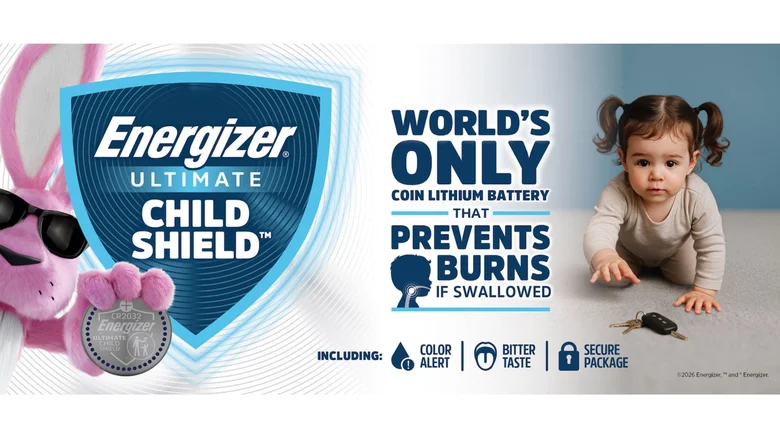
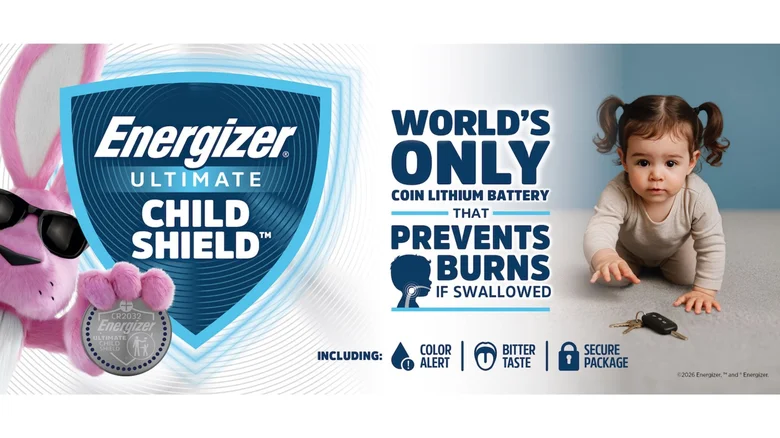
Energizer Holdings, a global leader in battery technology, has launched a groundbreaking new line of lithium coin batteries, the Energizer Ultimate Child Shield, designed with child safety as its paramount concern. This innovative product aims to address the alarming incidence of accidental battery ingestions by young children, a persistent and serious public health issue. The company asserts that these batteries are the first of their kind globally to significantly mitigate the risk of internal burns should they be inadvertently swallowed.
The Energizer Ultimate Child Shield batteries are available in the widely used 2032, 2025, and 2016 sizes. These dimensions are common in a vast array of small electronic devices, including remote controls, car key fobs, personal trackers, and, critically, children’s toys. The very ubiquity and small size of these batteries, coupled with their accessibility, unfortunately, make them a frequent cause of accidental ingestion and subsequent injury among the pediatric population.
The Pervasive Threat of Coin Battery Ingestion
The statistics surrounding coin battery ingestions are stark and deeply concerning. According to data shared by Energizer, the United States alone records over 3,500 incidents annually of children swallowing coin batteries. The demographic most at risk comprises children under the age of six, a developmental stage characterized by exploration and a tendency to place objects in the mouth. The dangers associated with such ingestions extend beyond the immediate risk of choking; the electrical current generated by the battery can cause severe chemical burns to the esophagus and surrounding tissues within a remarkably short timeframe, sometimes as little as 15 minutes after ingestion. These burns can lead to permanent damage, including esophageal strictures, vocal cord paralysis, and, in the most tragic cases, fatalities.
The severity of these incidents has prompted increased scrutiny from consumer safety advocates and regulatory bodies worldwide. Organizations such as the Consumer Product Safety Commission (CPSC) in the United States have been actively working with manufacturers to implement safer product designs and packaging for small electronics that utilize coin cell batteries. The CPSC has issued numerous public warnings and recalls over the years related to toys and other consumer products containing coin cell batteries that posed an ingestion hazard. Energizer’s initiative represents a proactive response to this ongoing safety challenge, seeking to set a new industry benchmark for child-resistant battery technology.
Innovations Engineered for Enhanced Safety
Energizer has integrated several novel technologies into the Ultimate Child Shield batteries to address the critical safety concerns. A key feature is the "Color Alert" system. This innovative technology causes the battery surface to turn a distinct blue color upon contact with saliva. The purpose of this visible cue is to provide parents and caregivers with an immediate and unmistakable signal that a battery may have been ingested, facilitating a rapid response. Early detection is crucial in minimizing the potential for severe internal damage.
Furthermore, the batteries are coated with a non-toxic, bitter-tasting compound. This deterrent is designed to make the batteries unappealing to children, discouraging them from placing the batteries in their mouths in the first place. This dual approach, combining a warning mechanism with a taste deterrent, aims to create multiple layers of protection against accidental ingestion.
Beyond the battery itself, Energizer has also enhanced the packaging of the Ultimate Child Shield line. The packaging has been engineered to be significantly more difficult for young children to open, requiring more dexterity and strength than typically possessed by the age group most vulnerable to battery ingestions. This approach to packaging design aligns with recommendations from child safety experts who emphasize the importance of child-resistant closures for hazardous products.
A Timeline of Concern and Response
The issue of coin battery ingestion has been a growing concern for decades, gaining significant public attention through tragic incidents and increasing statistical reporting.
- Early 2000s: Growing awareness and reporting of coin battery ingestions lead to initial calls for industry action and consumer education campaigns.
- Mid-2000s: Regulatory bodies, such as the CPSC, begin to increase their focus on the issue, working with manufacturers on voluntary safety initiatives.
- 2010s: The prevalence of small electronic devices, including wearable technology and smart home devices, leads to a continued rise in the use of coin cell batteries, exacerbating the ingestion risk. Organizations like the Children’s Hospital Association advocate for stricter safety standards.
- Late 2010s – Early 2020s: Several high-profile cases and increased media coverage amplify public concern. Industry stakeholders, including battery manufacturers and device makers, engage in more concerted efforts to develop safer solutions. Research into deterrent coatings and improved packaging gains momentum.
- Present: Energizer Holdings unveils its Ultimate Child Shield line, representing a significant technological advancement and a commitment to leading the industry in battery safety. This launch is seen as a direct response to the ongoing challenges and a proactive step toward setting new safety standards.
The development of the Energizer Ultimate Child Shield batteries is not an isolated event but rather a culmination of years of research, advocacy, and industry collaboration aimed at mitigating a persistent consumer safety threat.
Supporting Data and Industry Context
The global market for button and coin cell batteries is substantial, driven by their use in a wide range of portable electronics. In 2022, the global button cell battery market size was valued at USD 4.5 billion and is projected to grow significantly in the coming years. This widespread adoption underscores the importance of ensuring the safety of these ubiquitous power sources.
Beyond Energizer’s initiative, other manufacturers and device makers have also been exploring safety enhancements. Some have introduced batteries with bitter coatings, while others have focused on child-resistant packaging for their products. However, the Energizer Ultimate Child Shield appears to be the first comprehensive solution that integrates multiple safety features directly into the battery itself, including the highly visible Color Alert system, alongside a taste deterrent and robust packaging.
The effectiveness of such safety features is often evaluated through rigorous testing and compliance with established safety standards. While specific testing protocols for the Color Alert feature may not be publicly disclosed by Energizer, its underlying principle is based on the chemical reaction between the battery’s conductive materials and bodily fluids, which is a well-understood phenomenon. The bitter coating technology is also a recognized method for deterring ingestion.
Potential Implications and Future Outlook
Energizer’s introduction of the Ultimate Child Shield batteries carries significant implications for the consumer electronics industry and child safety advocates.
- Setting a New Industry Standard: This product could compel other battery manufacturers to accelerate their own safety development efforts, potentially leading to a widespread adoption of similar child-resistant features across the market. The "first in the world" claim by Energizer, if substantiated and widely recognized, could position them as a leader in safety innovation.
- Reduced Healthcare Burden: A significant reduction in coin battery ingestions would translate to fewer emergency room visits, hospitalizations, and long-term medical treatments, thereby alleviating a considerable burden on healthcare systems. The cost associated with treating these injuries is substantial, encompassing emergency care, surgical interventions, and rehabilitation.
- Enhanced Consumer Confidence: For parents and caregivers, the availability of demonstrably safer battery options can provide greater peace of mind when selecting toys and other electronic devices for their children. This increased confidence could influence purchasing decisions and drive demand for products that prioritize child safety.
- Regulatory Influence: The success of Energizer’s initiative could also inform future regulatory discussions and potentially lead to the establishment of more stringent safety mandates for coin cell batteries and the products that contain them. Regulatory bodies may look to Energizer’s innovations as a model for future safety standards.
While Energizer aims to make these batteries as safe as possible, the company rightly emphasizes that the primary prevention strategy remains education and responsible storage. The message is clear: even with these advanced safety features, the best approach is to prevent any accidental ingestion. Parents and caregivers are urged to store batteries securely, out of reach of children, and to ensure that battery compartments on electronic devices are properly secured.
In conclusion, the Energizer Ultimate Child Shield lithium coin batteries represent a significant stride forward in addressing a critical child safety issue. By integrating innovative technologies like the Color Alert system and a bitter taste deterrent, coupled with child-resistant packaging, Energizer is not only offering a product but also a promise of enhanced protection for the most vulnerable. This development marks a pivotal moment in the ongoing effort to safeguard children from the potentially devastating consequences of coin battery ingestions, underscoring the vital role of technological innovation in promoting consumer safety.