Tyo Susilo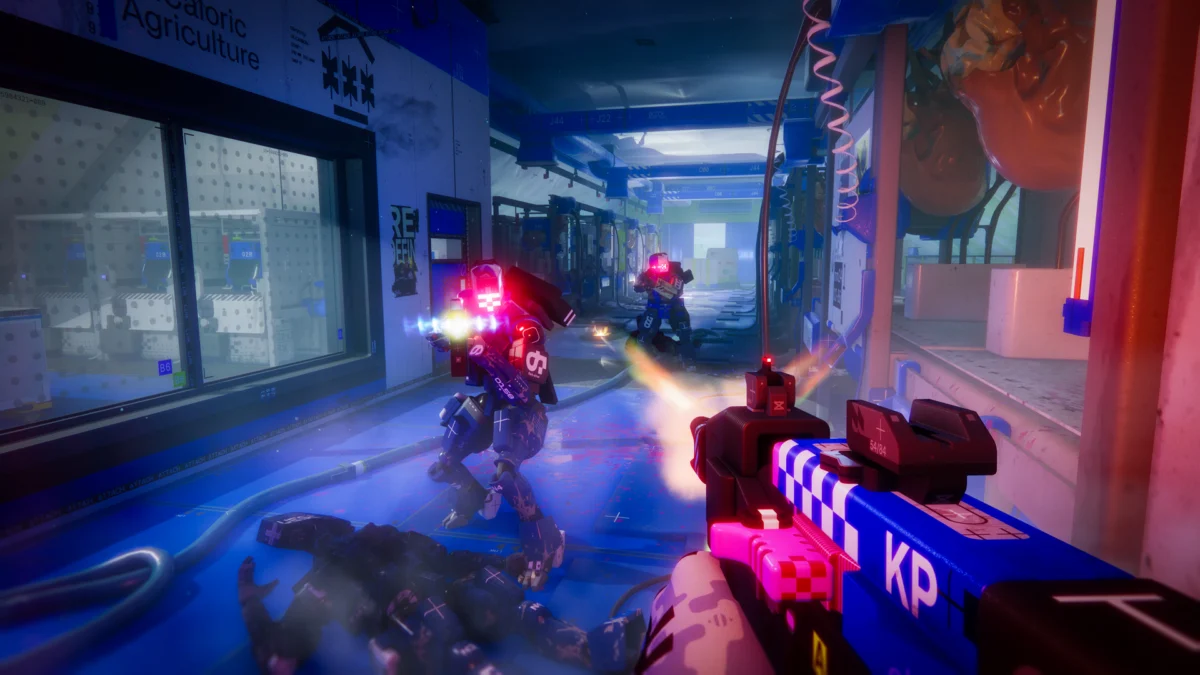
Sony is grappling with a substantial financial blow, reporting an impairment loss of $765 million directly linked to its acquisition of Bungie. This significant figure, revealed in Sony’s latest financial report, underscores the dramatic devaluation of the "Destiny" developer’s assets and highlights the critical underperformance of its most recent title, "Marathon." The extraction shooter, launched on March 5, 2026, has fallen far short of expectations, contributing to a steep decline in Bungie’s perceived value since its acquisition for $3.6 billion in July 2022.
The Magnitude of the Financial Blow
The financial disclosures from Sony paint a stark picture of the impact Bungie’s recent performance has had on the PlayStation manufacturer. The total impairment loss of $765 million represents a significant portion of the initial investment made in Bungie. Breaking down this figure further, approximately $565 million of this loss was incurred specifically within the last fiscal quarter. This concentrated impact strongly suggests that the immediate aftermath of "Marathon’s" release and its subsequent reception have been the primary drivers of this substantial write-down.
This financial revelation effectively confirms that Bungie’s valuation has plummeted significantly below the threshold considered sustainable, raising serious questions about the long-term strategic and financial viability of the acquisition. For a company like Sony, which has historically pursued ambitious acquisitions to bolster its gaming portfolio, this represents a particularly harsh lesson in the inherent risks of the high-stakes gaming industry.
"Marathon": A Disappointing Debut
The critical factor contributing to this financial downturn appears to be the performance of Bungie’s latest game, "Marathon." Since its launch, the extraction shooter has been met with a wave of negative feedback from both critics and players. Initial impressions and subsequent reviews pointed to several key areas of concern.
The visual design of "Marathon" was frequently cited as unappealing, failing to capture the aesthetic flair expected from a studio with Bungie’s pedigree. Furthermore, the user interface was described as overly complex and unintuitive, hindering the player’s ability to navigate the game’s systems effectively. Perhaps most critically, the core gameplay loop, centered around the extraction shooter genre, was perceived by many as an uninspired and forced attempt at innovation within a market already saturated with established competitors. This lack of compelling gameplay and an uninviting presentation has evidently resonated poorly with the target audience.
Player Engagement Data Paints a Bleak Picture
The struggles of "Marathon" are further illuminated by its performance on PC, specifically through Steam player data. At the time of Sony’s financial report release, the game was struggling to maintain a consistent player base. Reports indicated that "Marathon" was only able to retain approximately 6,000 active players, with daily peak concurrent player numbers hovering around a mere 15,000.
For a live-service game of this scale, envisioned as a flagship title and a significant contributor to Sony’s gaming revenue, these figures are exceptionally low. They fall drastically short of the ambitious targets that would typically be set for such a high-profile release. The stark contrast between these numbers and the performance of established extraction shooters like "Escape from Tarkov" or even newer entrants that have managed to capture a larger audience, highlights "Marathon’s" competitive shortcomings. This limited player engagement directly translates to reduced in-game monetization opportunities, a crucial revenue stream for live-service titles, and consequently, a failure to recoup development and operational costs.

Broader Financial Context for Sony
The financial challenges stemming from Bungie’s performance are occurring within a broader context of financial pressure for Sony’s gaming division. In the same financial reporting period, Sony disclosed a 24% year-over-year decline in operating income, a figure that also fell below the expectations of industry analysts.
While the PlayStation 5 console is approaching the significant milestone of 100 million units sold, the growth rate of its sales has begun to decelerate. This slowdown is attributed, in part, to ongoing global supply chain disruptions that continue to affect the availability of essential components. In such an environment, the underperformance of a key studio acquisition like Bungie, and the failure of its flagship new title, becomes a more acute concern, potentially diverting resources and attention from other strategic initiatives.
Chronology of Events and Acquisition
The acquisition of Bungie by Sony Interactive Entertainment was announced in January 2022 and officially completed in July 2022. At the time, Sony hailed the deal as a strategic move to bolster its first-party development capabilities and to tap into Bungie’s expertise in live-service games and its established franchises like "Destiny." The reported acquisition price of $3.6 billion was a substantial investment, signaling Sony’s aggressive intent to expand its gaming empire and compete more effectively in the evolving landscape of online multiplayer and live-service entertainment.
Bungie, a studio with a storied history dating back to its origins with the "Halo" franchise before its sale to Microsoft and its subsequent independence and partnership with Activision for "Destiny," was expected to leverage its experience to create new, compelling experiences for PlayStation users. The development of "Marathon," a reimagining of a classic Bungie IP, was seen as a key project under Sony’s ownership, designed to recapture player interest and establish a new revenue stream.
The game’s development timeline saw various stages of internal testing and anticipation building. A closed beta was conducted prior to the official launch, offering players a glimpse into the game’s mechanics and environment. However, even during this pre-release phase, some concerns regarding gameplay elements and technical performance were reportedly present. The official launch on March 5, 2026, marked the culmination of years of development, with high expectations placed upon its success.
The subsequent performance of "Marathon" in the months following its release, as evidenced by player metrics and now Sony’s financial disclosures, indicates a significant divergence from those initial hopes. The reporting of the impairment loss in Sony’s latest financial statements serves as a concrete, quantifiable consequence of this divergence.
Implications and Future Outlook
The substantial impairment loss associated with Bungie is likely to have far-reaching implications for both the studio and Sony’s broader gaming strategy. This financial setback could lead to increased scrutiny of Bungie’s future projects and potentially influence investment decisions within Sony’s gaming division.
There is a palpable concern for the future of Bungie as an independent entity within the Sony ecosystem. The financial strain may accelerate discussions about integrating Bungie more deeply, or even fully merging, into PlayStation Studios. This hypothetical scenario, where Bungie’s operations and development teams are absorbed entirely, has been a subject of speculation in the past, and the current financial situation could lend significant momentum to such a plan. Such a move would represent a significant shift in Sony’s approach to managing its acquired studios, potentially signaling a trend towards tighter integration and greater oversight.

Furthermore, this situation serves as a potent case study on the risks inherent in high-value acquisitions within the volatile gaming industry. The rapid pace of technological advancement, evolving player preferences, and intense market competition mean that even well-established studios can falter. The success of a game, especially a live-service title that relies on sustained player engagement and monetization, is far from guaranteed. Sony’s experience with Bungie underscores the need for rigorous due diligence, realistic financial projections, and a robust understanding of market dynamics when undertaking such significant investments.
The industry will be watching closely to see how Sony navigates this challenge. The ability of Bungie to course-correct with "Marathon" or to deliver successful future projects will be critical in determining the long-term financial outcome of this landmark acquisition. Any continued underperformance could force Sony to re-evaluate its long-term strategy for Bungie and potentially lead to further restructuring or financial adjustments. The success of the PlayStation brand, and Sony’s competitive standing in the gaming industry, may hinge on its ability to effectively manage and revitalize its investment in Bungie.
Official Responses and Industry Reactions (Inferred)
While no direct official statements from Sony or Bungie specifically addressing the $765 million impairment loss related to "Marathon" have been publicly released in the provided text, the financial report itself serves as the official confirmation of this significant event. Industry analysts and financial experts have widely interpreted this disclosure as a direct consequence of "Marathon’s" underperformance and a reassessment of Bungie’s overall value.
It can be inferred that within Sony, there would be internal discussions and strategic reviews taking place to address this substantial financial impact. This would likely involve collaboration between the PlayStation leadership and the management of Bungie to devise strategies for future game development and operational adjustments.
For Bungie, this news presents a critical juncture. The studio is now under immense pressure to demonstrate its ability to deliver successful titles and regain the confidence of its parent company and the gaming community. While the text does not include explicit reactions from Bungie’s leadership, it is reasonable to assume that the studio is actively working to address the criticisms leveled against "Marathon" and to plan for its next projects with a heightened awareness of the financial stakes involved. The emphasis on the "extraction shooter" gameplay and user interface issues suggests that future developments may focus on refining these elements or exploring new avenues that better align with market expectations and Bungie’s core strengths.
The broader gaming industry, aware of the significant investment Sony made in Bungie, will undoubtedly be dissecting this financial news. It serves as a cautionary tale about the risks associated with major acquisitions and the unpredictable nature of game development and market reception. The outcome of this situation will likely influence how other major players approach acquisition strategies and the valuation of game development studios in the future.