Tyo Susilo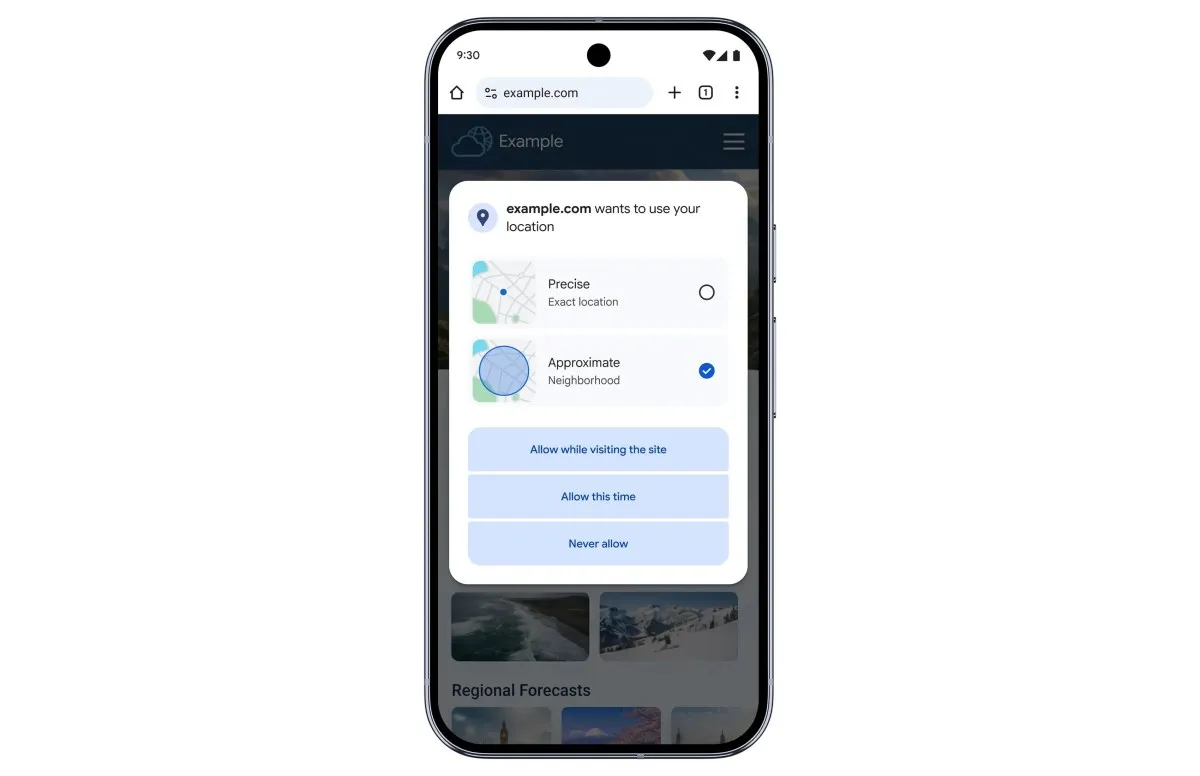
Google has rolled out a significant privacy enhancement to its Chrome browser on Android, empowering users with greater control over their location data. The new feature allows individuals to opt for sharing an approximate location with websites, rather than providing a precise geographical pinpoint. This update addresses growing concerns about digital privacy and the granular tracking capabilities of modern web services, offering a middle ground between complete location denial and hyper-accurate sharing.
For a considerable period, Chrome on Android, like many other browsers, presented users with a binary choice when a website requested location access: grant precise location or deny access entirely. This presented a dilemma for many users who understood the necessity of location services for certain functionalities, such as local search results or navigation, but were hesitant to expose their exact whereabouts to every site they visited. The previous system lacked nuance, assuming that all requests for location data necessitated a high degree of accuracy, which is often not the case. Many websites, for instance, only require a general understanding of a user’s region for content customization or basic analytics, making precise GPS coordinates redundant and potentially intrusive.
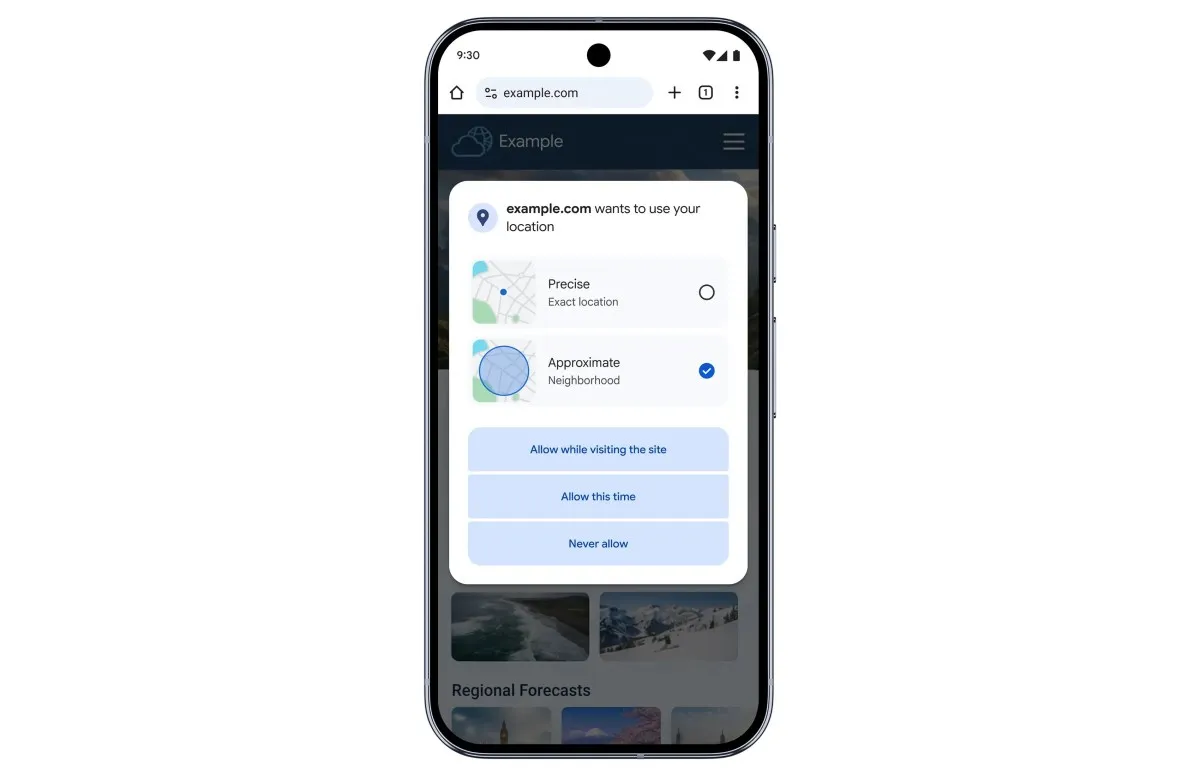
The introduction of the "approximate location" option fundamentally changes this dynamic. When a website now prompts for location permission, users will be presented with two distinct choices: "Share precise location" and "Share approximate location." This granular control allows users to tailor the data they share based on the perceived needs of the website and their personal comfort level. The system intelligently adjusts the location data transmitted, ensuring that only the necessary level of detail is provided, thereby safeguarding user privacy without entirely compromising functionality.
Understanding the Technical Distinction: Precision vs. Approximation
The core difference between precise and approximate location sharing lies in the underlying technologies and the resulting data output. Precise location typically leverages a combination of Global Positioning System (GPS) receivers, Wi-Fi triangulation, and cellular network triangulation. These methods work in concert to determine a user’s geographical coordinates with a high degree of accuracy, often down to a few meters. This is the kind of data that is essential for applications like navigation, ride-sharing services, and precise delivery address verification.
In contrast, approximate location sharing relies on less granular data points. While the exact methodology can vary, it commonly utilizes information derived from the user’s IP address or broader cellular network data. An IP address, for example, can provide an indication of the general region or city a user is connected from, but not their specific street address. Similarly, cellular network data might offer a wider geographical area of coverage. The outcome is a less exact geographical representation, often indicating a general area rather than a specific point. This level of data is sufficient for many common web functions, such as displaying localized news, suggesting nearby businesses, or tailoring advertisements to a broader demographic.
Google’s rationale behind this feature is rooted in its commitment to enhancing user privacy and agency. By providing users with more explicit control over their location data, the company aims to foster a more transparent and trustworthy online environment. This move aligns with a broader industry trend towards greater data protection, driven by evolving user expectations and increasing regulatory scrutiny worldwide. The ability to share an approximate location acknowledges that not all online interactions require intimate geographical knowledge and that users should have the power to decide what level of detail they are comfortable disclosing.
However, it is crucial to note that the "precise location" option remains available. This ensures that users can still leverage the full capabilities of location-aware services when necessary. For instance, when a user needs to set a delivery address for an online purchase or use a mapping application for turn-by-turn directions, they can still opt for precise location sharing. The feature is designed to offer flexibility, not to restrict functionality.
Historical Context and the Evolution of Location Privacy
The journey towards more nuanced location sharing has been a gradual one. Early web applications that utilized location services often operated with a simpler, less privacy-conscious model. As mobile devices became ubiquitous and location-tracking technologies advanced, concerns about data privacy escalated. High-profile data breaches and revelations about how user data is collected and utilized by various entities have fueled public demand for greater transparency and control.
The introduction of location permissions on mobile operating systems, such as iOS and Android, marked a significant step forward. These permissions allowed users to grant or deny access to their location data on a per-app basis. However, within the browser environment, the granularity of control often lagged behind native applications. Websites running within the browser could still access precise location data if granted permission, with limited options for users to specify a less intrusive level of sharing.
Google’s decision to implement approximate location sharing in Chrome for Android is a response to this evolving landscape. It signifies a recognition that user privacy preferences are not monolithic and that a one-size-fits-all approach to location data is no longer adequate. This development can be seen as a natural progression in the ongoing effort to balance the utility of location-based services with the fundamental right to privacy.
Rollout and Future Expansion
The approximate location sharing feature has commenced a phased rollout to Android users. This gradual deployment allows Google to monitor performance, gather user feedback, and address any potential issues before a full global release. While the initial focus is on Chrome for Android, Google has indicated plans to extend this functionality to the desktop version of Chrome in the coming months. This broader implementation will ensure that users across different platforms benefit from enhanced privacy controls when browsing the web.
The timeline for the desktop rollout remains somewhat fluid, with Google suggesting it will occur "in the next few months." This suggests that engineering teams are still refining the feature for the desktop environment, which may involve different technical considerations and user interface designs compared to the mobile version. The anticipation for this desktop expansion is likely to be high, as many users who value privacy on their mobile devices will want similar protections when browsing on their computers.
Broader Implications for the Digital Ecosystem
The introduction of approximate location sharing by a browser as dominant as Chrome has significant implications for the wider digital ecosystem.
-
Increased User Empowerment: Users are increasingly aware of their digital footprint and are demanding more control over their personal data. Features like approximate location sharing directly respond to this demand, empowering individuals to make informed choices about what information they share online. This could lead to greater trust in web services and browsers that prioritize user privacy.
-
Impact on Advertising and Analytics: Location data is a valuable commodity for advertisers and analytics companies. Precise location data allows for highly targeted advertising and detailed demographic analysis. The widespread adoption of approximate location sharing could necessitate a shift in how these industries operate. Advertisers may need to rely more on broader demographic targeting or contextual advertising, while analytics firms might need to develop new methodologies that do not depend on granular location data.
-
Competitive Landscape: As a major player, Google’s move could pressure other browser developers to implement similar features. This could lead to a more privacy-conscious browser market, where enhanced location controls become a standard offering rather than a niche feature. Competitors who are slower to adapt may find themselves at a disadvantage in attracting privacy-conscious users.
-
Regulatory Influence: This development aligns with the spirit of data protection regulations like the GDPR in Europe and the CCPA in California. By proactively offering more granular privacy controls, Google is demonstrating a commitment to user privacy that could influence future regulatory frameworks and industry best practices.
-
Potential for Workarounds and Evasion: While this feature enhances privacy, it’s also possible that sophisticated actors or websites might seek ways to infer precise locations even from approximate data, or to pressure users into granting precise location access. The ongoing cat-and-mouse game between privacy-enhancing technologies and data exploitation is likely to continue.
Official Statements and User Reactions
Google’s announcement of this feature has been met with generally positive reactions from privacy advocates and tech commentators. While specific public statements from third-party organizations directly commenting on this particular Chrome update are still emerging, the general sentiment reflects an appreciation for Google’s ongoing efforts to bolster user privacy. Such features are often cited as examples of responsible technology development.
User reactions, as observed in online forums and social media discussions following similar privacy-related updates from Google, tend to be bifurcated. A significant portion of users expresses gratitude for increased control and a reduction in perceived surveillance. Many welcome the ability to use location-based services without the constant worry of oversharing.
However, there are also users who may find the new options confusing or who might not fully grasp the implications of sharing approximate versus precise location. Education and clear communication from Google will be crucial to ensure that users can effectively utilize this new feature. The question posed by the original source, "What do you think about this feature? Or is it a feature you’ve been waiting for a long time?", reflects the common sentiment among users who are actively seeking out such privacy-enhancing tools.
Conclusion
The introduction of approximate location sharing in Chrome for Android represents a significant step forward in user privacy. By providing a more nuanced option for location data sharing, Google is empowering users with greater control over their digital footprint. This feature not only addresses contemporary privacy concerns but also sets a precedent for how web browsers and online services can better balance functionality with the fundamental right to privacy. As this feature expands to desktop platforms, it is poised to reshape user expectations and influence the broader digital landscape towards a more privacy-centric future. The ongoing evolution of these technologies underscores the dynamic interplay between innovation, user demand, and the ever-present imperative to protect personal information in the digital age.