Nila Kartika Wati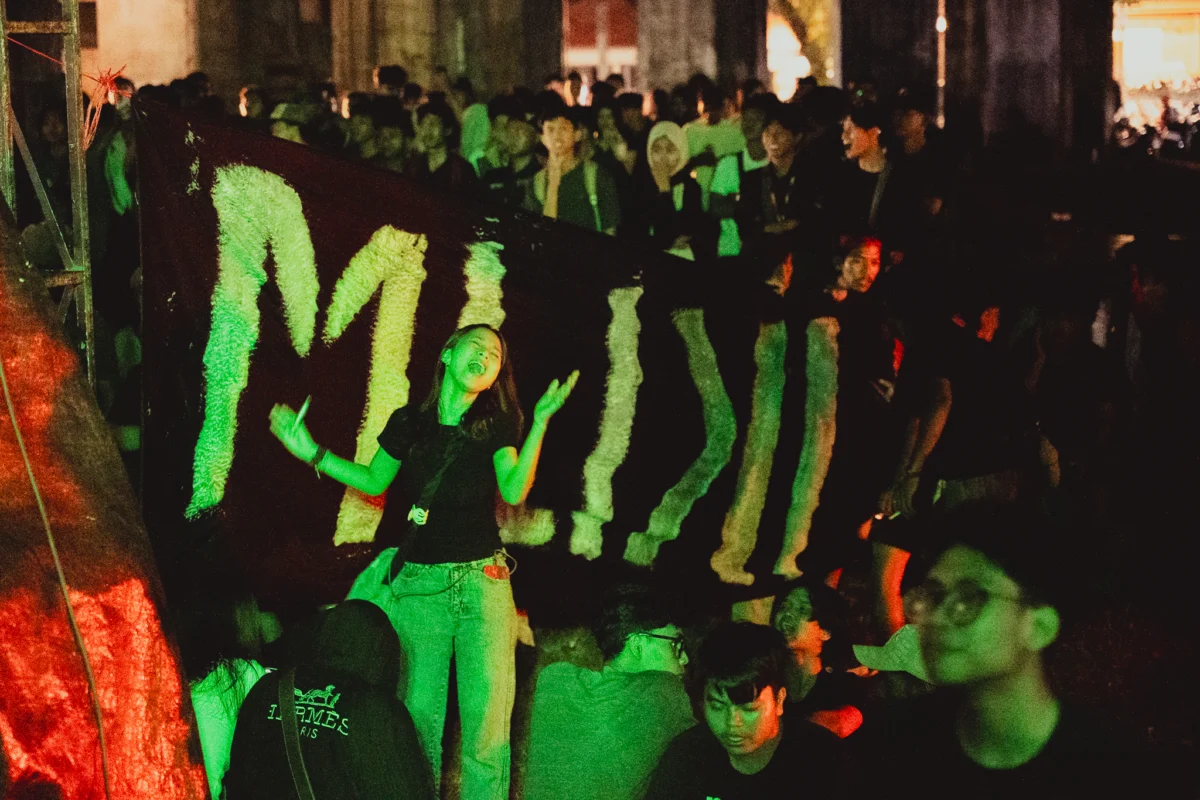
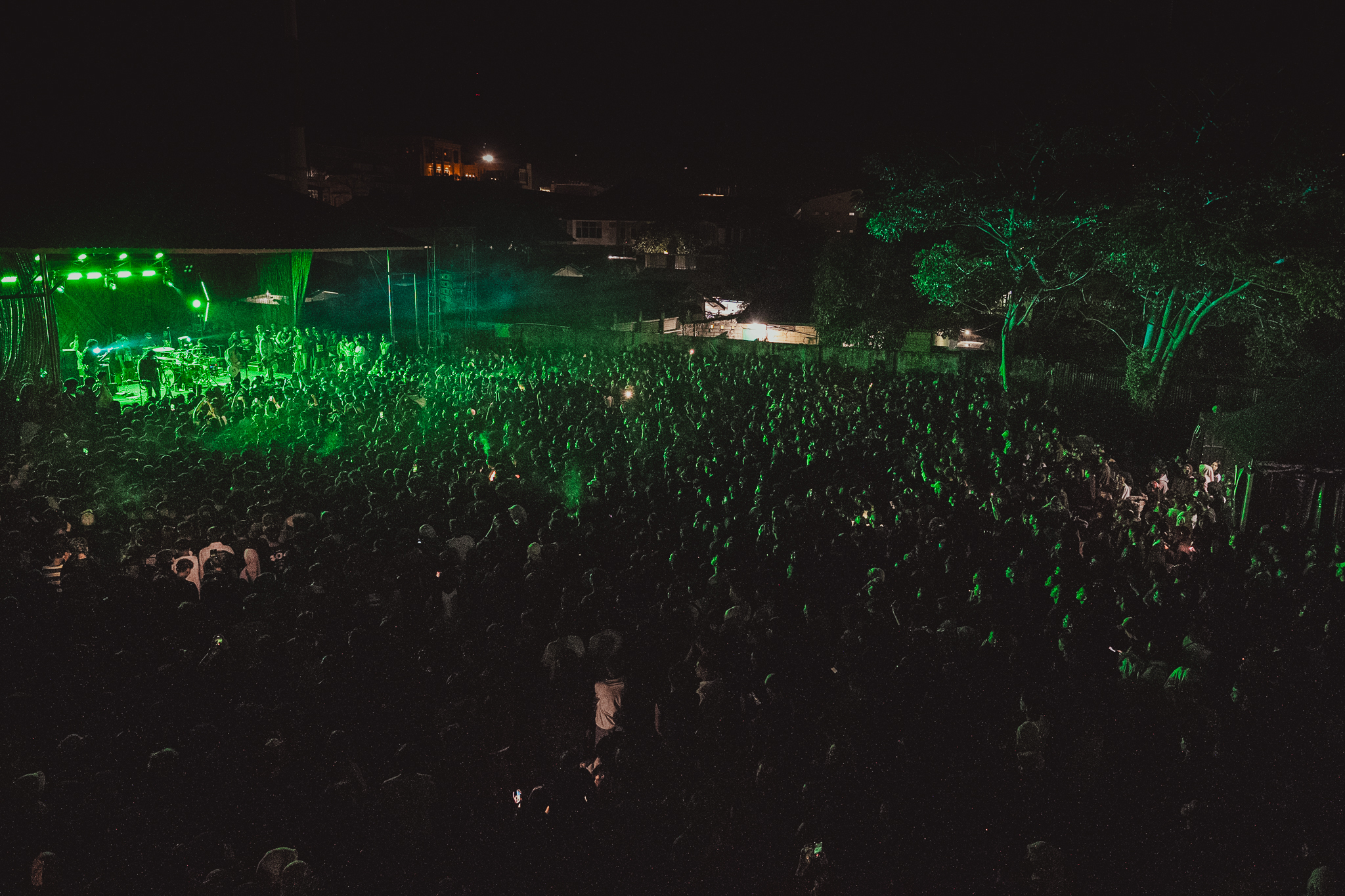
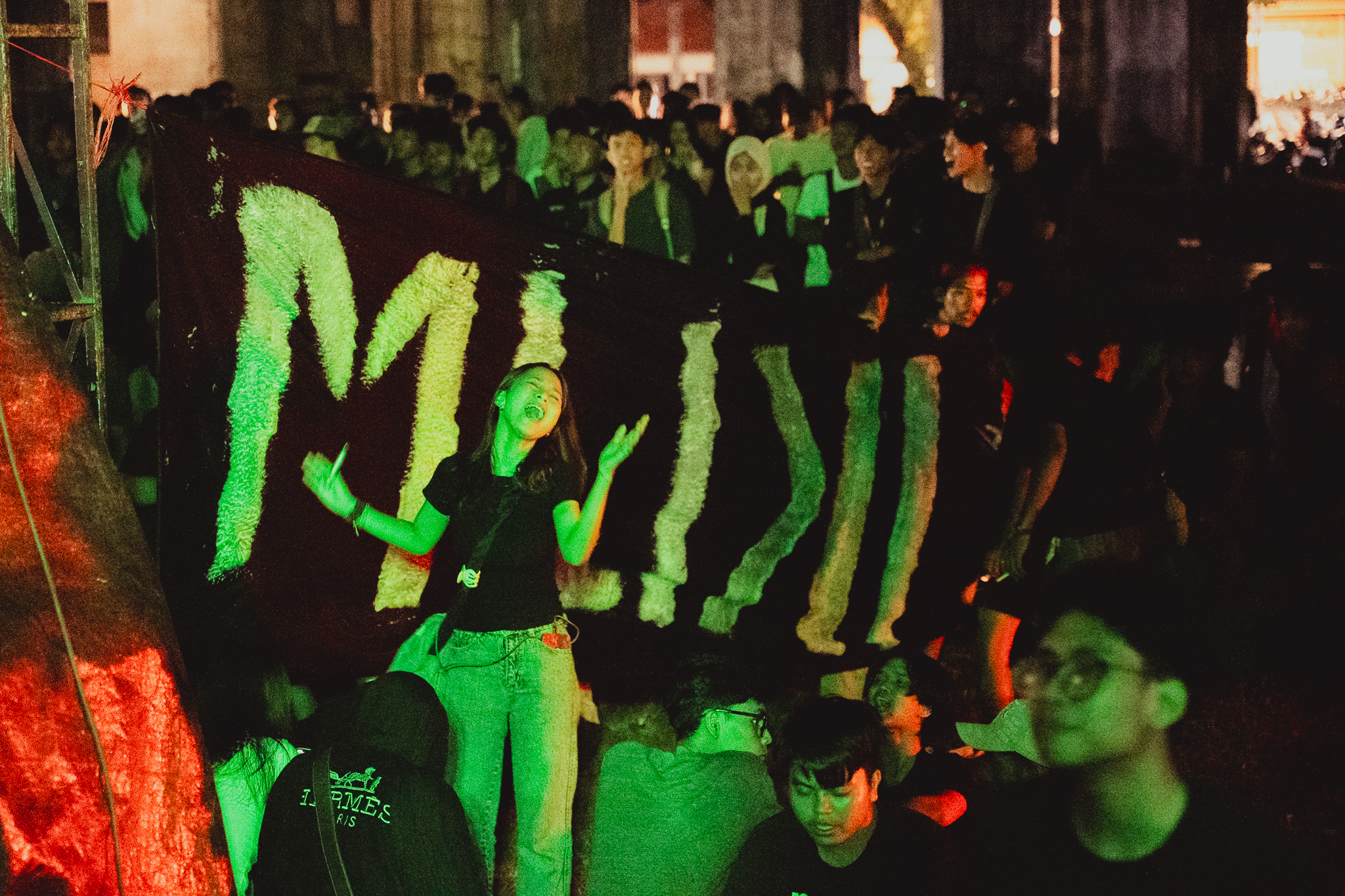
The open field of the West Sumatra Cultural Park in Padang became a dense sea of thousands of young people on the evening of Saturday, April 18, 2026, as the rhythmic roar of drums and distorted guitar riffs signaled a convergence of art and social resistance. Organized by the Padang Legal Aid Institute (LBH Padang), the second volume of Climate Fest saw an estimated 5,000 attendees gather not merely for entertainment, but to participate in what organizers described as a "people’s political space" aimed at addressing the escalating climate crisis and human rights violations in the region. The atmosphere was intentionally intimate; organizers opted not to install security barricades between the stage and the audience, fostering a sense of communal responsibility and direct connection between the performers and the public.
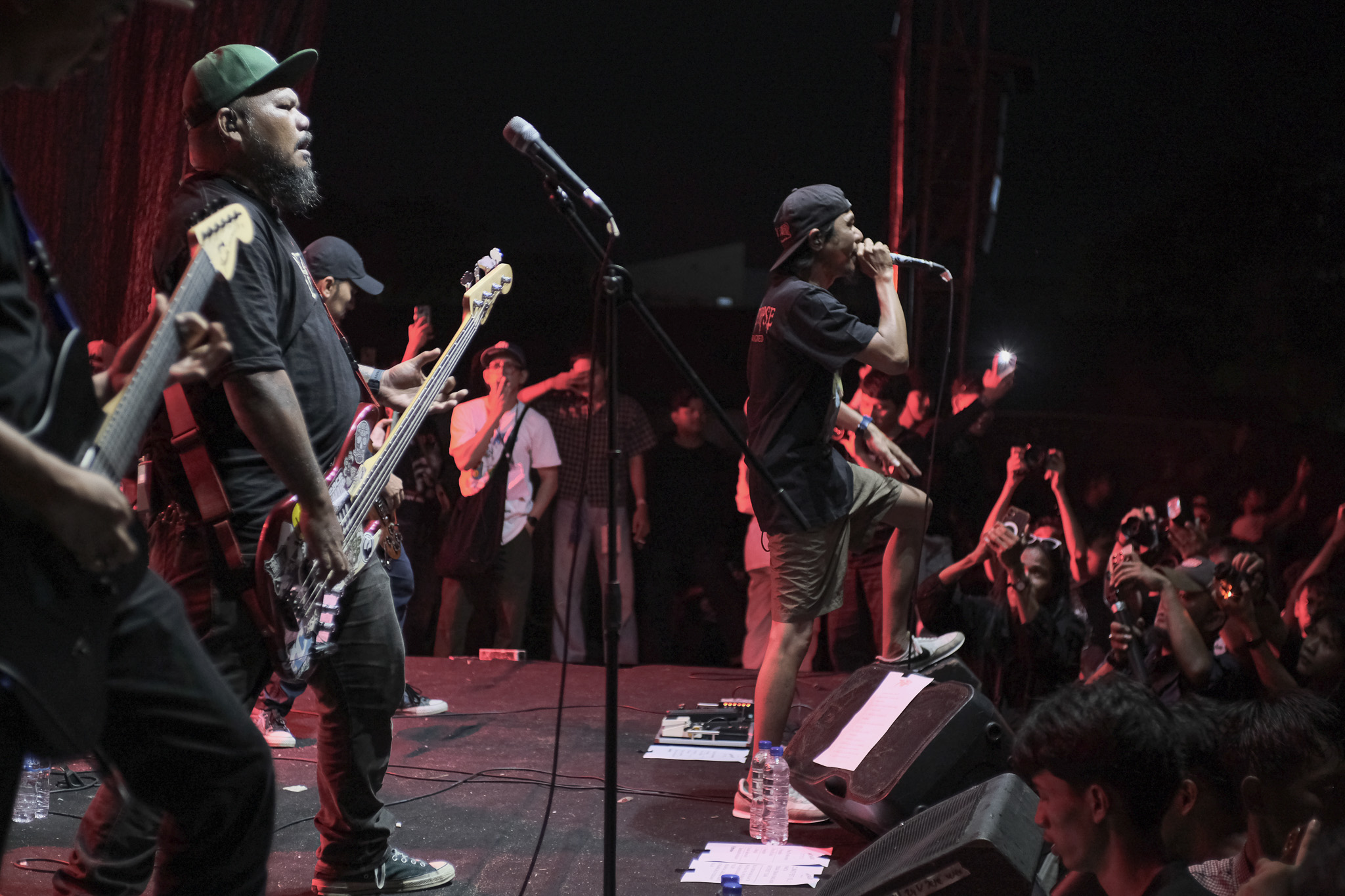
The evening reached a high point when the Padang-based hardcore band Ghostbuster took the stage, their performance cutting through the night air with aggressive energy and poignant lyricism. One of their standout tracks, "Pion di Udara" (Pawns in the Air) from the album Insulin Adrenalin, served as a tribute to Indonesia’s fallen human rights defenders, including the murdered activist Munir Said Thalib and the disappeared poet Widji Thukul. Through their performance, Ghostbuster bridged the gap between historical human rights struggles and contemporary environmental activism, suggesting that the fight for the earth is inseparable from the fight for fundamental civil liberties.
A Sonic Front Against Ecological Degradation
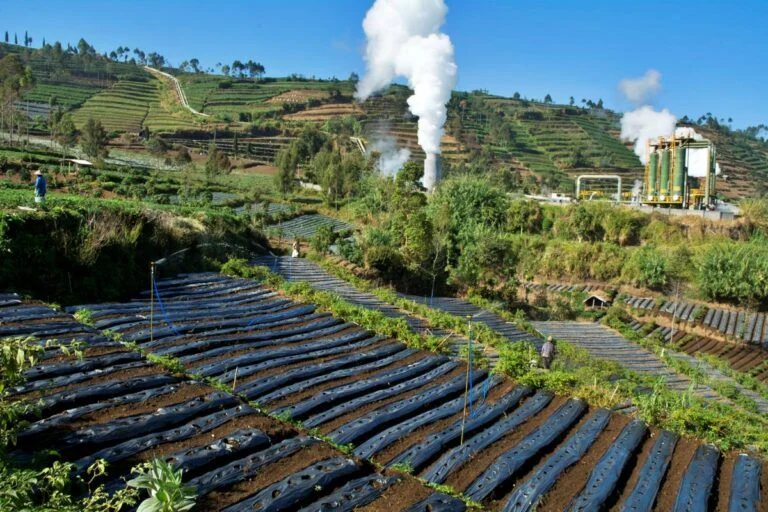
The festival, themed "Voice of the Earth," utilized music as a primary vehicle for public education and mobilization. Among the most influential performers was Lintang Utara, an indie folk band from Padang known for their long-standing commitment to social and environmental issues. Their set focused heavily on the local struggle against the Geothermal Power Plant (PLTP) project at Mount Talang. The band’s lyrics, such as those in the song "Talang Melawan" (Talang Resists), explicitly call for the protection of ancestral lands, rice fields, and farms from large-scale industrial intervention.
Madrid, the vocalist for Lintang Utara and an alumnus of the State University of Padang (UNP), emphasized that creative spaces must be utilized to highlight urgent issues that are often sidelined in mainstream discourse. He pointed to the recent acid attack on activist Andri Yunus as a chilling reminder of the risks faced by those who speak out against environmental exploitation. For Lintang Utara, songs like "Lestari," "Merdeka di Desa," and "Bebas Suara" are not just melodies but documentations of grassroots resistance. The band argues that the transition to "clean energy" must not come at the cost of local livelihoods or ecological integrity.
The participation of The Jansen, a punk rock outfit from Bogor, West Java, further underscored the national significance of the event. Bassist Adji Pamungkas noted that musicians have a unique responsibility to channel social anxiety into collective action. He remarked that while not every song needs to be an explicit protest anthem, the act of participating in and supporting festivals that amplify environmental concerns is a vital form of participation. The presence of national acts alongside local groups like Kevin Cotok, Razem The Venyamin, Western Tiger, Tardub, Jordansson, and Voudgrip created a unified front of cultural workers demanding systemic change.
The Chronology and Purpose of Climate Fest
Climate Fest Vol. 2 was designed as a three-day multidisciplinary event, combining musical performances with educational workshops, public dialogues, and cultural exhibitions. LBH Padang envisioned the festival as a response to the "multidimensional crisis" currently gripping West Sumatra and the wider Indonesian archipelago. According to Diki Rafiqi, the Director of LBH Padang, the event serves three primary functions: a space for the people’s politics, a medium for public education, and a platform for creative expression.
The festival’s timeline was structured to move from awareness to action. The first two days featured discussions involving academics, local communities directly impacted by environmental projects, and policy advocates. These dialogues focused on the nuances of the energy transition, specifically how "green" projects can sometimes mirror the exploitative patterns of the fossil fuel industry if they are managed through a top-down, centralized approach. The final day, highlighted by the concert at the Cultural Park, served as a massive public declaration of these shared concerns.
LBH Padang reported that the festival was born out of a necessity to reclaim the narrative surrounding the climate crisis. In many official circles, climate change is discussed as a purely scientific or atmospheric phenomenon. However, for the farmers, indigenous groups, and fishermen of West Sumatra, the crisis is experienced as a series of tangible threats: increased frequency of flash floods, landslides, and prolonged droughts that disrupt traditional agricultural cycles.
Supporting Data: West Sumatra’s Environmental Crisis
The urgency of the festival is supported by alarming ecological data. Recent reports indicate that West Sumatra is losing forest cover at an average rate of roughly 40 football fields per day. This rapid deforestation is driven by a combination of illegal logging, expansion of monoculture plantations, and large-scale infrastructure projects. This loss of natural buffers has directly contributed to the province’s vulnerability to natural disasters.
In the context of the energy transition, West Sumatra has become a focal point for geothermal development. While geothermal energy is categorized as a renewable resource, the implementation of these projects in Indonesia has frequently led to agrarian conflicts. At Mount Talang, local communities have expressed fears that the drilling and infrastructure required for the power plant will contaminate water sources and destabilize the volcanic terrain, threatening the safety of thousands of residents. LBH Padang argues that when such projects are executed without transparency or the free, prior, and informed consent of the local population, they constitute a "new form of injustice" rather than a solution to the climate crisis.
Official Responses and Strategic Implications
During the festival, LBH Padang and its allies called for a shift toward a "Just Energy Transition." This framework demands that the shift away from coal and oil must be inclusive, transparent, and respectful of land rights. Diki Rafiqi stated that many current projects, though labeled as "clean energy," are still rooted in an extractive model that views nature as a mere commodity.

"We assess that the current situation is a consequence of a development model that places nature as an object of exploitation rather than a living space that must be protected," Rafiqi noted during his address to the festival attendees. He further criticized the lack of public participation in policy-making, which he claimed has narrowed the living spaces available to marginalized communities.
While local government officials have historically defended energy projects as essential for regional economic growth and national energy security, the sheer scale of the turnout at Climate Fest Vol. 2 suggests a growing rift between official policy and public sentiment. The festival successfully mobilized a demographic—Gen Z and Millennials—that is increasingly anxious about its future in a warming world. By linking global climate goals with local land struggles, LBH Padang has effectively broadened the base of environmental activism in the region.
Broader Impact and the Role of Creative Activism
The success of Climate Fest Vol. 2 demonstrates the potency of "artivism"—the intersection of art and activism—in Indonesia. By using the West Sumatra Cultural Park, a site traditionally reserved for the preservation of Minangkabau heritage, the organizers signaled that environmental protection is now an integral part of modern cultural identity. The festival provided a platform for affected communities, such as the residents of Talang, to share their stories directly with a large urban audience, breaking the isolation that often plagues rural land defenders.
The implications of the festival extend beyond the borders of West Sumatra. As Indonesia seeks to meet its commitments under the Paris Agreement and navigate the Just Energy Transition Partnership (JETP), the events in Padang serve as a warning to policymakers and international investors. The message from the "Voice of the Earth" is clear: any transition that ignores social justice, bypasses local consent, or results in the displacement of communities will face significant grassroots opposition.
As the final notes of the festival faded, the organizers expressed hope that the energy generated at the Cultural Park would translate into sustained advocacy. LBH Padang intends to continue its legal and social monitoring of extractive projects, using the momentum from the festival to push for more democratic environmental governance. In an era where the climate crisis often feels overwhelming and abstract, Climate Fest Vol. 2 provided a tangible example of how music, community, and clear-eyed political demand can combine to create a formidable force for change. The "sea of youth" that filled the park that Saturday night represented not just a demographic, but a rising political constituency that views the protection of the earth as the defining struggle of their generation.