Nila Kartika Wati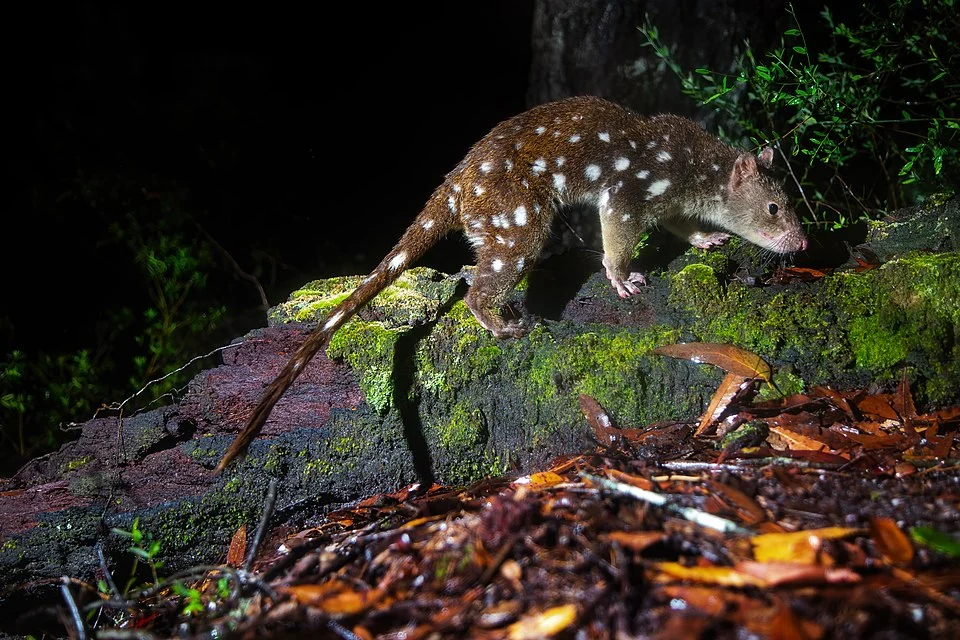
The Indonesian provinces across the Land of Papua represent one of the world’s final frontiers of pristine biodiversity, harboring a biological treasury that remains unparalleled in its uniqueness and ecological significance. Within these dense, ancient rainforests, the evolutionary history of the Sahul Shelf has produced a suite of endemic mammals that bridge the gap between prehistoric lineages and modern ecosystems. From the sacred, egg-laying long-beaked echidnas to the arboreal tree kangaroos and the elusive carnivorous quolls, Papua’s fauna serves as the "engine room" of the tropical rainforest. However, as the global demand for palm oil, timber, and food security intensifies, these biological architects face an existential crisis driven by massive land conversion projects and a burgeoning illegal wildlife trade.
The Evolutionary Marvels of the Sahul Shelf
Papua’s biological identity is defined by its deep connection to the Australian continent, separated from the rest of the Indonesian archipelago by the Wallace Line. This isolation has fostered the development of species found nowhere else on Earth. Among the most significant are the monotremes, or egg-laying mammals. The Western long-beaked echidna (Zaglossus bruijnii), listed as Critically Endangered by the IUCN, is a primary example of this ancient lineage. To many indigenous Papuan communities, the echidna is more than a biological specimen; it is a sacred entity, often featured in creation myths and protected by traditional taboos.
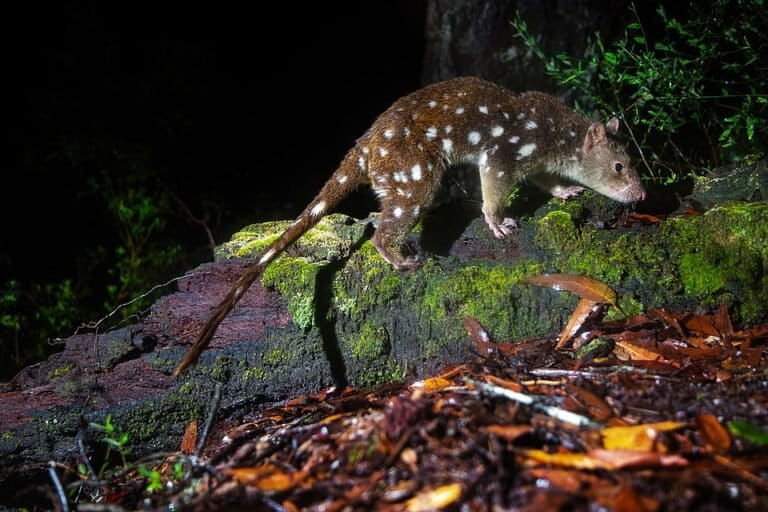
Accompanying the echidna are the marsupials, which have filled ecological niches usually occupied by primates or placental carnivores elsewhere. The tree kangaroo (Dendrolagus), a flagship species for New Guinean conservation, represents a remarkable evolutionary shift where terrestrial ancestors moved back into the canopy. Meanwhile, the quoll—a small, spotted carnivorous marsupial—acts as a vital predator, maintaining the balance of insect and small vertebrate populations. Other lesser-known but equally vital species include the "pig-footed" bandicoots and various species of endemic rodents that serve as the primary tillers of the forest floor.
Architects of the Rainforest: The Ecological Role of Endemic Fauna
The survival of Papua’s rainforests is inextricably linked to the daily activities of its endemic mammals. Ecologists often refer to these animals as "forest farmers" or "ecosystem engineers." Their roles are multifaceted and essential for the regeneration of the forest canopy.
Tree kangaroos, through their foraging habits, facilitate seed dispersal across vast distances of high-altitude forest. By consuming fruits and traversing the canopy, they ensure that the genetic diversity of the flora remains robust. On the forest floor, echidnas and bandicoots perform the critical task of soil aeration. As they forage for invertebrates, tubers, and fungi, they disturb the leaf litter and topsoil, allowing nutrients to cycle more efficiently and creating niches for new seedlings to take root.
The loss of these species would trigger a "trophic cascade," a phenomenon where the disappearance of key animals leads to the gradual degradation of the entire ecosystem. Without these natural tillers and seed dispersers, the forest’s ability to sequester carbon and provide clean water to indigenous communities would be significantly compromised.
The Industrial Frontier: Palm Oil and Food Estates
The primary threat to this delicate balance is the rapid expansion of industrial-scale agriculture. Over the last two decades, Papua has become the new target for the palm oil industry as land in Sumatra and Kalimantan becomes increasingly scarce. According to satellite data and environmental reports from organizations like Greenpeace and Walhi, hundreds of thousands of hectares of primary forest have been earmarked for conversion.
The Merauke Integrated Food and Energy Estate (MIFEE) and its subsequent iterations represent the most ambitious of these projects. Originally launched to bolster national food security, these "Food Estates" involve the conversion of vast swaths of savanna and forest into monoculture plantations for rice, sugarcane, and corn. While government officials argue that these projects are essential for economic development and regional autonomy, conservationists warn that they are being carved out of the heart of endemic species’ habitats.
The chronology of this expansion shows a worrying trend. In the early 2010s, the focus was primarily on timber extraction. By 2018, the emphasis shifted toward large-scale palm oil concessions. Most recently, under the guise of "strategic national projects," environmental impact assessments (AMDAL) have frequently been streamlined, reducing the window for indigenous communities and scientists to voice concerns about habitat fragmentation.
The Shadow Market: Illegal Wildlife Trafficking
While habitat loss destroys the "home" of Papua’s wildlife, illegal trafficking removes the inhabitants themselves. Papua has become a significant hub for the global black market in exotic pets and traditional medicine. The unique appearance of the quoll, the rarity of the echidna, and the vibrant plumage of the birds of paradise make them high-value targets for international smuggling rings.
Trafficking routes typically originate in remote villages, where local hunters—often driven by economic desperation—collect animals for middlemen. These animals are then moved through major ports such as Sorong, Manokwari, and Jayapura, hidden in shipments of timber or smuggled aboard commercial vessels. From there, they enter the international market through hubs in Southeast Asia, eventually reaching collectors in Europe, the Middle East, and North America.
Law enforcement agencies, including the Gakkum (Law Enforcement) wing of the Ministry of Environment and Forestry, have increased their presence, but the vast and rugged terrain of Papua makes policing nearly impossible. In 2023, several high-profile seizures at Indonesian ports highlighted the scale of the problem, with hundreds of endemic reptiles and mammals found cramped in plastic crates, many of them dead or near death due to stress and dehydration.
Cultural Significance and Indigenous Guardianship
The fight to save Papua’s wildlife is not merely a scientific or bureaucratic endeavor; it is deeply rooted in the cultural identity of the Papuan people. For centuries, indigenous tribes have practiced Sasi, a traditional form of resource management that involves temporary bans on hunting or harvesting specific species to allow populations to recover.
In many regions, the echidna and the tree kangaroo are considered "totem" animals. Indigenous leaders have argued that the destruction of the forest is synonymous with the destruction of their ancestry. "When the forest dies, the Papuan person dies," is a common sentiment among the Moi, Arfak, and Marind-Anim peoples.
The integration of traditional ecological knowledge (TEK) with modern conservation science is increasingly seen as the only viable path forward. Projects that empower local communities to act as forest rangers and provide alternative livelihoods—such as eco-tourism or sustainable non-timber forest product harvesting—have shown success in localized areas like the Nimbokrang bird-watching sites and the Arfak Mountains.
Analysis of Implications: A Global Climate Perspective
The stakes of Papua’s conservation extend far beyond the borders of Indonesia. The New Guinea rainforest is the third-largest tropical forest on the planet. Its role in global climate regulation is profound, acting as a massive carbon sink that offsets global greenhouse gas emissions.
The conversion of these forests into palm oil plantations or rice fields releases immense amounts of stored carbon into the atmosphere. Furthermore, the loss of endemic mammals reduces the forest’s resilience to climate change. As temperatures rise and weather patterns become more erratic, the "forest farmers" are needed more than ever to ensure the ecosystem can adapt and regenerate.
From a policy perspective, the Indonesian government faces a difficult balancing act. The "Omnibus Law" on Job Creation has been criticized by environmentalists for potentially easing land-clearing regulations, while the government maintains that economic growth in the eastern regions is a matter of national equity. However, the long-term economic value of a standing forest—through carbon credits, biodiversity tourism, and ecosystem services—often outweighs the short-term gains of monoculture agriculture.
The Path Forward: Conservation and Policy Reform
To secure the future of Papua’s "sacred" mammals, a multi-pronged approach is required. First, there must be a rigorous enforcement of protected area boundaries and a moratorium on new concessions in primary forests and peatlands. Second, the illegal wildlife trade must be tackled at the source, the transit points, and the destination markets through enhanced international cooperation.
Third, and perhaps most importantly, the rights of indigenous Papuans to manage their ancestral lands must be legally recognized and protected. When communities have secure tenure over their forests, they are the most effective barriers against industrial encroachment and poaching.
The existence of the echidna, the quoll, and the tree kangaroo is a testament to the resilience of nature. However, as the bulldozers move closer and the traps are set, the window of opportunity to protect these ancient lineages is closing. Papua remains the "benteng terakhir" (the last fortress) of Indonesian biodiversity, and its fall would be a loss not just for the nation, but for the biological heritage of the entire world. The survival of these species will ultimately depend on whether the global community and the Indonesian state value a living, breathing ecosystem over the temporary commodities that can be extracted from its ruins.