Tyo Susilo
The smartphone industry is continuously pushing the boundaries of mobile photography, and the latest whispers suggest that Oppo is on the verge of introducing a groundbreaking selfie camera technology. Following Apple’s precedent with its square-ratio front-facing sensor introduced in the iPhone 17 lineup last year, it appears Android manufacturers are now actively exploring similar innovations. Oppo, a prominent player in the smartphone market, is reportedly at the forefront of this emerging trend, with recent leaks indicating the development of a high-resolution, square-format selfie camera sensor.
This potential advancement, if realized, could represent one of the most significant and unique upgrades to smartphone selfie cameras in recent years, moving beyond incremental megapixel increases to fundamentally alter how users capture self-portraits and engage with front-facing video. The implications extend beyond mere image quality, touching upon user experience, content creation, and the evolving role of the smartphone in daily life.
The Genesis of Square-Format Front Cameras: A Response to Evolving User Needs
The journey towards a square-format selfie camera is not entirely out of the blue. For years, smartphone front cameras have predominantly featured rectangular sensors, optimized for the vertical orientation of most smartphone usage. However, the way users interact with their phones has diversified significantly. The rise of short-form video content, the ubiquity of video calls, and the social media landscape’s demand for dynamic framing have highlighted the limitations of traditional rectangular sensors.
Apple’s introduction of a square-ratio front camera on the iPhone 17 series, though subtle in its implementation, acknowledged this shift. While the exact technical specifications and marketing focus surrounding Apple’s sensor were not extensively detailed, the underlying principle was to offer a more versatile capture area. This move by a market leader often serves as a catalyst, inspiring competitors to explore similar avenues.
Oppo’s Reported Innovation: A 100MP 1:1 Sensor
The most compelling evidence for this emerging trend comes from industry insider Digital Chat Station, who has a track record of accurate leaks regarding smartphone technology. The latest report claims that Oppo is currently testing a novel 1:1 aspect ratio selfie sensor with an impressive 100-megapixel resolution. While specific details about the device that will house this new sensor remain undisclosed, the mere prospect of such a component has generated considerable excitement within the tech community.
A 100MP resolution for a front-facing camera is, in itself, a significant leap. Current flagship smartphone front cameras typically range from 12MP to 48MP. This substantial increase in pixel count, when combined with a square sensor, suggests a dual focus on detail and framing flexibility.
Unpacking the Advantages of a 1:1 Aspect Ratio Sensor
The primary advantage of a square (1:1) sensor lies in its inherent flexibility for image capture. Unlike a traditional rectangular sensor that is naturally biased towards a vertical orientation, a 1:1 sensor offers an equidistant capture area in both width and height. This translates to several key benefits for users:
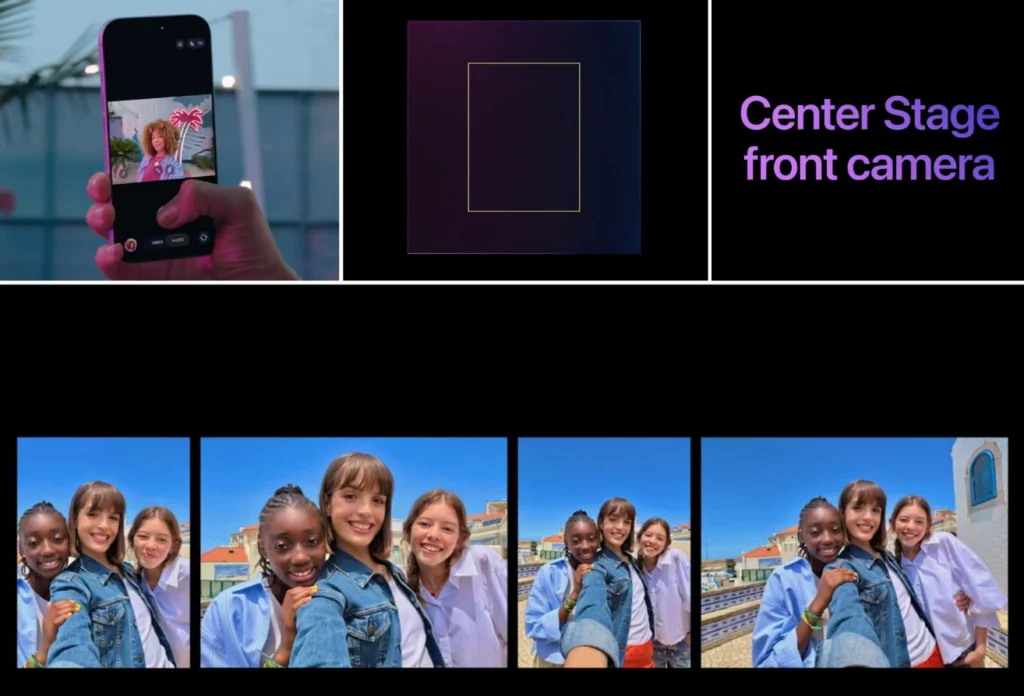
- Enhanced Framing Versatility: Users often find themselves needing to rotate their phones to achieve optimal framing for horizontal content, such as landscape selfies, group photos, or videos. A 1:1 sensor can capture a broader field of view that is equally suitable for both vertical and horizontal compositions without requiring the user to physically reorient the device. This is particularly beneficial when capturing spontaneous moments or when multitasking between different types of content.
- Improved Group Selfies: For group selfies, a square aspect ratio can naturally accommodate more individuals within the frame without the need for excessive stretching or awkward positioning. This can lead to more natural and inclusive group shots.
- Streamlined Video Recording: In an era dominated by video content, a 1:1 sensor simplifies the process of recording. Whether a user intends to post on platforms that favor vertical video (like TikTok or Instagram Reels) or horizontal video (like YouTube), the 1:1 sensor provides a solid starting point, minimizing cropping or distortion when adapting to different platform requirements. This can lead to a more seamless content creation workflow.
- Optimized for Video Calls: Video conferencing has become an integral part of both professional and personal communication. A 1:1 sensor can offer a wider, more balanced field of view during video calls, ensuring that the user and their surroundings are adequately framed without feeling too constrained or having excessive empty space.
The Intersection of Hardware and AI: A Synergistic Future
The potential integration of a 100MP 1:1 sensor with modern Artificial Intelligence (AI) capabilities is where the true innovation may lie. The report specifically highlights how such a sensor would be well-suited to complement advanced AI features, suggesting a synergistic approach to front-facing photography. These potential AI-powered enhancements include:
- Auto Subject Centering: Similar in concept to Apple’s Center Stage feature, AI can intelligently track and keep subjects centered in the frame, regardless of their movement. With a wider and more flexible capture area provided by a 1:1 sensor, this AI feature could become even more sophisticated, allowing for more dynamic and natural subject tracking.
- Adaptive Field of View: AI could dynamically adjust the field of view based on the number of people detected or the intended use case. For instance, it could automatically zoom out for group shots and zoom in for individual portraits, all while maintaining optimal framing.
- Enhanced Live Streaming and Short-Form Content: The demand for high-quality, engaging content on platforms like TikTok, Instagram, and YouTube Shorts is insatiable. A 1:1 sensor, coupled with AI-driven framing and stabilization, could empower creators to produce more professional-looking videos with less effort. This could include features like automatic framing for talking-head videos or dynamic adjustments for on-the-go vlogging.
- Intelligent Cropping and Composition: AI algorithms could analyze the captured 1:1 image and suggest optimal crops for different aspect ratios (e.g., 16:9, 4:3, 9:16) without significant loss of detail or aesthetic appeal. This would provide users with greater post-capture flexibility.
This focus on AI integration underscores a broader industry trend: moving beyond raw hardware specifications to intelligent software that enhances the user experience. The 100MP 1:1 sensor might not just be about capturing more pixels; it’s about capturing them in a way that is smarter, more adaptable, and more aligned with how people actually use their smartphones today.
Comparative Analysis: Oppo vs. Apple
While Oppo’s reported 100MP 1:1 sensor is generating buzz, it’s important to compare it with Apple’s existing implementation. Apple’s iPhone 17 series utilizes a 24MP selfie sensor with a square-like output. The key difference highlighted by the leaks is the significant disparity in resolution. Oppo’s purported 100MP sensor suggests a much higher level of detail capture, which could translate to sharper images, better low-light performance (through pixel binning, where multiple pixels are combined to form a larger, more sensitive pixel), and greater cropping freedom.
Furthermore, Apple’s approach, while innovative, has been relatively understated in its marketing. Oppo, on the other hand, seems poised to make this a more prominent feature, potentially positioning it as a key differentiator for its future devices. This could signal a more aggressive push from Android manufacturers to challenge Apple’s dominance in mobile photography.
Industry Implications and Future Outlook
If Oppo successfully brings its 100MP 1:1 selfie camera to market, it could have several significant implications for the smartphone industry:
- Elevated Competition in Selfie Camera Technology: This move would undoubtedly intensify the race among Android manufacturers to innovate in the selfie camera space. We could see other brands like Samsung, Google, and Xiaomi quickly follow suit with their own unique takes on square-ratio or AI-enhanced front-facing cameras.
- Shifting Design Paradigms: The adoption of square sensors might influence future smartphone designs, potentially impacting the placement and size of the front camera module. While current leaks don’t suggest a departure from standard notches or hole-punch cutouts, future iterations could explore more integrated solutions.
- Empowerment of Content Creators: For mobile content creators, this technology could be a game-changer, offering more creative freedom and professional-grade results without the need for external accessories or complex editing.
- Focus on Practical Utility: The emphasis on AI and framing flexibility suggests a move towards more practical and user-centric features, prioritizing how users actually interact with their cameras over abstract specifications.
While Oppo has yet to issue an official statement confirming the development of this 100MP 1:1 selfie sensor or the specific device it will debut on, the rumors are compelling. The company’s history of innovation in camera technology, particularly with its focus on computational photography and advanced imaging sensors, lends credibility to these reports.
The smartphone camera has evolved from a simple novelty to a primary tool for communication, creativity, and documentation. Innovations like Oppo’s potential 100MP 1:1 selfie camera signal a future where front-facing cameras are not just for vanity shots but are sophisticated imaging systems capable of adapting to a wide range of user needs and creative expressions. As AI continues to play a more pivotal role in smartphone functionality, the synergy between hardware and software will undoubtedly redefine what’s possible in mobile photography, and Oppo appears poised to lead this next wave of innovation. The tech world will be watching closely for official announcements, eager to see if this exciting development materializes into a tangible product that reshapes our selfie-taking experiences.