Tyo Susilo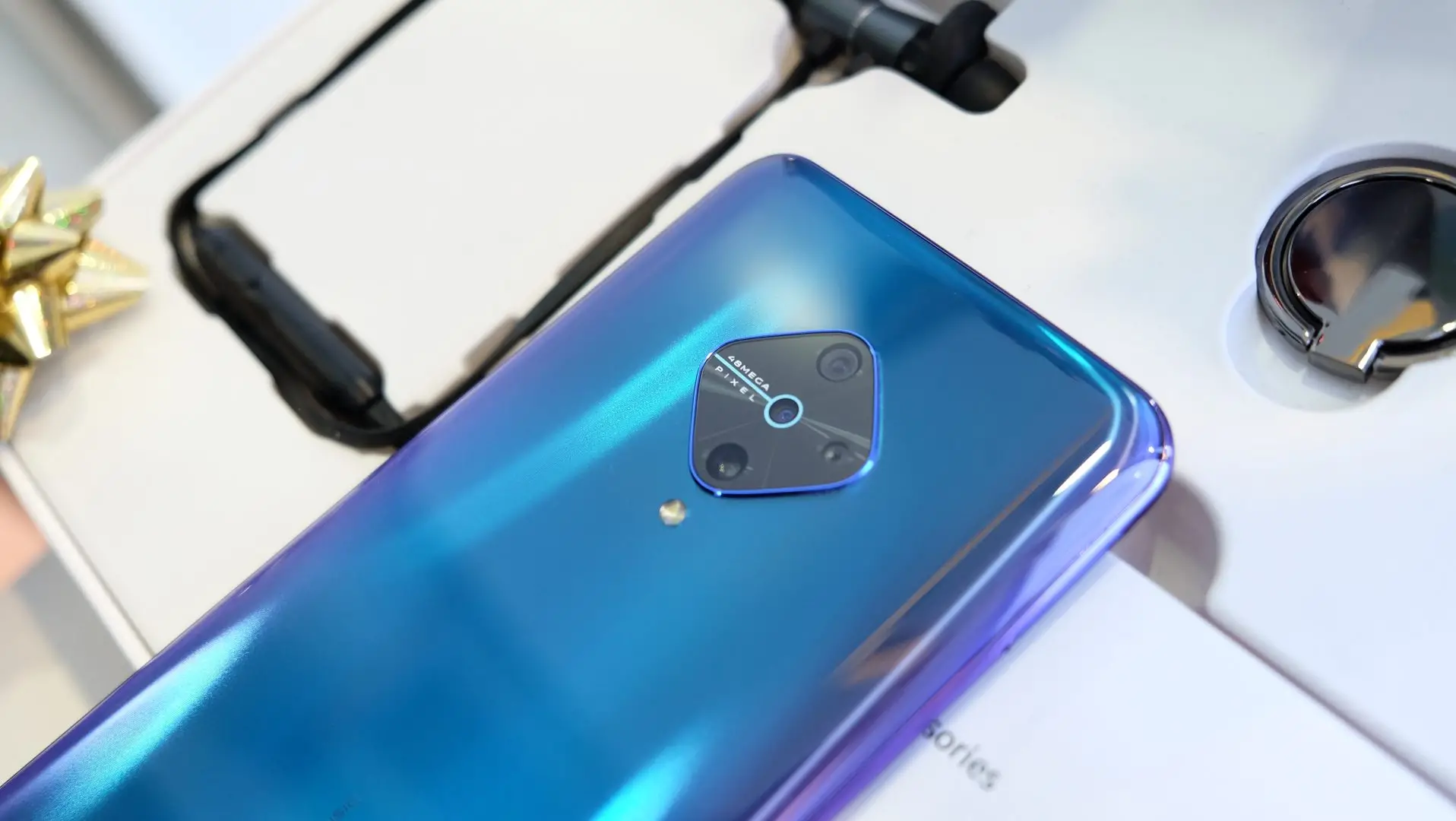
Reports are circulating that vivo is poised to revive its S-series smartphone line, a popular segment that has been absent from the market since 2020 with the release of the vivo S1 Prime. This strategic move signals vivo’s intention to re-enter a crucial segment of the smartphone industry, a market that has seen significant evolution and intensified competition in recent years. The S-series, historically known for its focus on design and camera capabilities, particularly for front-facing photography, holds potential for renewed appeal in today’s selfie-centric culture and the ever-expanding mid-range segment.
A Resurfacing Legacy: The Vivo S-Series Revival
The initial news of the S-series’ return emerged from a tipster on X, formerly Twitter, suggesting that vivo is actively preparing a new generation of devices under the S2 moniker. While details remain scarce, the indication is that this new S2 family will target the mid-range smartphone segment. This particular market stratum has become a battleground for manufacturers, offering consumers a compelling blend of features and affordability. vivo’s decision to re-enter this space after a significant hiatus is a testament to its strategic assessment of current market demands and its confidence in developing competitive offerings.
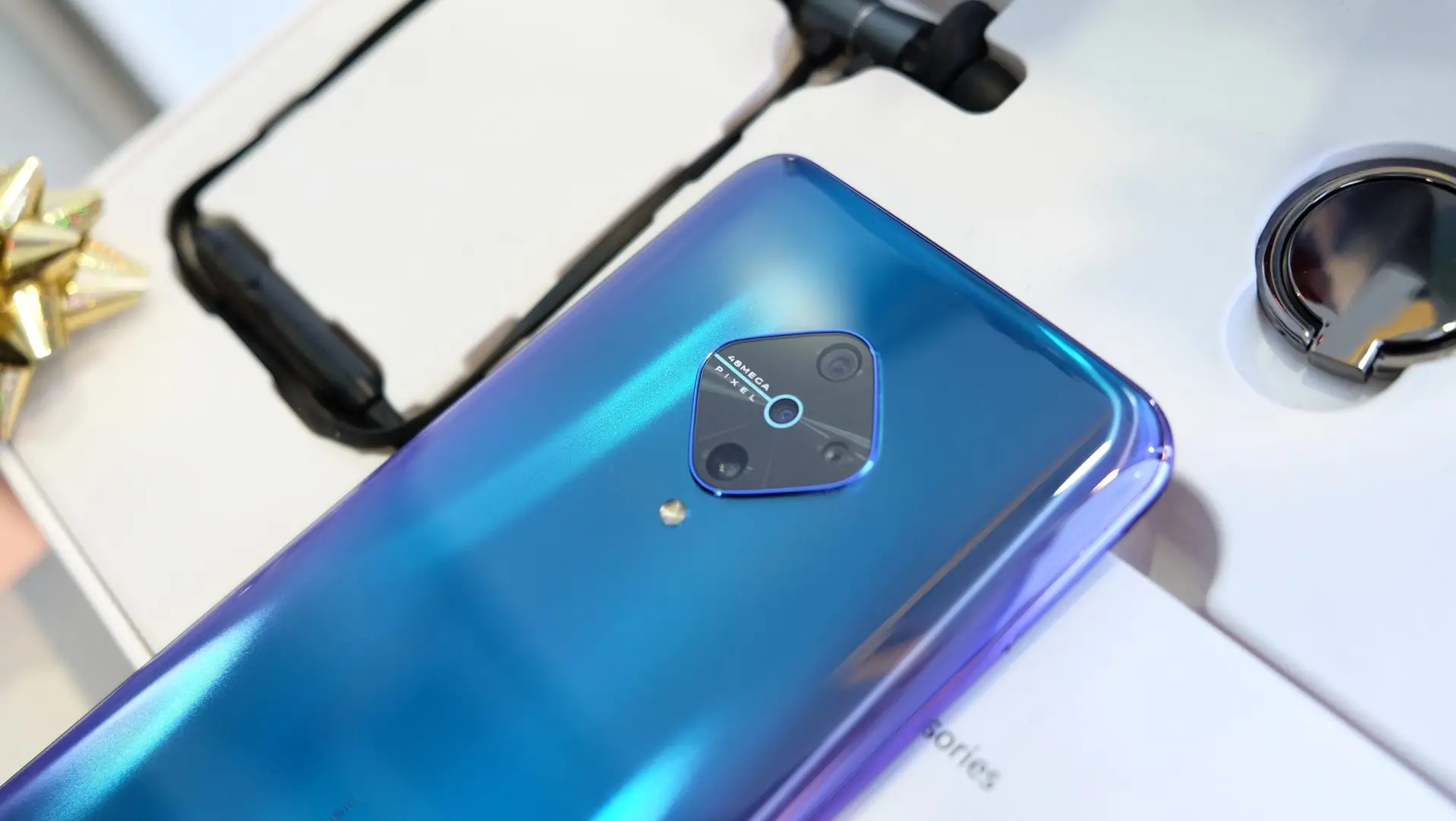
The S-series’ last significant outing was with the vivo S1 Prime in August 2020. Prior to that, the vivo S1 launched in July 2019, making a notable impression with features like an AMOLED display and an in-display fingerprint sensor, functionalities that were considered premium at the time, especially within its price bracket. The S1 Prime, the presumed final chapter of the original S-series, featured a distinctive diamond-shaped camera module, a Snapdragon 665 chipset, 8GB of RAM, and a 48MP main camera. The revival of the S-series, now potentially branded as S2, suggests a significant gap in vivo’s product portfolio that the company aims to fill.
Navigating the Evolving Mid-Range Landscape
The mid-range smartphone market has undergone a dramatic transformation since the S-series’ last active period. What was once a segment characterized by compromises is now a highly competitive arena where manufacturers vie for consumer attention with increasingly sophisticated features. Devices in this category now often boast multi-camera systems, high refresh rate displays, robust battery life, and capable processors, blurring the lines with higher-end devices.
vivo’s re-entry into this segment with the S2 series, if indeed it focuses on the mid-range, could be interpreted as a strategic pivot or a reinforcement of its commitment to providing value-conscious consumers with appealing options. The success of this endeavor will likely hinge on vivo’s ability to differentiate the S2 series from its competitors, which include established players like Samsung’s Galaxy A series, Xiaomi’s Redmi and Poco lines, and Realme’s offerings, all of which have carved out significant market share with feature-rich and competitively priced devices.
Historical Strengths and Potential Future Focus
Historically, the vivo S-series was synonymous with sleek, thin designs, vibrant color options, and a strong emphasis on front-facing cameras. This positioning resonated particularly well during the peak of the selfie trend, making the series a favorite among younger demographics and social media enthusiasts. The resurgence of the S-series could see a return to these core strengths, potentially enhanced with modern advancements in camera technology, such as improved AI processing, wider apertures, and enhanced low-light performance.
The inclusion of features that were once considered premium, like AMOLED displays and in-display fingerprint sensors, in the original S1 model, hints at vivo’s willingness to integrate cutting-edge technology into its mid-range offerings. It is plausible that the S2 series will continue this tradition, potentially incorporating features like faster charging, more advanced display technologies, and improved build materials to stand out in the crowded market.
Geopolitical Market Considerations: A Focus on India
An intriguing aspect of the recent leaks suggests that the vivo S2 series is being specifically prepared for the Indian market. India represents one of the largest and most dynamic smartphone markets globally, characterized by intense price sensitivity and a diverse consumer base. A strategic focus on India for a new product line indicates vivo’s ambition to capture a significant share of this crucial region.
The Indian smartphone market has seen a rapid adoption of 5G technology, and it will be interesting to observe whether the S2 series will be equipped with 5G capabilities. Furthermore, the competitive pricing strategies employed by brands like Xiaomi and Realme in India have set a high bar, and vivo will need to offer a compelling value proposition to succeed. The "Make in India" initiative also plays a significant role, and it’s possible that vivo may leverage local manufacturing capabilities to enhance its competitive edge.
The Significance of the S-Series’ Return
The reintroduction of the S-series is more than just the launch of a new product line; it represents a potential shift in vivo’s overall market strategy. After a period of consolidation and focus on other series like the X (flagship), V (camera-centric mid-range), and Y (budget-friendly), the return of the S-series suggests a desire to broaden its appeal and cater to a specific consumer segment that values aesthetics and user experience alongside performance.
This move could also be a response to the evolving consumer preferences. While raw performance and cutting-edge specifications remain important, there is a growing appreciation for design, build quality, and camera prowess, especially in the mid-range. The S-series, with its historical emphasis on these aspects, is well-positioned to capitalize on this trend.
Analyzing the Implications for the Smartphone Industry
The revival of the vivo S-series has several implications for the broader smartphone industry:
- Increased Competition in the Mid-Range: vivo’s re-entry will undoubtedly intensify competition in the already fierce mid-range segment. This could lead to more aggressive pricing and feature innovation from all players as they fight to retain and gain market share.
- Renewed Focus on Design and Camera: The S-series’ historical strengths could encourage other manufacturers to place a greater emphasis on design aesthetics and front-facing camera capabilities within their mid-range offerings. This could benefit consumers seeking smartphones that are not only functional but also visually appealing and excellent for social media content creation.
- Strategic Market Segmentation: vivo’s potential focus on India for the S2 series highlights the importance of localized strategies in the global smartphone market. Manufacturers are increasingly tailoring their product launches and marketing efforts to specific regional demands and competitive landscapes.
- Innovation in Mid-Range Devices: The pressure to differentiate in the mid-range segment will likely spur further innovation. We could see the adoption of more advanced technologies, previously reserved for flagship devices, trickling down to more affordable price points.
What to Expect Next
While concrete specifications for the vivo S2 series remain under wraps, the renewed interest in the S-series has generated considerable anticipation. Consumers and industry analysts will be closely watching for further leaks and official announcements. Key areas of interest will include:
- Chipset and Performance: The choice of processor will be crucial in determining the S2 series’ performance capabilities and its positioning within the mid-range spectrum.
- Camera Specifications: Given the S-series’ heritage, the front and rear camera setups will be a significant talking point. Expectations will be high for impressive selfie capabilities and versatile main camera performance.
- Battery Life and Charging: In the mid-range segment, battery endurance and fast charging are highly valued by consumers.
- Display Technology: The quality and features of the display, such as refresh rate and resolution, will play a vital role in the overall user experience.
- Design and Build Quality: The aesthetic appeal and premium feel of the devices will be critical for attracting consumers who prioritize design.
The return of the vivo S-series is a significant development in the smartphone landscape. After a period of absence, vivo’s strategic decision to reintroduce this line, potentially with a focus on the competitive mid-range market and specifically targeting India, suggests a well-thought-out plan to capture a broader audience and reinforce its market presence. The coming months will undoubtedly bring more clarity on the S2 series, and its success could redefine expectations for mid-range smartphones.