Tyo Susilo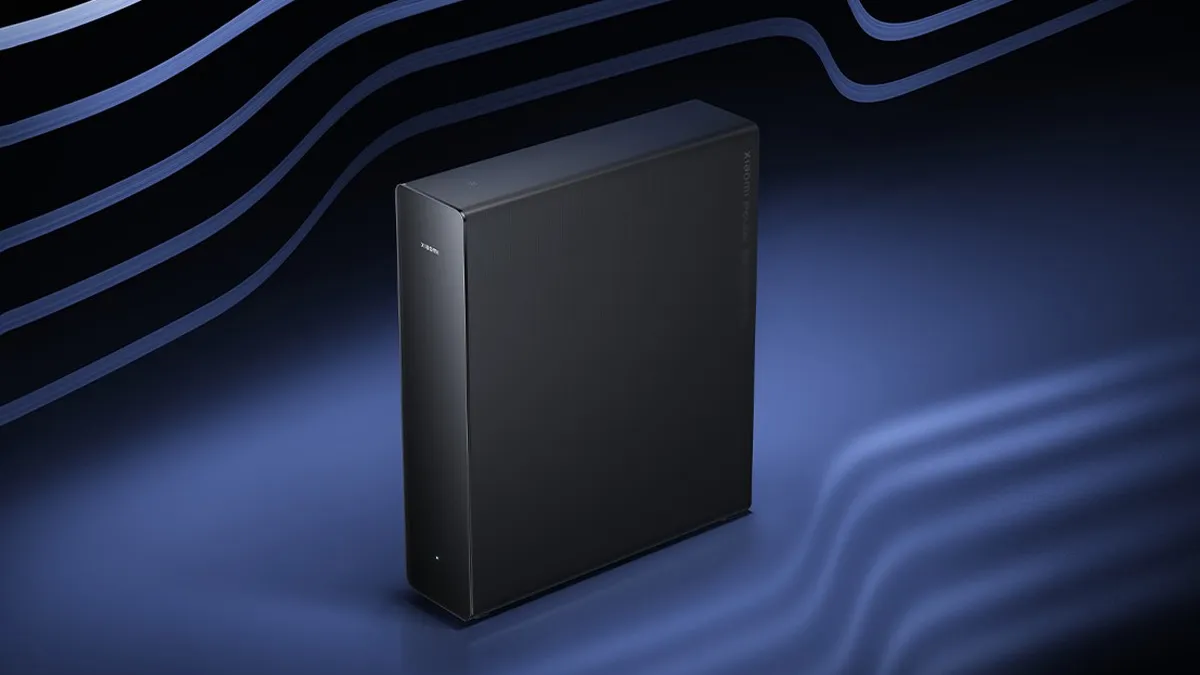
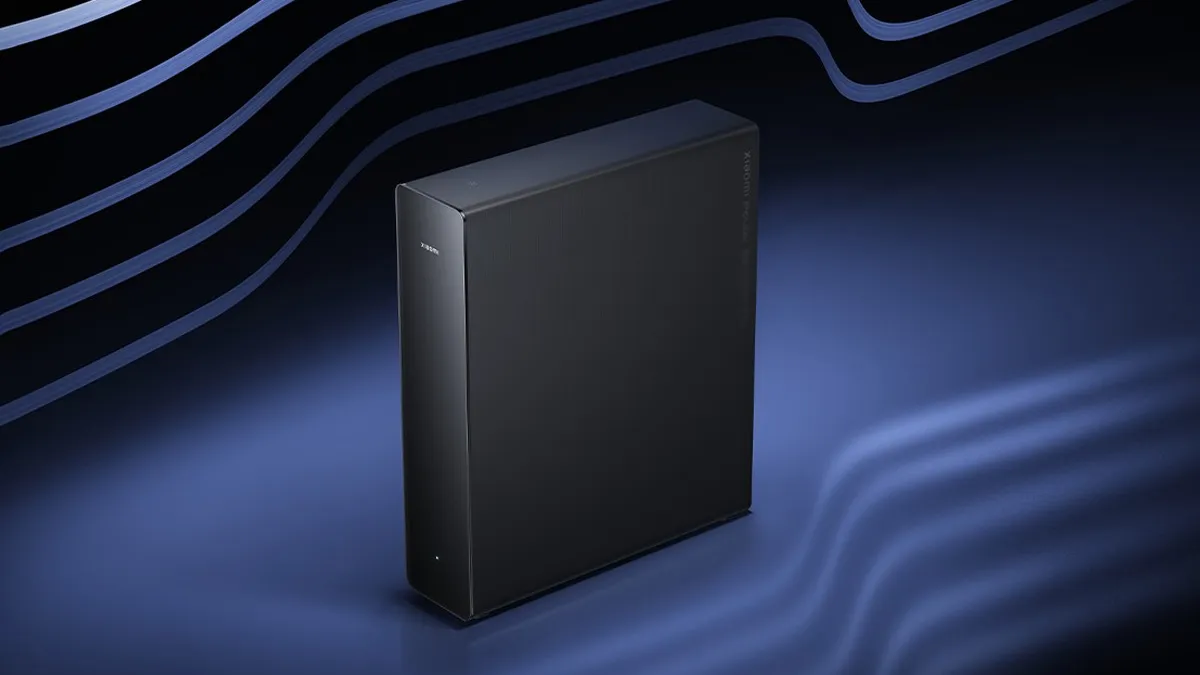
Xiaomi has officially launched its latest Wi-Fi 7 router, the Xiaomi Router BE7200 Pro, in China, positioning it as a more budget-friendly alternative to its previously released BE1900 Pro. Despite its more accessible price point, the BE7200 Pro boasts impressive specifications, including support for speeds of up to 7,200 Mbps and the capacity to connect up to 600 devices simultaneously, signaling a continued push for advanced networking technology in the consumer space.
The introduction of the BE7200 Pro follows a trend of rapid technological advancement in wireless networking. Wi-Fi 7, officially known as IEEE 802.11be Extremely High Throughput (EHT), represents a significant leap forward from its predecessor, Wi-Fi 6/6E. It promises substantially higher speeds, lower latency, and improved reliability, crucial for bandwidth-intensive applications such as high-resolution video streaming, immersive gaming, and the burgeoning Internet of Things (IoT) ecosystem. Xiaomi’s strategic release of a more affordable Wi-Fi 7 option suggests an effort to democratize access to this cutting-edge technology, making it available to a broader segment of consumers in China.
Key Specifications and Performance Capabilities
At its core, the Xiaomi Router BE7200 Pro is engineered to deliver exceptional wireless performance. The router’s headline feature is its support for a combined theoretical wireless speed of up to 7,200 Mbps, primarily achieved through its 5 GHz band. This remarkable throughput is contingent upon the user’s internet service provider (ISP) and their subscribed plan, as well as the capabilities of the connected client devices. However, the inclusion of a 2.4 GHz band ensures backward compatibility with older devices and extends the network’s reach, providing a comprehensive coverage solution for diverse home and small office environments.
Under the hood, the BE7200 Pro is powered by a Qualcomm NPro A7 Wi-Fi chipset, a robust processor designed to handle the demands of Wi-Fi 7 protocols. This is complemented by a substantial 1GB of DRAM, allowing for efficient multitasking and seamless handling of numerous concurrent connections. Furthermore, 512GB of flash storage provides ample space for firmware updates and router configurations. To maintain optimal performance and prevent thermal throttling during sustained heavy loads, particularly when supporting up to 600 connected devices, Xiaomi has integrated a substantial heat dissipation system covering an area of 72,348 mm². This large surface area is crucial for dissipating the heat generated by the powerful internal components.
Enhanced Connectivity and Signal Strength
The router is equipped with eight high-gain antennas, strategically designed to maximize signal coverage and penetration. These antennas are further enhanced by an 8-channel signal booster, which Xiaomi claims enables the BE7200 Pro to maintain strong and stable signal strength even in complex environments with multiple walls and obstructions. This is a critical factor for users in larger homes or apartments where signal degradation can be a significant issue. The improved signal penetration and stability are vital for ensuring a consistent and reliable internet experience across all connected devices, from smartphones and laptops to smart home appliances.
In addition to its wireless prowess, the Xiaomi BE7200 Pro offers robust wired connectivity options. It features a total of five Ethernet ports, each operating at 2.5 GbE speeds. This provides users with the ability to establish high-speed, stable wired connections for demanding devices like desktop computers, gaming consoles, and network-attached storage (NAS) devices, further enhancing the overall network performance and reducing bottlenecks.
Advanced Features and Security
Beyond its core networking capabilities, the Xiaomi BE7200 Pro integrates a suite of advanced features designed to enhance user experience and network security. The inclusion of "child protection" features allows parents to safeguard children from accessing inappropriate online content, a vital consideration in today’s digital landscape. Additionally, the router incorporates anti-hacking measures to bolster network security and protect against unauthorized access and cyber threats.
A particularly noteworthy feature is its functionality as a Bluetooth Mesh Gateway. This capability allows the router to serve as a central hub for a multitude of Bluetooth devices, supporting up to 300 connected Bluetooth devices. This integration streamlines the management of smart home ecosystems that rely on Bluetooth connectivity, offering a unified and efficient control point for various IoT devices.
Market Positioning and Future Implications
Currently, the Xiaomi Router BE7200 Pro is exclusively available in the Chinese market with a retail price of 1,199 yuan, which translates to approximately $165 USD or around Rp3 million. This pricing strategy positions it as a compelling option for consumers seeking the benefits of Wi-Fi 7 without the premium cost often associated with early adoption of new networking standards.
The release of such a feature-rich and relatively affordable Wi-Fi 7 router by Xiaomi has significant implications for the broader consumer electronics market. It signals a clear intention from major manufacturers to accelerate the adoption of Wi-Fi 7, moving it from a niche technology for early adopters to a more mainstream standard. This, in turn, is likely to drive demand for Wi-Fi 7-compatible client devices, creating a positive feedback loop that further solidifies the technology’s presence.
From a competitive standpoint, this move by Xiaomi puts pressure on other router manufacturers to either introduce similar value-oriented Wi-Fi 7 offerings or risk losing market share, particularly in price-sensitive markets like China. The increased competition is expected to lead to further innovation and potentially even lower prices for Wi-Fi 7 technology in the future.
Background Context: The Evolution of Wi-Fi
The journey to Wi-Fi 7 has been a gradual evolution, with each iteration bringing significant improvements. Wi-Fi 4 (802.11n) introduced multiple-input multiple-output (MIMO) and dual-band capabilities. Wi-Fi 5 (802.11ac) focused on the 5 GHz band and introduced wider channels. Wi-Fi 6 (802.11ax) brought about significant efficiency gains with technologies like Orthogonal Frequency Division Multiple Access (OFDMA) and Target Wake Time (TWT), improving performance in dense environments and for IoT devices. Wi-Fi 6E extended this by adding the 6 GHz band, reducing interference.
Wi-Fi 7 builds upon these advancements by introducing several key technologies:
- Multi-Link Operation (MLO): This allows devices to connect and transmit data simultaneously across multiple frequency bands (2.4 GHz, 5 GHz, and 6 GHz). This significantly enhances throughput, reduces latency, and improves reliability by providing redundant paths for data.
- Wider Channel Bandwidth: Wi-Fi 7 supports channel widths of up to 320 MHz in the 6 GHz band, doubling the maximum channel width of Wi-Fi 6E. This directly translates to higher data transfer rates.
- Higher Modulation Schemes: Wi-Fi 7 introduces 4096-QAM (Quadrature Amplitude Modulation), which can encode more data bits per symbol compared to the 1024-QAM used in Wi-Fi 6. This further boosts data transfer speeds.
- Multi-RU and Preamble Puncturing: These features allow for more efficient use of spectrum and better interference management, ensuring more stable connections.
Xiaomi’s BE7200 Pro, by incorporating these Wi-Fi 7 capabilities into a more accessible package, is democratizing access to the benefits of these advanced technologies. This is particularly relevant as the demand for high-bandwidth applications and an ever-increasing number of connected devices continues to grow.
Potential Impact on the Indonesian Market and Beyond
The question of whether the Xiaomi BE7200 Pro will be introduced to the Indonesian market, or other global markets, remains to be seen. However, its successful launch in China and its attractive specifications suggest a strong potential for international expansion. If it were to arrive in Indonesia, it could significantly impact the local networking landscape. Consumers would gain access to next-generation Wi-Fi technology at a more attainable price point, potentially accelerating the adoption of Wi-Fi 7 and encouraging local ISPs to offer higher-speed internet plans that can fully leverage the router’s capabilities.
The inclusion of features like enhanced child protection and Bluetooth Mesh Gateway functionality also aligns with the growing demand for smart home integration and robust parental controls. As smart home ecosystems become more prevalent, routers that can serve as central hubs and offer comprehensive security features will become increasingly valuable.
In conclusion, the Xiaomi Router BE7200 Pro represents a significant step in making Wi-Fi 7 technology more accessible to a wider consumer base. Its combination of high speeds, extensive device support, advanced features, and a competitive price point positions it as a compelling offering in the evolving networking hardware market. The success of this model in China could pave the way for similar launches globally, further driving the adoption of next-generation wireless standards.