Nila Kartika Wati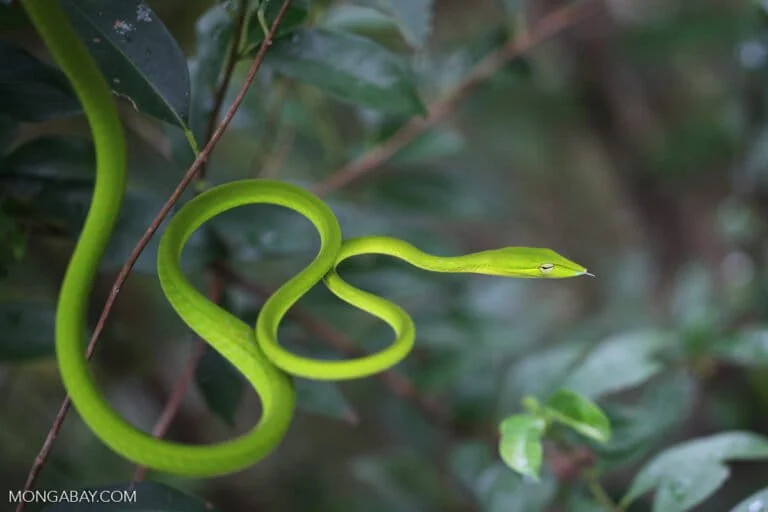
For the average traveler trekking through the dense tropical rainforests of the Indonesian archipelago, the absence of snakes is often met with a sense of profound relief. To the untrained eye, a trail free of slithering reptiles suggests safety and a more pleasant outdoor experience. However, for herpetologists and environmental scientists, this silence is a cause for alarm. The disappearance of snakes from a habitat where they were once abundant is not a sign of a safer forest; rather, it is a critical warning signal that the underlying ecosystem is in a state of flux or collapse. As top-tier predators and sensitive bioindicators, snakes serve as the "canaries in the coal mine" for environmental health. When they begin to vanish, it indicates that the intricate balance of nature is being disrupted, often due to human-induced pressures that carry far-reaching consequences for biodiversity, agriculture, and human health.
Indonesia is globally recognized as a megadiverse nation, serving as home to more than 350 distinct species of snakes. This diversity ranges from the massive reticulated python (Malayopython reticulatus) of the Kalimantan jungles to various endemic species found exclusively on isolated islands. In the complex web of life, snakes occupy several trophic levels simultaneously. They are efficient hunters of rodents, frogs, lizards, and small birds, but they are also vital prey for apex predators such as eagles, monitor lizards, and certain carnivorous mammals. The removal of snakes from this equation creates a "trophic cascade," a series of indirect effects that can destabilize the entire food chain.
The Ecological Mechanics of Snake Populations
To understand why snake conservation is vital, one must look at their role in the biological control of pests. In Indonesia’s agricultural landscapes, snakes are the primary natural defense against rodent infestations. When snake populations decline, the population of rats and other small mammals often explodes. Without the natural check provided by serpents, these rodents can cause devastating damage to rice paddies and palm oil plantations, leading to significant economic losses for local farmers. Furthermore, an overabundance of rodents increases the risk of zoonotic diseases—illnesses that jump from animals to humans—such as leptospirosis and hantavirus, which are prevalent in Southeast Asia.
Beyond pest control, snakes play a surprising role in the regeneration of forests through a process known as secondary seed dispersal. While snakes are strictly carnivorous and do not eat fruit, they frequently consume rodents that have recently gorged on seeds. Research has shown that some seeds can pass through a snake’s digestive tract intact. When the snake moves across the forest floor and eventually defecates, it deposits these seeds in new locations, often accompanied by a small amount of "fertilizer." This subtle mechanism helps maintain the genetic diversity of forest flora, a role that is often overlooked in traditional conservation models.
Snakes as Sentinel Bioindicators
The scientific community has increasingly turned to snakes as reliable bioindicators of environmental quality. This concept is grounded in the research of Beaupre and Douglas, as detailed in their seminal work Snakes: Ecology and Conservation. As high-trophic-level predators, snakes are particularly susceptible to the accumulation of toxins in the environment, a process known as biomagnification. Because they eat a variety of prey that may have consumed contaminated water or plants, snakes often show the physiological effects of pollution long before other species do.
Furthermore, snakes are ectothermic, meaning their body temperature is regulated by the external environment. This makes them exceptionally sensitive to changes in climate and microhabitat conditions. If a forest becomes too fragmented or the canopy cover is lost, the resulting change in ground temperature and humidity can make the area uninhabitable for specific snake species. A study conducted in the Special Region of Yogyakarta specifically monitored snake communities in agricultural zones and found that the richness and diversity of species were directly correlated with the health of the surrounding natural corridors. When these corridors are destroyed, the most specialized and beneficial species are the first to disappear, leaving behind only a few hardy, generalist species.
The Double Threat: Deforestation and Human Persecution
In the Indonesian context, the decline of snake populations is driven by two primary factors: massive habitat loss and direct human intervention. Indonesia continues to face significant challenges regarding land use. Recent data from Auriga Nusantara, an Indonesian environmental NGO, highlights a troubling trend: deforestation rates surged by 66% in a single year, jumping from 261,575 hectares to 433,751 hectares. This rapid conversion of primary forest into plantations, residential areas, and industrial infrastructure leaves snakes with nowhere to go. Habitat fragmentation isolates populations, leading to genetic bottlenecks and making species more vulnerable to extinction.
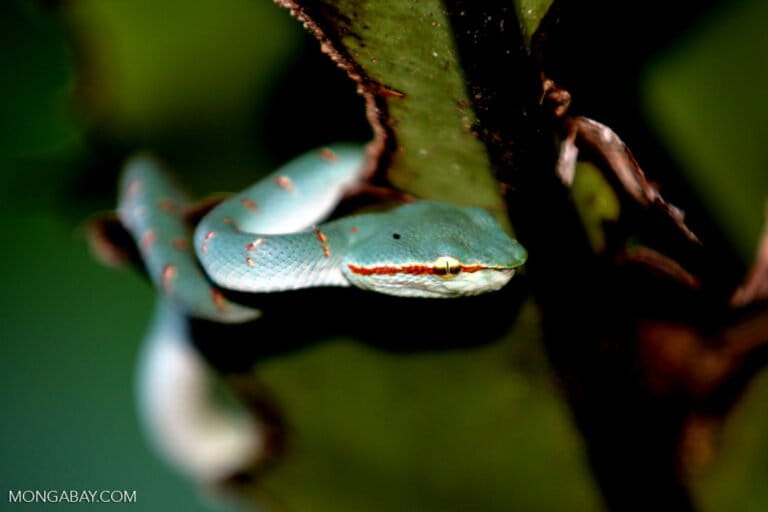
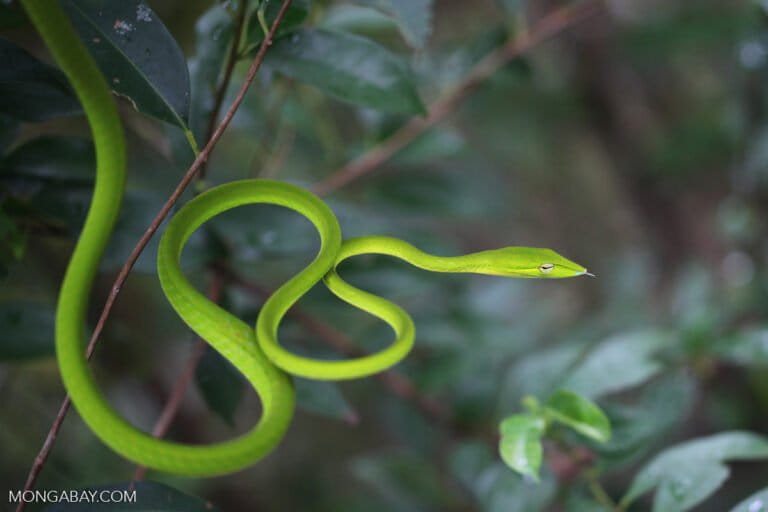
The second threat is the deep-seated cultural fear of snakes, which often leads to "kill on sight" encounters. While Indonesia is home to several highly venomous species, such as the King Cobra and various pit vipers, the vast majority of the country’s 350+ species are harmless to humans. The Oriental Whip Snake (Ahaetulla prasina), for example, is a mildly venomous, slender green snake commonly found in gardens and forest edges. Despite being virtually harmless and providing excellent pest control, it is frequently killed due to a lack of public education regarding snake identification and behavior.
Ironically, the human fear of snakes may be creating a more dangerous environment. As natural predators of snakes—such as certain birds of prey and larger mammals—decline due to hunting and habitat loss, the populations of certain venomous snakes can occasionally spike in disturbed areas, especially as rising global temperatures alter their breeding cycles. Without a balanced ecosystem to manage these populations, human-wildlife conflict becomes more frequent and more dangerous.
Analysis of Broader Implications and Responses
The disappearance of snakes is not merely a loss for biodiversity; it is a socio-economic and public health issue. Environmental analysts point out that the cost of replacing the "ecosystem services" provided by snakes—such as natural pest control—runs into millions of dollars in chemical pesticides alone. These pesticides, in turn, further degrade the soil and water quality, creating a vicious cycle of environmental decline.
In response to these trends, various Indonesian herpetological societies and conservation groups have begun advocating for a shift in public perception. Experts argue that conservation efforts must move beyond "charismatic megafauna" like orangutans and tigers to include the less popular, but equally essential, reptilian inhabitants of the forest. "We cannot have a healthy forest without its predators," notes one Indonesian researcher involved in the Yogyakarta study. "When the snakes go silent, we are losing the very guardians that keep our agricultural and natural systems in check."
The chronology of this decline follows the path of industrial expansion. As roads penetrate deeper into the hearts of Sumatra, Papua, and Kalimantan, the "roadkill" factor also contributes significantly to the mortality of slow-moving reptiles. Furthermore, the illegal wildlife trade continues to target snakes for their skins and for the exotic pet market, further thinning populations that are already struggling with habitat loss.
Conclusion and Future Outlook
To mitigate the disappearance of these vital bioindicators, a multi-pronged approach is required. First, the Indonesian government must address the accelerating rate of deforestation reported by organizations like Auriga Nusantara. Protecting "high conservation value" areas is not enough; there must be a focus on maintaining connectivity between forest fragments to allow for the natural migration of snakes and their prey.
Second, there is an urgent need for community-based education. Programs that teach farmers and rural residents how to coexist with snakes—and how to distinguish between venomous and non-venomous species—can significantly reduce unnecessary killings. In some regions, "snake rescue" groups are already working to relocate snakes found in homes back into the wild, but these efforts need to be scaled up nationally.
The health of Indonesia’s forests is written in the presence of its most misunderstood inhabitants. A forest that teems with life, including the slithering presence of the serpent, is a forest that is breathing, regenerating, and functioning as it should. If we continue to ignore the disappearance of snakes, we risk waking up to an environment that is not only quieter but significantly more fragile and dangerous for human habitation. The message from the undergrowth is clear: the snakes are leaving, and it is time we asked ourselves why, and what we are prepared to do to bring them back.